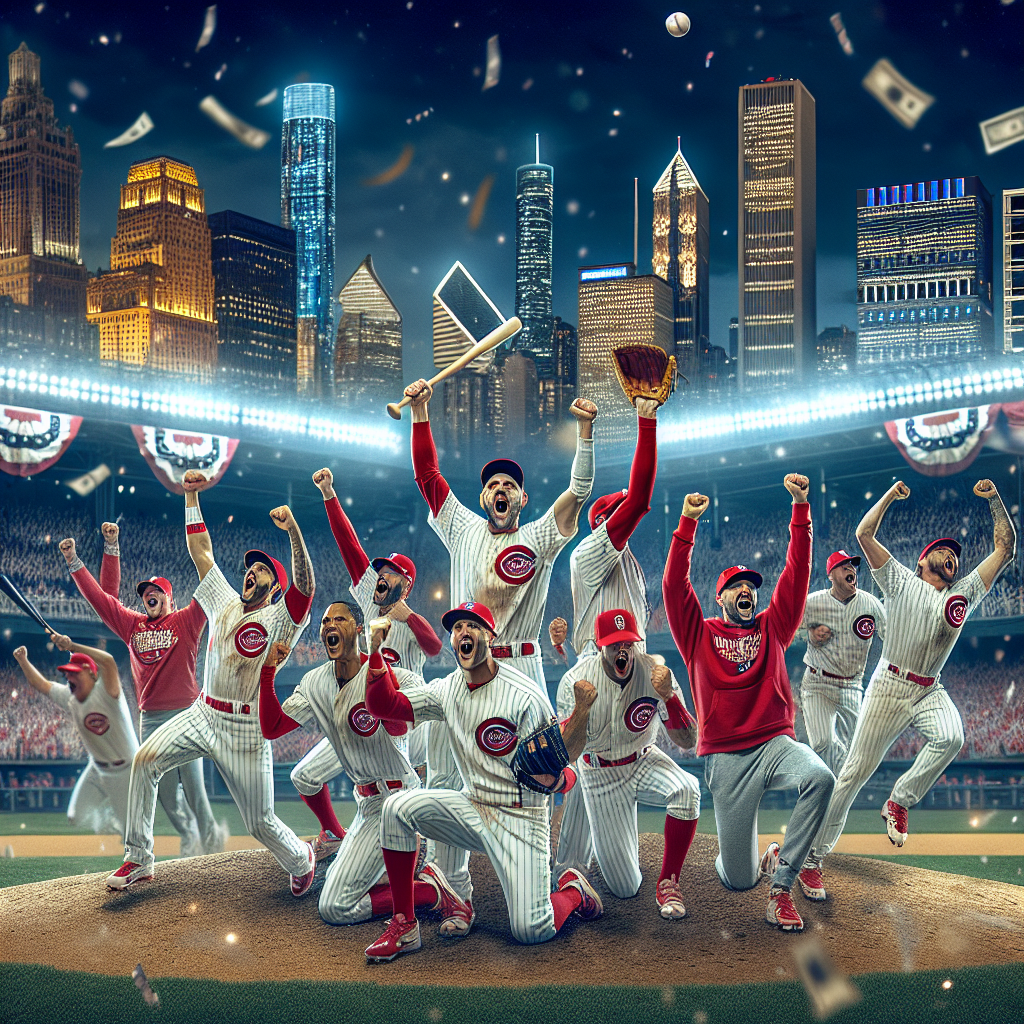
The 2008 Philadelphia Phillies hold a special place in the annals of baseball history, not just for their triumph, but for the raw emotion and joy they brought to a city known for its passionate sports fans. Philadelphia, colloquially known as “Philly,” had experienced a long drought of sports championships, and the city’s yearning for a victory had only grown stronger with each passing year. For 28 years, Philadelphia hadn’t tasted a major sports championship across the four major leagues. That was, until the Phillies broke the curse and delivered an iconic season in 2008. Baseball is more than a game in Philadelphia; it’s a part of the cultural fabric. The stadiums are filled with legacy fans and families who have loyally passed down their passion for the Phillies through generations. The historical significance of the 2008 season cannot be overstated. From the front office to the dugout, to the players on the field, the collective effort was palpable, and this synergy resulted in a magical journey culminating in a World Series title. This article explores the pivotal moments, key players, managerial strategies, and the broader impact of the 2008 Philadelphia Phillies’ championship run. By delving into the season game by game, player by player, and moment by moment, we hope to encapsulate the ecstasy of a city’s long-awaited victory. A city whose spirit mirrored that of its players—gritty, unyielding, and ultimately triumphant.
The Build-Up: Offseason Moves and Early Games
The 2008 season didn’t begin with promises of glory. In fact, offseason predictions were mixed, with analysts unsure if the Phillies had enough firepower to dethrone the reigning NL East champions, the New York Mets. Nevertheless, General Manager Pat Gillick made some shrewd moves to bolster the roster. Most notably, the signing of outfielder Jayson Werth and pitcher Brad Lidge proved to be masterstrokes. Werth would go on to provide valuable depth in the outfield, while Lidge’s impeccable pitching bolstered the bullpen. Early games provided glimpses of the team’s potential. Under the guidance of manager Charlie Manuel, the squad featured a balanced mix of veteran leadership and youthful exuberance. The Phillies’ lineup included stars like Ryan Howard, Chase Utley, and Jimmy Rollins, each capable of turning the tide of a game with a single swing. In the initial matches, however, the team witnessed its share of ups and downs. Pitching inconsistencies and sporadic offensive slumps cast doubts on their ability to sustain success over a grueling 162-game season. Yet, there was something unmistakably resilient about this team. Even in losses, there were signs of a burgeoning chemistry and a never-say-die attitude. The passion was evident on the field, in the dugout, and most prominently, in the stands. This collective vigor would be tested and proven crucial as the season progressed, knitting together the fabric of a championship team.
Mid-Season Strides: Building Momentum
As the midsummer classic approached, the Phillies began to find their stride. The All-Star break provided a much-needed respite, but instead of resting on their laurels, the team used the time to refocus and come out stronger. Some of the most memorable moments of the 2008 season occurred during this stretch. Notable games, such as a thrilling July victory over the Mets, showcased the Phillies’ ability to perform under pressure. Contributions came from all corners of the roster. Joe Blanton, acquired in a mid-season trade, became a reliable part of the rotation. Meanwhile, young stars like Cole Hamels started to truly come into their own. Hamels’ standout performances, characterized by his calm presence on the mound and devastating change-up, became a linchpin for the Phillies’ playoff run. Offensively, Chase Utley was having an MVP-caliber season, setting the tone with his reliable bat and unmatched work ethic. The Phillies’ bats were also getting timely hits from unlikely heroes, fostering a sense of “team-first” mentality. Every game, it seemed that a different player stepped up, and this depth made the Phillies a formidable opponent. By the time they reached late August, the Phillies had not only secured a winning record but also built crucial momentum, positioning themselves as strong contenders for the postseason.
The Playoff Push: Capturing the Division
September brought with it a series of challenges that could make or break the season. The Mets, once clear favorites, began to stumble, providing the Phillies with an unexpected window of opportunity. The last few weeks of the regular season were a test of mettle, and the Phillies rose to the occasion. With clutch performances from key players, they surged to the top of the National League East standings. One standout game was the series finale against the Milwaukee Brewers, where Brad Lidge solidified his reputation as one of the most reliable closers in the business. His perfect save on the penultimate day of the season clinched a much-needed victory, driving home the message that the Phillies were a force to be reckoned with. On the offense, Ryan Howard was electric, smashing crucial home runs that not only lifted the team’s spirits but also decimated the competition’s morale. Jimmy Rollins, ever the consistent performer, led by example both on and off the field, his leadership a steadying hand in turbulent times. The collective effort paid dividends as the Phillies clinched the NL East title, setting the stage for a dramatic postseason run.
The National League Championship Series (NLCS)
The Phillies entered the postseason brimming with confidence, their first target: the Milwaukee Brewers in the NLDS. The actual series seemed almost an afterthought, as the Phillies dispatched the Brewers in four games, with dominant performances from both their pitchers and hitters. However, it was their next opponent, the Los Angeles Dodgers, that posed a true test. The Dodgers, led by Joe Torre, were no pushovers. They came into the series high on confidence, having dismantled their own NL West rivals. The NLCS was anticipated to be a tightly contested affair, and it certainly lived up to its billing. Yet, the Phillies were unfazed. Spearheaded by stellar pitching from Hamels, and timely hitting by Shane Victorino and Matt Stairs, the Phillies took control early. Game 4 of the series is particularly memorable for Victorino’s grand slam, a defining moment that seemed to lift the entire team’s morale. On the defensive end, the team was rock solid. Lidge continued his perfect save streak, while the infield, anchored by Utley and Rollins, made sure that few opportunities were squandered. In just five games, the Phillies decimated the Dodgers, securing their place in the World Series and bringing the city of Philadelphia one step closer to baseball glory.
The World Series: A Dream Realized
Facing the Tampa Bay Rays in the World Series, the Phillies knew they were up against an equally hungry team. The Rays had been the surprise package of the season, their youth and athleticism propelling them to the cusp of a championship. Still, the Phillies’ experience and resolve shone through. Game 1 set the tone, with Cole Hamels playing the hero as he masterfully navigated through the Rays’ lineup. The Phillies took the lead in the series, and their confidence grew. One remarkable trait of the team was how different players rose to the occasion in each game. In Game 3, it was Carlos Ruiz’s turn, as his walk-off single in the ninth inning secured a dramatic win. The inclement weather in Game 5 added another layer of drama. The game was suspended due to rain, forcing fans to wait an additional 48 hours to see the climax. When play resumed, the energy in the stadium was palpable. Brad Lidge came in for the final outs, maintaining his perfect streak for the season. Striking out Eric Hinske for the final out, the moment was pure euphoria. The Phillies had done it; they were the champions of the baseball world. The fans, who had waited 28 long years for this moment, erupted in jubilation.
Conclusion: The Aftermath and Lasting Legacy
The 2008 Philadelphia Phillies not only captured a World Series title, but they also captured the hearts of their city and established a legacy that continues to resonate. This team exemplified what it means to play for something greater than oneself. Their victory parade, which saw nearly two million people flood the streets of Philadelphia, was a testament to the immense pride and relief felt citywide. From the front office to the coaching staff, the 2008 Phillies embodied the spirit of innovation, resilience, and dedication. Pat Gillick’s strategic moves, Charlie Manuel’s steady leadership, and the players’ unmatched determination combined to create a season that will forever be remembered in Philadelphia lore. The championship galvanized a new generation of fans and rejuvenated older supporters. The victory also had a lasting impact on the team’s culture, establishing a standard of excellence that future teams would strive to emulate. While every sports victory has its unique story, the 2008 Phillies’ triumph stands out as a masterclass in teamwork and perseverance. It wasn’t just a win on the field; it was a communal experience that unified a diverse and passionate fan base. Even today, the memories of that season serve as a beacon for what is possible, reminding fans and players alike of the magic that can happen when a team and its city believe in each other.
Frequently Asked Questions
1. What made the 2008 Philadelphia Phillies’ victory so significant for the city?
Oh, where do we even start? The significance of the 2008 Philadelphia Phillies’ victory transcends just the numbers on the scoreboard. You see, Philadelphia is a sports town through and through, passionately cheering for its teams like their lives depend on it. Yet, for 28 excruciating years, that passion hadn’t been rewarded with a major championship across MLB, NBA, NFL, or NHL. This drought weighed heavily on the city, turning hope into desperate longing. Enter the 2008 Phillies, who didn’t just bring home a World Series trophy; they restored hope and unity to a city starved for sporting glory. The city erupted into a frenzy of celebration—ecstatic gatherings at the streets, a parade for the ages, and a lingering afterglow that made their victory more than just a win; it was a cultural and emotional uplift. This victory wasn’t just important—it was transformational.
2. How did the team perform during the 2008 season leading up to their World Series win?
Now, this Phillies team was quite the powerhouse, with character and grit to boot. During the regular 2008 season, they showcased sheer determination and unmatched skill. The Phillies clinched the National League East division title with a 92-70 record, a feat that set them on a headstrong path to October glory. Their journey through the postseason was marked by astute plays and stellar individual performances. They knocked out the Milwaukee Brewers in the National League Division Series with a 3-1 series victory and then trounced the Los Angeles Dodgers in the National League Championship Series to clinch the pennant and advance to the World Series. What was most impressive was their resilience and composure under pressure, qualities that carried them through challenging games and into Philadelphia’s sports folklore.
3. Who were the key players instrumental in sealing the victory for the 2008 Phillies?
Ah, the Phillies roster was brimming with talent and a few standout performances etched their names into Philadelphia lore. At the helm, of course, was the indomitable Ryan Howard, a powerhouse of a first baseman who could send baseballs hurtling into the night sky. Then there was Cole Hamels, whose pitching prowess earned him the Most Valuable Player of the World Series title. Hamels was a force to reckon with and delivered stellar performances throughout the postseason. And let’s not forget Chase Utley, whose slick field plays and powerful batting were vital to the team’s successes. Brad Lidge, the team’s closer, was perfect that year in save opportunities, notching up the crucial final outs that secured the victories. These players, among others, collectively wielded the tenacity and skill that brought the championship home to Philly.
4. What was the reaction of Philadelphia fans to the Phillies winning the 2008 World Series?
The reaction? Electrifying, monumental, and oh-so-deserved. For decades the fans had endured heartache, disappointment, and near-misses, forging them into some of the most loyal and fervent supporters in the sports world. When the final out was recorded, Philadelphia transformed overnight into a sea of red and white. Broad Street became the epicenter of jubilant celebrations with fans pouring in, hugging strangers, cheering, and singing on a night that would be remembered for generations to come. The city held one of its most legendary victory parades, as over a million people flooded the streets to celebrate their champions. It was an atmosphere of pure, unadulterated joy, as Philly fans basked in the affirmation that their loyalty and passion had finally been rewarded.
5. How did the 2008 Phillies’ victory affect the city of Philadelphia beyond sports?
The ripple effects of the Phillies’ 2008 victory went far beyond just baseball. It instilled a renewed sense of pride and optimism across Philadelphia, a city that had labored under the weight of its sports shortcomings for too long. Beyond the field, the winning season translated into an economic boost, with local businesses thriving on heightened foot traffic, merchandise sales skyrocketing, and a palpable increase in citywide morale. Television ratings soared during the games, and the Phillies became a focal point of conversation in homes, workplaces, and schools. This victory inspired a resurgence of city spirit, unifying residents from diverse backgrounds with the shared elation of triumph. It also set a tone of competitiveness and resilience within the city that would unfold in the years to come, reminding everyone that perseverance, just like in sports, eventually pays off.