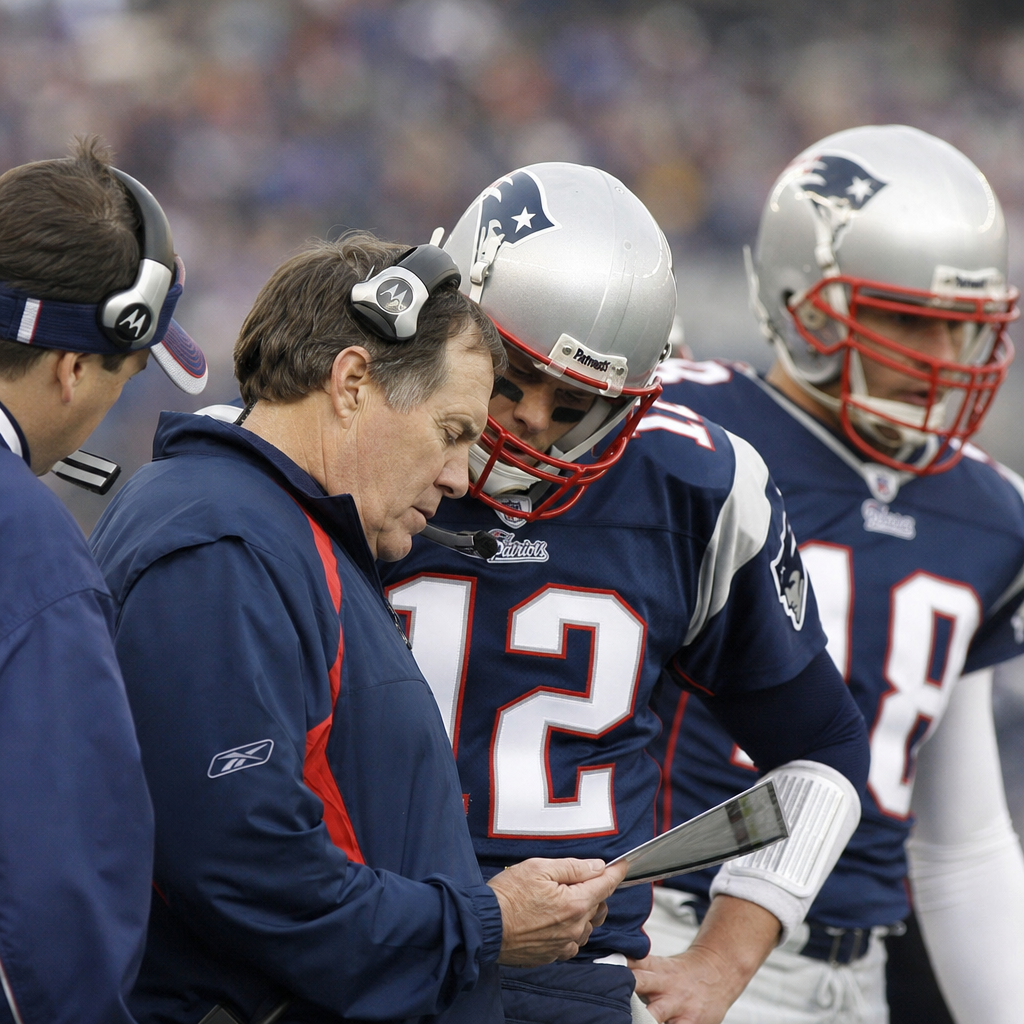
The 2007 Spygate scandal reshaped how fans, teams, and league officials understood competitive intelligence in the NFL, and the New England Patriots’ influence on that moment still defines the boundaries between preparation and rule breaking. In NFL terms, Spygate refers to the Patriots’ unauthorized videotaping of New York Jets defensive signals during a September 2007 game, a practice the league had specifically restricted through game operations memos and sideline access rules. The controversy matters because it was not only about one camera operator on one sideline; it raised lasting questions about organizational culture, command responsibility, competitive ethics, league governance, media framing, and the credibility of a modern dynasty. I have worked through league policy documents, game operation standards, historical reporting, and years of retrospective debate, and the lesson is clear: Spygate became bigger than the infraction because the Patriots were already the NFL’s model of efficient winning. When a successful franchise is accused of gaining hidden advantages, every prior achievement gets reexamined. That is why this case became a hub topic within football scandals and controversies. It connects to rule enforcement, head coach accountability, owner discipline, public trust, and later debates about technology, signal security, and the line between gamesmanship and cheating.
Understanding the Patriots’ influence requires separating three things that are often blurred together: what the rules actually prohibited, what the team was accused of doing historically, and what the league formally proved in 2007. The NFL did not ban all video study. Teams routinely analyzed broadcast footage, coaches’ film, and in-stadium observations. The prohibited act was filming from an unauthorized location to decode opponent signals in real time or near real time. Commissioner Roger Goodell treated that distinction as central when he punished head coach Bill Belichick and the organization. Yet the public discussion quickly expanded beyond the documented Jets incident to include earlier allegations involving prior seasons and the Patriots’ larger reputation for detail-driven opportunism. As a result, Spygate became a reference point whenever fans discussed whether dynasties benefit from structural edges, ambiguous rules, or enforcement gaps. For readers exploring miscellaneous scandals and controversies, this article serves as the hub because Spygate touches many adjacent themes: surveillance in sports, institutional discipline, media mythology, and the challenge of preserving legitimacy in a league built on parity.
What happened in 2007 and why the league acted fast
The triggering event occurred on September 9, 2007, when the Jets identified Patriots employee Matt Estrella filming defensive coaches’ signals from the sideline at Giants Stadium. Security personnel confiscated the videotape, and the matter escalated immediately because Jets head coach Eric Mangini, a former Patriots assistant, recognized the significance of the conduct. Within days, the NFL reviewed the evidence and concluded that New England had violated explicit rules barring the use of video equipment in designated sideline areas for the purpose of recording opponents’ signals. Goodell moved unusually quickly, signaling that the league saw this as an integrity issue rather than a minor procedural mistake.
The penalties were severe by NFL standards at the time. Belichick was fined $500,000, then the maximum fine allowed for a coach. The Patriots were fined $250,000 and lost a first-round draft pick in the 2008 NFL Draft, later adjusted to a second-round pick because the team made the playoffs. That package mattered because draft capital, unlike cash fines, directly affects roster construction. In practical terms, the NFL was saying that competitive advantage gained outside the rules could cost future talent. Goodell also required the destruction of the tapes and notes, a decision that still fuels debate because it limited independent review of the material’s scope.
Why did the league act so forcefully? The answer is straightforward. In a sport where coordinators rely on coded signals, real-time sideline recording can reduce uncertainty and reveal tendencies more quickly than legal methods. Even if the tactical gain in a single game is hard to quantify, the process violates the league’s expectation of fair information gathering. Goodell understood that if the NFL appeared soft on this issue, every close result involving a well-prepared team would invite suspicion. Fast punishment protected the league’s brand as much as it punished the Patriots.
The rule, the gray areas, and the difference between scouting and illicit recording
One reason Spygate remains misunderstood is that many fans still assume the issue was ordinary advance scouting. It was not. In-person scouting itself had long existed in various forms, but the 2007 case centered on location-based restrictions for video capture and signal collection during games. The league had circulated prior directives, including a 2006 memo to clubs, making clear that videotaping coaching signals from the sideline or similar unauthorized areas was prohibited. The NFL’s position was that the Patriots were not exploiting a loophole; they were ignoring a clarified rule.
That said, there were real gray areas in the broader ecosystem of football intelligence. Teams chart personnel groupings, cadence patterns, substitution habits, and sideline communication rhythms. Defensive coordinators and quality control assistants spend hours converting small tendencies into usable game-plan information. I have seen how coaching staffs treat information management as a weekly production process, not a single trick. In that environment, the temptation to push boundaries is obvious. The Patriots under Belichick were famous for treating every edge as worth studying, from clock strategy to formation tells. That reputation amplified the scandal because the alleged behavior fit an existing image of relentless competitive optimization.
The key distinction is this: legal preparation uses shared or authorized sources, while illicit recording captures restricted information through prohibited means. That difference may sound technical, but sports governance often rests on technical distinctions. Just as equipment standards define legal stick dimensions in hockey or bat composition in baseball, sideline recording rules define where observation becomes forbidden surveillance. Spygate mattered because it showed how a narrow operational rule can carry enormous symbolic weight when a championship team is involved.
The Patriots’ organizational influence on the scandal’s scale
The New England Patriots did not become the center of this controversy simply because of one rules violation. They became the center because by 2007 they were the league’s premier power, with Super Bowl wins after the 2001, 2003, and 2004 seasons and a reputation for systematic excellence. Successful organizations shape league narratives. When a struggling franchise is caught bending a rule, the story often stays local. When a dynasty is caught, the event becomes a referendum on legitimacy.
Belichick’s influence was central. His teams were defined by situational precision, adaptable game plans, and a staff culture that emphasized exhaustive detail. Around the league, that created admiration and distrust in equal measure. Many coaches borrowed Patriots methods on roster flexibility and opponent-specific planning, but critics argued that such an edge-driven culture could slide from innovation into rule stretching. Whether fair or not, the scandal attached itself to the Patriots’ identity because the franchise had already taught the league that marginal gains matter.
Owner Robert Kraft also played an important role in the aftermath. Kraft accepted the penalties publicly rather than launching a prolonged institutional fight with the commissioner’s office. That response helped contain immediate damage, but it also left the team without a broader public case beyond Belichick’s claim that he misinterpreted the rules. For many observers, the acceptance of discipline looked like tacit acknowledgment that the league’s evidence was solid. The Patriots’ influence, then, was not just tactical. It was cultural and political. Their stature gave the scandal national force, and their response helped define how quickly the NFL closed the formal case.
| Issue | What the NFL established | Why it mattered |
|---|---|---|
| Sideline videotaping | Patriots personnel recorded Jets signals from an unauthorized location | Direct violation of game operations restrictions |
| Head coach responsibility | Belichick was held accountable for team conduct | Confirmed command responsibility at the top |
| Club discipline | Fine and draft-pick forfeiture applied to the franchise | Linked competitive misconduct to future roster cost |
| Evidence handling | Tapes and notes were destroyed under league supervision | Ended formal review but fueled long-term suspicion |
Media coverage, public perception, and the mythmaking cycle
Spygate became much larger in public memory than in the league’s formal findings because media coverage turned a rules case into an ongoing moral drama. Sports talk radio, newspaper columnists, and national television panels connected the scandal to every Patriots win that followed. The undefeated regular season in 2007 intensified this pattern. Each dominant performance was read through two competing lenses: either the team was so good that the filming issue was trivial, or its excellence made prior suspicion harder to dismiss.
The destruction of the tapes became a major accelerant. In crisis management terms, destroying evidence under official authority can close a case legally while keeping it alive culturally. Fans and critics often interpret missing material as proof that the unseen facts are worse than the documented ones. Senator Arlen Specter’s public interest in the matter extended the news cycle further, even though the NFL had already imposed discipline. The result was a mythmaking loop where incomplete visibility fed permanent doubt.
This pattern explains why Spygate remains a top-tier NFL controversy years later. Not every punished infraction becomes a cultural symbol. This one did because it involved a dynasty, a famously secretive coach, a rival assistant turned accuser, and a league office trying to balance deterrence with finality. For scandal analysis, that combination is textbook: a narrow violation, a broad trust problem, and an information vacuum that invites endless reinterpretation.
Did Spygate affect wins, championships, or the Patriots dynasty?
The honest answer is that no one can measure the exact on-field value of the prohibited filming, and confident claims in either direction usually go beyond the evidence. Football outcomes are multivariable. Quarterback play, pass protection, turnovers, red-zone efficiency, injury luck, and game script all matter more than any single intelligence mechanism. The Patriots’ dynasty was built primarily on Tom Brady’s elite decision-making, Belichick’s adaptive coaching, disciplined situational football, and unusually strong roster management for a salary-cap era.
At the same time, it is equally unrealistic to say illicit signal recording had no potential value. If coaches can decode defensive checks, blitz indicators, or coverage tendencies faster, that information can shape play-calling margins. Margins matter in the NFL. A single third-down conversion or red-zone adjustment can swing a one-score game. That is why the league punished the conduct despite the difficulty of quantifying its impact. Rules exist to remove disputes over hidden advantages before they contaminate results.
The most defensible conclusion is balanced: Spygate did not create the Patriots’ greatness, but it damaged trust in how that greatness was perceived. New England continued to win after the scandal, which supports the argument that the franchise’s core strengths were real and sustainable. Yet the episode permanently armed critics with a shorthand challenge to the dynasty’s legitimacy. In reputational terms, that is the Patriots’ lasting influence on Spygate. The scandal became inseparable from the story of their success, even when the football explanation for that success remained overwhelmingly credible.
Legacy for league policy, team security, and future controversies
Spygate changed behavior across the NFL. Teams tightened sideline protocols, restricted access more carefully, improved signal decoys, and treated information security as a formal operational function rather than an informal coaching concern. In the years that followed, clubs increasingly used wristband communication systems, layered dummy signals, and more disciplined booth-to-sideline workflows. The scandal also reinforced the commissioner’s willingness to use competitive penalties, not just financial sanctions, to protect league integrity.
Its influence extended into later controversies, especially Deflategate, where the Patriots again became the focal point of a league integrity dispute. That recurrence mattered because once a franchise acquires a public reputation for edge-seeking, every subsequent allegation is interpreted through that frame. Spygate established the Patriots as the NFL’s case study in how excellence, secrecy, and suspicion can coexist. It also taught other teams a practical lesson: if your process cannot survive public disclosure, it is not merely clever; it is risky.
For readers using this page as a hub within miscellaneous sports scandals and controversies, Spygate is essential because it connects tactical conduct to institutional consequences. It shows how a technical violation can alter public memory, force policy reform, and shadow an otherwise historic era of achievement. The main takeaway is simple: competitive intelligence is part of football, but methods matter as much as outcomes. The Patriots’ influence on the 2007 Spygate scandal lies in how their power magnified the case, how the NFL used them to set a precedent, and how the episode still shapes debates about fairness in modern sports. If you are building a deeper understanding of controversy in professional athletics, continue from this hub into related cases on league discipline, team culture, and technology-driven rule enforcement.
Frequently Asked Questions
What exactly was the 2007 Spygate scandal, and why did it matter so much?
The 2007 Spygate scandal centered on the New England Patriots’ unauthorized videotaping of New York Jets defensive signals during a September 2007 game. While teams had long tried to decode signals and tendencies through legal scouting and in-game observation, the NFL had already restricted where and how recording could take place. The issue was not simply that the Patriots were gathering information; it was that they were doing so in a way the league had specifically prohibited through sideline access rules and game operations directives. That distinction is what made the incident more than a gray-area football tactic.
It mattered so much because it challenged the league’s credibility on competitive fairness. Fans and teams could accept that opponents study film, tendencies, formations, and patterns. What they struggled with was the idea that a successful franchise may have crossed a clear line between preparation and rule breaking. The Patriots were already one of the NFL’s dominant teams, so the story instantly carried larger implications about whether innovation, discipline, and sustained success had been aided by improper methods. Even for people who believed the practical on-field impact was limited, the symbolic damage was enormous because it raised questions about trust, enforcement, and the integrity of competition.
Why was videotaping signals considered a violation if teams always try to read each other’s signals?
That question gets to the heart of why Spygate remains so widely debated. In the NFL, trying to read and interpret signals during a game has always been part of competitive strategy. Coaches, assistants, and players routinely look for patterns in how opponents communicate personnel, coverage adjustments, and substitutions. In that sense, signal decoding itself was not the forbidden act. The problem was the method used to collect that information.
The league had drawn a line around unauthorized recording from restricted locations, particularly from the sideline area, because it provided a structured and replayable form of intelligence gathering beyond what was permitted. A coach or staff member observing signals live is working within the natural flow of the game. A camera operator capturing signals from a prohibited area creates a record that can be reviewed, slowed down, matched with game situations, and used more efficiently than ordinary observation. The NFL viewed that as an unfair procedural advantage, especially after league guidance had already made those boundaries clear. So Spygate was not really a debate over whether teams seek information; it was a debate over whether the Patriots ignored explicit rules governing how that information could be gathered.
How did the NFL punish the Patriots, and what message was the league trying to send?
The NFL responded forcefully by fining head coach Bill Belichick, fining the organization, and taking away a first-round draft pick, subject to conditions tied to where the team finished. The league also required the destruction of the videotaped material. Those penalties were significant not only in football terms but in public-relations terms. They signaled that the commissioner’s office wanted to show both fans and franchises that rule violations affecting competitive integrity would be treated as serious institutional matters, not as minor technical breaches.
The broader message was about deterrence and control. The NFL is built on public confidence in fairness, and the league understood that if one of its flagship dynasties appeared to benefit from prohibited practices without major consequences, it could undermine the sport’s legitimacy. By issuing severe penalties quickly, the league tried to reinforce the idea that there were enforceable boundaries around gamesmanship. It also sent a warning to other teams that even if certain practices had become normalized in whispers or in lesser forms, the commissioner’s office was prepared to define and punish conduct it believed crossed the line. Whether everyone agreed with the exact severity of the punishment is another matter, but the intent was unmistakable: protect the league’s rules, image, and authority.
Did Spygate actually affect the Patriots’ success on the field?
That is the most disputed question surrounding the scandal, and there is no universally accepted answer. Critics argued that illegally recorded signals could help a team anticipate defensive calls, situational tendencies, or communication structures, potentially giving an offense a meaningful edge at key moments. In a league where a few plays can determine outcomes, even a modest informational advantage can seem important. From that perspective, people who were already suspicious of the Patriots’ sustained dominance saw Spygate as evidence that competitive margins may have been influenced in ways the public did not fully understand.
Supporters of the Patriots, however, often point to the team’s continued excellence before and after the scandal as evidence that their success was fundamentally rooted in elite coaching, quarterback play, roster development, and organizational discipline. They argue that while the rule violation was real and deserved punishment, its practical effect has likely been exaggerated over time because the scandal became attached to a team that was already disliked, feared, and unusually successful. The most responsible conclusion is that Spygate undeniably damaged perceptions of the Patriots, but the exact competitive impact remains difficult to quantify. What is clear is that the scandal changed how many people interpreted the Patriots’ dynasty, making every achievement more vulnerable to skepticism, regardless of whether that skepticism could be proven on the field.
What lasting influence did Spygate have on the NFL and on the Patriots’ legacy?
Spygate had a lasting influence because it sharpened the NFL’s definition of where legitimate preparation ends and prohibited intelligence gathering begins. After the scandal, teams, media, and league officials became far more attentive to operational details involving video, sideline access, communications, and compliance. It helped create a more formalized culture of oversight in which competitive procedures were no longer treated as background logistics but as part of the integrity framework of the game. In that sense, Spygate did more than produce headlines; it became a reference point for how the NFL governs modern competitive behavior.
For the Patriots, the legacy is complicated and permanent. On one hand, the franchise remained one of the most successful organizations in NFL history, and its accomplishments cannot be reduced to a single scandal. On the other hand, Spygate introduced a stain that critics continue to attach to the dynasty whenever its achievements are discussed. It altered the emotional and historical framing of the Patriots’ era, making their success appear, to some observers, less purely the result of football excellence and more entangled with rule-boundary controversies. That is the enduring influence of Spygate: it did not erase the Patriots’ greatness, but it made debates about that greatness inseparable from questions about ethics, enforcement, and the limits of competitive advantage in the NFL.