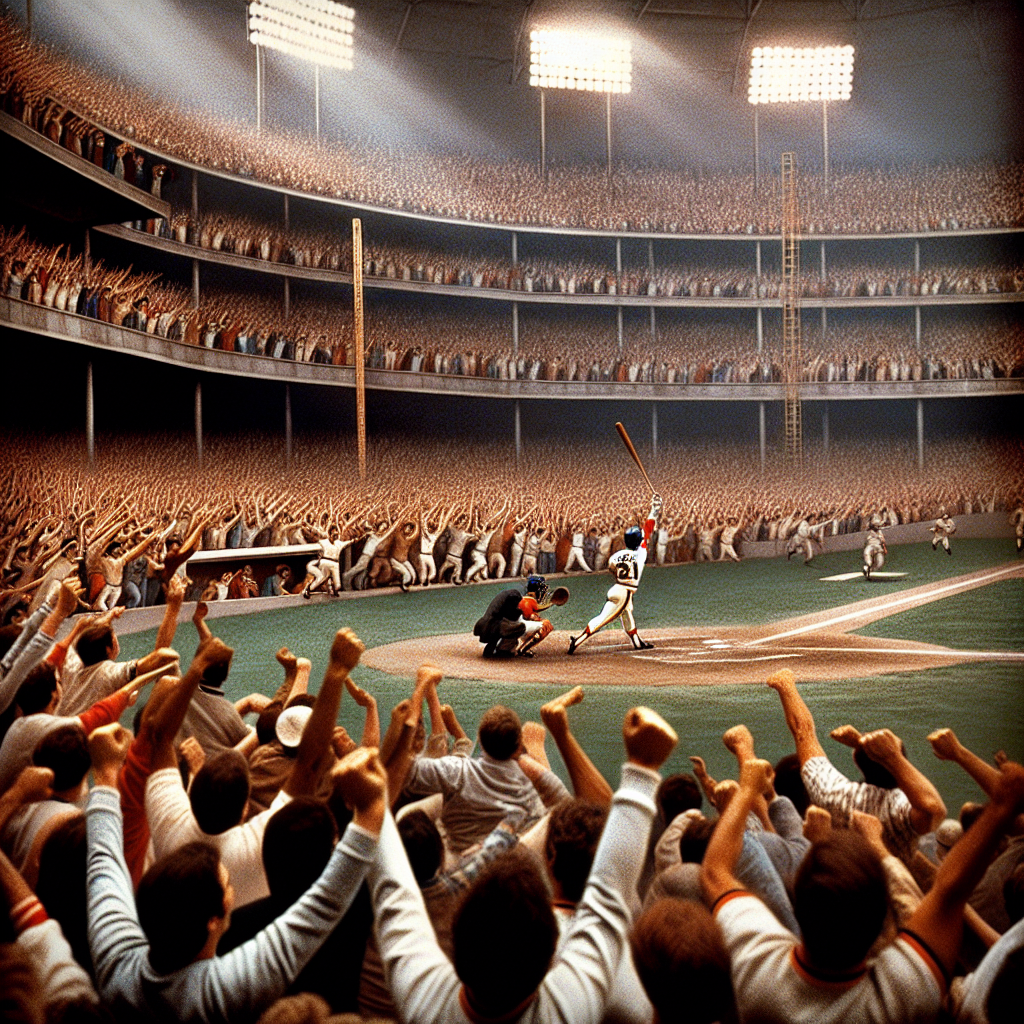
The year 1988 marked a milestone in the history of baseball, particularly for the Los Angeles Dodgers. This iconic team became the embodiment of tenacity, resilience, and pure sportsmanship. As the season unfolded, it was clear that the Dodgers were on a mission, but no one could have predicted just how dramatic their journey would be. Led by manager Tommy Lasorda and a roster of determined players, the Dodgers’ season was filled with memorable moments. However, it was in Game 1 of the World Series that Kirk Gibson delivered one of the most legendary moments in baseball history—an unforgettable home run that is still talked about decades later.
The 1988 squad was not without its struggles. Injuries plagued key players, and many critics doubted their ability to even reach the playoffs, let alone win the World Series. But the Dodgers proved that heart and grit could overcome obstacles. This team is a testament to the idea that baseball is as much about mental fortitude as it is about physical prowess. The 1988 Dodgers captured the hearts of fans and the respect of their peers, etching their name into the annals of baseball history.
In this article, we will delve deep into the journey of the 1988 Los Angeles Dodgers, chronicling their season, key games, and the standout moments that led to their World Series victory. We’ll also explore the influence of key players and the managerial genius of Tommy Lasorda. Through this examination, we aim to highlight why the 1988 Dodgers remain one of the most celebrated teams in baseball history, with Kirk Gibson’s legendary homer serving as the ultimate symbol of their perseverance and spirit.
The Road to the Playoffs
The 1988 season for the Los Angeles Dodgers began with an air of uncertainty. With the roster suffering from significant injuries, many experts predicted a tough season ahead. However, the team showcased immense depth, and players like Orel Hershiser and Kirk Gibson stepped up to fill the void left by their injured teammates.
Orel Hershiser, the Dodgers’ star pitcher, was particularly instrumental in the regular season. Hershiser set a major league record by pitching 59 consecutive scoreless innings, a feat that showcases not only his skill but also his sheer tenacity. His performance earned him the Cy Young Award, boosting the Dodgers’ morale and adding a sense of invincibility to their pitching staff.
Outfielder Kirk Gibson, who had joined the team at the beginning of the year, quickly became the heart and soul of the Dodgers. Known for his fiery spirit and clutch performance, Gibson’s leadership both on and off the field played a pivotal role. The Dodgers clinched the National League West title, silencing doubters and building momentum as they headed into the playoffs.
The National League Championship Series (NLCS) against the New York Mets proved to be a strenuous battle. The Mets were favored to win, but the Dodgers, driven by determination and strategic plays, managed to take the series in seven games. This victory set the stage for their encounter with the American League champions, the Oakland Athletics, in the World Series.
Game 1 of the World Series
The 1988 World Series opened with a thrilling Game 1 between the Los Angeles Dodgers and the Oakland Athletics. The Athletics, boasting a powerhouse lineup that included the likes of Mark McGwire and José Canseco, were heavily favored. However, the Dodgers, led by Tommy Lasorda’s astute management, were unfazed by the daunting challenge.
The game began with the Athletics taking an early lead, with José Canseco hitting a grand slam, putting the Dodgers on the back foot. The Dodgers, however, managed to claw their way back, keeping the game within reach. It was in the bottom of the ninth inning that the stage was set for one of the most dramatic moments in World Series history.
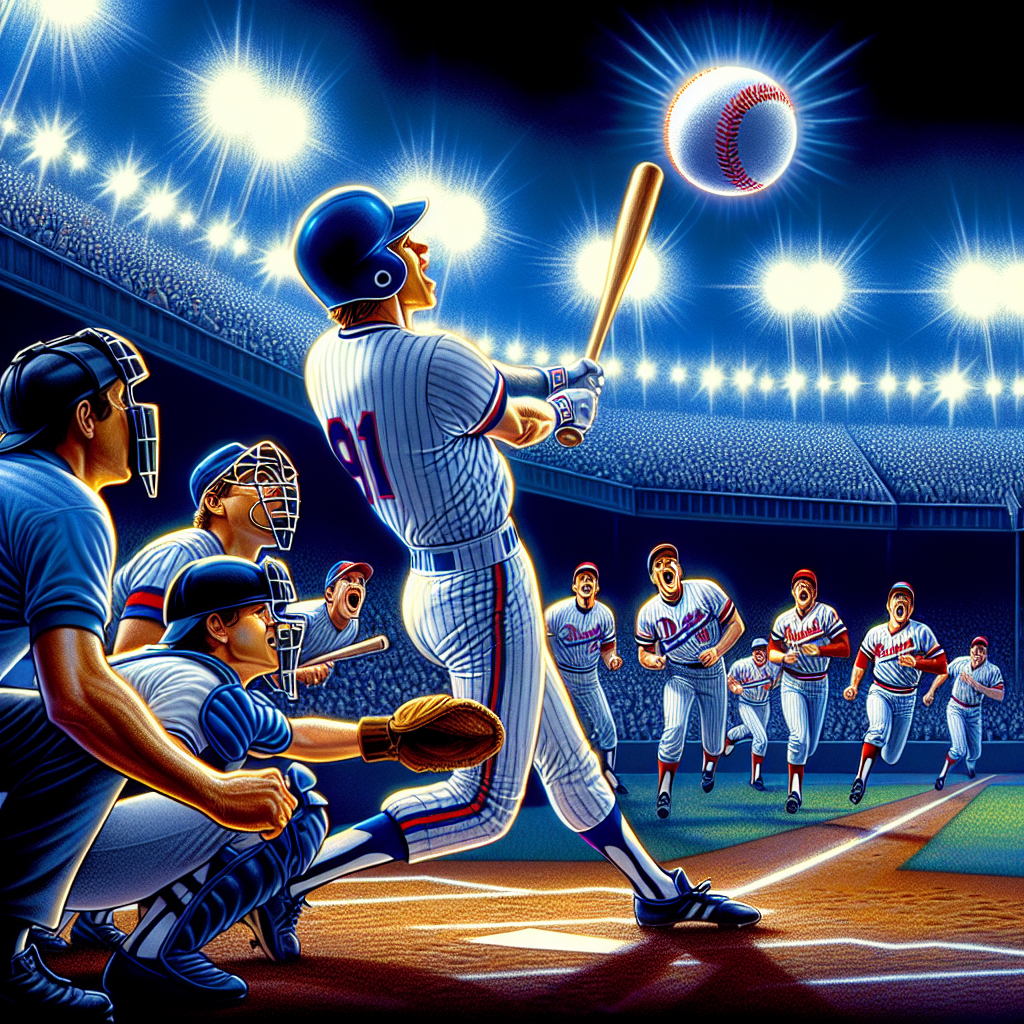
Kirk Gibson, who had been sidelined due to injuries in both legs, made an unexpected appearance. Limping to the plate as a pinch hitter, Gibson faced the fearsome Dennis Eckersley. What followed was a testament to Gibson’s indomitable spirit. Battling through the pain, he fought off several pitches until he launched a two-run home run into the right-field stands. The stadium erupted as Gibson rounded the bases, pumping his fists in triumph. The Dodgers won the game 5-4, with Gibson’s homer setting the tone for the rest of the series.
The image of Gibson’s walk-off home run remains one of the most iconic moments in baseball history, symbolizing the resilience and determination that defined the 1988 Dodgers. It was a moment that encapsulated the magic of baseball, where the improbable becomes possible.
The Rest of the World Series
Following their dramatic Game 1 victory, the Dodgers carried the momentum through the rest of the World Series. The team’s pitching staff, led by Orel Hershiser, continued to stymie the potent Athletics lineup. Hershiser delivered a series of masterful performances, culminating in a complete game shutout in Game 2, giving the Dodgers a 2-0 series lead.
The Dodgers’ defense was equally impressive, with players making clutch plays to thwart the Athletics’ offensive efforts. The team’s unity and cohesion were on full display as they executed their game plan to perfection. Each player contributed, ensuring that the pressure remained on the Athletics.
Games 3 and 4 saw the Dodgers extend their dominance, with timely hitting and effective bullpen management by Lasorda. The Athletics struggled to find answers, as the Dodgers’ relentless approach left them floundering. The Dodgers were now poised for a potential sweep, with Orel Hershiser slated to start Game 5.
In Game 5, Hershiser once again showcased his brilliance, pitching a complete game and leading the Dodgers to a 5-2 victory and securing the championship. His stellar performance earned him the World Series MVP award, capping off a season where he was undoubtedly the Dodgers’ most valuable player. The 1988 World Series victory was the franchise’s sixth and solidified the team’s place in baseball lore.
Key Players and Their Contributions
While Kirk Gibson’s iconic home run and Orel Hershiser’s pitching masterclass were the highlights, the 1988 Dodgers’ success was a collective effort, with several players making significant contributions throughout the season and postseason.
Mike Scioscia, the team’s catcher, was instrumental both behind the plate and with crucial hits. His management of the pitching staff played a critical role in the Dodgers’ defensive schemes. Steve Sax provided consistent offensive production and stellar defense at second base, while Alfredo Griffin and Franklin Stubbs added depth to the lineup.
The contributions of the bullpen cannot be overlooked, with pitchers like Jay Howell and Brian Holton delivering key innings. Howell, in particular, provided stability in the closing role, while Holton excelled as a middle reliever, shutting down opposing bats when it mattered most.
Manager Tommy Lasorda’s strategic acumen was another crucial element of the Dodgers’ success. His ability to juggle the lineup and make timely decisions was pivotal throughout the season, particularly in the high-stakes environment of the playoffs. Lasorda’s motivational speeches and unwavering belief in his team kept the players focused and united, providing the leadership necessary to overcome the odds.
Manager Tommy Lasorda: The Maestro
No discussion of the 1988 Los Angeles Dodgers would be complete without highlighting the role of their legendary manager, Tommy Lasorda. Known for his larger-than-life personality and passion for the game, Lasorda was the driving force behind the team’s triumph. His unyielding confidence and motivational prowess inspired his players to perform beyond their perceived limitations.
Lasorda’s tactical genius was evident throughout the season. He demonstrated an uncanny ability to manage his pitching staff, making astute decisions that often caught opponents off-guard. His setup of the rotation for the World Series, especially deploying Orel Hershiser in crucial games, showcased his strategic brilliance.
Beyond his technical skills, Lasorda’s emotional intelligence was key to uniting a diverse group of players. He fostered a sense of family within the team, emphasizing the importance of camaraderie and collective effort. This unity was crucial in overcoming injuries and other adversities the Dodgers faced during the season.
Lasorda’s fiery demeanor and unwavering belief were infectious. His speeches before games and his animated presence on the sidelines provided the emotional fuel that kept the team driven. His legacy extends beyond just the 1988 season; Lasorda is celebrated as one of the most influential managers in the history of baseball, leaving an indelible mark on the Dodgers franchise.
Conclusion
The 1988 Los Angeles Dodgers are etched in baseball history not merely for their World Series victory, but for their embodiment of resilience, determination, and the magic of the sport. Their journey from the uncertainties of the regular season to the pinnacle of baseball glory is a story that continues to inspire fans and players alike.
Kirk Gibson’s legendary home run in Game 1 of the World Series is perhaps the most enduring image of that season. It encapsulates the spirit of the Dodgers—fighting through adversity to achieve the extraordinary. Orel Hershiser’s record-setting performances and the collective efforts of the team’s roster underscore the importance of unity and depth in achieving success.
Under Tommy Lasorda’s charismatic and visionary leadership, the Dodgers navigated the challenges of the season with strategic precision and emotional fortitude. Lasorda’s legacy as one of baseball’s greatest managers is intertwined with the team’s success, his influence continuing to be felt within the sport.
As we look back on the 1988 Dodgers, it’s clear that their story is more than just a championship run. It’s a testament to what can be achieved when talent, heart, and strategy converge. In celebrating their achievements, we are reminded of the timeless allure of baseball and the enduring human spirit that drives it. The 1988 Dodgers may have lifted the trophy decades ago, but the legacy of Gibson’s homer and their remarkable season will continue to inspire future generations of baseball enthusiasts.