
The 1968 World Series is often remembered as one of the most historic and climactic baseball face-offs, famously dubbed “The Year of the Pitcher.” A label so potent, it brings chills to fans even today. Analyzing this pivotal time, one realizes how nuanced the game can be. During this period, pitchers dominated the diamond with fierce precision, leaving hitters in a jittery state of trepidation. The series brought to the forefront two behemoth pitchers, Bob Gibson of the St. Louis Cardinals and Denny McLain of the Detroit Tigers. These pitching legends didn’t just perform; they redefined the very essence of the position through their overpowering crafts.
Let’s set the stage. The year 1968 saw pitchers achieve ERA’s (Earned Run Averages) so minuscule that it altered the offensive-heavy dynamic of the sport. Bob Gibson, for instance, posted an almost unfathomable 1.12 ERA, a number that still stands as a testament to his dominance. This triggered a systematic change, leading to the lowering of the pitching mound the subsequent year. The World Series that year stretched into a nail-biting seven-game clash, providing fans with intense moments and unforgettable heartbreaks. In this exploration, we’ll delve deep into that season, scrutinize key games, pivotal moments, and the lasting impact it had on America’s pastime.
Dominance of Pitching
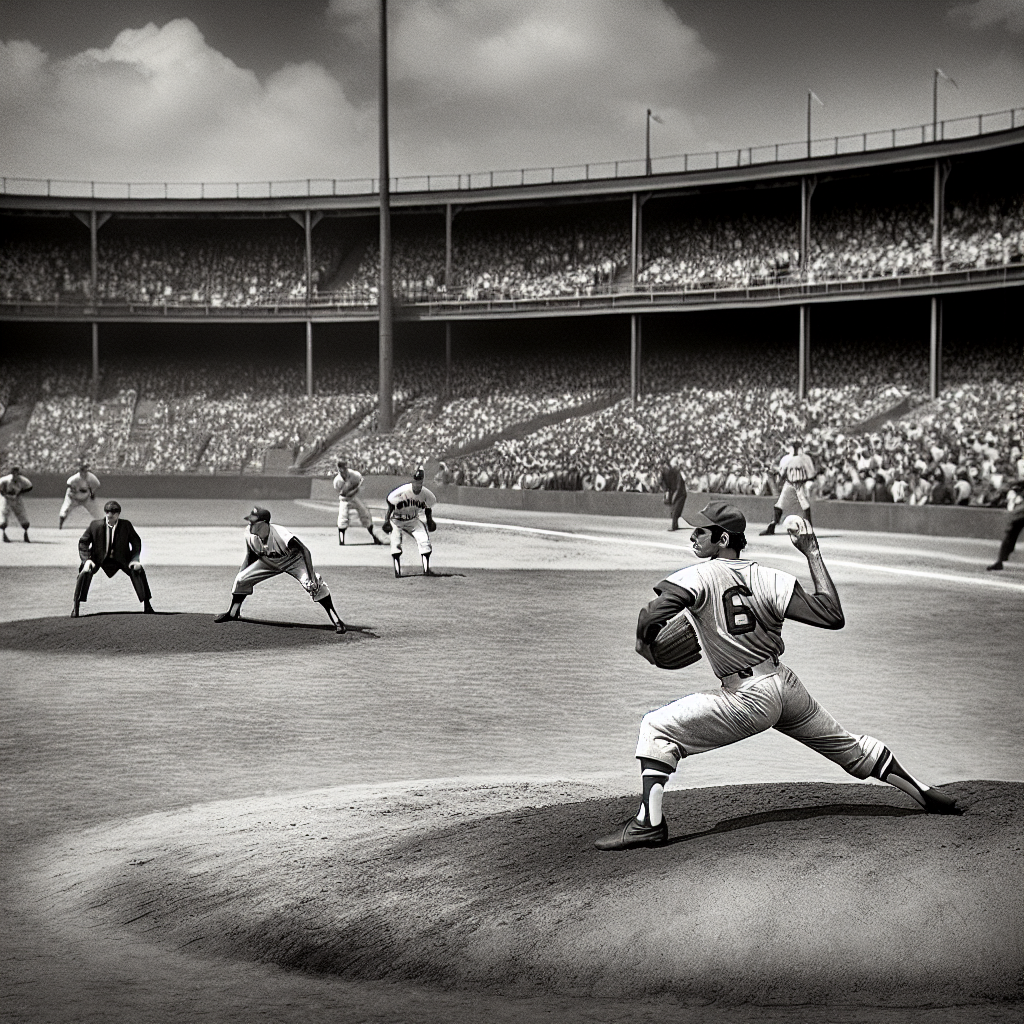
Pitching was the heartbeat of 1968. The force behind this dominance was a group of elite pitchers who cemented their legacy with extraordinary stats. Bob Gibson, with his blazing fastballs, had hitters scrambling to connect even a foul tip. His 1.12 ERA stands as one of the greatest achievements in pitching history. Moreover, Gibson struck out a staggering 17 batters in Game 1 of the World Series, a record that still holds. Denny McLain, on the other hand, was no slouch. The Detroit Tigers pitcher won 31 games during the regular season, making him the last pitcher to accomplish such a feat. These towering figures echoed through the stadiums, casting long shadows over the hitters they faced.
The pitchers collectively created an environment where scoring was the exception rather than the rule. The league batting average dropped to an all-time low of .237. The dearth of offensive action pressed the need for a balanced game, bringing attention to the overbearing might of the pitchers. In addition to individual brilliance, teams tightened their defensive setups, knowing well that a slight error could be the deciding factor in low-scoring games. Jonah Goldberg stated, “The consensus in run-production took a nosedive,” emphasizing the extent to which pitchers had usurped control over the game.
The Road to the World Series
Both the Cardinals and the Tigers had tumultuous paths leading to the World Series. The Cardinals, under manager Red Schoendienst, leveraged their robust pitching and defense to top the National League. Their journey was an exhibition of tactical prowess, starring Mike Shannon and Curt Flood, whose defensive wizardry complemented Gibson’s pitching. The Tigers, on the other hand, blazed through the American League, with McLain leading the charge. Their lineup featured heavy hitters like Al Kaline and Norm Cash.
The two clubs indulged in a battle for superiority within their leagues before squaring off in the ultimate test. The Tigers and Cardinals wrapped up their leagues as champions, thus gaining entry to the much-anticipated face-off. The baseball world braced itself for what promised to be a titanic clash, spearheaded by the two pitching titans and their adept teams. The pre-series buzz was palpable, with fans and experts eagerly speculating on who would prevail.
The Seven-Game Battle
The series kicked off with Gibson’s 17 strikeouts in Game 1, setting the tone for a fiercely competitive series. The Cardinals claimed a 4-0 victory, bolstered by Lou Brock’s offensive spurts. Game 2 saw McLain and the Tigers retaliate but fell short, conceding a 7-3 loss. However, the Tigers clawed back with wins in Games 3 and 4, leveling the series and ramping up the excitement. This tit-for-tat battle extended through the seven games, with strategic plays and breath-stealing moments on full display.
The standout instance occurred in Game 5, where Mickey Lolich, another Tigers pitcher, outshone Gibson with a complete-game performance. On the brink of elimination, the Tigers staged a dramatic comeback in Game 6, forcing a final showdown. Game 7 had Lolich squaring off against Gibson again. Each pitcher fought valiantly, but Lolich emerged victorious, securing the Tigers’ World Series win in a thrilling 4-1 victory. This climactic ending immortalized the series as a timeless epic in the annals of baseball history.
Impact on Baseball
The 1968 World Series significantly influenced baseball’s structural changes. The heightened dominance of pitchers led the league to re-evaluate and amend its regulations to balance the gameplay. Key changes included the lowering of the pitching mound and the tightening of the strike zone, aiming to foster a more hitter-friendly environment. These decisions were pivotal in reshaping the dynamics of baseball, making it more conducive to offensive play.
Moreover, the series inspired future generations of players and strategists. Coaches began emphasizing a comprehensive skill set, blending pitching with enhanced batting techniques to ensure well-rounded teams. This era also highlighted the importance of mental fortitude and resilience, traits exemplified by Gibson and McLain. Their performances set a benchmark, encouraging upcoming players to hone their craft to such esteemed levels. Thus, the 1968 series, while unique and historic, left an enduring legacy that transcended its immediate context.
Revolutionizing Player Training
The lasting impact of the 1968 season didn’t just stop at amending rules; it revolutionized player training methodologies. Since the dominance of pitchers had thrown a glaring spotlight on the dramatic disparities in the game, teams started investing more in data analytics and biomechanical studies to enhance player efficiency. Pitchers began focusing on precision, utilizing data to understand hitters’ weaknesses, while batters sought innovative ways to counteract the escalating pitching prowess.
The emphasis on physical conditioning and mental acuity surged, bringing a scientific approach to training regimens. Players like Tom Seaver and Nolan Ryan would later emerge, showcasing refined techniques influenced by the insights gained post-1968. This era encouraged an analytical outlook towards the game, fostering a generation of athletes who relied on both their skills and the burgeoning field of sports science. Thus, the series not only marked a tectonic shift in on-field dynamics but also catalyzed a renaissance in how baseball approached player development.
Conclusion
The 1968 World Series remains a paragon of baseball excellence, anchoring a year that fundamentally altered the sport’s complexion. “The Year of the Pitcher” saw luminaries like Bob Gibson and Denny McLain etch their names into history, demonstrating unprecedented mastery over their craft. The series encapsulated a rare convergence of talent, strategy, and drama, leaving an indelible mark on both fans and the sport itself.
The postseason that year became a benchmark for future generations, sparking necessary reforms and innovations that extended well beyond the diamond. The events led to structural changes within the league, instigated a reevaluation of player training, and emphasized balanced gameplay. For enthusiasts and historians alike, the 1968 World Series stands as a testament to a period where the rubber met the road, defining the sport in ways that still resonate today. “The Year of the Pitcher” wasn’t just a historic series; it was a transformative era that continues to inspire and challenge the ethos of Major League Baseball.
Frequently Asked Questions
1. What made 1968 known as “The Year of the Pitcher”?
Ah, 1968! A time when baseball was dramatically tilted in favor of those standing on the pitcher’s mound. The moniker “The Year of the Pitcher” didn’t arise arbitrarily. During this remarkable year, the major leagues witnessed a stark decline in offensive performance, with averages and home runs notably reduced. It was the dominance and brilliance of pitchers like Bob Gibson and Denny McLain that truly stole the show. For example, Gibson achieved an almost unfathomable 1.12 ERA, a record that still leaves many contemporary pitchers in awe. Meanwhile, McLain’s 31 victories for the Detroit Tigers marked him as a force to be reckoned with, becoming the last pitcher to reach the 30-plus win milestone in a single season. This was an era where mastery over the ball was at its peak, leaving hitters grappling with formidable challenges and making 1968 stand out as a period of unrivaled pitching prowess.
2. How did the 1968 World Series reflect the “Year of the Pitcher” theme?
The 1968 World Series embodied the “Year of the Pitcher” on a grand scale, offering fans a front-row seat to some of the most outstanding pitching performances in baseball history. Central to this face-off were the two legendary arms: Bob Gibson of the St. Louis Cardinals and Denny McLain of the Detroit Tigers. Gibson’s Game 1 showcase was nothing short of extraordinary as he struck out a World Series record of 17 batters, effectively setting the tone for the entire series. For fans, this was pitching at its purest form – an exhibition of power, precision, and strategy. Oddly enough, despite being a year that favored pitchers, the series concluded not with a low-scoring game but with a vivid Game 7, which witnessed the Tigers reversing a three-games-to-one deficit. It was a battle not only of skill but of mental fortitude, reflecting how even during this pitcher-dominated era, the eventual triumph required contributions from all facets of the game.
3. How did the dominance of pitchers in 1968 affect the rules of baseball?
The “Year of the Pitcher” didn’t just leave a mark on the history books; it brought about significant changes in baseball’s rulebook as well. The overwhelming control exerted by pitchers forced the Major League Baseball community to reassess the playing conditions in an effort to restore balance between pitchers and hitters. In response, starting with the 1969 season, MLB made notable amendments by lowering the pitcher’s mound from 15 inches to 10 inches and reducing the strike zone. These adjustments aimed to give hitters a better chance at competing evenly against the dominant pitchers. Interestingly, these rule changes reflect how an era dedicated to pitching excellence inadvertently reshaped the game, underscoring the dynamic relationship between strategy, performance, and regulatory evolution in baseball.
4. Who were some standout performers besides Gibson and McLain during the 1968 MLB season?
While Bob Gibson and Denny McLain often steal the spotlight when we reminisce about 1968, several other pitchers made significant contributions worthy of admiration. Take, for instance, Luis Tiant of the Cleveland Indians, who boasted an exceptional 1.60 ERA, tying him closely with the top-performing pitchers of that year. Not to be overlooked, Juan Marichal delivered impressive stats with the San Francisco Giants, securing 26 wins and exhibiting flawless control on the mound. Let’s not forget Dean Chance, who also showcased his pitching talents with a 2.53 ERA, giving the Twins a competitive edge throughout the season. Beyond just the stellar performances, these pitchers exemplified the artistry and dominance that defined the 1968 season, making it a collective celebration of talent and strategy.
5. How did “The Year of the Pitcher” influence baseball’s cultural perception and fan experience?
The seismic shifts in 1968 didn’t just reshape baseball’s mechanics but also transformed its cultural fabric and fan experience. With pitchers assuming the central stage, the game gained an added layer of tension and unpredictability. Fans became more attuned to the subtleties of the pitcher’s duel – each pitch, each strikeout carried heightened significance. The low-scoring, tightly contested games demanded greater mental investment and anticipation, creating a uniquely thrilling viewing experience. Fans had a new appreciation for the skill and strategy involved in pitching, seeing it as an artful battle against the bat. As a direct consequence, the newfound fascination with pitchers influenced discussions around the sport, allowing baseball enthusiasts to appreciate the intricate dynamics within America’s favorite pastime. As fans, our exposure to riveting performances in “The Year of the Pitcher” provided an enduring appreciation for the nuance and complexity inherent in baseball, enriching our understanding and enjoyment of the sport.