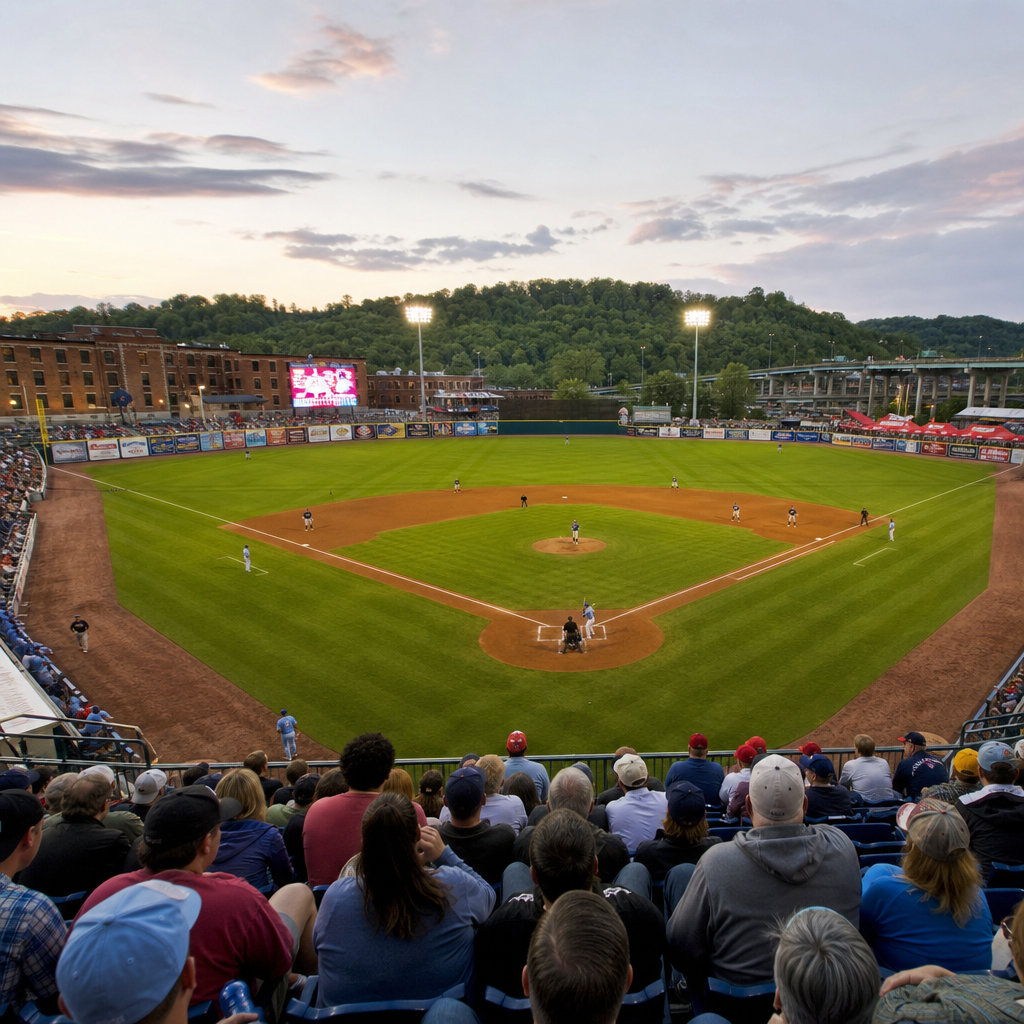
Small fields and modest grandstands often create the most memorable baseball experiences, which is why minor league parks hold such a distinctive place in American sports culture. A minor league park is more than a scaled-down stadium for player development; it is a community gathering space, a local landmark, and a practical laboratory where baseball traditions meet experimentation. In the broader world of minor leagues and college baseball, these parks sit at the center of the miscellaneous stories fans love most: food traditions, architecture, promotions, family rituals, travel habits, affordability, and the intimate connection between players and spectators. I have spent years visiting parks across different levels, from older brick ballparks tucked into downtown grids to newer suburban venues built beside mixed-use districts, and the pattern is consistent. The smaller the setting, the easier it becomes to feel baseball as a lived civic experience rather than a distant media product.
That charm matters because minor league parks answer several needs at once. They provide accessible entertainment at a fraction of major league pricing, give developing players a stage to refine their skills, and help cities signal identity through design and programming. They also preserve the sport’s regional texture. In one town, the mascot, scoreboard graphics, and concession menu lean into local agriculture. In another, the park honors a textile mill history, a rail corridor, or a college baseball tradition. For fans searching for a guide to the charm of minor league parks, the core idea is simple: these venues turn baseball into a close-up experience. You can hear infield chatter, smell the grill from the concourse, and watch a pitcher’s between-inning routine from a seat that would cost many times more elsewhere. That combination of intimacy, affordability, and local storytelling explains why small fields continue to inspire big dreams.
Why minor league parks feel different from major stadiums
The biggest difference is proximity. In a minor league park, even average seats usually keep fans close enough to read body language, recognize pitch sequences, and notice coaching details that disappear in larger venues. Architects and operators understand this advantage, so many modern parks are built with tighter seating bowls, lower sightline angles, and open concourses that preserve views of the field while fans move around. The result is a more continuous relationship with the game. Instead of leaving the action behind when you walk for food, you stay connected to it. That matters for families, casual fans, scouts, and serious baseball followers alike.
There is also a cultural difference. Major league parks often balance baseball with corporate hospitality, premium inventory, and large-scale event logistics. Minor league parks still need sponsorship revenue, but the experience is usually designed around repeat local attendance. Teams know many fans will come not once a year, but ten or fifteen times a summer. That changes programming. Promotions become more playful, ushers more conversational, and entertainment more community-specific. Between innings, you might see youth teams on the warning track, local nonprofits recognized on the videoboard, or a regional food challenge that would make no sense in a nationalized setting. The park becomes a reflection of the town rather than a generic template.
Design, scale, and the architecture of intimacy
Good minor league park design begins with scale. A venue with 4,000 to 10,000 seats can create energy without requiring constant sellout pressure, and smart layouts use berm seating, party decks, picnic areas, and standing-room rails to diversify how people watch a game. Some of the most successful parks take cues from the retro-classic movement popularized after Camden Yards, using brick facades, steel trusses, asymmetrical outfields, and downtown integration to create authenticity. Others lean modern, with broad social terraces and kid zones, yet still preserve baseball-first sightlines. The best parks do not chase luxury for its own sake. They emphasize visibility, circulation, shade, and local character.
Older parks contribute a different kind of appeal. Historic venues can have quirks that would challenge a purely commercial operator: narrow concourses, unconventional support columns, compact clubhouses, or limited back-of-house space. Yet those same constraints often create atmosphere. A hand-operated scoreboard, a neighborhood street running just beyond the outfield wall, or seating sections that place fans nearly on top of the dugout can transform a routine Tuesday game into something unforgettable. When upgrades are handled well, teams preserve the historical shell while improving lighting, accessibility, netting, drainage, and player facilities. That balance is difficult, but it is often where the deepest charm lives.
What fans actually value at minor league parks
In my experience, fans rarely describe their favorite park only by wins and losses. They talk about comfort, price, convenience, and memorable details. A good parking setup matters. So do short entry lines, clean restrooms, and concession menus that move beyond standard hot dogs without abandoning them. Teams that understand this treat hospitality as part of baseball, not separate from it. A family may remember a postgame fireworks show, but they are just as likely to remember that the ushers helped them find stroller access, that a child got a foul ball, or that the local ice cream stand on the concourse felt specific to the town.
These preferences are practical, not sentimental. According to Team Marketing Report fan cost comparisons over the years, lower-level baseball remains one of the most affordable live sports options in the United States, especially for families buying multiple tickets and concessions. That affordability gives parks room to become habitual destinations. The emotional attachment forms through repetition: opening night, school fundraisers, summer camps, bobblehead giveaways, Thursday dollar specials, Sunday autograph sessions. Each touchpoint deepens the park’s role as a community routine.
| Feature | Why it matters | Common minor league advantage |
|---|---|---|
| Seat proximity | Fans can hear and see game details clearly | Lower bowls place most seats close to the field |
| Ticket pricing | Makes repeat attendance realistic for families | Entry costs are usually far below major league games |
| Local food and branding | Creates a sense of place | Concessions and team identity often reflect regional culture |
| Player access | Builds personal connection with athletes | Autographs and pregame interaction are more common |
| Promotions | Adds entertainment value beyond the score | Creative theme nights drive community participation |
Food, promotions, and the art of local identity
One reason minor league parks stand out is that they are free to be eccentric. A major league club can run a themed night, but a minor league team can build an entire identity around regional humor, local industry, or a beloved food product. That freedom shows up in alternate team names, concession branding, and mascots that would never survive in a boardroom focused on global licensing. Fans respond because the experience feels earned and local. The Rocket City Trash Pandas, Montgomery Biscuits, and Jacksonville Jumbo Shrimp all demonstrate how memorable naming and branding can turn a park visit into a cultural event before the first pitch is thrown.
Food follows the same logic. The strongest operators avoid generic menus and instead partner with regional vendors or spotlight dishes associated with the area. In the Carolinas, barbecue can anchor a menu. In the Midwest, bratwurst and craft beer are common fits. Near the Chesapeake, crab-inspired items make sense when executed well. The goal is not novelty for novelty’s sake. It is coherence. When the visual identity, soundtrack, announcements, and menu all align with local culture, the park becomes a civic showcase. Promotions work best under the same principle. Fireworks remain effective, but so do heritage nights, youth sports tie-ins, college appreciation events, and charitable campaigns connected to the communities that fill the seats.
The role of player development and why it enhances the experience
Minor league parks are charming partly because the baseball itself carries real developmental stakes. Fans are not watching a side show; they are watching prospects trying to sharpen swing decisions, improve pitch shapes, increase chase rates, and earn promotions. That makes the game more layered than many first-time visitors expect. In affiliated baseball, every inning can reveal an organization’s teaching priorities. You can spot catchers setting targets for specific shapes, infielders rehearsing pre-pitch positioning tied to analytical reports, and hitters adjusting to velocity or sequencing over the course of a series.
Because the environment is smaller, those details become legible. I have watched fans at Double-A parks discuss a reliever’s arm slot change, then line up after the game for an autograph from the same pitcher. That overlap between performance analysis and personal access is rare in professional sports. It is especially meaningful for younger fans, who can follow a player’s path from a local stop to the majors. When that player eventually appears on national broadcasts, the memory of having seen him up close gives the park lasting significance. In practical terms, minor league venues function as both entertainment sites and educational spaces for understanding how modern baseball development works.
College baseball connections and regional baseball ecosystems
As a hub within the minor leagues and college baseball landscape, this topic also includes the way parks intersect with college programs, summer leagues, and regional baseball ecosystems. Many communities support both a minor league club and nearby college teams, and the audiences overlap more than outsiders assume. Fans who enjoy SEC, ACC, Big 12, Sun Belt, or strong mid-major baseball often appreciate minor league parks for similar reasons: closer sightlines, tactical visibility, and the chance to watch players before they become broader names. In some markets, a minor league park even hosts college games, preseason exhibitions, conference tournaments, or wood-bat summer league events, expanding its value beyond one tenant.
That cross-pollination matters because it keeps baseball visible across the calendar. A family might attend spring college games, summer minor league dates, and fall showcases or community events at the same venue. The park then becomes part of a year-round baseball habit. It also creates useful pathways for readers exploring related topics in this sub-pillar hub, including ballpark travel, team branding, prospect watching, summer collegiate leagues, game-day food, and historic stadium preservation. “Miscellaneous” sounds broad, but in practice it means understanding how all these threads connect through the physical place where fans gather.
Economics, civic value, and the limits of nostalgia
The romance of minor league parks should not obscure the economics. These venues require public-private coordination, ongoing maintenance, and realistic expectations about return on investment. New or renovated stadiums can support downtown activity, create event space, and strengthen a city’s image, but they are not automatic engines of development. The most successful projects usually pair the ballpark with walkable districts, transit access where possible, programmed non-baseball events, and clear long-term operating plans. Operators who budget carefully for staffing, field maintenance, capital repairs, and fan amenities tend to outperform those who rely on sentiment alone.
There are also structural changes to acknowledge. Major League Baseball’s 2020 reorganization of the player development system reduced affiliated teams and raised facility standards for many markets. That improved some player environments but also increased pressure on communities with older parks or uncertain affiliations. For fans, the lesson is straightforward: charm survives best when it is supported by competent management, safe facilities, and adaptive planning. Nostalgia is powerful, but it cannot replace accessible seating, modern locker rooms, reliable lighting, or quality turf and drainage systems. A beloved ballpark remains beloved only if people can comfortably and safely use it.
How to explore minor league parks like a seasoned fan
If you want to appreciate the charm of minor league parks fully, arrive early and treat the venue as more than a backdrop. Walk the full concourse before first pitch. Note how the park frames the skyline, rail line, riverfront, or neighborhood around it. Check the team store for alternate identities and local references. Ask ushers or longtime fans which concession item is uniquely tied to that park. Watch batting practice if access allows, because it reveals spacing, sound, and player routines in a way the game itself sometimes cannot. If there is a berm, standing rail, or outfield deck, spend an inning there to understand how the park serves different audiences.
It also helps to compare parks across levels and regions. A Low-A park in a small market may prioritize family zones and affordability. A Triple-A venue might feel closer to a major league operation, with larger club spaces and more advanced production elements. Independent league and collegiate summer parks can offer yet another variation, often leaning harder into local experimentation. The through line is not luxury. It is texture. The best park visits leave you able to describe what made that place different from every other baseball stop.
Minor league parks endure because they make baseball personal, legible, and local in ways larger venues often cannot. Their charm comes from intimacy, creative identity, developmental stakes, and the practical reality that a night at the ballpark can still be affordable and welcoming. As this hub for miscellaneous topics within minor leagues and college baseball shows, the park is where everything connects: architecture, food, prospects, families, civic pride, travel, and tradition. Visit a few with intention, pay attention to the details, and you will understand why small fields continue to hold such big dreams for so many fans.
Frequently Asked Questions
What makes minor league parks so memorable compared with larger major league stadiums?
Minor league parks stand out because they offer a kind of baseball experience that feels immediate, personal, and deeply rooted in place. In a smaller venue, fans are physically closer to the action, which changes everything from the sound of a fastball hitting the catcher’s mitt to the ability to hear players, coaches, and even in-game banter from the dugout. That closeness creates a level of intimacy that is difficult to replicate in a massive major league setting, where scale and spectacle often take center stage. At a minor league park, the game feels less like a distant production and more like a shared local event.
Another reason these parks become so memorable is their strong connection to the surrounding community. Many minor league ballparks are woven into the identity of a town or neighborhood, serving as gathering spaces for families, school groups, local businesses, and longtime residents. The food, between-inning entertainment, mascot traditions, and promotional nights often reflect local culture in a way that feels genuine rather than heavily corporate. Fans are not just attending a game; they are participating in a ritual that belongs to their city.
There is also an emotional appeal in the sense of possibility that surrounds minor league baseball. Fans know they may be watching future stars before they become household names, but they are also witnessing players in a stage of growth, ambition, and uncertainty. That combination of accessibility, authenticity, and anticipation gives minor league parks a distinctive charm. Even when the grandstands are modest and the field dimensions are compact, the memories made there often feel bigger than the venue itself.
Why are minor league parks considered important community landmarks?
Minor league parks often become community landmarks because they function as much more than sports venues. In many towns and small cities, the ballpark is one of the few places where people from different backgrounds regularly gather for a common purpose. Families come for affordable entertainment, local groups host outings, schools organize special nights, and civic organizations use the space for events that go beyond baseball. Over time, the park becomes a familiar, dependable part of local life, much like a town square, fairground, or historic theater.
These ballparks also help preserve and express local identity. Their architecture, signage, traditions, and even concession menus often reflect regional character, tying the venue to the history and personality of the area. Some parks are built near downtown districts and contribute to revitalization by drawing visitors to nearby restaurants, shops, and hotels. Others sit in neighborhoods where generations of residents have attended games, creating a sense of continuity and pride. When a minor league park succeeds, it becomes a place people reference not just for baseball, but for memories of summer evenings, community celebrations, and shared hometown experiences.
Importantly, minor league parks are accessible in a way that strengthens their role as landmarks. Ticket prices are usually lower, parking is often easier, and the overall atmosphere tends to be more relaxed and welcoming. That accessibility helps the ballpark become a place where baseball traditions are introduced to new fans and passed from one generation to the next. In that sense, the park is not simply a backdrop for player development; it is a durable civic space that reflects the values, habits, and aspirations of the community around it.
How do minor league parks balance baseball tradition with experimentation?
Minor league parks are uniquely positioned to honor baseball tradition while also serving as practical spaces for innovation. On one hand, these venues preserve many of the classic pleasures that define the sport: natural grass, hand-operated or old-style scoreboards, close-knit seating bowls, pregame routines, and the timeless rhythm of a summer night at the ballpark. Fans still come for familiar rituals such as keeping score, eating a hot dog in the stands, catching foul balls, and watching the game unfold at a human pace. That traditional backbone gives minor league baseball much of its sentimental and cultural appeal.
At the same time, minor league parks are where the sport often tests new ideas before they become more widely accepted. Because the stakes are different from the major leagues and the environment is generally more flexible, these ballparks can introduce rule changes, pace-of-play adjustments, fan-engagement features, and creative promotions with less resistance. They can also experiment with seating concepts, social spaces, family areas, and themed entertainment that make the venue more interactive and community-focused. In many ways, the minor league setting acts as a working laboratory for how baseball can evolve without losing its identity.
This balance is part of what makes these parks so fascinating. They are neither frozen in nostalgia nor entirely driven by novelty. Instead, they show how a sport with deep historical roots can adapt to changing expectations while preserving the emotional qualities fans cherish most. The result is a baseball environment that feels both familiar and fresh, where tradition remains visible even as the game and its presentation continue to develop.
What role do minor league parks play in player development and the fan experience?
Minor league parks serve a dual purpose that is central to their appeal: they are workplaces for developing athletes and welcoming spaces for fans. From the player development side, these ballparks are where prospects refine skills, adjust to professional routines, and learn how to perform under public attention. The facilities may be smaller than those in the major leagues, but they are incredibly important in shaping players’ daily habits, resilience, and readiness for higher levels of competition. Every bullpen session, defensive rep, and game situation unfolds in an environment designed to bridge the gap between raw talent and polished professional performance.
For fans, that developmental context makes the experience especially compelling. Watching baseball in a minor league park means seeing players at a formative stage, before their careers are fully defined. There is a special kind of investment that comes from following a young shortstop learning consistency, a hard-throwing pitcher developing command, or a recent draft pick adjusting to the speed of the professional game. Fans become witnesses to growth, not just consumers of finished excellence, and that creates a more personal connection to the players and the sport itself.
The design and atmosphere of minor league parks also enhance the fan experience in practical ways. Sightlines are often excellent, the pace around the concourses is manageable, and interactions with players or mascots feel more frequent and authentic. Many ballparks intentionally emphasize family-friendly entertainment, affordability, and local personality, which makes attending games easier and more enjoyable for a broad audience. In that sense, the park does not merely host baseball development behind the scenes; it turns that process into a living, engaging public experience that fans can share in up close.
Why do small fields and modest grandstands often create the strongest baseball memories?
Small fields and modest grandstands tend to produce powerful memories because they strip the experience down to what matters most: the game, the people, and the setting. In a smaller ballpark, fans notice details that can get lost in larger venues—the smell of cut grass, the crack of the bat echoing clearly through the stands, the sunset beyond the outfield wall, and the easy conversations that happen between innings. The scale encourages presence. Instead of being overwhelmed by the size of the building or the nonstop production around it, fans can settle into the texture of the event itself.
These environments also foster a stronger sense of shared experience. When the crowd is smaller and the seating is tighter, reactions travel quickly. A big hit, a close play at the plate, or a late rally can energize the entire park in an instant. Children may get autographs along the rail, regulars may recognize ushers and concession workers, and first-time visitors often feel welcomed rather than anonymous. That intimacy helps transform a routine game into a personal memory tied to a specific place and moment.
There is a deeper cultural reason as well. Minor league parks represent an ideal many fans find appealing: baseball as a local, accessible, and unpretentious experience. They remind people that the sport does not need a giant stage to be meaningful. A modest grandstand full of invested fans can hold just as much emotion as a packed major league stadium, and sometimes more. That is why these smaller parks endure so strongly in memory. They capture baseball in a form that feels honest, communal, and close to everyday life, which is often exactly what makes the experience unforgettable.