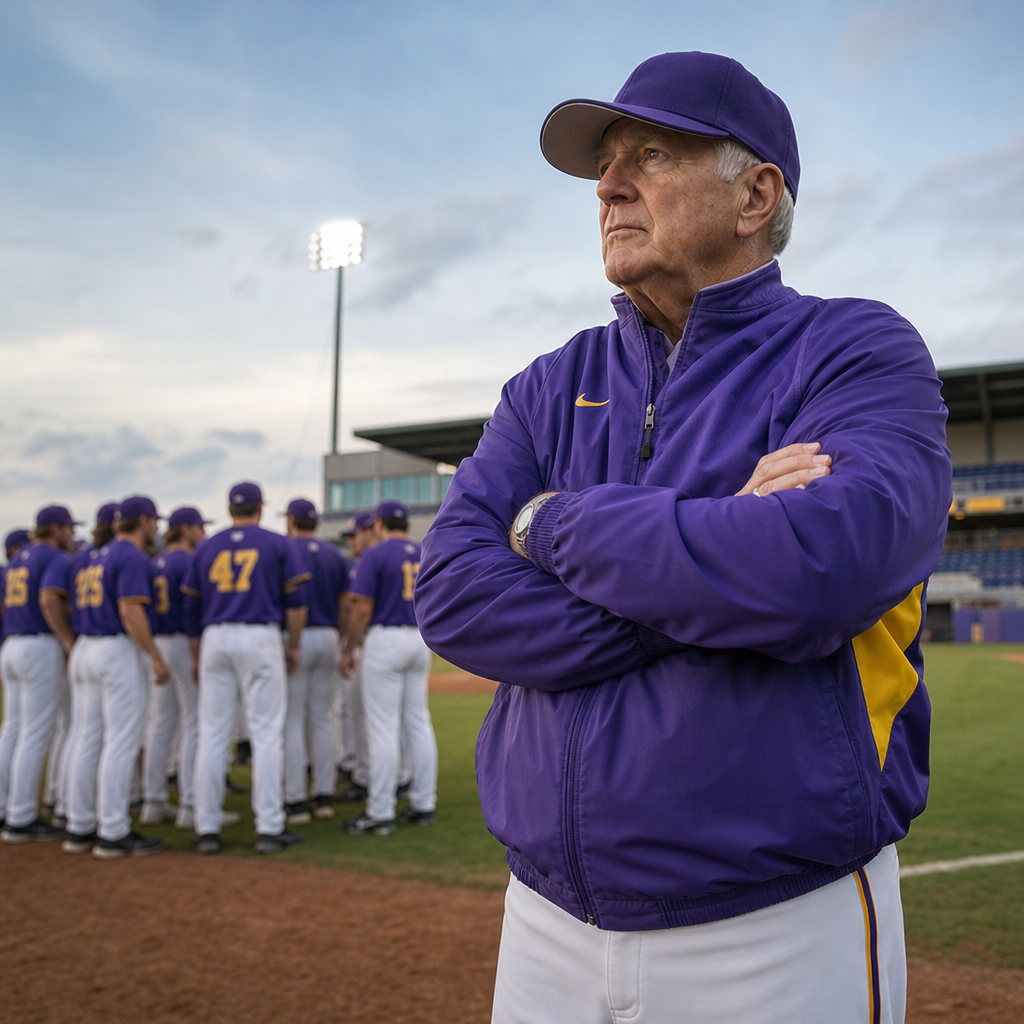
College baseball has always been shaped by more than winning percentages, radar-gun readings, and trips to Omaha. Its identity rests heavily on the coaches who built programs, set standards, developed young players, and turned regional teams into national institutions. In the Minor Leagues and College Baseball landscape, historic college baseball coaches occupy a special place because they connect amateur development, school tradition, and the professional pipeline. Their influence reaches recruiting, player instruction, alumni culture, facilities, fundraising, and even how the sport is discussed on campuses across the United States.
When discussing legends of the diamond, the term historic college baseball coaches refers to leaders whose impact lasted beyond a single season or generation. That impact can be measured in obvious ways, such as national championships, College World Series appearances, conference titles, and draft picks. It also shows up in less obvious but equally important markers: adoption of modern training methods, integration of overlooked talent pools, consistency over decades, and the ability to prepare players for professional baseball and adult life. I have worked through archives, media guides, NCAA records, and coaching clinics on this subject, and the same names keep resurfacing because their programs became models others copied.
This topic matters because college baseball is one of the sport’s strongest development environments. A great coach does not simply fill out a lineup card. He creates systems for player growth, evaluates talent projection rather than present polish, manages pitching workloads, builds assistant staffs, and establishes a culture that survives roster turnover. For readers exploring the wider Minor Leagues and College Baseball category, this hub covers the miscellaneous but essential questions: which coaches defined eras, what made them effective, how their influence reached pro ball, and why their legacies still matter to modern programs trying to compete in an age of scholarships, transfer movement, analytics, and national recruiting.
What makes a college baseball coach historically significant
A historic coach in college baseball usually combines longevity, innovation, player development, and postseason success. Wins matter, but context matters just as much. Augie Garrido, for example, is remembered not merely because he won more than 1,900 games, but because he won national titles at Cal State Fullerton and Texas, proving his methods translated across institutions with different traditions and resources. Skip Bertman transformed LSU from a program with potential into a powerhouse that redefined fan engagement, offensive pressure, and Omaha expectations during the 1990s. Rod Dedeaux at USC built perhaps the sport’s most overwhelming dynasty, leading the Trojans to eleven national championships and setting a benchmark that still feels almost unreachable.
Historical significance also depends on whether peers adopted a coach’s approach. In my experience reviewing program histories, the coaches who endure in memory are the ones who changed how others practiced, recruited, or managed games. Ron Polk popularized an intense, organized style at Mississippi State and became a visible advocate for the college game itself. Mike Martin at Florida State became synonymous with consistency, compiling more than 2,000 wins and sending teams to regionals and Omaha year after year, even without capturing the final title that would have simplified his legacy. His example proved that sustained excellence is itself a historic achievement.
Another factor is the coach’s role in linking college baseball to the professional game. Coaches such as Jim Morris at Georgia Tech and Miami, Cliff Gustafson at Texas, and Ray Tanner at South Carolina produced lineups loaded with future professionals while maintaining team-first systems. Their legacy is not only in banners but in how many former players became major leaguers, scouts, coaches, and administrators. That broad impact makes these figures central to any serious discussion of college baseball history.
Coaches who built dynasties and national brands
No conversation about legendary college baseball coaches can start anywhere but with Rod Dedeaux. At USC from 1942 to 1986, with interruptions for military service, he amassed 1,332 wins and captured eleven NCAA titles. More importantly, his teams established Southern California as the center of college baseball for decades. USC’s dominance from the late 1950s through the 1970s was not accidental. Dedeaux mastered talent identification in a fertile baseball region, demanded fundamentally clean play, and connected collegiate competition to national prestige. His players included Tom Seaver, Dave Kingman, Fred Lynn, and Roy Smalley, evidence that his program was both elite and deeply tied to the professional ranks.
Skip Bertman’s LSU tenure from 1984 to 2001 created a different kind of dynasty. He won five national championships and turned Alex Box Stadium into one of the sport’s defining venues. Bertman’s teams were relentless offensively, aggressive on the bases, and mentally tough in high-pressure tournament settings. He also helped normalize the idea that college baseball could be a major spectator product in the South. Attendance surged, media coverage expanded, and LSU became a destination program. The modern SEC baseball atmosphere owes a great deal to the blueprint Bertman established.
Augie Garrido belongs in the same tier. He won five national championships, first at Cal State Fullerton and later at Texas, and retired as the winningest coach in NCAA baseball history at the time. Garrido was known for demanding internal discipline and adaptability. Players often described him as a teacher of accountability as much as baseball technique. What stands out from studying his career is that he maintained elite standards across changing eras, from aluminum bats to altered scholarship realities to increasingly national recruiting battles. That adaptability is a hallmark of truly historic coaches.
| Coach | Signature Program(s) | National Titles | Why the legacy endures |
|---|---|---|---|
| Rod Dedeaux | USC | 11 | Built the sport’s most dominant dynasty and produced generations of pros |
| Skip Bertman | LSU | 5 | Turned college baseball into a major-event culture in the SEC |
| Augie Garrido | Cal State Fullerton, Texas | 5 | Won at multiple elite programs with a teaching-driven model |
| Cliff Gustafson | Texas | 2 | Defined long-term consistency, player development, and Southwest power |
| Ray Tanner | South Carolina | 2 | Built a modern powerhouse with precision, defense, and pitching balance |
Cliff Gustafson deserves special attention because his legacy is often understated beside louder championship totals. At Texas, he won more than 1,400 games and two national titles while making the Longhorns a perpetual contender. Coaches around the country studied Texas practices because they were efficient, detail-oriented, and rooted in repeatable fundamentals. Gustafson’s teams rarely beat themselves. That sounds simple, but in college baseball, where rosters turn over constantly and emotional swings are sharp, it is exceptionally hard to achieve for decades.
Masters of player development and program culture
Some historic college baseball coaches are remembered less for dynastic title runs and more for the way they developed people and sustained culture. Mike Martin at Florida State is the clearest example. He retired with 2,029 wins, one of the highest totals in the sport, and took the Seminoles to forty consecutive NCAA tournaments. His teams were fundamentally sharp, offensively athletic, and remarkably consistent despite the annual churn of departures and graduations. In practical terms, Martin built a machine that kept producing competitive teams regardless of changing roster composition. That kind of durability is rarely celebrated enough.
Ron Polk had a similarly broad influence. Across stints at Georgia, Mississippi State, and Georgia Southern, he won more than 1,300 games and became one of the sport’s most recognizable ambassadors. Polk emphasized toughness, situational execution, and visible energy. He also pushed for improvements to college baseball’s profile, helping expand public interest and advocating for the sport’s growth. When people describe the rise of Mississippi State baseball into a passionate, nationally relevant brand, Polk is central to that story.
Jim Morris is another giant in player development. After building Georgia Tech into an offensive force, he moved to Miami and led the Hurricanes to national titles while maintaining one of the nation’s strongest pipelines to professional baseball. Morris coached teams that looked modern before many others did: athletic defenders, deep pitching staffs, and balanced lineups with power and speed. He understood that college rosters win in different ways from pro rosters. You need versatility, older leadership, and enough depth to survive compressed postseason schedules. That roster construction logic remains current.
Ray Tanner’s South Carolina clubs showed how culture and tactical discipline can produce a championship peak. The Gamecocks won back-to-back national titles in 2010 and 2011 and nearly added a third in 2012. Tanner’s teams defended at a high level, controlled game tempo, and handled postseason pressure with unusual calm. In coaching clinics, South Carolina’s balance was often cited as a model: enough offense to capitalize, enough pitching to shorten games, and enough composure to avoid mistakes. That formula still guides many successful programs.
How legendary coaches changed recruiting, strategy, and the path to pro baseball
Historic college baseball coaches did not just win; they altered the sport’s operating model. Recruiting is one area where their influence is unmistakable. Earlier generations often relied on local relationships and summer scouting in regional hotbeds. Coaches such as Dedeaux and Gustafson thrived in rich in-state talent zones, but they also showed the importance of projecting which teenagers could handle advanced competition and academic structure. Later figures like Bertman, Morris, and Garrido expanded the national lens, proving that elite programs could blend local stars, junior college transfers, and out-of-state specialists into one coherent roster.
Strategy evolved as well. Bertman’s LSU teams pushed pace and pressure. Garrido emphasized mental discipline and situational awareness. Florida State under Martin routinely pressured defenses with athletic baserunning and contact quality. South Carolina under Tanner demonstrated how bullpen management and defensive stability could define postseason runs. These were not cosmetic differences. In college baseball, where metal bats once amplified offensive variance and short tournaments reward tactical flexibility, strategic identity often determined who survived June.
The connection to professional baseball is equally important. Historic coaches became trusted evaluators for scouts because they consistently developed draftable talent. When a player came from USC, Texas, Miami, LSU, or Florida State, clubs often believed he had already learned expectations around routines, accountability, and competitive preparation. That matters. A college coach who can translate raw ability into pro-ready habits gives his players a measurable advantage. Countless former college stars reached the majors carrying lessons from those environments, whether in defensive positioning, mound composure, weight-room discipline, or game planning against advanced pitching.
These coaches also influenced facilities and support structures. Once major programs saw what winning coaches could generate in attendance, donor interest, and television attention, they invested more heavily in stadium upgrades, indoor training spaces, nutrition support, and recruiting budgets. In that sense, legendary coaches did not simply adapt to the sport’s growth. They caused it.
Why these legacies still matter in modern college baseball
Today’s college baseball landscape is more complicated than the one many historic coaches entered. Scholarship limits remain tight, the transfer portal accelerates roster change, draft decisions are shaped by bonus pools, and analytics now inform everything from pitch design to defensive positioning. Yet the best modern programs still reflect principles established by earlier coaching legends: recruit for fit as well as talent, create a clear identity, teach repeatable fundamentals, and build a culture strong enough to outlast one star class.
That is why these coaches remain essential figures in any Minor Leagues and College Baseball hub. They explain how the college game became a major part of the sport’s development ladder and entertainment ecosystem. They show that sustained excellence requires more than resources. It requires standards, communication, adaptability, and an ability to align players, assistants, administrators, and supporters around one vision. Whether you are reading deeper profiles on specific programs, postseason history, coaching trees, or the college-to-pro pipeline, the legends covered here provide the foundation for understanding all of it.
The clearest takeaway is simple: historic college baseball coaches matter because they shaped players, institutions, and the sport itself. Dedeaux built a dynasty, Bertman created an event culture, Garrido won across eras, Martin defined consistency, Polk elevated visibility, Morris refined the development pipeline, and Tanner demonstrated modern balance under pressure. Their careers offer a roadmap for what lasting impact looks like. If you want to understand college baseball beyond scores and brackets, start with the coaches who built its standards, then explore the connected stories across this subtopic hub.
Frequently Asked Questions
Why are historic college baseball coaches so important to the sport’s legacy?
Historic college baseball coaches matter because they shaped far more than game results. They built the structure, expectations, and identity of programs that often became lasting parts of a school’s culture. Long before modern facilities, national television exposure, and year-round recruiting networks, these coaches created competitive standards through discipline, player development, and a clear vision for how the game should be taught. In many cases, they turned regional teams into nationally respected programs by establishing consistency season after season, which is one of the hardest achievements in college athletics.
Their importance also comes from the way they influenced generations of players during formative years. College coaches are not simply strategists; they are mentors, evaluators, teachers, and leaders who guide athletes through a major transition between amateur and professional baseball. Historic coaches often helped players mature physically, mentally, and emotionally while preparing them for the demands of the Minor Leagues, Major League Baseball, or successful careers beyond the game. That blend of competitive success and personal development is a central reason their legacy endures.
Just as importantly, these coaches helped connect school tradition with the broader baseball pipeline. Their programs often became known for producing polished pitchers, disciplined hitters, strong defensive teams, or exceptionally prepared professionals. Over time, that reputation elevated recruiting, strengthened alumni support, and made the coach synonymous with the institution itself. When people remember the great eras of college baseball, they are often really remembering the coaches who defined what excellence looked like and proved that sustained leadership could leave a permanent mark on the sport.
What qualities usually define a legendary college baseball coach?
A legendary college baseball coach is rarely defined by wins alone, even though victories and championships certainly matter. The coaches remembered most fondly and most often usually combined competitive success with program-building ability. They recruited with purpose, developed overlooked talent, maintained high standards, and created a culture that could withstand roster turnover. That means they were not dependent on one great class of players or a short burst of momentum. Instead, they established systems that kept producing strong teams and capable young men year after year.
Another defining trait is adaptability. The game evolves constantly, whether through training methods, recruiting strategies, analytics, equipment, scheduling, or player expectations. Historic coaches often stood out because they could preserve core values while still adjusting to new realities. They knew when to modernize and when to stay rooted in fundamentals. That balance allowed them to remain effective across decades, even as college baseball changed around them.
Communication and leadership are equally essential. Legendary coaches know how to connect with different personalities, motivate competitors, and hold players accountable without losing trust. They understand when to challenge an athlete, when to teach patiently, and when to empower assistant coaches to expand the program’s influence. In many of the most successful college baseball dynasties, the head coach’s real genius was creating an environment where preparation, confidence, and responsibility became part of the team’s daily routine. That is why their impact often lasts well beyond their tenure and continues through former players, assistant coaches, and traditions that remain in place long after retirement.
How did historic college baseball coaches influence player development and the path to professional baseball?
Historic college baseball coaches played a major role in turning raw talent into professional-caliber players. At the college level, athletes are often still refining mechanics, improving physical strength, learning situational baseball, and adjusting to a higher level of competition. Great coaches understood how to teach those details in a way that prepared players not just to win at the collegiate level, but to advance beyond it. They emphasized fundamentals, baseball IQ, consistency, and mental toughness, all of which are essential for surviving the demands of professional development.
Many of these coaches also became trusted evaluators within the broader baseball community. Scouts and professional organizations often learned that certain programs produced players who were fundamentally sound, coachable, and prepared for the next stage. That reputation did not happen by accident. It came from years of structured development, honest feedback, and an emphasis on habits that translated well to the Minor Leagues and beyond. A hitter from a respected program might already understand advanced approach and situational execution, while a pitcher might arrive with better command, poise, and game management than his age would suggest.
Their influence extended beyond tools and technique. Historic college baseball coaches helped players understand the professional mindset: how to handle failure, accept competition, manage routine, and stay accountable over a long season. They often served as the bridge between amateur promise and professional expectation. Even for players who never reached the big leagues, the lessons learned under these coaches frequently carried into coaching careers, scouting roles, front-office work, and leadership positions outside baseball. In that way, the best college coaches did more than send players into pro ball; they shaped the baseball ecosystem itself.
What made certain college baseball programs become national powers under iconic coaches?
When a college baseball program rises from local relevance to national prominence, it usually reflects the long-term influence of an iconic coach. Those coaches established a clear identity that recruits, players, fans, and administrators could recognize immediately. Some programs became known for dominant pitching, relentless fundamentals, aggressive baserunning, or exceptional postseason toughness. That identity gave the team continuity and helped players understand exactly what was expected when they arrived on campus.
Recruiting was, of course, a major factor, but the best coaches did more than sign highly regarded athletes. They found players who fit the culture and could thrive in the system. They also developed depth, which is essential in college baseball because injuries, slumps, and roster turnover are inevitable. National powers are rarely built on star power alone. They are built on roster balance, internal competition, and a coaching staff capable of turning potential into dependable production.
Iconic coaches also understood the importance of infrastructure before many others did. They fought for better facilities, stronger schedules, greater institutional support, and more visibility for their programs. They cultivated alumni relationships and fan engagement, which helped create environments where college baseball could grow into a major point of pride for the school. Over time, that combination of culture, recruiting, development, and institutional momentum allowed certain programs to become annual contenders. The coach became the architect, but the real achievement was constructing something durable enough to remain strong for years and, in some cases, generations.
Why do fans and historians continue to celebrate historic college baseball coaches today?
Fans and historians continue to celebrate historic college baseball coaches because their stories offer a fuller understanding of how the sport evolved. Championships and records are part of the conversation, but they are not the whole story. These coaches represent eras of growth, regional pride, and the transformation of college baseball from a more localized sport into a nationally followed pathway to professional baseball. By studying their careers, people can better understand how programs were built, how standards were established, and how leadership changed the trajectory of teams and institutions.
There is also a human reason their legacies endure. Historic coaches are often remembered through the players they mentored, the rivalries they elevated, and the traditions they helped create. Their former athletes frequently speak about lessons that had nothing to do with batting averages or earned run average. They remember accountability, preparation, resilience, teamwork, and character. That kind of influence gives a coach a legacy that feels personal, not just statistical.
Finally, celebrating these coaches helps preserve the connective tissue between college baseball’s past and present. In a modern landscape driven by rankings, draft projections, transfer movement, and media exposure, it is valuable to remember the leaders who built the foundation. They showed that sustained success comes from vision, teaching, and culture as much as talent. Whether viewed through the lens of school history, the Minor Leagues and College Baseball pipeline, or the broader evolution of amateur athletics, historic college baseball coaches remain central figures because they helped define what the sport could become.