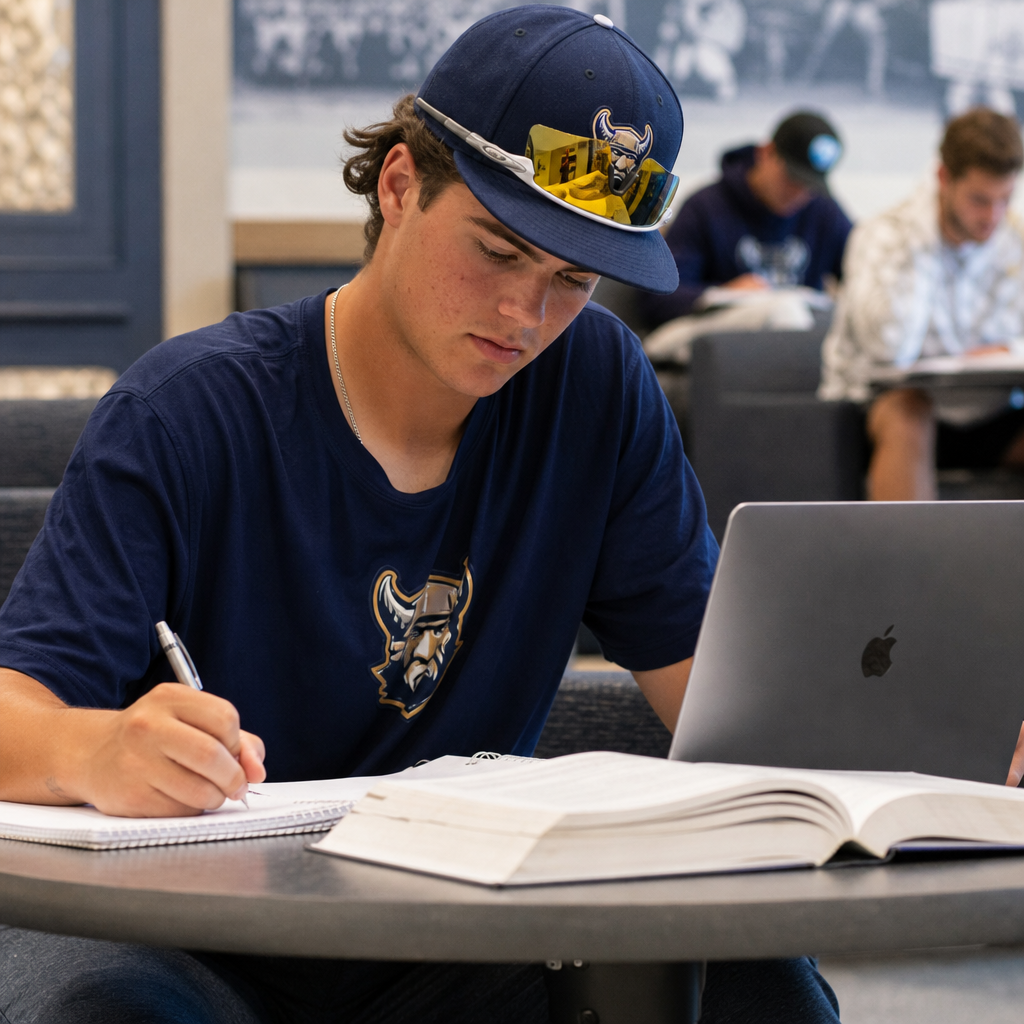
Scholarship and sport intersect sharply in college baseball, where players must meet classroom demands, team expectations, eligibility rules, and long-term career goals at the same time. In practical terms, balancing academics in college baseball means managing training, travel, recovery, and study so that neither performance nor education collapses under pressure. That balance matters because only a small percentage of players reach professional baseball, while every athlete leaves college with a transcript, a degree path, and habits that shape work after the game. Within the broader minor leagues and college baseball landscape, this miscellaneous hub topic matters because it connects scholarship structure, recruiting realities, academic support, transfer decisions, eligibility compliance, mental health, and career planning into one operating system. I have worked with college players who assumed talent would solve everything, then watched missed classes, poor scheduling, and preventable eligibility mistakes create harder problems than a tough weekend series ever did. The athletes who succeed usually treat academics as part of performance, not as a separate burden. They understand key terms early: equivalency scholarships, credit-hour requirements, satisfactory academic progress, redshirt status, transfer portal timing, and name, image, and likeness obligations. Once those pieces are clear, the daily challenge becomes less mysterious. A college baseball player is not just splitting time between books and batting practice; he is learning to make disciplined decisions in an environment where every hour already has a claimant.
How college baseball scholarships and academic requirements actually work
College baseball scholarships are more complex than many families expect, and misunderstanding them causes avoidable stress. Baseball is an equivalency sport at the NCAA Division I level, which means a program can divide its scholarship allotment across many players rather than awarding only full rides. Coaches often blend athletic aid, academic merit aid, need-based aid, and institutional grants to build a package. That is why two players on the same roster can have very different financial arrangements despite similar roles on the field. The academic side begins before the first game: admissions standards, core-course completion, standardized testing policies where applicable, and amateurism certification can all affect whether a recruit even arrives eligible.
After enrollment, academic requirements continue relentlessly. Players generally must remain full-time students, make progress toward a degree, and maintain the grade-point average required by their school and governing body. Missed benchmarks can trigger ineligibility, reduced aid security, or delayed graduation. In my experience, freshmen often underestimate how quickly travel-heavy spring schedules expose weak time management. A player who falls behind in September workouts and October classes carries that deficit into preseason, then into conference play. Academic support staff can help, but they cannot replace personal organization.
Families also need to understand that scholarship terms can shift with coaching changes, roster needs, and school policy. Multi-year aid exists, but many arrangements still require careful review. The best question a recruit can ask is direct: What must I do academically each term to remain eligible, keep my aid, and stay on track for graduation? Clear answers beat assumptions every time.
Building a weekly system that survives practice, travel, and fatigue
The most effective student-athletes do not rely on motivation; they use systems. A college baseball week is fragmented by lifts, individual work, team practice, treatment, meetings, class attendance, labs, travel, and sleep debt. If study time is left to chance, it usually disappears. The best approach is to schedule academics first around immovable obligations. That means placing reading blocks, assignment deadlines, tutoring sessions, and exam preparation into a calendar before social plans enter the picture.
I advise players to build their week in three layers. First, anchor fixed events such as classes, practice, games, and mandatory team activities. Second, identify high-value academic windows, usually between morning class and afternoon baseball work or during evening quiet hours after dinner. Third, create contingency blocks for travel delays, rainouts, and recovery sessions. This matters because baseball seasons rarely run cleanly. Buses leave late, games extend, and Mondays vanish into treatment and makeup work.
A simple system works best when fatigue rises. Keep one master calendar, one assignment list, and one location for course files. Tools such as Google Calendar, Notion, Canvas, and Microsoft OneNote are effective because they reduce friction. Many players fail not from lack of ability but from task switching. They waste time hunting for syllabi, email threads, and due dates. A twenty-minute daily review prevents that drift. So does communicating early with professors before road trips rather than apologizing after missed work.
Recovery must be treated as academic infrastructure too. Sleep loss erodes memory, attention, and emotional control. A player who studies until 2 a.m. after a midweek game may feel committed, but chronic sleep restriction usually lowers both grades and on-field decision-making. Sustainable balance is never accidental.
Choosing majors, classes, and support resources without boxing yourself in
One of the biggest miscues in college baseball is choosing an academic path based only on convenience. Players sometimes pick a major because older teammates say it fits the practice schedule, not because it aligns with strengths, interests, or career options. That can create a short-term scheduling win and a long-term professional problem. The right major is the one a player can realistically complete while engaged enough to do well in it. There is no shame in selecting a practical field with clear employment value, but the choice should be informed rather than purely tactical.
Course sequencing matters as much as major choice. Labs, writing-intensive seminars, internships, and capstone requirements often collide with spring travel. Strong advising can map those bottlenecks early. Summer school can also be strategic, not remedial. It can lighten a competitive semester, accelerate degree progress, or create flexibility if injuries, transfers, or coaching changes disrupt a plan.
Academic support resources vary by campus, but most successful programs direct players toward tutoring, writing centers, study halls, learning specialists, and faculty office hours. The athletes who benefit most use these tools before grades slip. Waiting until midterms or eligibility danger is inefficient. Professors generally respond better to proactive students who explain travel schedules, ask precise questions, and submit work consistently.
Here is a practical breakdown of common academic choices and their baseball-related implications.
| Decision area | Best practice | Common risk | Plain-language example |
|---|---|---|---|
| Major selection | Match interest, ability, and job outcomes | Choosing only for schedule ease | A player picks finance because he likes numbers, not because teammates say it is easy |
| Semester load | Balance hard and moderate courses | Stacking all demanding classes in spring | Taking a lab science in fall instead of during conference season |
| Travel communication | Notify professors early with dates | Explaining absences after deadlines pass | Emailing in January about March road trips and makeup expectations |
| Support services | Use tutoring before problems grow | Seeking help only after failing an exam | Booking weekly calculus tutoring from week two |
Recruiting, transfers, and eligibility decisions that affect academics
Recruiting conversations often center on playing time, facilities, and roster fit, but academic fit should be equally important. A recruit should ask who advises baseball players, what graduation support looks like, how travel-heavy the schedule is, and whether certain majors are realistic for athletes. Schools with strong academic culture usually have clearer processes for missed class management and faculty coordination. That does not mean easier coursework; it means less chaos.
Transfers add another layer. The transfer portal can offer better athletic opportunity, but credit transfer is often messy. I have seen players lose progress because required courses did not map cleanly to a new institution. A move that looks smart for baseball can cost an extra semester of tuition and delay graduation. Before transferring, athletes should request a written credit evaluation, compare degree audits, and verify how aid changes at the new school. Junior college routes can also be valuable, especially for development and affordability, but they require equal scrutiny regarding course transferability and eligibility timelines.
Redshirts, medical hardship situations, and injury seasons should be evaluated academically as well as athletically. An extra year of competition can be useful only if the student remains on a viable degree path and can finance the additional time. Likewise, summer-ball opportunities should be weighed against internship prospects, needed coursework, and physical recovery. The right decision is rarely universal; it depends on professional potential, academic standing, finances, and personal goals.
In hub terms, this is where many related minor leagues and college baseball questions intersect. Recruiting rankings, development plans, MLB draft dreams, junior college pathways, and transfer decisions all connect back to one reality: if academics are unstable, every other option narrows.
Mental health, identity, and preparing for life after baseball
Balancing academics in college baseball is not only a scheduling problem; it is an identity challenge. Many players arrive having been the best athlete in their school or travel program. In college, they may struggle for innings, face harder classes, and realize pro baseball is far from guaranteed. When athletic identity crowds out everything else, a bad weekend can damage focus in class, relationships, and confidence. That is why mental health support is not peripheral. It is part of performance and retention.
Sports psychologists, campus counselors, and trusted academic advisors can help players handle perfectionism, injury frustration, burnout, and the pressure of scholarship expectations. The strongest programs normalize using those services. So do strong leaders in the clubhouse. Veteran players who talk honestly about slumps, anxiety, and academic pressure make it easier for younger teammates to seek help early.
Career preparation should also start before senior year. Internships, alumni networking, resume workshops, and faculty connections matter because most college baseball players will build careers outside affiliated professional baseball. Even players drafted after college benefit from having a degree plan and professional network. Baseball careers are uncertain, often short, and vulnerable to injury. Education creates leverage.
Players who thrive usually adopt a broader definition of success. They want to win, develop, and chase high ceilings, but they also want marketable skills, strong references, and a degree that carries value in the labor market. That perspective reduces panic. A failed exam can be repaired; a slump can pass; a transfer can work out. What matters is building options. College baseball should expand a player’s future, not trap it inside one dream.
The central lesson is straightforward: scholarship and sport are not competing worlds in college baseball; they are interdependent responsibilities that must be managed together from the first recruiting call through graduation. Financial aid structure, eligibility standards, major selection, weekly planning, transfer decisions, and mental health all influence whether a player actually benefits from the college experience. The athletes I have seen handle this best are not always the most naturally gifted. They are the ones who ask precise questions, document deadlines, communicate early, use campus resources, and treat recovery and coursework as performance habits. That is the real advantage of balancing academics in college baseball. It protects eligibility, improves decision-making, reduces unnecessary stress, and leaves a player with durable value whether professional baseball happens or not. As a miscellaneous hub within the minor leagues and college baseball topic, this subject links nearly every practical issue families and athletes face: scholarships, recruiting, transfers, support systems, and life after the game. If you are evaluating programs or helping a player navigate one, start by auditing the academic plan with the same seriousness you would a swing change or pitching program. The roster may define this season, but the degree and the habits behind it shape everything that follows. Review your schedule, ask better questions, and build the college baseball path that keeps both your bat and your future alive.
Frequently Asked Questions
How do college baseball players realistically balance classes, practices, travel, and recovery?
Balancing academics in college baseball starts with accepting that time management is not optional; it is a core skill of being a successful student-athlete. Baseball players often work through early lifts, team practices, meetings, training sessions, travel days, and recovery protocols, all while keeping up with lectures, assignments, labs, and exams. The most effective athletes build a weekly structure around fixed commitments first, then protect study blocks with the same seriousness they give to practice. That usually means using small windows efficiently, such as reviewing notes on the bus, communicating with professors before travel, and planning ahead for road trips that may interrupt class attendance or assignment deadlines.
Recovery also has to be part of the academic plan, not treated as an afterthought. A player who is sleep-deprived, under-fueled, or mentally overloaded will struggle in both the classroom and on the field. Strong routines matter: keeping a calendar, breaking large assignments into smaller tasks, using academic support resources, and avoiding procrastination when the schedule briefly opens up. Players who thrive tend to be proactive rather than reactive. Instead of waiting until conflict appears, they anticipate heavy travel weeks, exam periods, and demanding stretches of the season, then adjust their study habits in advance. In practical terms, balance does not mean equal time for everything every day; it means making deliberate choices so performance and education can both stay sustainable across the full season.
Why are academics so important for college baseball players if their main goal is to compete at a high level?
Academics are essential because college baseball is temporary, while education has long-term value long after the final game is played. Even for highly talented athletes, the path to professional baseball is limited and uncertain. Only a small percentage of college players move on to sustained professional careers, and even those who do still benefit from the discipline, knowledge, and career flexibility that come with a strong college education. For everyone else, academic performance shapes future job options, graduate school opportunities, internships, networking, and overall preparedness for life after sports.
There is also a direct connection between academics and athletic opportunity. To remain eligible, student-athletes must meet institutional and NCAA academic standards, which means grades are not separate from baseball; they are part of what allows a player to keep competing. Beyond eligibility, classroom habits often reinforce the same qualities coaches value on the field: consistency, accountability, preparation, resilience, and attention to detail. A player who learns how to organize competing priorities, communicate professionally with professors, and follow through on academic responsibilities is also developing maturity that translates into leadership within a team environment. In that sense, academics are not a backup plan to baseball. They are a parallel investment in the athlete’s identity, stability, and future success.
What academic support systems are usually available to college baseball players?
Most college baseball players have access to a range of academic support systems, but the players who benefit most are the ones who use them early and consistently. Common resources include academic advisors for student-athletes, tutoring services, study halls, writing centers, learning specialists, faculty support, and structured progress monitoring. Many athletic departments help players with scheduling classes around team demands, tracking eligibility requirements, and organizing travel-related academic planning. These systems exist because colleges understand that the athletic calendar can create real pressure on coursework, especially during the season.
That said, support systems are most effective when athletes take responsibility for engaging with them. A tutor cannot help much if a player waits until the night before an exam. An advisor can build a strong semester schedule, but the athlete still has to attend class, communicate when travel causes conflicts, and keep up with assignments. It also helps when players build informal support networks, including teammates with strong study habits, professors who understand the realities of athletic travel, and coaches who reinforce the importance of education. The strongest programs tend to create a culture where asking for academic help is seen as smart, not weak. When that culture exists, baseball players are better positioned to handle stress, stay eligible, and build real confidence in the classroom.
How can college baseball players handle travel during the season without falling behind in school?
Travel is one of the biggest academic challenges in college baseball because it disrupts normal routines, reduces flexibility, and can drain mental energy. The key to staying on track is preparation before the trip even begins. Players who manage travel well usually look ahead at syllabi, identify what assignments or quizzes may be affected, and contact professors early rather than after a missed class. That communication matters. Professors are far more likely to be helpful when they see that a student-athlete is taking responsibility, giving notice, and making a clear plan to stay current.
During travel, successful players use available time intentionally. Flights, bus rides, hotel evenings, and pregame downtime can all become productive study windows when materials are organized in advance. That may include downloading readings, bringing chargers, planning online submissions ahead of time, and coordinating with tutors if extra help is needed. Just as important, players have to be realistic about fatigue. Travel is not only a scheduling problem; it is a focus problem. Long weekends, inconsistent sleep, and game stress can make studying less efficient, so players often need to simplify their systems, prioritize important tasks, and avoid waiting for the “perfect” time to work. The athletes who stay ahead academically during the season are rarely doing anything dramatic. They are simply disciplined about communication, planning, and using small pockets of time well.
What mindset helps student-athletes succeed in both college baseball and the classroom over the long term?
The most helpful mindset is to stop viewing academics and baseball as competing identities and start treating them as connected parts of the same responsibility. Student-athletes who last and grow over the long term usually understand that success is built on habits, not on motivation alone. They do not rely on being “good under pressure” every week. Instead, they create systems: attending class consistently, starting assignments early, asking for help quickly, keeping a realistic schedule, and recognizing when stress is becoming counterproductive. This approach reduces the chaos that often causes either school or sport to slip.
It also helps to think beyond the current season. College baseball can feel all-consuming, especially during demanding stretches, but players who make better decisions tend to remember that their value is not tied only to batting averages, innings pitched, or roster status. A strong academic foundation provides confidence, perspective, and future direction. That perspective often makes athletes more resilient, because setbacks in one area do not define their entire identity. An injury, a slump, or a reduced role on the field becomes easier to handle when education, career planning, and personal development are also priorities. In the long run, the players who balance scholarship and sport best are usually the ones who embrace discipline, ask for support, and understand that college is preparing them for much more than the next game.