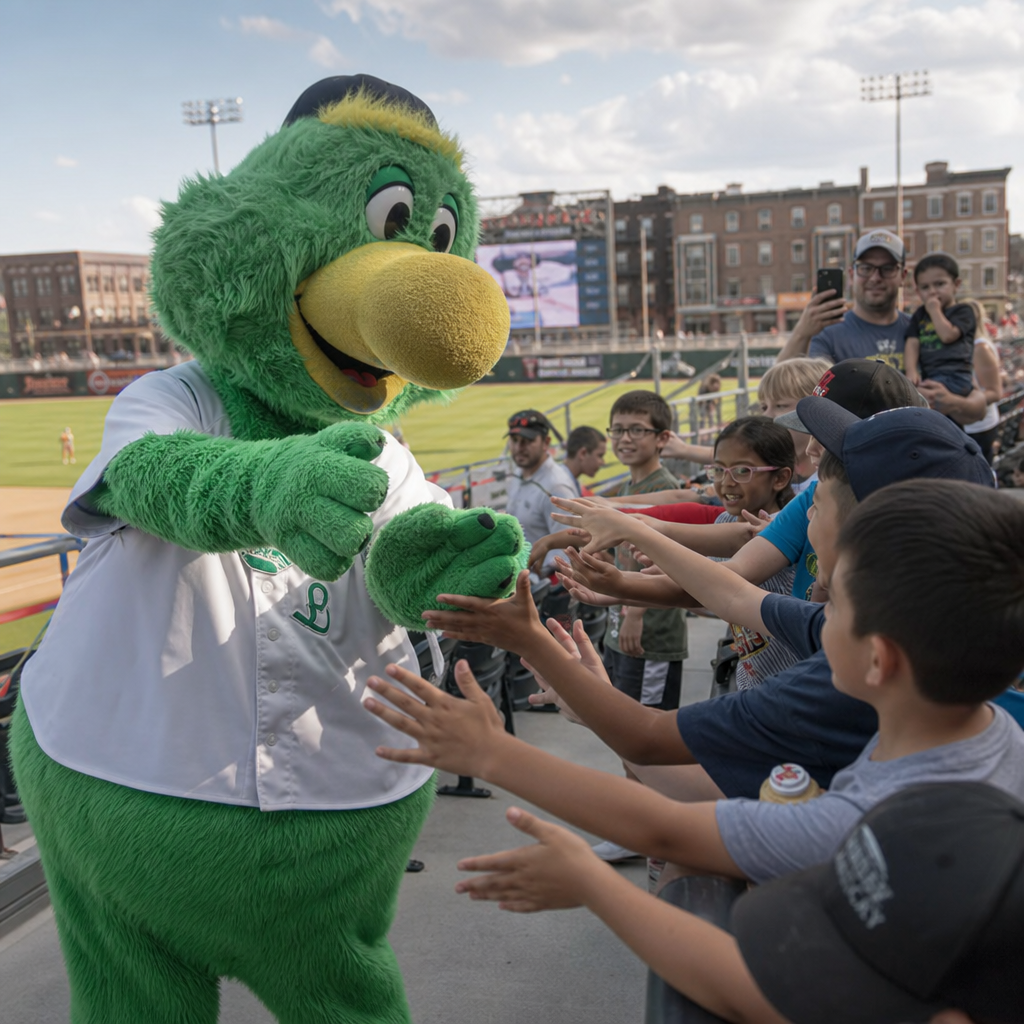
Innovative marketing strategies in minor league baseball have become essential to filling ballparks, building community identity, and turning a modest sports property into a year-round entertainment brand. In this context, marketing means far more than buying ads or posting on social media. It includes pricing, promotions, partnerships, digital content, local outreach, sponsorship packaging, stadium experience design, and the way clubs translate a baseball schedule into habits for families, schools, and businesses. Minor league baseball operates under unique conditions: smaller budgets than major league clubs, heavy dependence on local attendance, frequent roster turnover, and intense competition from streaming, youth sports, concerts, and home entertainment. Those constraints force teams to experiment, and that experimentation has produced some of the smartest sports marketing ideas in North America.
I have worked with community-based sports promotion, and the lesson is consistent: fans rarely buy only the game. They buy convenience, belonging, value, and stories they can share. That reality is especially visible in minor league baseball, where team marketers sell memories as much as wins and losses. A successful club understands its market geography, audience segments, sponsor ecosystem, and seasonal calendar. It knows whether Thursday should target young professionals, whether Sunday should lean into families, and whether a summer camp partnership can generate more long-term revenue than a one-time digital ad campaign. This matters because strong marketing supports ticket sales, sponsorship renewals, merchandise revenue, and civic relevance, all of which help a club remain stable in a changing sports economy.
Why Minor League Baseball Demands a Different Marketing Playbook
Minor league baseball marketing works differently from major league marketing because the product proposition is different. Most fans do not attend because of star certainty; prospects can be promoted quickly, and many players are unfamiliar to casual buyers. Teams therefore market atmosphere, access, affordability, novelty, and neighborhood pride. A major league club can lean on television reach and superstar branding. A minor league club usually must drive direct response at the local level, often within a radius of thirty to sixty miles, using highly targeted campaigns. The practical question is not simply, “How do we get attention?” but “What reason do we give a family to choose us on Tuesday night over a movie, a travel team practice, or staying home?”
The best clubs answer that question with positioning. Some become the most affordable family night in town. Others become the most creative live event in the region. Others lean into heritage, regional food culture, or a distinctive mascot. Teams such as the Savannah Bananas, while operating outside traditional affiliated structure, proved how much demand exists for baseball as theatrical entertainment. Affiliated and independent clubs alike have borrowed that lesson by sharpening their in-game identity, tightening scripting between innings, and building social clips designed for sharing. The point is not to copy another team’s gimmick. The point is to identify what emotional job the team performs in the market and build every promotion around it.
Segmentation is the operational backbone. Families want bundled value, earlier start times, kid zones, and frictionless parking. Young adults respond to craft beer nights, social spaces, and limited-edition merchandise drops. Corporate groups care about hospitality inventory, predictable service, and networking utility. Youth teams want recognition moments and fundraising opportunities. Seniors may prioritize shade, seat comfort, and weekday matinees. When clubs use customer relationship management platforms such as Tickets.com, Salesforce, or HomeTown to segment buyers by attendance history and purchase behavior, they can market more efficiently. Generic blast messaging underperforms because minor league baseball audiences are diverse, and the purchase triggers differ sharply by segment.
Promotions, Theme Nights, and the Art of Creating Shareable Moments
Promotions remain the signature weapon in minor league baseball because they convert ordinary dates into events with a clear call to attend now. Fireworks are still powerful, but the strongest calendars layer promotions strategically instead of repeating the same offer. Theme nights tied to local culture, alternate identities, heritage celebrations, food traditions, and cause marketing create urgency and broaden relevance. Copa de la Diversión demonstrated this at scale by helping clubs connect with Hispanic and Latino communities through culturally resonant branding, merchandise, and game presentation. That initiative worked because it was not just cosmetic. The effective clubs paired it with bilingual outreach, community partnerships, and sponsor activation.
Giveaways can work, but only when economics and audience fit are disciplined. A bobblehead draws collectors; a youth jersey giveaway can pull families; a branded cap tied to local identity can move merchandise long after the event. I have seen teams waste budget on generic items that neither drove walk-up traffic nor delighted season-ticket holders. The better practice is to use redemption data, attendance lift by game date, and secondary merchandise sales to measure whether a giveaway actually changed behavior. Smart teams also avoid training fans to wait only for discount nights. They mix premium events, experiential nights, and mission-driven community programs so the calendar feels varied rather than bargain-bin.
| Strategy | Primary Audience | Main Benefit | Best Metric |
|---|---|---|---|
| Fireworks Night | Families, casual fans | Large attendance spikes | Paid attendance versus baseline Saturday |
| Local Heritage Theme | Community groups | Stronger civic relevance | Group sales and earned media mentions |
| Premium Giveaway | Collectors, repeat buyers | Advance ticket purchases | Pre-sale pace and redemption rate |
| Craft Beverage Event | Young adults | Higher per-cap spending | Concession revenue per attendee |
| Nonprofit Partnership Night | Mission-driven attendees | Community trust and group sales | Fundraising total and first-time buyers |
The most innovative teams think beyond the gate. They script moments that travel online: mascot stunts, player entrances, surprise celebrity cameos, food challenges, and fan competitions that look strong in a fifteen-second clip. This is not frivolous. In practice, one well-produced viral video can outperform weeks of conventional local media buys because it gives the team social proof and introduces the brand to nontraditional fans. However, novelty must still align with the club’s core promise. Random spectacle without brand consistency creates short spikes and weak retention. The clubs that sustain momentum turn theme nights into recurring franchises that fans anticipate annually.
Digital Marketing, Data, and Content That Converts Interest into Attendance
Digital marketing in minor league baseball is most effective when it connects content directly to revenue rather than chasing vanity metrics. Teams need a clear funnel: awareness through social video, consideration through event pages and email, conversion through mobile-first ticketing, and retention through CRM-driven follow-up. A post with strong engagement means little if the ticket link is buried, the landing page is slow, or the offer is unclear. The better teams build campaign-specific pages, use trackable links, and retarget site visitors with segmented creative. Meta ads, Google search campaigns, and email automation are especially useful because they can be localized and timed around weather, opponent, promotion, and inventory levels.
Content strategy matters because minor league baseball has a natural storytelling advantage. Fans can follow prospects before they reach the majors, get closer to players than in larger venues, and engage with mascots, broadcasters, and behind-the-scenes staff. The strongest content mix includes short-form video, player personality features, sponsor-integrated content, game-day guides, and practical FAQs. Fans search for parking, gates, food policies, theme nights, and family options more often than marketers assume. Teams that answer those questions plainly reduce friction and improve conversion. In my experience, a clean “Know Before You Go” page often lifts attendance satisfaction more than an expensive brand campaign because it removes uncertainty.
Data discipline separates busy marketing departments from effective ones. Clubs should monitor source of sale, email open and click rates, abandoned cart behavior, return frequency, group conversion, and revenue per seat by offer type. Dynamic pricing, once uncommon in lower-level sports, is increasingly viable through modern ticketing systems. It should be used carefully. Raising prices on high-demand dates can increase yield, but too much complexity frustrates value-sensitive buyers. The right balance is usually a visible entry price, clear family bundles, and premium pricing only where demand justifies it. Teams that treat each game as a mini product launch, then review results weekly, learn faster than those relying on instinct alone.
Community Partnerships, Sponsorship Innovation, and Local Brand Building
Minor league baseball succeeds when the team becomes part of local civic life rather than a standalone entertainment option. Community partnerships are therefore not peripheral; they are central to the marketing model. Effective clubs build structured relationships with schools, youth leagues, chambers of commerce, military organizations, libraries, and nonprofits. Reading programs that reward students with tickets, youth baseball parade nights, teacher appreciation activations, and food-bank drives create authentic touchpoints with future fans and decision-makers. These programs work because they connect the club to institutions families already trust. They also produce earned media and sponsor opportunities that a normal ad campaign cannot match.
Sponsorship innovation is another growth area. The old approach of selling outfield signs and public-address reads is no longer enough. Sponsors want measurable activation, content integration, hospitality value, and alignment with community impact. Forward-thinking clubs build multi-platform packages that include digital features, branded social segments, concourse sampling, presenting rights for theme nights, and data capture opportunities where appropriate. A regional healthcare system might sponsor youth fitness content and family wellness nights. A local bank might underwrite financial literacy events plus small-business networking suites. The most durable sponsorships solve a business problem for the partner, whether that is recruiting staff, generating leads, or improving community reputation.
Local brand building also depends on visual identity and merchandise strategy. Minor league baseball has led American sports in alternate identities because unusual logos, city nicknames, and limited-run caps create cultural relevance beyond the standings. Teams such as the Montgomery Biscuits or Rocket City Trash Pandas show how a memorable identity can become a marketing engine. But identity only works when supported by execution. Retail displays, e-commerce timing, social teasers, local press outreach, and in-stadium storytelling must all reinforce the launch. A logo alone does not create loyalty. What creates loyalty is when residents feel the brand reflects the humor, history, or character of their community.
Fan Experience, Pricing Strategy, and the Business of Repeat Attendance
The most underrated marketing channel in minor league baseball is the live experience itself. If the ballpark visit feels easy, safe, lively, and worth repeating, marketing costs decline because word of mouth improves. If the experience is slow or confusing, even clever advertising will struggle. Operations and marketing must therefore work together. Parking flow, mobile entry, concession wait times, ushers, restroom cleanliness, seating comfort, between-inning pacing, and postgame exit all influence retention. I have seen teams spend heavily to acquire first-time buyers while ignoring pain points that prevented a second visit. Repeat attendance usually depends on operational consistency more than on flashy creative.
Pricing strategy deserves the same discipline. The strongest clubs do not simply discount; they package. Family bundles that include tickets, hot dogs, drinks, and parking reduce decision friction and make value obvious. Subscription-style mini plans can attract buyers who hesitate at full season packages. Flex packs work well for uncertain schedules, while group experiences with picnic areas or party decks produce strong margins when service is reliable. Many teams also use membership language instead of season-ticket language because it suggests access and belonging rather than a rigid seat commitment. That framing can improve renewals, especially among younger buyers who expect flexibility.
Accessibility and inclusion are equally important. Spanish-language communications, sensory-friendly accommodations, clear ADA information, cashless payment guidance, and varied food options all affect who feels welcome. Marketing is not only persuasion; it is promise-setting. If the club promises a family-friendly, community-centered night out, the venue must deliver that for different types of guests. Teams that survey fans after visits, monitor review sites, and close the loop publicly tend to build trust faster. In a category where attendance often depends on local reputation, that trust compounds over time and supports every other initiative, from sponsorship sales to special event launches.
Innovative marketing strategies in minor league baseball work because they respect a simple truth: people attend when the experience feels relevant, easy, and memorable. The hub of success is not one tactic but a connected system of positioning, promotion, data use, partnerships, sponsorship design, and fan experience management. Teams that understand their audience segments, answer practical questions clearly, and build calendars around genuine local identity outperform those relying on generic discounts or borrowed gimmicks. They create demand not by pretending to be major league clubs, but by leaning into the strengths only community-based baseball can offer: access, personality, affordability, and civic connection.
For organizations across the minor leagues and college baseball landscape, the lesson is practical. Audit the customer journey from first impression to repeat visit. Measure every campaign against attendance, revenue, and retention. Build theme nights that reflect local culture, not just internet trends. Package sponsorships around business outcomes. Treat the ballpark as a media channel, a community platform, and a hospitality venue at once. When those pieces align, marketing stops being a cost center and becomes the engine that sustains the franchise. Use this hub as a starting point, then explore each subtopic in depth and apply the ideas that fit your market.
Frequently Asked Questions
1. What makes marketing in minor league baseball different from marketing in major professional sports?
Marketing in minor league baseball is fundamentally different because the product being sold is not just the game on the field. While wins and losses matter, most minor league clubs succeed by positioning themselves as affordable, community-centered entertainment brands rather than pure competitive sports properties. Fans often attend because of the family experience, the theme night, the fireworks, the mascot, the food, the social atmosphere, or the local pride attached to the team. That changes the entire marketing strategy. Instead of relying primarily on star players or national media attention, minor league teams must create reasons for people to come back again and again through creative promotions, flexible ticket options, memorable in-stadium experiences, and strong local partnerships.
Another major difference is that minor league teams usually operate with tighter budgets and less media exposure, which forces them to be more inventive and more efficient. They often lean heavily on grassroots outreach, email marketing, school programs, nonprofit partnerships, local influencer relationships, and community storytelling. In many cases, the most effective campaigns are hyperlocal and personality-driven rather than expensive and broad. A minor league club may generate more value from collaborating with local businesses, celebrating regional culture, and building repeat family traditions than from any conventional advertising buy. That is why innovative marketing in this space tends to focus on habit formation, neighborhood identity, and year-round engagement instead of simply promoting the next home game.
2. Which innovative marketing strategies are most effective for filling seats at minor league baseball games?
The most effective strategies usually combine affordability, entertainment, and urgency. Dynamic ticketing, family bundles, all-inclusive packages, and theme-based promotions work especially well because they reduce friction and make the purchase decision easier. Minor league audiences are often value-sensitive, so packaging matters. A family may respond more positively to a clear offer such as four tickets, hot dogs, drinks, and parking for one price than to a standard ticket ad. Likewise, targeted promotions tied to specific audience segments can significantly improve attendance. Examples include educator appreciation nights, youth sports team outings, college student deals, dog-friendly games, senior specials, and culturally themed community nights. These strategies work because they give people a personal reason to attend rather than asking them to be generic baseball fans.
What separates average promotions from innovative ones is execution across multiple channels and touchpoints. The strongest clubs connect ticket offers to compelling digital content, community outreach, and sponsor support. A Star Wars night, for example, becomes far more successful when it includes social media teasers, branded merchandise, themed concessions, sponsor activations, on-field entertainment, and email follow-up for repeat purchases. Teams that consistently fill seats also pay close attention to the calendar and to fan behavior. They market weekday games differently from weekend games, sell group outings differently from individual tickets, and use data to re-engage past buyers with personalized messages. In short, the best seat-filling strategies are not one-off gimmicks. They are coordinated campaigns that turn promotions into memorable events and events into repeat attendance patterns.
3. How do minor league baseball teams use community partnerships to strengthen their brand?
Community partnerships are one of the most powerful tools available to minor league teams because they tie the club directly to the identity of the region it represents. A successful team does not market itself as an isolated sports business. It becomes a civic gathering place. That happens through active relationships with schools, charities, youth leagues, chambers of commerce, hospitals, military groups, local festivals, restaurants, and small businesses. These partnerships create visibility in everyday community life and help the team stay relevant even when games are not being played. A club that supports reading programs, hosts nonprofit fundraisers, collaborates on local causes, or celebrates hometown traditions becomes more than entertainment. It becomes part of the local culture.
From a marketing standpoint, these partnerships also produce practical business advantages. They expand distribution for the team’s message, create new sponsorship inventory, generate earned media, and open pathways to group ticket sales and corporate hospitality. For example, a team might work with a local healthcare provider on wellness nights, with schools on attendance incentives, or with a regional food brand on exclusive promotions. Each partnership can be designed to provide value to all parties involved while reinforcing the club’s brand personality. The most innovative teams go beyond logo placement and build integrated programs that feel authentic to the community. When fans see the team consistently showing up in meaningful local contexts, trust grows, and that trust translates into stronger attendance, sponsorship retention, merchandise sales, and long-term brand equity.
4. What role do digital content and social media play in modern minor league baseball marketing?
Digital content and social media now play a central role because they allow minor league teams to extend the fan experience beyond the ballpark and maintain relevance every day of the year. For many clubs, social platforms are not just promotional channels; they are brand-building engines. Teams use short-form video, behind-the-scenes access, player features, mascot content, community spotlights, contest campaigns, and live game moments to create a voice that feels local, fun, and distinct. Since minor league baseball thrives on personality and accessibility, digital content helps teams showcase the human side of the organization in ways that larger sports brands often cannot. Fans are more likely to engage when the content feels personal, humorous, and rooted in their own town rather than overly polished or corporate.
The most effective teams also connect digital storytelling directly to revenue goals. Social media can drive ticket sales, but only when content is aligned with clear calls to action, audience targeting, and remarketing efforts. Email remains especially important because it gives teams a direct line to buyers and prospects without relying solely on platform algorithms. Meanwhile, websites and mobile ticketing tools must make it easy to convert interest into purchases. Strong clubs also analyze content performance to understand what actually motivates attendance, group sales inquiries, or sponsor engagement. A funny post may generate reach, but a family-focused video tied to a weekend package may drive more revenue. In that sense, innovative digital marketing in minor league baseball is not about posting constantly. It is about creating a consistent brand voice, using audience data intelligently, and turning digital engagement into real-world attendance and loyalty.
5. How can minor league baseball teams turn themselves into year-round entertainment brands instead of seasonal attractions?
Becoming a year-round entertainment brand requires teams to rethink the ballpark as a community asset and the brand as a lifestyle presence rather than a seasonal schedule. That means activating the venue and the audience outside the traditional baseball calendar. Many successful organizations host concerts, holiday events, festivals, movie nights, job fairs, corporate functions, youth camps, food experiences, and community celebrations in the offseason. These events keep the brand visible, diversify revenue, and reinforce the idea that the team is a consistent part of local life. The same principle applies to content and outreach. A club that shares offseason updates, local stories, charitable initiatives, merchandise drops, and behind-the-scenes planning can maintain fan interest long after the final game.
Year-round branding also depends on consistency in how the team presents itself. The visual identity, tone of voice, sponsor relationships, fan programs, and community involvement should all support a broader promise: that the team delivers belonging, fun, and local pride whenever fans interact with it. Innovative marketing teams often develop annual calendars built around moments that matter to different audience segments, not just baseball dates. They may create membership programs with offseason perks, launch themed merchandise tied to regional culture, or use their mascots and staff as ambassadors at civic events throughout the year. When done well, this approach protects the organization from relying too heavily on game-day demand alone. It transforms the team from a summer pastime into a durable local brand with multiple touchpoints, deeper emotional connections, and stronger long-term business resilience.