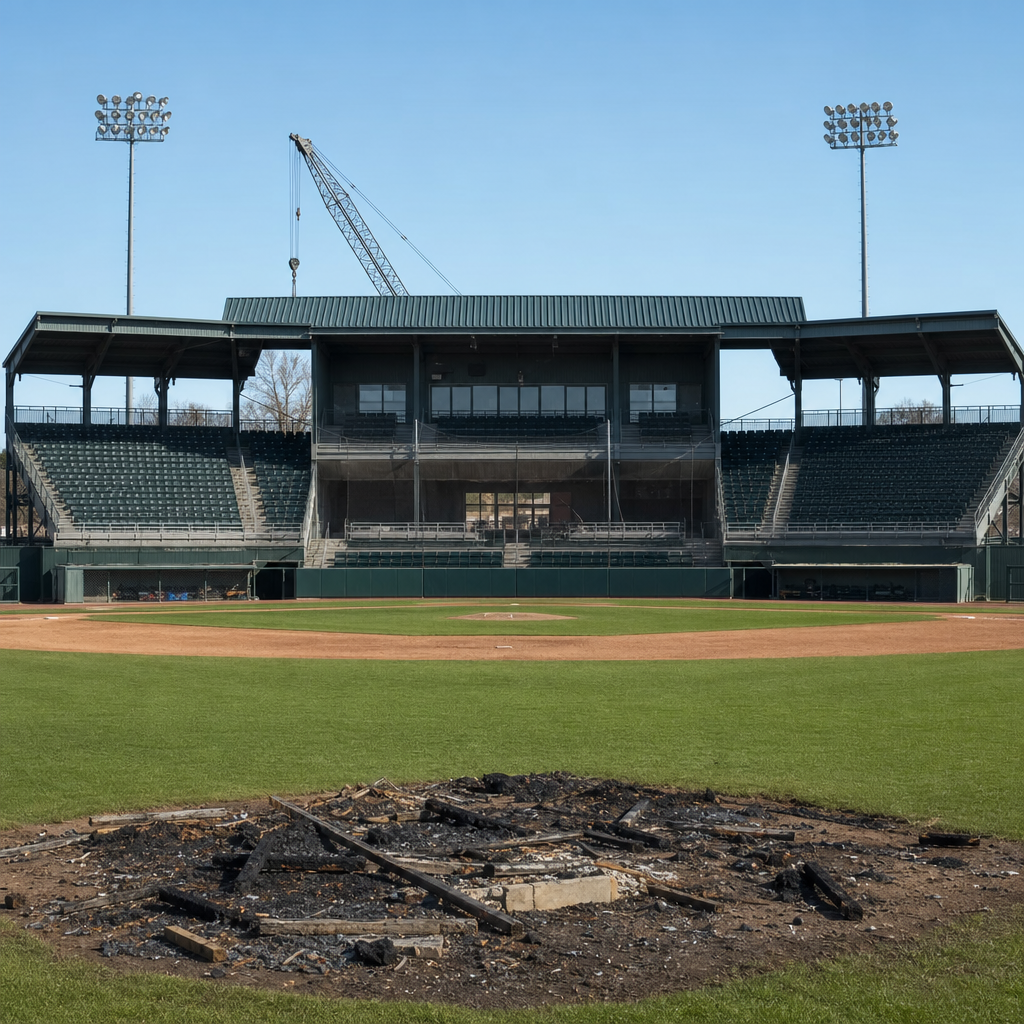
Minor league baseball has always been a business of fragile dreams, but nothing captures its resilience better than the story of clubs that disappeared, rebranded, relocated, or nearly folded before finding life again. “Revived minor league teams” refers to organizations or brand identities that returned after dormancy, survived contraction, came back in a new market, or rebuilt themselves after financial distress, facility problems, or shifts in affiliation. In the minor leagues, a team can die on paper and still live on in local memory, merchandise, and the habits of fans who never stopped caring. That unusual mix of nostalgia, economics, and civic pride makes revived teams one of the most revealing subjects in the broader world of minor leagues and college baseball.
I have worked with minor league historical records, attendance reports, and market comparisons, and the pattern is clear: revival is rarely sentimental alone. It usually happens because three things align at once. First, a market retains baseball demand even after a club leaves. Second, a public or private owner can secure a viable ballpark situation. Third, the revived identity gives fans a reason to reconnect quickly. When those conditions come together, dormant brands and struggling clubs can return stronger than many people expect.
This matters because minor league baseball is intensely local. Major league clubs sell star power and national television inventory; minor league teams sell summer routines, affordable entertainment, and a sense of place. When a team vanishes, a city loses more than dates on a schedule. It loses jobs, downtown traffic, nonprofit partnerships, youth clinics, and a public gathering point. When a team returns, those community benefits often recover faster than outside observers assume. That is why revived teams deserve attention as more than quirky footnotes. They are case studies in sports business, branding, municipal planning, and fan loyalty.
This hub article covers the “Miscellaneous” side of the topic comprehensively by explaining how revivals happen, why some fail, what patterns connect successful comeback stories, and which examples illustrate the modern era best. It also serves as a foundation for deeper related pieces on ballpark financing, rebranding, league restructuring, affiliated versus independent economics, and the role college baseball markets can play in sustaining summer demand.
What Revives a Minor League Team
A minor league team usually returns through one of four paths. The first is brand revival, where a historic name comes back even if the legal franchise lineage is different. The second is franchise relocation into a market that previously lost a club. The third is operational rescue, where new ownership stabilizes a team that was close to collapse. The fourth is league reorganization, where broad structural change creates an opening for a dormant or displaced market to regain baseball.
Brand revival is the most visible form because fans can see it immediately. A city may lose a team for years, yet a familiar nickname still carries emotional equity. The Jacksonville Jumbo Shrimp are a recent identity, but many clubs have revived older marks because retro branding converts memory into ticket demand. In practice, a revived brand works best when it respects local history without pretending the industry has not changed. Fans want continuity, but they also want modern promotions, digital ticketing, and upgraded facilities.
Relocation-based revival is more complicated. A city that loses a franchise may regain one only when another market becomes unstable. That sounds harsh, but it reflects how the minor leagues operate. Markets compete on stadium standards, sponsorship revenue, travel geography, and public support. The return of baseball to a former market often depends on conditions deteriorating elsewhere. The Ottawa Titans in the independent Frontier League show how revival can happen outside MLB affiliation: a city with baseball history and a suitable venue can reenter the ecosystem when ownership and league alignment make sense.
Operational rescue is less glamorous but often more important. I have seen clubs with decent attendance still face crisis because debt service, lease terms, or deferred maintenance overwhelmed cash flow. New owners who understand per-cap spending, premium seating, and non-baseball event revenue can revive an organization without moving it. That kind of revival preserves local continuity while changing the economics underneath it.
League reorganization became impossible to ignore after Major League Baseball’s 2020–2021 restructuring of the affiliated system. Contraction eliminated some affiliates, forced markets to seek collegiate summer teams or independent clubs, and reminded everyone that affiliation itself is not permanent. Some communities responded by building alternative baseball models instead of surrendering the market altogether. In many cases, those alternatives kept fan habits alive and positioned cities for future professional opportunities.
Why Some Communities Get Teams Back
Not every former minor league city gets a second chance. The communities that do usually have five advantages: population stability, corporate sponsorship capacity, a usable ballpark, political cooperation, and a baseball identity that predates the latest franchise. Population matters, but not in the simplistic sense that bigger is always better. Plenty of midsize markets outperform larger ones because the team faces less competition from other summer entertainment options.
Corporate sponsorship is often underestimated by fans. Ticket sales drive atmosphere, but local sponsorships often determine solvency. Outfield signs, naming rights, hospitality packages, and community partnerships provide recurring revenue that is less weather-sensitive than walk-up sales. When I evaluate whether a market can support a revival, I look first at employer concentration and business diversity. A town with one dominant employer is vulnerable; a market with hospitals, colleges, logistics firms, and regional banks is more resilient.
Ballpark readiness is the practical gatekeeper. Professional baseball requires field quality, clubhouse standards, lighting, training space, and spectator amenities that many dormant facilities no longer meet. This is one reason collegiate summer baseball has become a bridge option. A city may not be ready for affiliated ball, but a summer college team can reactivate the venue, rebuild fan routines, and justify future upgrades. That overlap is especially important for readers following the broader minor leagues and college baseball landscape, because college programs and summer leagues often preserve baseball culture between professional eras.
Political cooperation matters too. Revivals fail when public officials treat the ballpark solely as a cost center instead of a multipurpose civic asset. The best examples come from cities that tie baseball to downtown redevelopment, tourism, and year-round event calendars. A revived team cannot survive on 66 home dates alone. It needs concerts, festivals, high school events, and corporate functions that make the facility economically useful beyond the season.
| Revival Factor | Why It Matters | Real-World Effect |
|---|---|---|
| Ballpark quality | Determines league eligibility and fan experience | New or renovated parks often trigger relocation interest |
| Ownership strength | Controls debt, staffing, and long-term planning | Experienced operators stabilize weak franchises quickly |
| Local brand history | Speeds fan reconnection and merchandise sales | Retro identities often outperform generic launches |
| Sponsorship base | Provides predictable non-ticket revenue | Business-heavy markets survive weather and losing seasons better |
| League fit | Shapes travel costs and competitive stability | Poor geography can erase gains from strong attendance |
Examples of Teams and Brands That Rose Again
The best revival stories are not all identical, which is why this subject rewards close study. The Columbus Clippers are not a revival in the strict dormant-brand sense, but they demonstrate how a club can effectively reinvent itself through a new ballpark and sharper downtown positioning. Huntington Park changed the franchise’s trajectory by creating a destination experience rather than just a place to watch baseball. That is a revival of market relevance, and it matters because many teams return not by recreating the past exactly, but by rebuilding the business model around contemporary expectations.
The El Paso Chihuahuas offer another lesson. El Paso had deep baseball roots before modern affiliated success returned at scale. The current franchise benefited from a strong downtown stadium plan, consistent branding, and a city ready to support baseball as a civic asset. Although this was not a resurrection of one old nickname, it was absolutely a revival of professional baseball prominence in a market that had long wanted durable relevance.
The Wichita Wind Surge sit within a similar conversation. Wichita lost affiliated baseball when the Wranglers left after the 2007 season, and the absence lasted more than a decade. The return of affiliated baseball in 2021 was not just a new team launch; it was the reactivation of a baseball market with proven memory and demand. Riverfront Stadium became the catalyst, showing again that facilities often decide whether nostalgia can become a working business.
Independent baseball provides some of the clearest comeback examples because it is flexible enough to reenter markets quickly. The St. Paul Saints operated for years as proof that a smartly run independent club can become a civic institution and eventually position itself for a higher-profile future. Their path demonstrated that a revived or alternative baseball model is not automatically inferior to affiliation. In some markets, independent teams build stronger local identities precisely because they control more of their brand and fan experience.
Another instructive case is the Savannah Bananas, even though they sit outside traditional league revival categories. Savannah had previous minor league history, and the Bananas revived the market by abandoning conventional assumptions about how baseball must be presented. Their success does not mean every team should imitate banana-colored entertainment, but it proves that dormant markets can return when operators understand what local audiences value. In Savannah, that meant a high-energy event model layered on top of legitimate baseball operations.
Branding, Nostalgia, and the Business of Coming Back
When a minor league team rises from the ashes, branding is not decoration; it is a revenue strategy. I have watched revived identities create immediate traction through caps, throwback jerseys, and storytelling campaigns before opening day even arrives. Merchandise can be an early indicator of revival strength because it measures emotional buy-in from casual consumers, not just core baseball fans. A strong relaunch gives people a way to say the team belongs here again.
Nostalgia works best when tied to authentic local reference points. Names connected to industry, geography, folklore, or earlier baseball eras typically outperform generic mascots. The most effective revived brands also archive and present their own history well. That means timeline displays at the stadium, content about former players and teams, and visual cues that connect old and new eras. Fans respond when a revival feels earned rather than focus-grouped.
Still, nostalgia has limits. A beloved old name cannot overcome poor parking, weak concessions, outdated restrooms, or inconsistent ownership. Some relaunches fail because operators assume memory alone will substitute for execution. It never does. Fans may buy opening-night tickets out of affection, but they renew packages only if the experience is comfortable, social, and worth repeating. Modern successful clubs treat baseball, food service, hospitality, and digital communication as one integrated product.
There is also a technical branding challenge around continuity. If the old franchise history is legally separate from the new operation, teams must communicate carefully. Fans care less about corporate lineage than sports lawyers do, but credibility still matters. The right approach is usually transparent: honor the city’s baseball past, explain the current club’s place in that tradition, and avoid making claims the record cannot support.
How College Baseball and Summer Leagues Keep Markets Alive
One reason revived minor league teams remain possible is that baseball culture often survives the loss of affiliated ball through college programs, wood-bat summer leagues, and community tournaments. In practical terms, these events keep stadium workers employed, maintain sponsor relationships, and preserve the public habit of attending baseball in that city. A market without affiliated baseball is not necessarily a dead market; it may simply be between professional chapters.
College baseball is especially important in regions where spring attendance is already part of local life. Universities train fans to think of the ballpark as a social destination, not just a professional venue. When a minor league club later returns, it inherits an audience that still understands baseball rhythms, from weekend series to promotional nights. That lowers reentry friction.
Collegiate summer leagues also function as incubators for operators. Teams learn ticketing, host family coordination, group sales, and concession management with lower financial risk than affiliated ball. I have seen cities use summer baseball as a proving ground after losing a professional franchise. If attendance, sponsorships, and municipal support remain healthy, that evidence strengthens any future case for attracting a revived pro team. In that sense, college baseball and summer ball are not side stories. They are often the bridge between loss and renewal.
What Fans, Owners, and Cities Should Watch Next
The next wave of revived minor league teams will likely emerge from markets that combine ballpark flexibility with strong regional identity. Watch cities where public officials are willing to modernize facilities without overbuilding, where downtown entertainment districts need steady foot traffic, and where baseball never fully disappeared from civic life. Also watch independent leagues and partner-style models, because they can move faster than affiliated systems and prove demand before larger commitments follow.
For owners, the lesson is disciplined optimism. Revival stories succeed when operators understand unit economics, control labor and travel costs, and program the stadium year-round. For cities, the lesson is to think in ecosystems rather than seasons. Baseball works best when connected to restaurants, hotels, youth sports, and campus activity. For fans, the lesson is simple: attendance, merchandise purchases, and local advocacy genuinely matter. In minor league baseball, community support is not symbolic. It is often the difference between another disappearance and a stable return.
Revived minor league teams show that baseball markets are rarely erased completely; they go dormant, reorganize, and wait for the right combination of leadership, capital, and timing. The strongest comeback stories pair a credible business plan with a brand that feels rooted in place. They respect history, but they win by solving current problems: venue quality, sponsorship depth, family entertainment value, and league fit. That is the central takeaway for this Miscellaneous hub within minor leagues and college baseball. If you want to understand why some teams come back stronger, study the ballpark, the balance sheet, and the bond between a city and its baseball identity. Then follow the related articles in this hub to explore the financing, branding, and league strategy behind the next revival.
Frequently Asked Questions
What does “revived minor league team” actually mean?
A revived minor league team is any club or baseball identity that has found a second life after some kind of interruption, collapse, or major reset. That revival can take several forms. In some cases, a franchise goes dormant for a period and later returns to play in the same city. In others, the original team disappears, but its name, colors, logos, or local baseball tradition are brought back through a new ownership group or a different league structure. A revival can also happen when a struggling club relocates, rebrands, and rebuilds itself into something that reconnects with fans in a new or old market.
In the minor leagues, this happens more often than casual fans realize because the business side of the sport is unusually volatile. Teams depend on local attendance, municipal support, stadium viability, league stability, and player-development agreements that can change quickly. One weak ownership situation, one stadium dispute, or one league realignment can put a franchise in danger. That is why “revival” in this context does not always mean a perfect restoration of the exact same team. More often, it means the survival of a baseball community through a new version of the club, a resurrected brand identity, or a carefully rebuilt organization that carries forward the spirit of what came before.
Why do minor league teams disappear in the first place?
Minor league teams vanish for a mix of economic, logistical, and structural reasons. The simplest explanation is that they are small businesses operating in a narrow financial margin. Ticket sales, sponsorships, concessions, parking, merchandise, and group events all matter tremendously, and a bad stretch of attendance or rising operating costs can become a serious threat. Unlike major league clubs, many minor league teams do not have deep financial cushions. If ownership is undercapitalized or debt grows too large, the team can quickly become unstable.
Facilities are another major factor. Stadiums can become outdated, fail to meet league standards, or require expensive upgrades that local governments and owners are unwilling or unable to fund. If a club cannot secure a suitable home ballpark, survival becomes difficult. League restructuring also plays a role. Changes in affiliation systems, territorial rights, travel costs, and league membership can force teams into relocation or closure. On top of that, broader industry shifts, including contraction, changing development priorities, and competition for entertainment dollars, can weaken already fragile markets. When fans hear that a club “died,” the reality is often less dramatic but more complicated: the team may have been squeezed by business pressures, stadium issues, league politics, or a combination of all three.
How do revived minor league teams usually come back?
Most comebacks begin with one essential ingredient: a market that still wants baseball. If fans, business leaders, and civic officials believe there is value in restoring a team or a team identity, a revival becomes possible. Sometimes a new ownership group purchases rights to a dormant brand, negotiates stadium access, and relaunches the club with a fresh business plan. In other cases, a surviving franchise relocates into a city with a strong baseball history and adopts the identity of a beloved former team. That approach allows the organization to tap into nostalgia while presenting itself as both a continuation and a fresh start.
The strongest revivals usually combine emotional appeal with practical planning. Ownership must secure a stable facility, build local sponsorship relationships, invest in marketing, and create an experience that fits the community. A revived team cannot rely on memory alone. Fans may love an old logo or team name, but long-term success depends on whether the club can operate sustainably in the present. Successful returns often feature updated branding, improved community outreach, better in-game entertainment, and stronger front-office management. In that sense, revival is rarely about turning back the clock. It is about using history as a foundation while building a more durable modern operation.
Are revived teams the same as the original clubs, or are they something new?
The honest answer is that they are often both. Legally and operationally, a revived team may be a different entity than the one fans remember. Ownership may have changed, league membership may be different, and the franchise lineage may not be a straight line. Yet in sports culture, identity is not defined only by paperwork. If a club returns with the same name, visual style, hometown connection, and community meaning, many fans experience it as the rebirth of the original team, even if the corporate structure has changed completely.
This tension is part of what makes revived minor league teams so compelling. They live at the intersection of business reality and emotional continuity. A team can be “new” in legal terms while feeling deeply authentic to the city it represents. That is especially true in minor league baseball, where local traditions matter as much as official franchise records. Mascots, old uniforms, familiar ballpark rituals, and shared memories help bridge the gap between past and present. So while historians may distinguish between an original club and its successor, communities often embrace a broader truth: if the team restores local pride and reconnects generations of fans, the revival is real in the ways that matter most.
Why do revived minor league teams matter so much to their communities?
They matter because they represent more than baseball. A revived minor league team often becomes a symbol of civic resilience, especially in places that have experienced economic setbacks, lost institutions, or years without professional sports. When a team returns after dormancy, contraction, relocation, or financial distress, it tells fans that their city is still worth investing in and still capable of gathering around a common experience. That message can be powerful. The ballpark becomes a place where local identity is restored, traditions are renewed, and families reconnect with something they thought they had lost.
There is also a practical community impact. Revived teams can bring jobs, downtown activity, local tourism, charitable partnerships, and a stronger event calendar for the city. Restaurants, bars, retailers, and nearby businesses often benefit when baseball returns. Just as important, these clubs provide affordable, accessible entertainment that feels personal in a way larger sports properties often do not. Fans can see players up close, meet mascots, participate in theme nights, and feel a genuine connection to the team. That combination of economic relevance and emotional familiarity is why revived minor league teams occupy such a special place in sports culture. They are not simply franchises that survived. They are proof that even after instability, baseball communities can rebuild, adapt, and rise again.