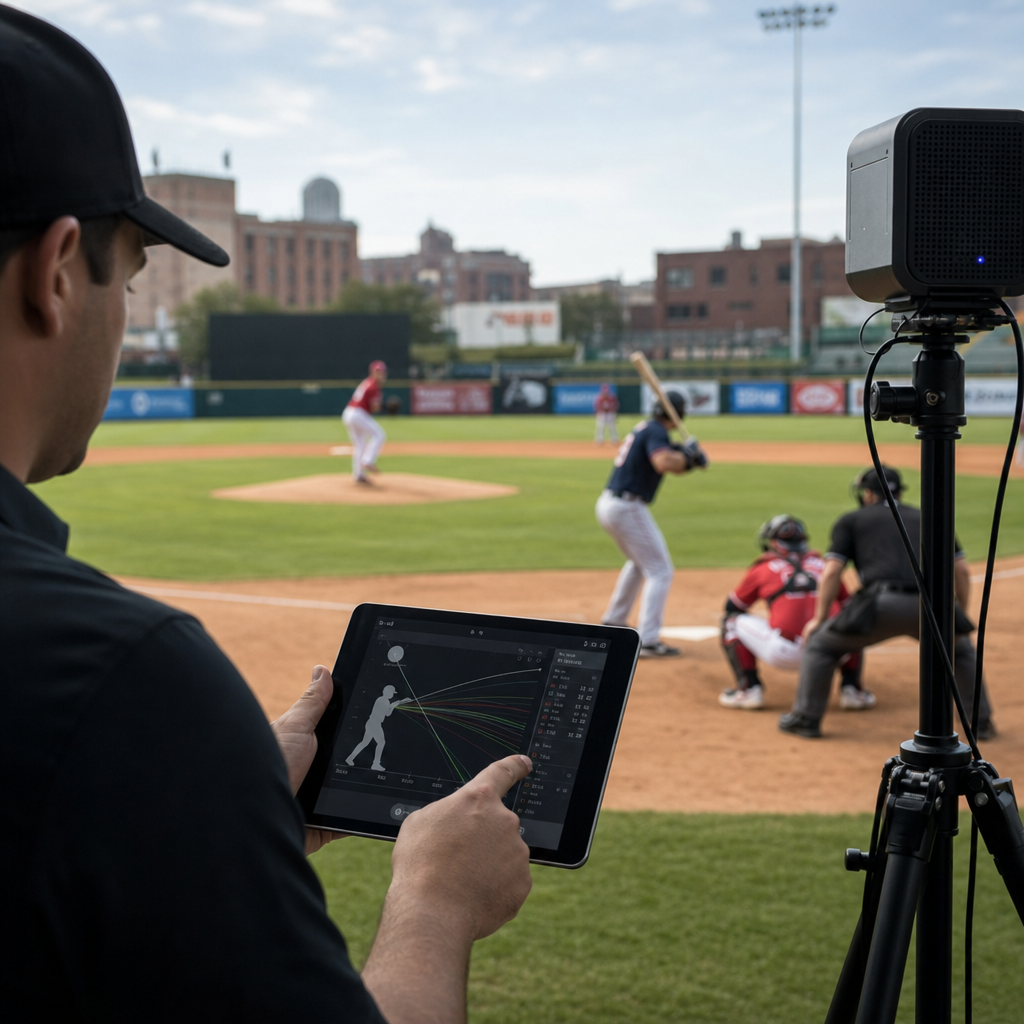
Minor league baseball has become one of the most revealing laboratories in modern sports, where new technology is tested under real pressure before it reaches the major leagues. In this environment, clubs with limited payrolls, lean staffs, and constant roster movement depend on tools that sharpen player development, improve medical decisions, modernize fan engagement, and streamline operations across long bus rides and packed summer schedules. When people talk about technologies transforming minor league baseball, they are describing a broad system that includes biomechanics, tracking hardware, video platforms, wearable sensors, automated strike zones, connected ticketing, and data workflows that help coaches turn information into better decisions.
I have seen this shift firsthand in player development settings where a bullpen session no longer ends when the catcher throws the ball back to the mound. Every pitch now leaves a trail of data. Coaches review release height, horizontal break, induced vertical break, spin efficiency, extension, and velocity trends within minutes. Hitters step out of batting practice with heat maps, bat speed reports, attack angle readings, and high-speed video that exposes timing flaws invisible to the naked eye. Front offices can monitor workloads across affiliates in real time, and athletic trainers can compare movement screens against previous baselines before a small issue becomes an injured list assignment.
This matters because minor league baseball sits at the point where projection becomes practice. Prospects are not finished products. They are learning to repeat mechanics, recover between outings, handle new positions, and adapt to competition that changes level by level. Technology helps answer practical questions that every organization faces: Which pitch shape actually misses bats? Is a swing change improving contact quality or just creating different misses? Can a catcher’s pop time gains survive a full week of games? Are fans more likely to return when mobile ordering cuts concession lines? In a developmental system, accurate answers have direct financial value because better development produces more major league contributors and fewer wasted years.
The most important point is that technology is not replacing baseball judgment. It is making judgment more precise. Good organizations use data to support coaching language, not bury players under reports. The clubs getting the best results in the minor leagues are the ones that translate technical metrics into plain instructions, align analysts with field staff, and build repeatable routines around tools that players will actually use. That practical blend is why this miscellaneous hub topic matters: it connects the on-field, off-field, and fan-facing innovations reshaping the full minor league baseball experience.
Player development technology now drives daily instruction
The biggest transformation in minor league baseball is the rise of integrated player development systems. Pitch tracking units such as TrackMan and Hawk-Eye measure velocity, spin rate, spin axis, release point, movement profile, and strike zone location with high precision. For pitching coaches, that turns abstract ideas into trainable variables. A pitcher who believes his slider is sharp can compare its sweep, depth, and velocity separation against game results. If his fastball carries well at the top of the zone because of vertical approach angle and induced vertical break, coaches can design usage patterns that match the shape rather than relying on guesswork.
Hitting development has changed just as dramatically. Batting cages and practice fields increasingly use systems like HitTrax, Rapsodo, Blast Motion, and Edgertronic cameras. These tools show exit velocity, launch angle, point of contact, barrel consistency, bat speed, and swing path. In plain terms, they help answer whether a hitter is late, steep, rolling over, or expanding the zone because his setup creates poor decisions. I have watched simple interventions, like moving a hitter’s starting position a few inches or adjusting hand rhythm, produce measurable gains in contact quality within a week because coaches could verify the change immediately.
Video has become the bridge between metrics and feel. Platforms such as Synergy, BATS, and Hudl allow coordinated review of game clips, side sessions, and scouting looks. A coach can pair a pitcher’s best changeups with movement data and show why the pitch works when arm speed stays consistent. A hitter can compare his best opposite-field line drives to at-bats where he pulled off breaking balls. This is especially valuable in the minor leagues because players are constantly promoted, demoted, or reassigned, and a shared digital library preserves instruction across levels.
Biomechanics, wearables, and sports science reduce risk and improve performance
One of the most significant advances in minor league baseball is the use of biomechanics and wearable technology to guide training loads and flag injury risk. Motion-capture systems, force plates, markerless movement analysis, and shoulder strength testing give performance staffs a much clearer picture of how an athlete moves. Instead of simply saying a pitcher looks fatigued, staff can compare his force production, hip-shoulder separation, arm timing, and recovery markers to historical baselines. That helps identify whether a dip in stuff comes from mechanical drift, accumulated fatigue, or a physical limitation that requires medical attention.
Wearables add another layer. GPS devices, heart rate monitors, sleep tracking, and readiness questionnaires are common in pro environments because they quantify stress that coaches used to estimate loosely. Minor league schedules are unforgiving. Players endure overnight travel, weather swings, inconsistent meal timing, and limited recovery windows. Those conditions matter. A reliever who warmed up three times in two nights may carry hidden fatigue even if he did not enter the game. A position player logging repeated high-intensity sprints might need a modified cage routine or lower-body lift. The best organizations use this information to individualize workloads instead of applying a one-size-fits-all program.
There are limits, and good staffs acknowledge them. Wearable data is only useful when collection is consistent and athletes trust the purpose. A sleep score does not diagnose a problem by itself. Force-plate asymmetry does not automatically predict injury. Still, these tools improve decision-making when they are paired with observation and medical expertise. In my experience, the practical win is not magic prediction; it is earlier intervention. Catching a subtle change in recovery, shoulder range, or jump output can prevent a small issue from becoming a six-week absence.
Automated ball-strike systems and officiating tools are changing game management
Few technologies have generated more debate in minor league baseball than automated ball-strike systems. Because the minors are the testing ground for rules and officiating tools, they have hosted different versions of robo-ump technology and challenge systems. These systems use calibrated tracking cameras to judge whether a pitch crossed the rule-book strike zone, then either feed the call directly or allow teams to challenge a plate umpire’s decision. The goal is consistency, but the implications go further than simple accuracy.
For pitchers, catchers, and hitters, a more consistent zone changes strategy. Catchers cannot rely as heavily on framing if the system or challenge review reduces the value of glove presentation. Pitchers may attack the top and bottom edges more aggressively if they trust those areas will be called correctly. Hitters can make swing decisions with a clearer understanding of what the zone really is that day. Developmentally, that matters because organizations want prospects learning skills that will translate upward, not surviving on calls unlikely to hold at the next level.
At the same time, implementation questions remain. The strike zone is not one-size-fits-all, and different systems must calibrate batter height accurately. Pace of play, communication flow, and fan understanding also matter. A challenge model often preserves umpire presence while adding correction for clear misses, which many executives and coaches view as a workable compromise. Minor league baseball is valuable here precisely because it can test these tradeoffs in live competition before broader adoption.
| Technology | Primary use | Typical minor league benefit | Main limitation |
|---|---|---|---|
| TrackMan or Hawk-Eye | Pitch and ball-flight tracking | Better pitch design and usage planning | Requires staff able to interpret data |
| Edgertronic video | High-speed mechanical review | Clear visual feedback for release and contact | Time-intensive analysis |
| Force plates | Movement and power assessment | Baseline testing and fatigue monitoring | Needs consistent protocol |
| Wearable sensors | Workload and recovery tracking | Smarter daily training adjustments | Data quality depends on compliance |
| Automated ball-strike tools | Zone accuracy and officiating tests | More consistent calls and rule evaluation | Calibration and game-flow concerns |
Digital scouting, analytics infrastructure, and communication platforms connect the system
Technology is transforming minor league baseball not just through devices on the field, but through the systems that connect affiliates, analysts, scouts, and coaches. Player development used to depend heavily on handwritten notes, phone calls, and isolated reports. Today, cloud-based databases and communication platforms let organizations centralize bullpens, game reports, medical updates, swing changes, and advance scouting. When a player moves from High-A to Double-A, the receiving staff can review months of context instead of starting from scratch.
Analytic infrastructure is especially important in the minors because player samples are noisy. A prospect may face inconsistent competition, unusual park factors, and frequent role changes. Raw stat lines alone can mislead. Good organizations combine results with process indicators such as chase rate, zone contact, swing decisions, hard-hit rate, pitch shape quality, and command consistency. A pitcher with a high ERA may still be progressing if his four-seam ride, slider sweep, and strike percentage all improve while he learns a new pitch mix. A hitter batting .230 may be on track if he is controlling the zone and producing stronger contact against fastballs he previously missed.
Communication platforms turn this analysis into action. Shared dashboards, tagged video, and standardized player plans reduce the classic gap between front office models and clubhouse language. That alignment is essential. Players do not need ten dashboards; they need two or three priorities stated clearly. The best minor league systems translate complex analysis into concise daily cues such as attack fastballs in this zone, keep the changeup off the arm-side middle, or maintain posture through contact. Technology succeeds when it creates common understanding across the organization.
Fan experience, stadium operations, and business technology expand the value of the ballpark
Minor league baseball is still a community entertainment business, and technology is changing that side of the sport as well. Mobile ticketing, dynamic pricing, customer relationship management software, and app-based promotions help clubs understand who attends, what they buy, and when they return. That matters for teams operating on tight margins. If data shows that families attending weekend promotions are more likely to come back when parking, entry, and concessions are frictionless, clubs can invest in digital scanning, cashless payment, and mobile ordering rather than generic marketing blasts.
Video boards, in-game production tools, and social media workflows also matter more than many people realize. Minor league teams compete for attention with streaming entertainment and other local events. A club that clips highlights quickly, pushes player stories online, and links promotions to easy ticket conversion can grow both attendance and sponsor value. Technology helps turn a two-hour game visit into an ongoing relationship. Some organizations now segment outreach by fan behavior, sending tailored offers for group outings, theme nights, or premium seating based on previous engagement.
Streaming has become another major shift. Expanded live video access means fans, scouts, agents, and families can follow players across affiliates more easily than ever. For prospects, that visibility can strengthen personal brands and broaden recognition before a major league debut. For clubs, it creates inventory for sponsors and content teams. The broader effect is that minor league baseball is no longer only local. Technology allows a Single-A prospect in one market to become familiar to fans across an organization’s footprint, strengthening the entire development pipeline.
What comes next for technology in minor league baseball
The next phase will not be about adding gadgets for their own sake. It will be about better integration, cleaner workflows, and smarter use of evidence. Expect more markerless biomechanics, more individualized training plans based on longitudinal data, and more tools that combine scouting language with measurable outcomes. Organizations will keep refining how they evaluate pitch quality, swing decisions, defensive positioning, and recovery capacity. They will also keep testing officiating tools and fan-facing systems in the minors because the environment is ideal for rapid feedback.
The key lesson is simple: technologies transforming minor league baseball are changing more than numbers on a screen. They are improving how prospects learn, how coaches teach, how trainers intervene, how umpires are evaluated, and how fans experience the ballpark. The most effective clubs are not the ones with the most devices. They are the ones that ask better questions, collect reliable information, and turn findings into decisions players and staff can actually use. If you follow minor league baseball, this miscellaneous hub is the place to explore those changes in depth and see how today’s experiments become tomorrow’s standard.
Frequently Asked Questions
1. What technologies are having the biggest impact on minor league baseball right now?
The biggest changes are coming from a mix of player-tracking systems, biomechanics tools, wearable devices, video analysis platforms, medical technology, and digital fan-engagement tools. In player development, high-speed cameras, motion-capture systems, bat and ball tracking, and radar-based pitch analysis help coaches understand exactly how a pitcher moves, how a hitter creates bat speed, and how a defensive player reacts in real time. Instead of relying only on traditional observation, teams can now pair coaching instincts with measurable data such as spin rate, release height, attack angle, exit velocity, and movement patterns.
On the health side, wearable monitors and force-plate testing give clubs a better picture of fatigue, recovery, and injury risk. That matters enormously in the minors, where players face dense travel schedules, changing roles, and less recovery time than many major league environments. Teams can identify subtle warning signs earlier and make more informed decisions about workload, rehab progression, and return-to-play timelines.
Operations and fan experience are evolving too. Mobile ticketing, in-stadium apps, contactless concessions, advanced lighting and audiovisual systems, and more targeted digital marketing allow minor league clubs to run leaner while creating a more modern entertainment product. In many cases, minor league baseball is where these systems are tested most aggressively because the environment is demanding, cost-sensitive, and fast-moving. If a technology works there, it often proves it can scale upward.
2. Why is minor league baseball such an important testing ground for new sports technology?
Minor league baseball is uniquely suited for experimentation because it combines high performance demands with practical constraints. Players are still developing, rosters change constantly, and staff members often need tools that are efficient, portable, and easy to use across multiple locations. That makes the minors an ideal proving ground for technologies that must deliver clear value quickly. A system that helps a coach improve pitch design in a few bullpen sessions, or helps a trainer catch early signs of overuse during a long road trip, has immediate relevance in this environment.
There is also a strong incentive to innovate because player development is the core mission of the minor leagues. Winning games matters, but preparing athletes for higher levels matters more. That shifts the focus toward technologies that can accelerate learning, reduce guesswork, and support individualized development plans. Teams want to know not only whether a player performed well, but why. Technology helps answer that question with more precision.
Cost and scale play a role as well. Minor league clubs and development staffs often cannot afford wasteful systems or complicated tools that slow people down. Technologies adopted at this level usually need to be practical, durable, and easy to integrate into daily routines. In that sense, minor league baseball acts like a real-world laboratory: high stakes, limited margins, and immediate feedback. Successful innovations often earn wider adoption precisely because they have already survived the realities of the minor league schedule.
3. How are data and analytics changing player development in the minor leagues?
Data and analytics are changing player development by turning vague coaching concepts into specific, actionable plans. For pitchers, that might mean using tracking data to reshape a fastball for better ride, adjust a slider’s movement profile, or optimize release consistency. For hitters, it could involve refining swing decisions, bat path, launch angles, timing patterns, or contact quality against certain pitch types. Instead of broad advice like “stay through the ball” or “finish your delivery,” coaches can now connect instruction to measurable outcomes.
This is especially valuable in the minors because development is rarely linear. Players are adjusting to stronger competition, new roles, and different coaching philosophies, often while dealing with limited practice time. Analytics help organizations prioritize what matters most for each player. A hitter may not need a total swing rebuild, for example, but rather better pitch selection in two-strike counts. A pitcher may not need more velocity, but better command of a specific shape that complements the rest of the arsenal. Technology helps identify these distinctions faster.
Just as important, modern analytics improve communication. When used well, data does not replace coaching—it sharpens it. Video clips, side-by-side comparisons, heat maps, swing metrics, and workload reports make it easier for players to understand what the staff is asking them to change. That creates a more collaborative development process. The best organizations do not simply collect numbers; they translate those numbers into simple, relevant coaching language that players can trust and apply on the field.
4. In what ways is technology improving injury prevention and medical decision-making for minor league teams?
Technology is improving medical decision-making by giving teams more objective information about stress, fatigue, movement quality, and recovery. In the past, clubs often depended heavily on observation, player self-reporting, and periodic check-ins. Those remain important, but they can now be supplemented by tools like force plates, wearable workload trackers, motion assessments, strength diagnostics, and recovery monitoring systems. This allows medical and performance staffs to detect changes that might otherwise go unnoticed until discomfort becomes a larger problem.
That is particularly important in the minors, where players deal with frequent travel, inconsistent sleep, hot weather, role changes, and compressed schedules. A pitcher’s mechanics may drift when fatigued. A position player may compensate for a minor issue in one part of the body and create a larger issue elsewhere. With the right technology, trainers and coaches can monitor trends over time instead of reacting only after performance drops or pain appears. That leads to smarter decisions about throwing volume, strength work, rest days, and rehab progressions.
Medical technology also supports more individualized care. Not every athlete responds to workload the same way, and not every recovery timeline should be identical. By combining biometric information, movement data, and performance benchmarks, organizations can tailor plans to the player rather than forcing every athlete into a standard template. In a developmental setting, that can preserve availability, protect long-term value, and help players build healthier habits before they ever reach the major league level.
5. How is technology transforming the fan experience and business side of minor league baseball?
While much of the conversation focuses on players, technology is also reshaping how minor league clubs connect with fans and manage day-to-day operations. Mobile ticketing, customer relationship management systems, dynamic promotions, and digital advertising tools allow teams to target communication more effectively and fill seats with greater precision. For organizations operating with lean staffs, this matters a great deal. Automation and better data can improve everything from ticket sales and group bookings to sponsor activation and postgame follow-up.
Inside the ballpark, fans increasingly expect the same convenience they get in other entertainment settings. Contactless payments, app-based concessions, upgraded video boards, improved sound systems, faster Wi-Fi, and interactive promotions help minor league parks feel more current and accessible. These upgrades do more than create novelty. They reduce friction, improve service speed, and encourage repeat attendance by making the entire experience easier and more enjoyable for families, casual fans, and corporate groups alike.
Technology also helps clubs tell better stories. Through social media, behind-the-scenes content, advanced highlights, and player-development features, teams can make prospects more visible and games more meaningful to local audiences. That storytelling function is powerful in the minors, where rosters are always changing and fan loyalty often depends on community connection as much as wins and losses. In that way, technology is not just modernizing the business of minor league baseball—it is helping clubs strengthen relationships, expand reach, and keep the sport relevant in a crowded entertainment market.