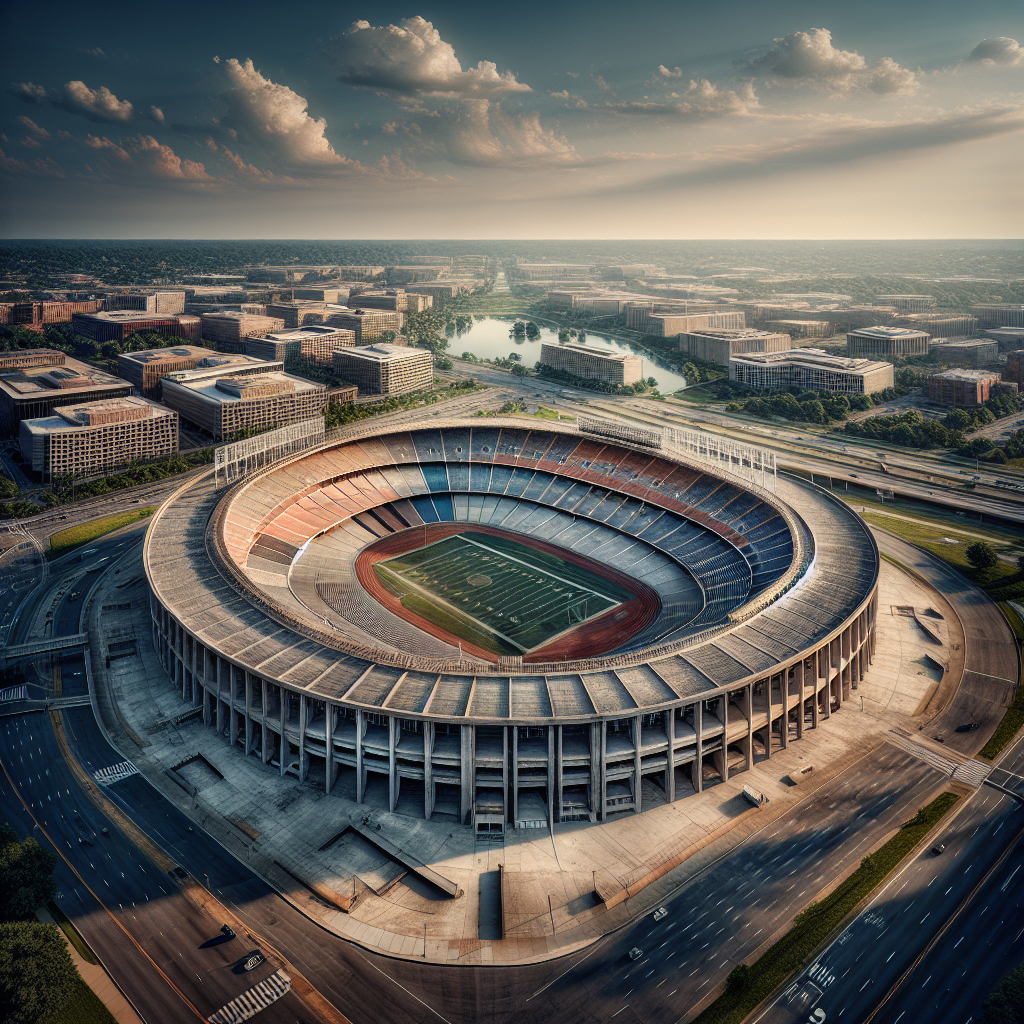
Nestled in the bustling heart of Washington D.C., Robert F. Kennedy Memorial Stadium, affectionately known as RFK Stadium, has been a cornerstone of American sports culture for decades. This iconic multi-purpose stadium has hosted countless legendary sporting events, from major league baseball to high-energy soccer matches, and holds a special place in the hearts of sports fans across the nation. Since its opening in 1961, RFK Stadium has witnessed historic moments, unforgettable games, and a plethora of events that extend beyond the world of sports.
RFK Stadium was initially conceived to serve as the home ground for both the Washington Senators, a Major League Baseball team, and the Washington Redskins, an NFL team. Its versatile design allowed it to effortlessly transition between baseball and football configurations, making it a unique feature in the realm of sports architecture. Named in honor of the late Robert F. Kennedy, the stadium became a living tribute to the beloved senator and his legacy.
Over the years, RFK Stadium has also become a venue for other significant cultural events, including concerts, political rallies, and community activities. From The Beatles’ historic performance in 1966 to Pope John Paul II’s Mass in 1979, the stadium has been a gathering place for diverse audiences, united by their love for the events hosted within its walls. Despite the rise of newer, state-of-the-art venues, RFK Stadium’s charm and rich history continue to endear it to those who have experienced its magic firsthand.
This article delves into the fascinating history of RFK Stadium, exploring its significance as a sports landmark in Washington D.C., its architectural marvels, and the unforgettable moments that have taken place on its fields. Join us as we journey through the storied past of RFK Stadium, celebrating its legacy and the indelible mark it has left on the world of sports and beyond.
The Birth of RFK Stadium
The journey of RFK Stadium began in the late 1950s, driven by the need for a modern sports facility to replace Griffith Stadium, which had served the city for over half a century. The National Capital Planning Commission greenlit the construction of a new, multi-purpose stadium, and in 1959, the groundbreaking ceremony took place. The architectural vision was to create a venue that could seamlessly accommodate both baseball and football games, a somewhat revolutionary concept at the time.
Designed by the architectural firm of George Dahl and Osborn Engineering, RFK Stadium featured an innovative and efficient circular design. This design allowed for flexible seating arrangements and unobstructed views from nearly every seat in the house. The stadium boasted a seating capacity of over 56,000, ensuring it could host large crowds for various events. Its prime location along the Anacostia River offered excellent accessibility and a picturesque backdrop for fans attending games.
RFK Stadium officially opened its doors on October 1, 1961, with a thrilling NFL game between the Washington Redskins and the New York Giants. The stadium’s first baseball game came a few months later, on April 9, 1962, when the Washington Senators faced off against the Detroit Tigers. Although the Senators struggled on the field during their initial years at RFK, the stadium quickly became a beloved fixture, drawing crowds and fostering a passionate fanbase.
In its early years, RFK Stadium also served as a symbol of the growing influence of television on sports. The facility was equipped with advanced broadcast technology, making it an ideal venue for televised games. This technological edge helped the stadium attract national attention, further cementing its status as a premier destination for sporting events. As the 1960s progressed, RFK Stadium continued to evolve, adapting to the changing landscape of American sports and entertainment.
Historic Moments in Baseball at RFK Stadium
Over the years, RFK Stadium became the site of numerous unforgettable baseball moments. One of the most notable was the arrival of the Washington Senators’ star player, Frank Howard, in 1965. Howard, who was affectionately known as “The Capital Punisher,” quickly became a fan favorite due to his towering home runs and charismatic presence on the field. His powerful swings often sent balls soaring into the stands, thrilling spectators and creating lasting memories.
Another significant chapter in RFK’s baseball history unfolded in 2005, when Major League Baseball returned to Washington D.C. after a 33-year hiatus. The newly formed Washington Nationals took the field, rekindling the city’s love for baseball. The Nationals’ inaugural game at RFK culminated in a memorable victory over the Arizona Diamondbacks, marking a new era in the stadium’s storied legacy. Fans celebrated the return of their sport and created an electric atmosphere that would persist throughout the season.
The Nationals’ time at RFK Stadium saw many exciting games, including a remarkable stretch in 2007 when the team won 10 consecutive home games, showcasing their potential and providing a renewed sense of hope to beleaguered fans. The stadium also played host to future stars, such as Ryan Zimmerman, who would go on to become the face of the franchise and a symbol of its enduring appeal. These moments highlighted RFK Stadium’s role as a nurturing ground for talent and a stage for thrilling baseball action.
Although the Nationals eventually moved to their new home at Nationals Park in 2008, the memories created at RFK Stadium continue to resonate with fans. The stadium provided a bridge between the past and the future, ensuring that the legacy of baseball in Washington D.C. remained alive and vibrant. RFK Stadium’s influence on the sport, as well as its role in rekindling the city’s baseball spirit, solidified its place as an iconic venue in American sports history.
RFK Stadium and the Washington Redskins
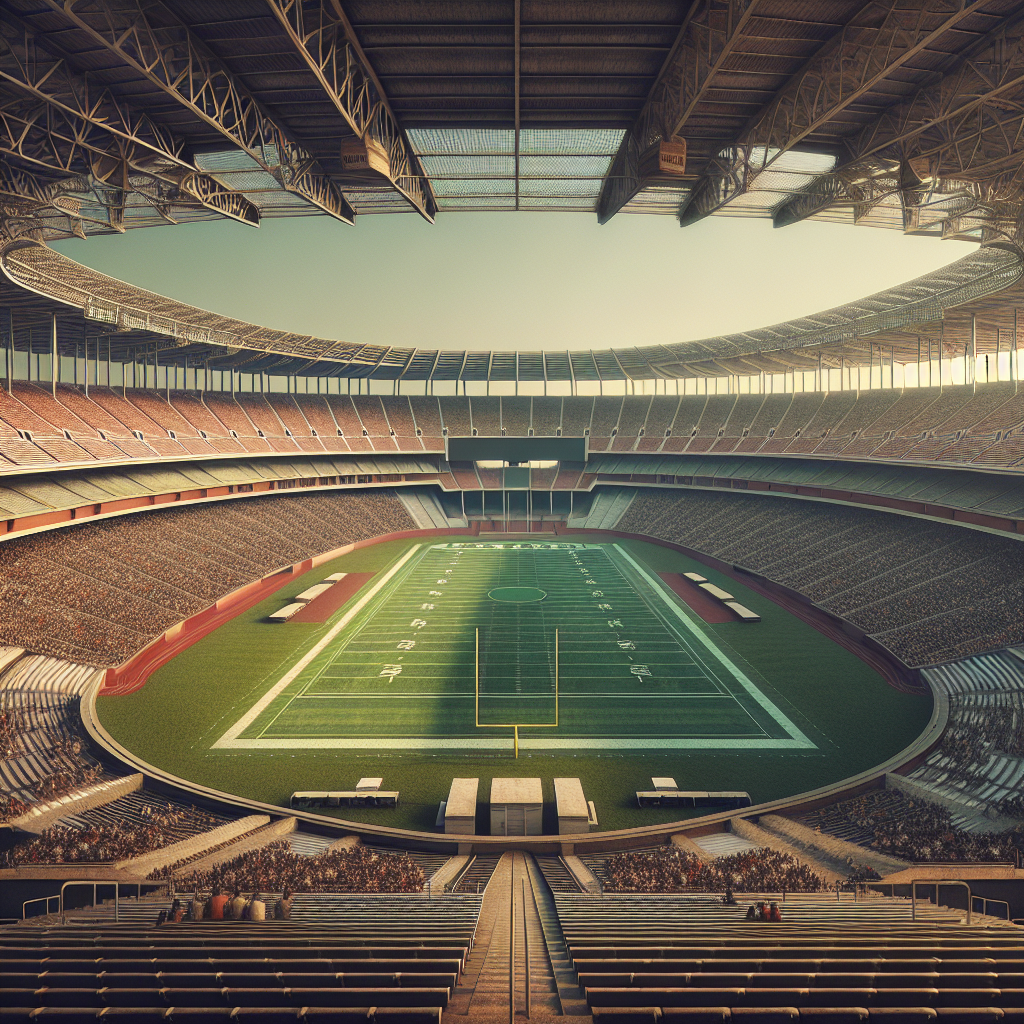
While RFK Stadium is celebrated for its contributions to baseball, its history with the Washington Redskins is equally storied and significant. The Redskins, who had moved to Washington D.C. in 1937, played their home games at Griffith Stadium before relocating to RFK in 1961. This move marked the beginning of a new era for the team, characterized by increased fan engagement and a series of memorable seasons.
During the 1970s and 1980s, RFK Stadium was the setting for some of the most thrilling moments in Redskins history. Under the leadership of head coach Joe Gibbs, the team achieved considerable success, winning three Super Bowl titles in a ten-year span (1982, 1987, and 1991). The stadium became synonymous with the fervent support of Redskins fans, who filled the stands with their enthusiastic chants of “We Want Dallas!” whenever the rival Dallas Cowboys were in town.
One of the most iconic features of RFK Stadium was the stadium itself—quite literally. The structure was known for its characteristic “bounce,” as the seats would physically move and sway under the collective weight of excited fans, especially during key moments in games. This unique phenomenon added to the intense and immersive experience of attending a Redskins game, making RFK a formidable venue for opposing teams.
The Redskins played their final game at RFK Stadium on December 22, 1996, before moving to their new stadium in Landover, Maryland. This game, filled with emotional farewells and a stirring victory over the Dallas Cowboys, signified the end of an era. However, the memories of the Redskins’ time at RFK Stadium live on, encapsulated in the hearts of fans and the history books of the NFL. The stadium’s contribution to the Redskins’ success and its status as a beloved venue cannot be overstated.
Soccer and Other Sports at RFK Stadium
RFK Stadium’s versatility extended beyond baseball and football, making it a key venue for soccer and other sporting events. In the mid-1990s, soccer found a new home in Washington D.C. with the establishment of D.C. United, one of Major League Soccer’s original franchises. From their inaugural season in 1996, D.C. United made RFK Stadium their fortress, drawing dedicated fans and amassing a remarkable track record of success.
D.C. United quickly emerged as a dominant force in MLS, winning multiple championships and establishing a fierce rivalry with the New York Red Bulls. The passionate support from the “Barra Brava” and “Screaming Eagles” fan sections created an electric atmosphere, reminiscent of the fervor seen during Redskins games. RFK Stadium’s design, although initially intended for baseball and football, proved to be an exceptional fit for soccer, with sightlines and proximity to the action enhancing the fan experience.
In addition to D.C. United matches, RFK Stadium has hosted numerous international soccer fixtures, including World Cup qualifiers and friendlies featuring top national teams. The venue also played a pivotal role in the 1994 FIFA World Cup, serving as one of the tournament sites and helping to popularize soccer in the United States. The diverse events held at RFK showcased its adaptability and its ability to cater to different sports and audiences.
Beyond soccer, RFK Stadium has served as the stage for a variety of other sporting events. From college football games and rugby matches to track and field competitions, the stadium has welcomed athletes and fans from all walks of life. Its multi-purpose nature, combined with its central location and iconic status, made RFK Stadium a go-to destination for sports enthusiasts for over half a century. The legacy of these diverse events further solidified the stadium’s place in the pantheon of great American sports venues.
Cultural and Community Impact
While RFK Stadium is primarily celebrated for its contributions to sports, its impact on the cultural and community landscape of Washington D.C. extends far beyond the playing field. The stadium has been a gathering place for various community events, concerts, and political rallies, serving as a hub for civic engagement and cultural expression. Its versatile nature allowed it to become an integral part of the city’s social fabric, drawing people from all walks of life.
One of the most memorable non-sporting events held at RFK Stadium was The Beatles’ concert in 1966. This performance, part of their final tour, drew over 32,000 fans and became an iconic moment in the history of rock and roll. The atmosphere was electric, and the event underscored RFK Stadium’s ability to host large-scale concerts and entertain diverse audiences.
RFK Stadium has also played a significant role in political and social movements. In 1968, it served as the venue for a massive rally in support of presidential candidate Robert F. Kennedy, drawing thousands of supporters for a night of speeches and music. A decade later, in 1979, Pope John Paul II conducted a historic Mass at the stadium, addressing a crowd of over 45,000 people. These moments highlighted the stadium’s importance as a civic space, capable of bringing together individuals for causes and celebrations that transcended sports.
Throughout its history, RFK Stadium has also been a site for community activities and initiatives, such as charity events, youth sports programs, and cultural festivals. Its legacy as a community hub remains an essential aspect of its identity. By providing a space for shared experiences and collective participation, RFK Stadium has fostered a strong sense of community and belonging among residents of Washington D.C. and beyond.
The Future of RFK Stadium
As the years have passed, RFK Stadium has faced the challenges that come with aging infrastructure and the evolving demands of modern sports venues. Discussions about the future of the stadium have been ongoing, with various proposals and plans emerging. Although the stadium has seen a decline in regular sporting events, its historical significance ensures that it remains a cherished landmark in Washington D.C.
The District of Columbia has outlined ambitious plans for the redevelopment of the RFK Stadium site, aiming to transform it into a vibrant community hub. The proposal includes new recreational facilities, green spaces, and cultural attractions, designed to revitalize the area and continue the stadium’s legacy of serving the community. This vision seeks to honor RFK Stadium’s storied past while creating new opportunities for engagement and enjoyment.
Preservation efforts have also been a significant focus, with many advocating for the retention of key elements that define RFK Stadium’s character. The iconic circular design, the unique seating structure, and other architectural features are considered integral to maintaining the stadium’s historical and cultural value. As plans move forward, balancing modernization with preservation will be crucial to ensuring that the essence of RFK Stadium is retained for future generations.
Even as the physical structure of RFK Stadium evolves, its legacy in the hearts of sports fans and the community remains unshakable. The memories forged within its walls, the historic moments witnessed on its fields, and the cultural impact it has made will continue to resonate. RFK Stadium stands as a testament to the enduring power of sports and the communal experiences they create, reminding us of the indelible mark it has left on Washington D.C. and the broader world of sports.
Conclusion
RFK Stadium is more than just a sports venue; it is a symbol of Washington D.C.’s rich history, cultural diversity, and communal spirit. From its inception in the early 1960s to its current status as a historic landmark, RFK Stadium has played a pivotal role in shaping the city’s identity and fostering a sense of community among its residents. Its ability to adapt to different sporting and cultural events has made it a versatile and beloved venue.
The stadium’s contributions to baseball, football, and soccer have created a tapestry of unforgettable moments that continue to be celebrated by fans. The legends of athletes like Frank Howard, the excitement of Washington Nationals games, and the triumphant eras of the Washington Redskins are all integral threads in the rich fabric of RFK Stadium’s history. Additionally, the stadium’s role in hosting international soccer matches and nurturing the growth of D.C. United speaks to its global impact.
Beyond sports, RFK Stadium has served as a cultural and civic hub, hosting concerts, political rallies, and community events that have brought people together. Its capacity to unite individuals for a common cause or shared experience has cemented its place as a cherished venue in the hearts of many. The memories of historical concerts, such as The Beatles’ performance, and significant moments of civic engagement remain etched in the collective memory of Washington D.C.
As RFK Stadium looks to the future, the vision for its redevelopment offers an opportunity to preserve its legacy while creating new possibilities for the community. The proposed plans aim to honor the stadium’s history while providing modern amenities and spaces for recreation, culture, and engagement. In doing so, RFK Stadium will continue to serve as a symbol of Washington D.C.’s enduring spirit, reminding us of the power of sports and community to shape our lives.
Frequently Asked Questions
1. What makes RFK Stadium an iconic sports landmark in Washington D.C.?
Ah, where to begin! RFK Stadium stands as a symbol of sports history and cultural significance, nestled daintily in the vibrant backdrop of Washington D.C. Since opening its doors in 1961, this multi-purpose stadium has become synonymous with thrilling action and sporting excellence. Imagine a space where the echoes of cheering fans back in the day still linger in the air. Not just a place for games, RFK has been the epicenter of American sporting culture, nestled right in the nation’s capital. It’s seen the highs and lows of different teams and sports, hosting everything from major league baseball games to dynamic soccer matches. Its historical value is immeasurable. Don’t forget the bigger-than-life concerts, too – RFK’s walls have vibrated to the sounds of music legends. Hence, RFK isn’t just a structure; it’s a living, breathing memory of the sporting spirit and a beloved heart of a community, always pumping with excitement and nostalgia.
2. What notable sporting events have taken place at RFK Stadium?
RFK Stadium has been at the center of numerous unforgettable sports events and milestones. If we travel back through time, you’ll find it was home to the Washington Redskins (now known as the Washington Commanders) for over three decades. Fans would pack the stadium, their energy pulsing through the seats as they cheered their team to victory. Then there’s the beautiful game of soccer – RFK’s been a significant venue for Major League Soccer’s D.C. United, never short of fiery competitions and memorable goal celebrations. Baseball lovers have fond memories as well, with RFK hosting the Washington Senators and even the first few seasons of the Washington Nationals. Moreover, it’s been a stage for international soccer stardom, with World Cup matches and international friendlies that saw top-tier teams and players grace its field. These are just snippets of the legendary spectacles RFK has proudly hosted!
3. Why is the stadium named after Robert F. Kennedy?
RFK Stadium carries the honor of being named after Robert F. Kennedy, an iconic figure in American history known for his passionate service as a U.S. Senator and Attorney General. Known for his drive towards equal rights and social justice, Robert F. Kennedy was, and still is, an embodiment of hope and moral courage. Renaming the stadium to RFK in 1969 was a heartfelt tribute to his legacy after his tragic assassination in 1968. This renaming not only cemented his lasting memory within the D.C. community but also stamped his name into the annals of sports culture, symbolizing ideals of fair play and the pursuit of excellence – everything that sports ideally stand for. From every game played, there’s always a tribute to his enduring spirit that pushes athletes to strive for greatness, much like Kennedy himself did in his lifetime.
4. How has RFK Stadium contributed to Washington D.C.’s community and culture?
RFK Stadium is much more than just a site for sports; it’s woven into the fabric of D.C. society. Over the decades, it’s served as a welcoming arena for family outings, passionate fan gatherings, and community events that brought people together. The stadium has unified diverse groups, echoing the melting-pot essence of D.C. itself. Fanatics of every sport have shared their zeal in its stands, building connections that transcend beyond the games. But it doesn’t stop there – think concerts, festivals, and even charity events. RFK has been a stage for some of the most iconic musical performances, drawing music lovers from far and wide. Through these events, RFK has fostered a rich cultural tapestry, coloring the city’s history with shared memories and moments that last a lifetime. It’s a venue that has nurtured ties among residents and underlined Washington D.C.’s vibrant spirit, bonding visitors and locals alike.
5. What does the future hold for RFK Stadium?
As with all historic landmarks, the future of RFK Stadium is a topic of both nostalgia and anticipation. While the stadium has seen its share of wear and tear, conversations paint a hopeful picture. There are plans to reimagine and revitalize the area, transforming it into a dynamic hub that will continue to serve the community in innovative ways. The idea is to enrich the broader RFK Campus, not just preserving its legacy but enhancing it – think sports, recreation, and community-focused spaces, purposely crafted to ensure RFK remains a cherished landmark. While specific details and timelines are still evolving, the vision is clear: to honor the past while embracing the future with spaces that celebrate sports, culture, and community. Whatever’s next for RFK, it’s bound to reflect the hopes and dreams of everyone who’s come to know its storied stands, ensuring that the spirit of this iconic stadium lives on for generations to come.