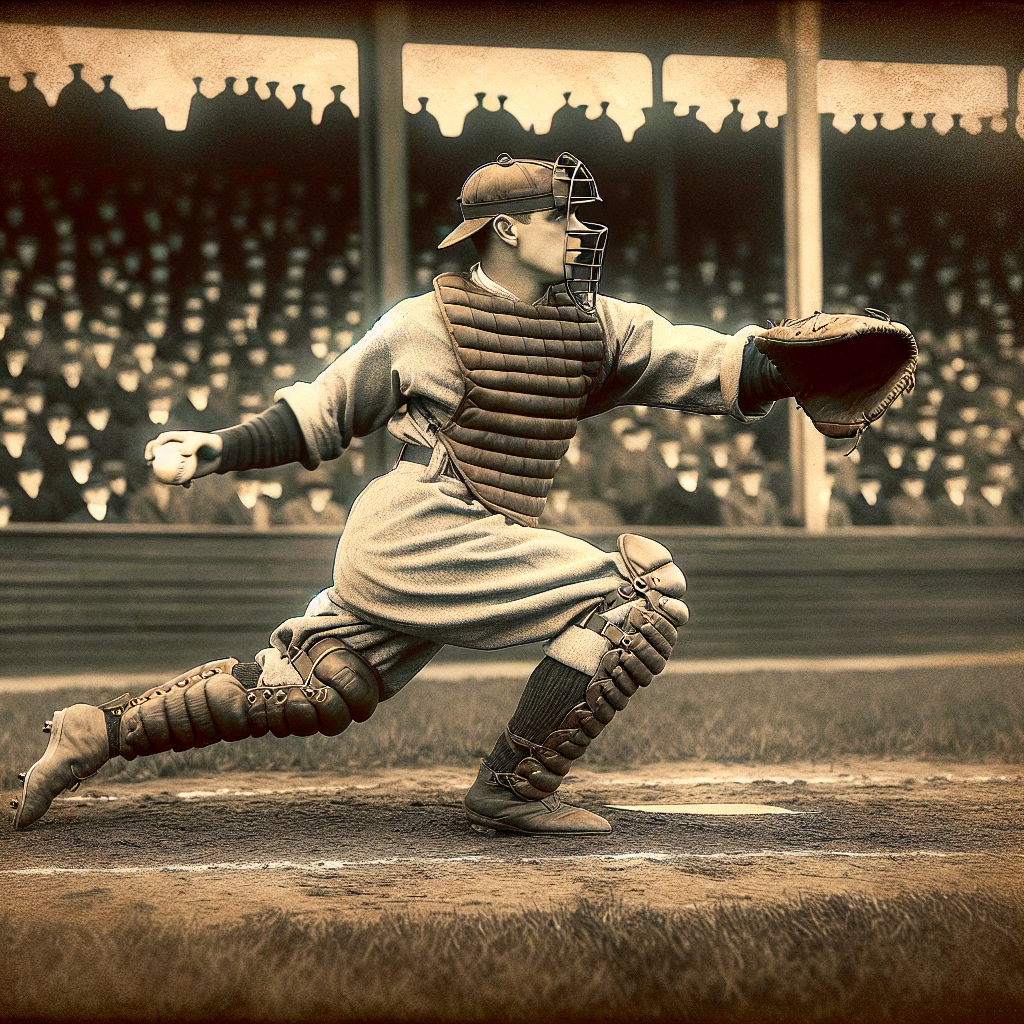
In the annals of baseball history, few catchers have earned as much respect and admiration as Ray Schalk. Known for his unparalleled defensive skills, intelligence on the field, and leadership behind the plate, Schalk left an indelible mark on the sport. Understanding Ray Schalk’s contributions to baseball requires a dive into his early life, career achievements, and the unique strengths that made him legendary.
Early Life and Introduction to Baseball
Born on August 12, 1892, in Harvel, Illinois, Ray Schalk grew up in a modest family. Like many boys of his time, Schalk fell in love with baseball at an early age. His first foray into organized baseball came during his time at Litchfield High School, where he showcased his talent as a catcher. Schalk’s early experiences in high school baseball provided him with a strong foundation. It wasn’t merely raw talent that set him apart; it was his work ethic and dedication to mastering every aspect of the game. He possessed an intuitive understanding of the catcher’s role, from the basics of receiving pitches to the art of guiding his pitchers through tough innings.
As his reputation grew, Schalk caught the attention of minor league scouts. In 1911, he began his professional career with the Milwaukee Brewers of the American Association. His defensive prowess, combined with his quick reflexes and sharp intellect, soon made him a standout player in the league. He wasn’t just catching; he was thinking ahead, anticipating plays, and showing a maturity beyond his years. Scouts and managers knew that Schalk was destined for greatness.
Career with the Chicago White Sox
In 1912, Ray Schalk’s life and career took a major turn when he was purchased by the Chicago White Sox. This move to the Major Leagues marked the beginning of a storied career. Schalk quickly proved his worth, and by 1913, he was the Sox’s starting catcher, a position he would dominate for the next sixteen years. Schalk’s catching skills were revolutionary. His ability to frame pitches, block errant throws, and manage the game from behind the plate were second to none. His defensive stats tell the story: over his career, he led American League catchers in putouts nine times, assists seven times, and caught stealing percentage four times. Schalk was the archetype of what a defensive catcher should be.
However, it wasn’t just Schalk’s statistical prowess that set him apart. His leadership and presence on the field were invaluable. He commanded respect from his teammates and opponents alike with his knowledge of the game and ability to execute under pressure. Schalk’s strategic mind made him a key figure in many of the White Sox’s successes during his tenure.
The 1919 World Series and the Black Sox Scandal
Perhaps one of the most well-known chapters in Schalk’s career was his involvement in the 1919 World Series, which would later become infamous as the Black Sox Scandal. During this series, eight members of the Chicago White Sox were accused of intentionally losing games in exchange for money from gamblers. Despite the scandal that tarnished the Series and the reputation of so many players, Schalk emerged with his integrity intact.
While his teammates were embroiled in controversy, Schalk played only to win. His efforts on the field during the series, especially in his defensive duties, were commendable. It’s said that Schalk was among the first to suspect his teammates might be throwing the games, evident in his rebukes and attempts to rally the team. His faithfulness to the essence of baseball and his team’s honor were unwavering. After the scandal, his clean reputation and sportsmanship were widely recognized, further elevating his status in the sport.

Innovations and Techniques
Ray Schalk wasn’t just an extraordinary catcher; he was also an innovator. His creativity behind the plate led to several advancements in how catchers play the game today. Schalk is often credited with pioneering the one-handed catching style, which allowed catchers to be more mobile and flexible in receiving pitches and tagging out baserunners. This technique has since become a standard among catchers.
Another significant contribution from Schalk was his approach to handling pitchers. He knew the strengths and weaknesses of each pitcher on his team and tailored his catching to maximize their effectiveness. Schalk’s methods of studying hitters and consistently strategizing on how to pitch to them were ahead of his time.
Schalk’s analytical mindset extended to his mental game. He would constantly communicate with infielders and outfielders, positioning them perfectly for each batter. His ability to see the game several moves ahead and his insistence on meticulous preparation redefined the catcher’s role.
Personal Life and Post-Career
Ray Schalk’s life beyond the diamond was just as dedicated and disciplined as his career. Married to Lavinia Gladwish in 1912, Schalk embraced a family-oriented life. He was known to be a quiet and unassuming man off the field, in stark contrast to his commanding and vocal presence on it. After retiring from playing, Schalk transitioned into coaching and management roles. He managed minor league teams and served as a coach for the Chicago Cubs and the Chicago White Sox, among other teams. Schalk’s deep understanding of baseball tactics and player management made him a valuable asset for any organization he worked with.
Beyond coaching, Schalk remained an ambassador of the game, frequently attending events, ceremonies, and speaking engagements. His love for baseball never waned, and he spent considerable time nurturing the next generation of players, passing on his extensive knowledge and passion for the sport.
Legacy and Hall of Fame Induction
Ray Schalk’s impact on baseball is immortalized through numerous accolades and honors. One of the crowning achievements of his life was his induction into the Baseball Hall of Fame in 1955. This honor recognized not only his defensive brilliance but also his integrity and contributions to the sport over the years. He remains one of the few catchers to be inducted primarily for his defensive skills. Schalk’s legacy also lives on through the rules and techniques he helped innovate. Many modern catchers cite Schalk as an inspiration for their playing style, pointing to his exceptional game management and innovative approach. His ability to dissect a game and implement strategies on the fly is emulated by catchers at all levels of the sport.
Additionally, Schalk’s reputation for sportsmanship and fair play is cited as a gold standard. In a game that has seen its fair share of scandals and controversies, Schalk’s unwavering dedication to the integrity of baseball is a beacon of what the sport strives to represent. Schalk passed away on May 19, 1970, but his legacy endures. Fans, players, and historians continue to celebrate his contributions to baseball, ensuring he is remembered not just as a player, but as an icon of the sport.
Conclusion
Ray Schalk’s illustrious career as a defensive catcher stands as a testament to his unparalleled skills, strategic mind, and unwavering integrity. From his early days in the minor leagues to his celebrated tenure with the Chicago White Sox, Schalk was a pioneer in his approach to catching, transforming the role with his innovative techniques and leadership. His experiences during the Black Sox Scandal only further highlighted his commitment to the true spirit of baseball. Schalk’s personal life and post-career endeavors show a man deeply committed to the game and his family. His coaching career and influence on future generations of players underscore his lasting impact on baseball. Inducted into the Baseball Hall of Fame in 1955, Schalk’s legacy is etched in the annals of baseball history, serving as an inspiration for aspiring catchers and a benchmark for defensive excellence.
In celebrating Ray Schalk, we celebrate a player who embodied the very best of baseball: skill, innovation, passion, and integrity. His contributions continue to shape the sport, ensuring that Ray Schalk’s name remains synonymous with the superior skill of a defensive catcher.
Frequently Asked Questions
1. What were Ray Schalk’s most notable defensive skills as a catcher?
Ray Schalk was renowned for his exceptional defensive prowess, which included a suite of rare skills that set him apart from his peers. First and foremost, Schalk had an extraordinary ability to efficiently handle pitches, characterized by his adeptness in framing pitches, thereby making borderline strikes convincing to umpires. His swift reaction time allowed him to block wild pitches, which significantly reduced the number of passed balls, a feat that underscored his reliability behind the plate.
Moreover, Schalk possessed a cannon of an arm that struck fear into base runners. His quick transfer and precise throws made him a formidable deterrent for potential base stealers. His defensive acumen didn’t just stop with his physical abilities; Schalk’s intelligence and understanding of the game allowed him to anticipate plays, effectively communicate with pitchers, and position himself adeptly in various game situations. These combined skills elevated Schalk as one of the preeminent defensive catchers in baseball history.
2. How did Ray Schalk’s leadership impact his team?
Ray Schalk’s leadership was an integral component of his game that significantly impacted his team’s performance. His experience and knowledge of the sport allowed him to think several steps ahead, providing strategic guidance during tight game situations. Schalk’s capability to read opponents and make quick, tactical decisions played a vital role in the success of his team.
Beyond game strategy, Schalk’s demeanor behind the plate exuded confidence and authority, earning respect from both teammates and opponents. He was a stabilizing force, encouraging and rallying his peers during high-pressure moments. Schalk’s ability to harmonize the pitcher-catcher dynamic fostered a sense of trust and reliability that was crucial for cohesive team play. His professionalism and dedication set a high standard for conduct and performance, inspiring his team to mirror his commitment and resilience.
3. What were some of Ray Schalk’s significant career achievements?
Throughout his illustrious career, Ray Schalk accumulated a number of impressive achievements that testified to his profound impact on the game. One of the standout milestones was his induction as the first catcher in Major League Baseball history to catch four no-hit games, a testament to his exceptional skills and synergy with his pitchers.
Another notable achievement was his indispensable role in leading the Chicago White Sox to a World Series championship in 1917. Schalk’s defensive dominance and strategic play were pivotal during that victorious season, cementing his legacy as an indispensable asset to his team. In recognition of his contributions and skill, Ray Schalk was inducted into the Baseball Hall of Fame in 1955, an honor that further solidified his status as a legend in the sport.
4. How did Ray Schalk’s early life influence his baseball career?
Ray Schalk’s formative years in Harvel, Illinois, laid the groundwork for his future success in baseball. Growing up in a small community, Schalk developed a strong work ethic and tenacity that would become hallmarks of his playing style. His love for the game was evident from a young age, leading him to participate actively in local amateur baseball leagues.
These early experiences on the diamond honed Schalk’s natural athletic abilities and ingrained a deep understanding of the game’s intricacies. The small-town environment facilitated close-knit interactions, fostering leadership skills and a cooperative spirit. Through perseverance and dedication, Schalk crafted a path from modest beginnings to the heights of professional baseball, his early life providing both the inspiration and foundation for his enduring career.
5. In what ways did Ray Schalk change the role of the catcher in baseball?
Ray Schalk revolutionized the catcher position by exemplifying how critical and multifaceted the role could be in a baseball team. Traditionally viewed as a purely defensive position, Schalk broadened the scope by showcasing the strategic importance of the catcher as a field general. His ability to manage the pace and dynamic of the game from behind the plate highlighted the value of intellectual acumen in conjunction with defensive skills.
By effectively communicating with pitchers and adapting his tactics according to opponents’ tendencies, Schalk underscored the necessity for catchers to possess strong game management and decision-making abilities. His proactive approach to stopping base stealers and calling games also encouraged a more aggressive play style from the catcher position. Consequently, Ray Schalk provided a blueprint for future catchers, transforming the role into one that demanded a balance of physical, mental, and leadership capabilities, inspiring generations of catchers to model their game after his exemplary methods.