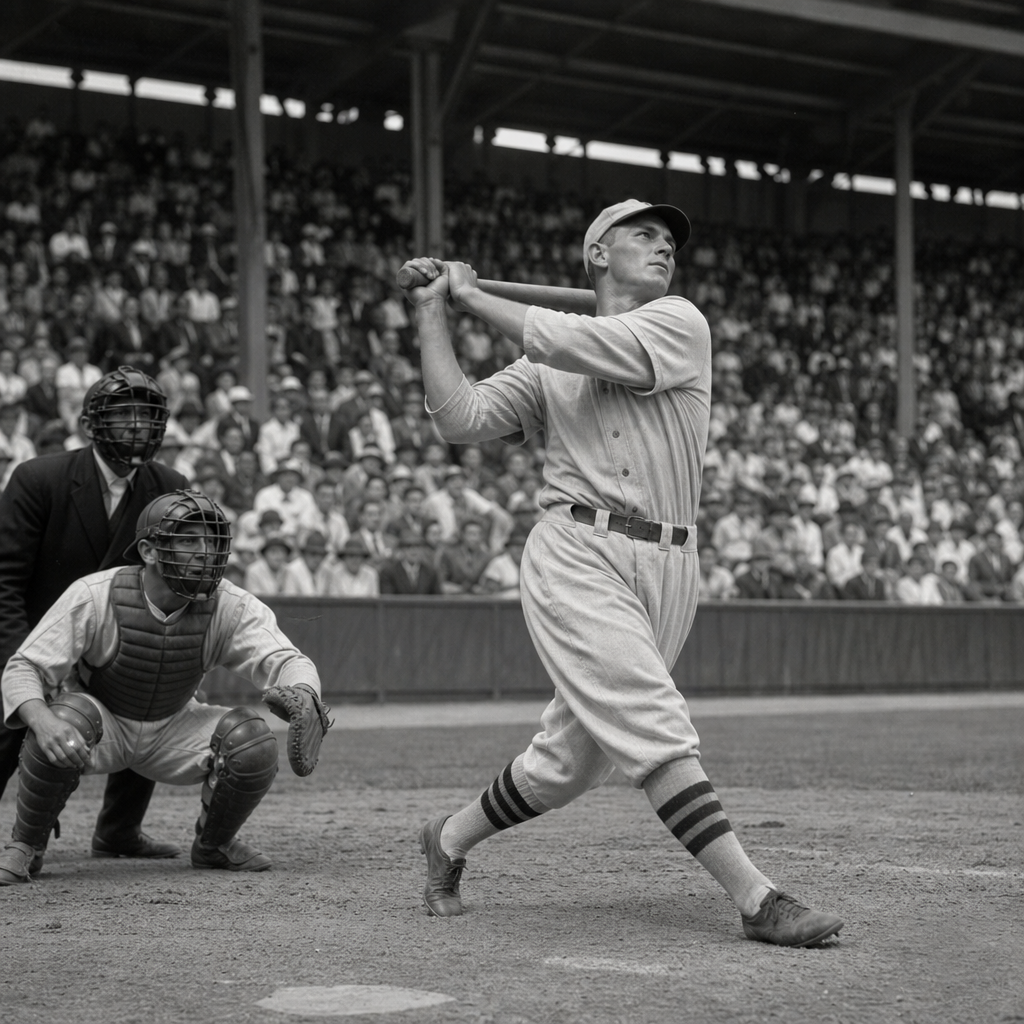
College baseball has produced some of the sport’s most influential breakthroughs, unforgettable personalities, and defining moments. Long before many stars reached the minor leagues or Major League Baseball, campuses served as testing grounds for strategy, equipment, scouting, player development, and national exposure. In the broad landscape of minor leagues and college baseball, historic moments in college baseball matter because they reveal where the modern game learned to grow, adapt, and professionalize.
When discussing pioneers and innovators in college baseball, the term “pioneer” refers to individuals or programs that opened new paths, whether by building early powerhouse teams, expanding access, or reshaping public interest. “Innovator” refers to people and institutions that introduced new methods, from coaching systems and recruiting models to media coverage, aluminum bats, strength training, and postseason formats. Historic moments are not limited to championships. They also include rule changes, integration, regional expansion, landmark games, and turning points that altered how college baseball was played and valued.
I have worked with historical baseball research and archival game material long enough to see one pattern repeat: college baseball is often treated as a stepping stone, but its own history is deep, distinct, and essential. The college game has been a laboratory for ideas that later influenced the amateur and professional levels. The College World Series became a national institution. Southern and West Coast programs transformed recruiting and facilities. Black athletes and coaches challenged exclusionary systems. Television, scholarship investment, and analytics changed expectations for players and staffs. Understanding these milestones helps fans connect today’s game to the institutions, people, and decisions that built it.
The early foundations of college baseball
College baseball emerged in the nineteenth century, with schools in the Northeast helping formalize intercollegiate competition. One often cited early landmark came in 1859, when Amherst and Williams played a documented collegiate baseball contest under adapted rules. The game still lacked national structure, and formats varied by region, but the precedent mattered. Colleges were among the first organized environments where baseball could be scheduled, recorded, and tied to institutional identity. That connection between sport and school loyalty would later become one of college baseball’s greatest strengths.
In the late nineteenth and early twentieth centuries, schools such as Yale, Harvard, Princeton, Michigan, and Texas helped elevate the sport’s visibility. These programs traveled, developed rivalries, and created traditions that mirrored the broader growth of college athletics. At a time when professional baseball was still defining itself, college teams provided a disciplined setting for player development and experimentation. Coaches had to solve problems with limited budgets and inconsistent facilities, which encouraged practical innovation in training, scheduling, and roster management. Early success depended less on glamour than on organization and institutional commitment.
The early college game also reflected the uneven geography of American baseball. Northern schools were prominent at first, but weather, travel, and academic calendars shaped the season. Over time, warmer regions gained a competitive advantage because they could practice and play more consistently. That simple environmental fact would later help shift power toward the South and West. Even in these early decades, the core themes of college baseball history were visible: regional identity, adaptation, and the search for a stable national stage.
The creation of a national championship culture
The establishment of the NCAA baseball championship in 1947 marked one of the most important historic moments in college baseball. It gave the sport a clear national endpoint and helped standardize what success looked like. Two years later, the College World Series began in 1947 and moved to Omaha in 1950, where it developed into one of the sport’s defining annual events. Omaha gave college baseball a consistent home, and that permanence mattered. Fans, media, and scouts knew where the season would culminate, and programs could measure themselves against a national field rather than just local rivals.
The College World Series changed more than postseason visibility. It created pressure for better coaching, stronger scheduling, and more deliberate recruiting. Programs that wanted to reach Omaha had to think beyond conference play. They needed pitching depth, defensive consistency, and players capable of handling elimination-game pressure. In my experience reviewing older tournament accounts, the most successful teams were often the ones that combined local identity with national ambition. They played a recognizable style but understood that championships demanded adaptability.
USC’s extraordinary run under Rod Dedeaux illustrates how a national championship structure can create dynasties. Dedeaux led the Trojans to an unmatched number of national titles and established a model of disciplined, fundamentals-driven excellence. His teams were not just talented. They were polished, prepared, and strategically sound. The standard USC set in the mid-twentieth century forced every serious contender to raise its expectations. The idea of college baseball as a fully developed high-level sport, rather than a seasonal campus pastime, gained credibility because programs like USC treated it that way every day.
Coaches and programs that redefined the sport
Several coaching pioneers changed college baseball by building repeatable systems instead of relying on occasional talent spikes. Rod Dedeaux at USC, Skip Bertman at LSU, Augie Garrido at Cal State Fullerton and Texas, and Ron Fraser at Miami each represent a different form of innovation. Dedeaux mastered consistency. Bertman transformed fan engagement, roster intensity, and postseason expectations at LSU. Garrido emphasized psychology, detail, and adaptability, proving that elite coaching could produce titles across different programs. Fraser turned Miami into a brand and promoted college baseball with unusual energy, understanding that visibility and ambition were linked.
What separated these coaches from strong contemporaries was not only winning. It was systems thinking. They built training habits, assistant coaching structures, recruiting pipelines, and competitive cultures that could survive roster turnover. That is a major historic shift. Earlier eras often depended on a few standout players. The great innovators made college baseball more programmatic. They showed that facilities, administration, booster support, and player accountability all affected results. Modern powerhouse programs still follow this blueprint.
| Figure or Program | Historic contribution | Lasting impact |
|---|---|---|
| Rod Dedeaux, USC | Built the sport’s most dominant championship dynasty | Set the benchmark for national-title program management |
| Skip Bertman, LSU | Combined elite coaching with event-level fan culture | Helped make SEC baseball a major spectator product |
| Augie Garrido | Applied advanced teaching and mental preparation methods | Proved coaching philosophy could travel across schools |
| Ron Fraser, Miami | Promoted the sport aggressively and embraced spectacle | Expanded the visibility and ambition of college baseball |
Programs also drove innovation through investment. Arizona State, Texas, Stanford, Cal State Fullerton, LSU, and later Florida, South Carolina, Vanderbilt, and Coastal Carolina each helped redefine what a serious baseball program looked like. Better ballparks, indoor training spaces, strength staffs, video review, and dedicated operations support became competitive necessities rather than luxuries. Once a few schools proved that infrastructure translated into wins, others followed. That changed recruiting, player development, and the relationship between college baseball and the minor leagues.
Integration, access, and the widening of opportunity
No honest history of college baseball can ignore exclusion. For decades, segregation and unequal access limited who could play, where they could compete, and who received recognition. Integration did not arrive everywhere at the same speed, but the eventual inclusion of Black players and later broader opportunities for athletes from different racial, regional, and international backgrounds transformed the sport. These changes improved the quality of play and widened the game’s cultural reach. They also corrected, however imperfectly, structural barriers that had kept too much talent outside the college system.
Historically Black colleges and universities played a vital role in sustaining opportunity during periods when many predominantly white institutions excluded Black athletes. Their programs developed players, coaches, and baseball communities that deserve far more attention in mainstream histories. As integration expanded, players from HBCUs and integrated programs demonstrated that talent had never been the issue; access had been. This is a key historic truth. College baseball became stronger when more players were allowed to participate fully.
Later decades brought additional widening of access through scholarships, junior-college transfer routes, summer collegiate leagues, and international recruiting. The junior-college path in particular became a major bridge for late-developing talent or players needing academic and competitive progression. I have repeatedly seen this overlooked in broad histories: some of college baseball’s biggest breakthroughs came not from headline champions, but from systems that made the sport more reachable and merit-based. Expansion of opportunity changed rosters, raised standards, and strengthened the link between college baseball and professional scouting.
Equipment, strategy, and the modern player-development era
Historic moments in college baseball are not only attached to famous names. Some of the biggest turning points came from changes in equipment, rules, and training science. The introduction and eventual dominance of aluminum bats altered offensive environments dramatically. Balls came off the bat faster, offensive numbers rose, and roster construction shifted. Coaches valued speed, pressure, and line-drive production differently when the equipment rewarded contact quality and mishits more than wood bats typically would. The BBCOR standard, adopted in 2011, later reduced trampoline effects and helped restore a more balanced run-scoring environment.
Pitching strategy evolved just as sharply. Earlier generations often leaned on complete games and heavy workloads. As medical knowledge improved and professional scouting priorities changed, pitch counts, recovery protocols, bullpen specialization, and biomechanical evaluation became central. Weighted-ball programs, high-speed video, force plates, and motion-capture analysis now influence training in top programs. Used correctly, these tools can improve velocity, command, and durability. Used carelessly, they can overload young arms. The best college staffs understand both the upside and the risk.
Offensively and defensively, modern college baseball became more information-driven. Spray charts, defensive positioning, swing-decision data, and bat-speed tracking increasingly shape coaching. Yet the sport still rewards fundamentals that earlier innovators emphasized: controlling the running game, limiting free baserunners, executing cuts and relays, and defending routine plays under pressure. That continuity is important. Technology changed how coaches teach, but not the reality that championship baseball usually belongs to the most complete team, not simply the most toolsy roster.
Media growth, the draft, and the connection to the minor leagues
College baseball’s relationship with the minor leagues and professional baseball is one of its defining themes. The MLB draft, expanded scouting networks, and television exposure changed how the college game was perceived. Once scouts could evaluate players through better data, summer leagues such as the Cape Cod Baseball League, and nationally televised postseason games, college baseball became a more direct pipeline to pro ball. That shift increased the stakes of player development on campus. College coaches were no longer just trying to win weekends; they were preparing players for the next level under constant evaluation.
ESPN’s coverage of the College World Series and super regionals helped turn college baseball into a recognizable national product. Ballparks filled, brand identities sharpened, and recruiting became more sophisticated. Programs learned to market atmosphere as well as results. Alex Box Stadium at LSU, Dudy Noble Field at Mississippi State, Hawkins Field at Vanderbilt, and Olsen Field at Texas A&M became examples of how facilities and fan culture could shape national perception. For recruits, these environments looked less like side venues and more like developmental stages for professional careers.
The draft also forced difficult decisions. Elite high school players had to choose between signing immediately or entering college. College players had to balance short-term performance with long-term development. The reduction of the MLB draft to 20 rounds and changes to the minor league system intensified roster pressure across college baseball. Older, stronger, more polished rosters became common in some programs, while transfer rules and name, image, and likeness opportunities introduced new strategic layers. These are modern historic developments because they changed not only who plays college baseball, but why they choose it.
Why these moments still shape the sport
The pioneers and innovators of college baseball did more than create memories. They built structures that still determine who competes, how players develop, and what fans expect. Early northeastern programs established intercollegiate legitimacy. The NCAA tournament and Omaha created a national goal. Legendary coaches proved that systems outperform improvisation over time. Integration and expanded access made the sport better and fairer. Equipment standards, analytics, and sports science modernized preparation. Media exposure and the professional pipeline connected campus baseball to the broader baseball economy.
For a hub page within the minor leagues and college baseball landscape, the main takeaway is simple: every current debate in the sport has historical roots. Questions about player pay, transfers, draft leverage, regional power, bat standards, scheduling, and postseason format all connect to earlier turning points. Knowing that history makes today’s changes easier to understand and evaluate. It also highlights why college baseball remains one of the game’s most important proving grounds.
If you want to explore this miscellaneous corner of college baseball more deeply, use these landmark moments as your roadmap. Follow the coaches, programs, rules, and social changes that moved the sport forward. They explain not only where college baseball has been, but where it is headed next.
Frequently Asked Questions
Why are historic moments in college baseball so important to the sport as a whole?
Historic moments in college baseball matter because the college game has long functioned as one of baseball’s most influential proving grounds. On campuses across the country, coaches, players, and programs experimented with strategy, conditioning, recruiting, equipment use, and player development well before many of those ideas became standard at higher levels of the sport. College baseball offered a competitive environment where talented athletes could mature, where regional styles of play could clash, and where future professionals could learn how to handle pressure, travel, scouting attention, and national expectations. In that sense, many of the game’s major advances did not begin under the brightest professional lights, but in college ballparks and postseason tournaments where innovation had room to grow.
These moments also help explain how modern baseball became more organized, more visible, and more sophisticated. Landmark games, breakthrough players, dominant dynasties, and changes in postseason structure all contributed to the sport’s evolution. College baseball created storylines that shaped how talent was identified and how fans connected with the game. Its history reveals that the sport’s development was not limited to Major League Baseball or the minor leagues; it was strengthened by collegiate competition that produced leaders, trendsetters, and unforgettable moments that pushed baseball forward.
How has college baseball helped shape future stars before they reach the minor leagues or Major League Baseball?
College baseball has played a central role in preparing players for the professional game by giving them a high-level environment to refine both skill and baseball intelligence. Unlike shorter developmental experiences, the college setting allows athletes to face elite competition over multiple seasons while working closely with coaching staffs that emphasize mechanics, situational awareness, strength training, and mental toughness. Players learn how to adjust to advanced pitching, make in-game decisions, recover from failure, and perform in front of larger crowds and scouting audiences. Those lessons often become the foundation for success in the minor leagues and beyond.
Just as important, historic college baseball moments often showcase the first national glimpses of players who later became major figures in the sport. A dramatic postseason performance, a dominant season, or a memorable rivalry series can reveal not just raw talent but also leadership, resilience, and composure. Scouts and executives have long viewed the college game as a valuable evaluation tool because it places players in pressure-filled situations that resemble professional expectations. For many future stars, college baseball was not simply a stop on the way to the pros; it was the stage where their baseball identity took shape and where the wider sport first recognized their potential.
What kinds of innovations have come out of college baseball over the years?
College baseball has contributed to innovation in several key areas, including strategy, training, scouting, and player usage. Because college coaches often work within unique roster structures and academic calendars, they have historically been creative in how they manage pitching staffs, defensive alignments, offensive approaches, and player versatility. The college game has often rewarded adaptability, which has made it fertile ground for experimenting with aggressive baserunning, matchup-based decisions, specialized bullpen roles, and developmental systems tailored to younger athletes. Many concepts that later gained traction in professional baseball were sharpened in college environments where teaching and tactical flexibility were essential.
Innovation has also extended beyond the field. College programs helped accelerate the use of structured strength and conditioning, video review, advanced scouting preparation, and modern recruiting networks. As the sport grew in visibility, successful programs demonstrated how facilities, sports medicine, analytics, and national scheduling could elevate performance and exposure. Historic moments are often tied not only to famous games or players, but also to these behind-the-scenes breakthroughs that changed how baseball organizations think. In that way, college baseball has served as a laboratory for the sport, showing how new ideas can improve competition and influence the broader baseball world.
Which historic moments in college baseball had the biggest impact on national attention and popularity?
Some of the most important historic moments in college baseball are the ones that brought the game to a wider audience and helped transform it from a regional passion into a nationally followed sport. The growth of major postseason events, especially the expansion and prestige of the College World Series, gave fans a centralized championship stage and created signature moments that could define entire eras. Dramatic title runs, extra-inning classics, powerhouse programs establishing dynasties, and individual performances under national scrutiny all helped elevate the profile of the sport. As those moments were shared through radio, television, and later digital media, college baseball earned a stronger place in the national conversation.
Equally significant were the moments when iconic programs, coaches, and players became recognizable beyond their local fan bases. Rivalries drew attention, ballparks became destinations, and postseason atmospheres showcased the emotion and quality of the college game. These turning points made it easier for casual fans, scouts, and media outlets to see college baseball as more than a feeder system. They highlighted the sport’s own traditions, drama, and identity. National popularity grew because historic moments gave audiences something memorable to rally around, and those moments helped prove that college baseball could deliver excellence, entertainment, and cultural significance in its own right.
How does the history of college baseball connect to the broader story of baseball’s evolution?
The history of college baseball is deeply connected to baseball’s larger evolution because it shows how the game develops through multiple levels, not just at the professional top. College baseball has been one of the places where future coaches, executives, and players first encountered advanced systems of instruction, leadership, and competition. It sits at an important intersection between amateur development and professional opportunity, making it a key part of the sport’s pipeline and culture. When you study historic moments in college baseball, you see early versions of trends that later influenced the minor leagues, Major League Baseball, and the sport’s national identity.
This connection is especially clear when looking at how college baseball helped normalize broader access to elite competition, sharpen regional talent networks, and create a public stage for emerging stars. It has reflected changes in training methods, media coverage, scholarship structures, and the growing business of talent evaluation. It has also preserved the human side of the sport through stories of pioneering coaches, transformative programs, and athletes who changed expectations. In short, college baseball history is not a side chapter in baseball history. It is one of the clearest records of how the game learned to grow, adapt, and produce the innovators who shaped its future.