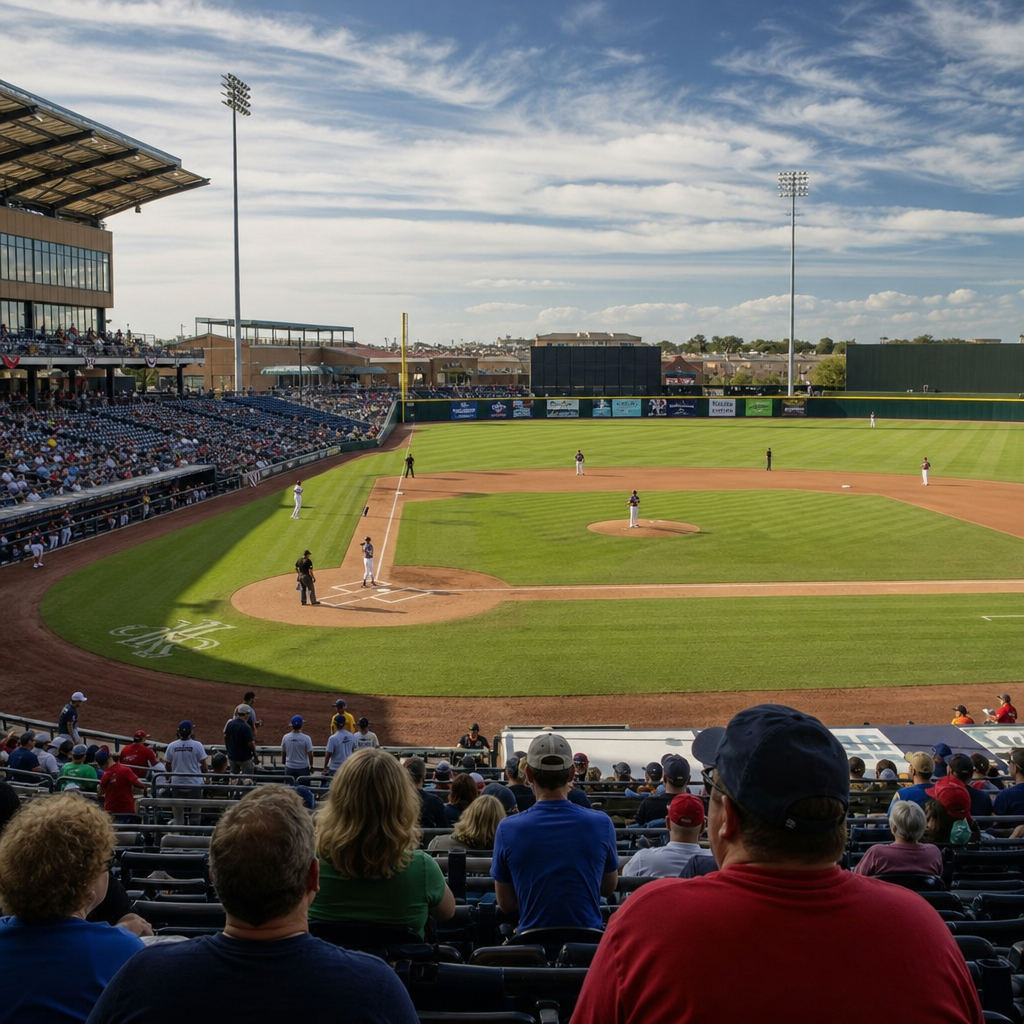
Minor league baseball looks simple from the stands: a summer night, affordable tickets, a mascot on the dugout, and prospects trying to reach the majors. The business side is far more complex. Minor League Economics refers to the revenue models, cost structures, labor arrangements, franchise systems, and community partnerships that allow affiliated and independent clubs to operate. It matters because the minor leagues are both a player-development pipeline and a local entertainment business, and those two missions do not always align. In my work evaluating sports properties and venue economics, I have seen clubs with strong attendance still struggle because debt service, travel, or facility obligations ate away margins.
Understanding the business side of baseball starts with structure. Since Major League Baseball’s 2020 reorganization of the player-development system, affiliated clubs operate under Professional Development Licenses rather than the old player development contracts. MLB organizations control baseball operations, including player salaries for affiliated players, while local ownership groups usually control the business operation: ticketing, sponsorships, concessions, parking, merchandise, and stadium leases. Independent leagues, by contrast, carry more direct baseball costs because they sign players and run roster operations themselves. College summer baseball and NCAA programs have their own economic logic, driven by school budgets, donors, media exposure, camp revenue, and, increasingly, name, image, and likeness rules.
This hub matters for anyone researching Minor Leagues and College Baseball because economics shapes every visible decision. Why do some teams rebrand around food mascots? Why are stadium districts full of mixed-use development? Why did MLB reduce affiliated teams from 160 to 120? Why do college programs invest millions in player labs and analytics rooms? The answer is usually financial, but never only financial. Local politics, labor rules, fan behavior, media fragmentation, and facility standards all influence the outcome. A useful overview must connect franchise value, municipal financing, roster development, fan experience, and regional identity into one picture. That broader picture helps readers evaluate team strategy, public funding proposals, conference realignment effects, and future expansion claims with clearer eyes.
How the affiliated minor league model actually makes money
Affiliated minor league clubs generate revenue from five primary sources: tickets, corporate partnerships, gameday spending, merchandise, and non-baseball events. Ticket revenue remains foundational, but it is rarely enough on its own. Most clubs depend on a blend of season tickets, mini-plans, group sales, and premium hospitality. Group sales are especially important because they move inventory in bulk and bring in higher per-cap spending from company outings, youth sports nights, and civic organizations. In many clubs I have reviewed, a Wednesday education day or a Friday fireworks package produced stronger net economics than a similarly attended standard game because of sponsorship and concession attachments.
Sponsorship is often the margin driver. Outfield signs, jersey patches, naming rights, sponsored promotions, digital inventory, and category exclusivity can collectively exceed gate revenue for well-run organizations. A Double-A or Triple-A club in a healthy metro area may have hundreds of local sponsor relationships, not just a handful of headline deals. The sales process resembles business-to-business media more than traditional sports marketing. Teams sell community access, family goodwill, and measurable foot traffic. A bank sponsor may value first-pitch moments and account signups; a hospital system may want health screenings, employee hospitality, and year-round visibility on concourse assets.
Concessions, parking, and merchandise are deceptively variable. Their profitability depends on lease terms and vendor agreements. Some teams keep a large share of food and beverage revenue; others operate under concessionaire structures that lower upside. Weather also matters. Rainouts hurt not just ticket scans but impulse purchases. Merchandise has become more strategic since clubs embraced alternate identities such as the Montgomery Biscuits, Rocket City Trash Pandas, and Lehigh Valley IronPigs. Those brands do not merely entertain; they create national e-commerce demand. A clever identity can turn a local club into a wider lifestyle purchase, particularly when drops are limited and social media amplifies scarcity.
Affiliated clubs also rely on the fact that MLB organizations pay player salaries and most on-field development costs. That arrangement reduces one of the biggest operating burdens compared with independent baseball. But clubs still face payroll for front-office staff, grounds crews, ushers, security coordination, retail workers, and seasonal employees. They also absorb insurance, utilities, marketing, software subscriptions, and often significant facility maintenance. The economic lesson is straightforward: minor league baseball is not cheap community theater. It is a seasonal live-events business with narrow margins and heavy dependence on execution every single homestand.
Cost pressures, stadium economics, and public financing
The largest financial variable for many teams is the ballpark. Stadium economics in minor league baseball are shaped by construction cost, maintenance cycles, lease terms, and compliance with facility standards. MLB’s post-reorganization facility requirements put pressure on many local governments and ownership groups to upgrade clubhouses, training rooms, lighting, and player amenities. Supporters argued that better facilities improve health, safety, and development. Critics noted that these requirements strengthened MLB’s leverage over smaller communities. Both points are true. In practice, teams in older parks often had to seek public funds, private capital, or mixed financing to remain affiliated.
Public financing usually hinges on whether a stadium is treated as a civic asset or a private entertainment venue. Cities justify investment by citing downtown revitalization, tax revenue from surrounding businesses, place branding, and year-round event use. Skeptics ask for harder evidence, and they are right to do so. Academic research on sports facility subsidies generally finds that broad regional economic impact is often overstated. The more credible case for a minor league stadium is district-level activation: improved foot traffic, adjacent apartment demand, restaurant clustering, and community programming. In several markets, the stadium works best when embedded in a walkable mixed-use plan rather than isolated behind acres of parking.
| Revenue or Cost Area | Typical Economic Role | Key Risk |
|---|---|---|
| Tickets and group sales | Baseline cash flow and attendance visibility | Weather, weak weekday demand |
| Sponsorship | High-margin recurring revenue | Local business downturns |
| Concessions and parking | Strong per-cap upside on busy nights | Lease restrictions, rainouts |
| Merchandise | Brand extension and online sales growth | Inventory planning errors |
| Stadium debt and capital needs | Long-term asset support | Cash strain from renovations |
Lease structure changes everything. A team with favorable rent, parking control, and event-booking rights has a far stronger business model than a team that pays high rent and cedes ancillary revenue. Debt service can erase apparent operating success. I have seen clubs draw solid crowds but remain cash-constrained because annual capital obligations crowded out marketing and staffing investment. College baseball faces a parallel issue. A school may build a premium stadium to aid recruiting and donor cultivation, but if game-day demand is modest, the return comes less from ticket sales than from fundraising, alumni engagement, and institutional visibility.
Player development, labor, and why MLB reshaped the system
Minor league economics cannot be understood without labor. For decades, affiliated baseball depended on low-paid players, short-term housing arrangements, and a development model that prioritized organizational control over player comfort. That changed materially after legal pressure, public criticism, and the 2022 federal Save America’s Pastime Act backlash in the court of opinion. MLB clubs now provide housing for minor leaguers, and minor league player pay has increased from prior baselines, though earnings still vary by level and remain modest relative to the demands of the job. These changes improved conditions, but they also raised the total cost of development for parent clubs.
MLB’s reduction in affiliated teams was partly about standardization and cost efficiency. Fewer affiliates meant fewer players under contract, shorter travel in some realigned leagues, and tighter control over facility standards and development resources. From an MLB perspective, this was rational portfolio management. From the perspective of displaced communities, it was a major economic and cultural loss. Cities that lost affiliated baseball did not just lose games; they lost predictable summer foot traffic, sponsorship inventory, and civic identity. Some transitioned into summer collegiate leagues, MLB Draft League markets, or independent clubs, but the economics and prestige were not always equivalent.
Independent leagues occupy an important middle ground. The Atlantic League, American Association, Frontier League, and Pioneer League each illustrate different versions of baseball entrepreneurship. Some serve as testing grounds for rule changes, some as partner leagues, and all must directly balance baseball quality with business sustainability. Independent operators often have greater promotional freedom and can be nimble, but they bear roster costs and face more volatility if local sales soften. The upside is that they can create value through entertainment innovation, regional rivalries, and lower operating complexity than a full affiliated development chain.
College baseball economics are increasingly tied to player development investment as well. Power conference programs spend heavily on analytics platforms, biomechanics assessments, TrackMan or Hawk-Eye data, force plates, recovery technology, nutrition support, and recruiting infrastructure. These are not cosmetic expenses. They are competitive tools used to attract players and improve draft outcomes. At schools with strong attendance, baseball can generate meaningful revenue, but outside the elite tier it is usually subsidized within the athletic department. The business logic is portfolio-based: baseball supports donor engagement, conference status, and institutional brand, even when direct profit is limited.
Attendance, branding, media, and the fan-experience business
Attendance is not just a count of bodies; it is a pricing and retention problem. Successful clubs segment audiences carefully. Families want affordable bundles and quick entry. Young adults respond to social spaces, drink rails, themed nights, and postgame concerts. Businesses want hospitality, predictable service, and relationship-building opportunities. Youth teams want recognition moments and easy parking. A club that treats every seat as the same product leaves money on the table. Dynamic pricing, digital ticketing, CRM systems, and membership models now matter at the minor league level because they help teams understand lifetime customer value rather than simply announce total attendance.
Branding is one of the clearest examples of economics shaping baseball. The explosion of distinctive team names was not a joke trend; it was a merchandising and attention strategy. When a club launches a strong visual identity, it creates national discoverability that local media alone cannot provide. The Hartford Yard Goats, El Paso Chihuahuas, and Jacksonville Jumbo Shrimp all turned brand personality into sellable inventory. Alternate identities tied to local heritage or food culture can deepen regional connection while producing incremental merchandise revenue. The best versions feel authentic, not forced, and they are supported by cohesive in-park storytelling.
Media revenue is smaller than in major professional sports, but it still matters. Local radio, regional streaming, league packages, and social video help sponsors reach audiences beyond the ballpark. The challenge is fragmentation. Teams must produce content efficiently across broadcasts, short-form clips, email, and app notifications. A modern minor league front office increasingly behaves like a media company. College baseball has stronger upside here because conference networks and streaming platforms can package regular-season inventory at scale. Even then, only a subset of programs command meaningful rights value. For most, media exposure is a marketing tool more than a profit center.
The fan-experience business extends beyond nine innings. Non-baseball events can stabilize revenue by filling dark dates with concerts, festivals, movie nights, holiday lights, high school games, and corporate rentals. This diversification is especially valuable in climates with long shoulder seasons or in venues located near downtown hospitality districts. The practical question is whether the stadium was designed for flexible use. Clubs with proper storage, power access, field-protection systems, and event staffing plans can monetize their facilities far more effectively than teams that treat the park as baseball-only infrastructure.
The local economy, college links, and what comes next
Minor league baseball succeeds when it fits its local market. Population size matters, but so do income mix, summer competition, traffic patterns, and civic habits. A team in a midsize city with limited entertainment options may outperform a team in a larger market crowded by major league sports, concerts, and beach tourism. Corporate base is equally important. Clubs need enough local businesses to buy suites, sponsor promotions, and entertain clients. Universities can strengthen this ecosystem by supplying interns, research partnerships, and year-round audience overlap, especially in markets where college baseball and summer collegiate leagues feed local baseball culture.
This is why the Minor Leagues and College Baseball relationship deserves hub-level coverage. The subtopics connect directly. Recruiting strength affects local interest. Draft outcomes influence attendance for prospect-focused fans. Summer collegiate leagues preserve baseball habits in communities without affiliated clubs. NIL, transfer rules, and conference realignment shape roster continuity and fan attachment at colleges, which in turn affects ticketing and donor behavior. On the minor league side, franchise movement, stadium standards, and independent league innovation reshape where baseball lives and how communities access it. None of these topics sits in isolation; each is part of the same business ecosystem.
Looking ahead, the strongest operators will be disciplined rather than flashy. They will build recurring revenue through memberships and sponsorship renewal, control costs through smart staffing and event planning, and use data without losing the community feel that makes baseball different from algorithm-driven entertainment. They will treat stadium projects realistically, with transparent assumptions about debt, maintenance, and year-round use. They will also recognize that player welfare is not separate from economics. Better housing, recovery, travel, and facilities improve development outcomes and reduce avoidable attrition.
The central takeaway is simple: minor league economics is the study of how baseball survives by being both sport and local business at the same time. If you want to understand franchise value, fan experience, college program investment, or public debates over stadium funding, start with the revenue mix, the cost structure, and the market context. Use this hub as your starting point for the broader Miscellaneous landscape under Minor Leagues and College Baseball, then explore the related articles on stadiums, branding, labor, college finance, and league structure to go deeper.
Frequently Asked Questions
How do minor league baseball teams actually make money?
Minor league clubs typically operate on a diversified revenue model rather than relying on one major income source. Ticket sales are important, but for most teams they are only one part of the business. Revenue usually comes from a mix of season tickets, group outings, premium seating, concessions, parking, merchandise, local sponsorships, stadium advertising, special events, and community partnerships. Many teams also earn meaningful income from non-baseball uses of the ballpark, including concerts, festivals, corporate events, youth tournaments, and private rentals. Because minor league baseball is built as much around affordable family entertainment as around player development, teams often focus heavily on creating a full night-out experience that encourages spending beyond the base ticket price.
Another important distinction is that affiliated minor league teams and independent clubs may have somewhat different revenue pressures. In affiliated baseball, the Major League parent club generally handles player salaries and certain development-related costs, which can reduce one major expense for the local operator. That allows the minor league team to focus more on the fan-facing side of the business: selling seats, attracting sponsors, and maximizing ballpark usage. Independent teams, by contrast, often carry more direct baseball operations costs themselves, so they may need even stronger local revenue generation to stay viable. In both cases, the healthiest organizations tend to be the ones that understand they are not simply selling baseball games; they are selling recurring community entertainment, sponsor visibility, and a venue that can generate value year-round.
What are the biggest expenses for a minor league baseball team?
The cost structure of a minor league team is broader than many fans realize. Stadium-related expenses are often among the largest line items, including lease payments, maintenance, utilities, field care, cleaning, security, insurance, and game-day staffing. Even when a municipality owns the ballpark, the team may still be responsible for substantial operating and upkeep costs. Front-office payroll is another major expense, covering sales staff, marketing, ticketing, community relations, operations, and executives who keep the business running every day of the year, not just during the season. Travel, lodging, equipment, technology systems, licensing fees, and promotional entertainment also add up quickly.
The exact expense profile depends heavily on whether the team is affiliated or independent. Affiliated teams often benefit from Major League organizations paying player salaries and handling some baseball development costs, but that does not mean the local club is inexpensive to run. It still has to create a compelling fan experience, maintain facilities to league standards, and support sponsor expectations. Independent clubs may shoulder player compensation and more baseball-specific operational costs directly, which increases financial risk. On top of that, teams must continually invest in marketing, fan amenities, and promotional creativity to remain competitive in local entertainment markets. A team is not just balancing a baseball budget; it is managing a hospitality, events, and media business wrapped around a sports product.
Why are local communities and municipalities so important to minor league economics?
Minor league baseball is deeply tied to place, which makes community support and public-private relationships central to the business model. Unlike Major League clubs that can draw from broad regional fan bases and massive media contracts, minor league teams depend heavily on local attendance, local sponsorships, and local identity. The team often serves as a civic asset as much as a business, helping activate downtown districts, bring visitors to restaurants and hotels, and create a shared community gathering space. That is why cities and counties are frequently involved in stadium financing, infrastructure improvements, lease agreements, or ongoing facility upgrades. A successful ballpark can be viewed not only as a sports venue, but also as a development tool and a source of recurring foot traffic.
These partnerships matter because stadium economics can determine whether a franchise is stable or vulnerable. If a facility is outdated, poorly located, or unable to generate enough premium seating, sponsorship inventory, and event revenue, the team may struggle even if fans love baseball. Conversely, a modern, flexible venue can improve financial performance through better fan amenities, stronger sponsor activation, and off-season event opportunities. Municipal support is especially important when league standards change and facilities need upgrades to remain compliant. Still, these relationships work best when both sides are realistic: teams need sustainable operating conditions, and communities need measurable local value. The most durable minor league markets are usually the ones where baseball, business interests, and civic goals are aligned rather than treated as separate priorities.
How do affiliated and independent minor league teams differ from a business standpoint?
From a business perspective, the biggest difference is who controls and pays for the baseball side of the operation. Affiliated teams are part of the professional development pipeline connected to Major League Baseball organizations. In that structure, the parent club typically supplies players, coaches, and player salaries, while the local minor league operator runs the market-facing business. That means the affiliate’s core challenge is often less about scouting and roster construction and more about ticket sales, sponsorships, promotions, fan engagement, and stadium operations. The team is selling the experience of live baseball and the appeal of future Major Leaguers, but it does not control the roster in the way an independent club does.
Independent teams operate more like self-contained sports businesses. They are usually responsible for assembling their own rosters, managing player compensation, and handling more of the direct baseball risk. That can create both challenges and opportunities. On one hand, independent clubs may face greater cost pressure and less built-in credibility than affiliated teams tied to Major League brands. On the other hand, they often have more flexibility in branding, scheduling, promotions, and player acquisition. Their survival depends on whether they can generate enough local enthusiasm and commercial support without the guaranteed developmental connection to a Major League organization. In both models, the central truth is the same: winning on the field helps, but long-term sustainability depends on disciplined business operations, strong local relationships, and a venue strategy that turns baseball into a repeatable entertainment product.
Why does understanding minor league economics matter for the future of baseball?
Understanding minor league economics matters because the minors serve two functions at once: they are a player-development system for the sport and a local business platform for communities across the country. If the economics do not work, the consequences extend beyond a single team’s balance sheet. Teams may relocate, leagues may reorganize, communities may lose affordable live entertainment, and Major League organizations may have fewer stable environments in which to develop prospects. The structure of the minor leagues influences everything from player opportunities and geographic access to baseball, to the health of downtown districts that depend on game-night traffic. In other words, this is not a niche financial topic; it is part of the larger ecosystem that shapes how professional baseball reaches fans and develops talent.
It also matters because the public often sees minor league baseball as simple and nostalgic, when in reality it operates at the intersection of sports, labor, real estate, sponsorship, tourism, and community development. Questions about franchise stability, stadium funding, player pay, local media, and affiliation agreements all affect whether teams can remain viable. As the industry evolves, clubs must balance tradition with modern revenue demands, and communities must decide what value they place on keeping baseball local. The future of minor league baseball will depend not just on exciting prospects and entertaining mascots, but on whether teams can build sustainable economic models that support fans, players, cities, and the broader business of the game.