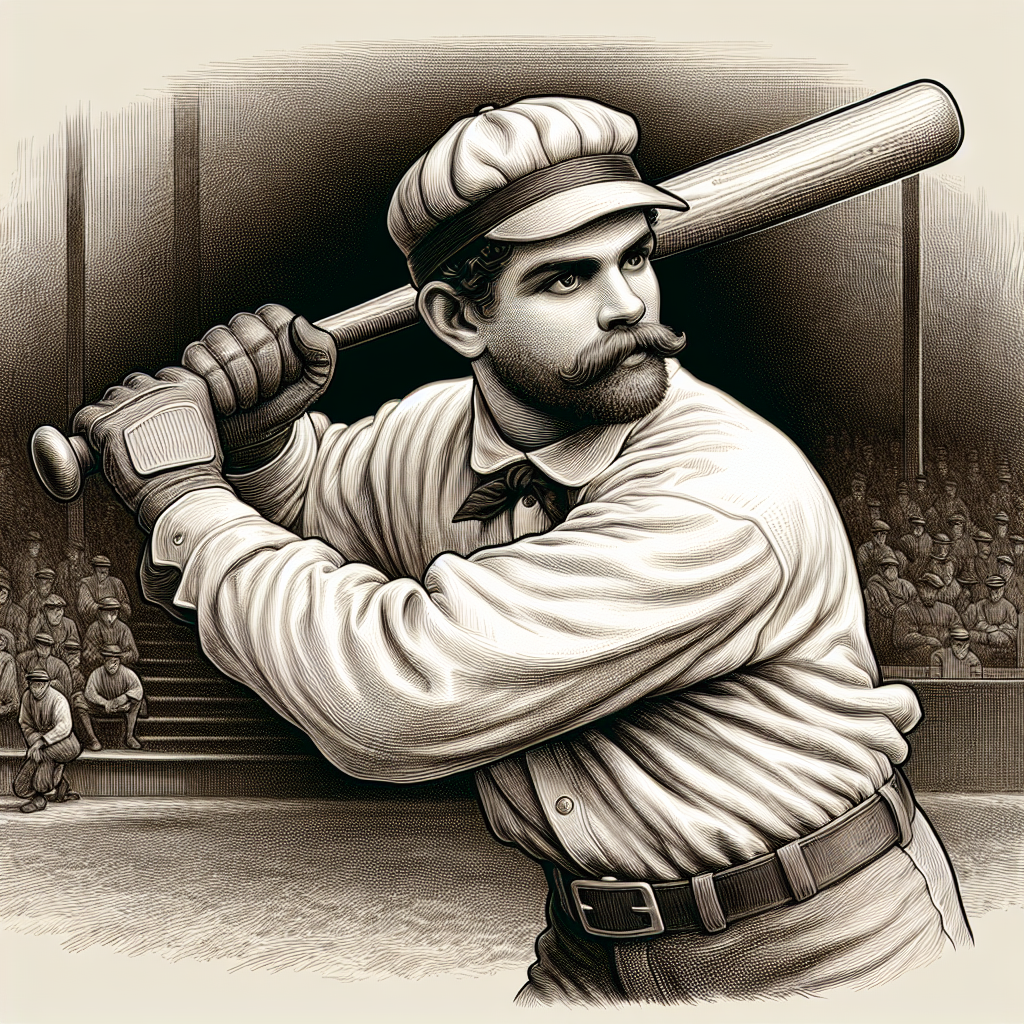
Baseball, often dubbed “America’s pastime,” has been graced by numerous legendary players whose talents and achievements have left an indelible mark on the sport. One such iconic figure from the late 19th century is Hugh Duffy. A name that resonates with baseball historians and enthusiasts alike, Duffy’s remarkable career, especially his outstanding performance in the 1894 season, has cemented his legacy in the annals of baseball history. This article delves into the life, achievements, and enduring impact of Hugh Duffy, the 1894 batting champion.
Born on November 26, 1866, in Cranston, Rhode Island, Hugh Duffy was destined for greatness. From a young age, his exceptional baseball skills were evident, setting the stage for what would become one of the most extraordinary careers in the sport’s history. The 1894 season, in particular, stands out not just for Duffy’s personal achievements but also for the context within which they were achieved. At a time when the game was evolving, and competition was fierce, Duffy’s accomplishments were nothing short of extraordinary.
Duffy’s path to greatness was paved with perseverance, talent, and an unyielding passion for baseball. He was known for his unmatched work ethic and sportsmanship, qualities that earned him respect both on and off the field. Throughout his career, Duffy played for several teams, but it was his stint with the Boston Beaneaters (now the Atlanta Braves) that truly highlighted his talents and catapulted him into baseball stardom.
As we’ll explore further, the 1894 season was a significant milestone in Duffy’s career. His record-breaking performance not only earned him the title of batting champion but also set a precedent that few players have been able to match. With a batting average that still remains one of the highest in Major League Baseball (MLB) history, Hugh Duffy’s story is a testament to the golden era of baseball and the timeless allure of the sport.
Early Life and Career Beginnings
Hugh Duffy’s foray into baseball began in his hometown of Cranston, Rhode Island. As a young boy, Duffy showcased a natural aptitude for the game, often dazzling his peers and local spectators with his batting and fielding skills. His early experiences in sandlot games and local leagues were pivotal in refining his talents and fueling his ambition to play at a higher level.
In 1887, Duffy’s professional career took off when he joined the league with the Hartford Dark Blues of the minor leagues. His impressive performance in the minors quickly caught the attention of major league scouts, and by 1888, he found himself playing for the Chicago White Stockings (now the Chicago Cubs) in the National League. Duffy’s early years in the major leagues were marked by consistent improvement and a growing reputation as a reliable and versatile player.
Despite facing the challenges of transitioning to the major leagues, Duffy quickly adapted and began to make a name for himself. His time with the Chicago White Stockings, however, was short-lived. In 1890, he was traded to the Boston Beaneaters, a move that proved to be a turning point in his career. With the Beaneaters, Duffy not only found a team that valued his skills but also a platform to showcase his full potential.
Duffy’s early career was characterized by his solid batting averages and remarkable fielding abilities. He was particularly known for his quick reflexes and strong throwing arm, which made him a formidable outfielder. His dedication to improving his game and his ability to perform under pressure earned him the respect of teammates and opponents alike. Little did anyone know, however, that his best years were still ahead.
The Historic 1894 Season
The 1894 baseball season was a defining moment in Hugh Duffy’s career and the history of Major League Baseball. Playing for the Boston Beaneaters, Duffy achieved a feat that remains unparalleled to this day. His batting prowess during this season was nothing short of phenomenal, setting records that stood the test of time.
Duffy’s performance in 1894 was marked by a staggering .440 batting average, the highest single-season batting average in Major League history, a record that still stands to this day. This extraordinary achievement was a result of a combination of factors, including Duffy’s meticulous approach to batting, his keen eye for pitches, and his ability to consistently make contact with the ball.
Throughout the season, Duffy’s consistency at the plate was remarkable. He managed to accumulate 237 hits in 539 at-bats, along with 51 doubles, 16 triples, and 18 home runs. His on-base percentage was an impressive .502, and his slugging percentage stood at .694. These numbers not only exemplified his dominance but also highlighted his versatility as a hitter.
Duffy’s 1894 season was a pivotal moment not only for his career but also for the Boston Beaneaters. His contributions played a crucial role in leading the team to the National League pennant. His exceptional batting performance was complemented by his defensive skills, making him an invaluable asset to the team. Fans and critics alike were in awe of Duffy’s achievements, and his legacy as one of the greatest hitters in baseball history was firmly established.

Legacy and Impact on Baseball
Hugh Duffy’s achievements extended far beyond the 1894 season. His remarkable career, characterized by consistent excellence and sportsmanship, left an enduring legacy in the world of baseball. Duffy’s impact on the sport can be seen in various aspects, from his contributions as a player to his later roles as a coach and manager.
As a player, Duffy’s statistical achievements are impressive in their own right. Over his 17-year major league career, he accumulated 2,293 hits, 1,229 runs, and 1,302 RBIs. His career batting average stood at a commendable .324, further cementing his reputation as one of the great hitters of his era. Beyond the numbers, Duffy’s influence extended to his approach to the game and his ability to inspire both teammates and opponents. His dedication to continuous improvement and his love for baseball set a standard for future generations of players.
After retiring as a player, Duffy transitioned to coaching and managing roles, where he continued to make significant contributions to the sport. He served as a player-manager for several teams, including the Milwaukee Brewers and the Boston Red Sox. His deep understanding of the game and his ability to mentor young players made him a highly respected figure in the dugout. Duffy’s influence as a coach extended beyond his teams; he played a crucial role in shaping the strategies and techniques that would define the modern era of baseball.
Duffy’s legacy was formally recognized when he was inducted into the Baseball Hall of Fame in 1945. This honor was a testament to his enduring impact on the sport and his remarkable contributions both on and off the field. Today, Hugh Duffy is remembered not only as the 1894 batting champion but also as a pivotal figure in the history of baseball whose legacy continues to inspire players and fans alike.
Influence on Modern Baseball
The influence of Hugh Duffy on modern baseball is undeniable. His approach to the game, particularly his meticulous batting technique and his focus on consistency, continues to resonate with players and coaches today. Duffy’s emphasis on making contact with the ball and his strategic approach to at-bats are principles that are still taught in batting clinics and training programs.
Duffy’s legacy is also reflected in the evolution of the role of outfielders in baseball. Known for his strong defensive skills, Duffy helped set a standard for outfield play that emphasized agility, quick reflexes, and a strong throwing arm. These qualities have become essential attributes for outfielders in modern baseball, and Duffy’s impact can be seen in the way outfielders are scouted, trained, and developed.
One of the most significant aspects of Duffy’s influence is his role in shaping the culture of sportsmanship in baseball. Throughout his career, Duffy was known for his fair play, respect for opponents, and dedication to the spirit of the game. This attitude has been embraced by subsequent generations of players who see Duffy not only as a great player but also as a role model for conduct on the field.
In addition to his direct influence on player development, Duffy’s career has also inspired a greater appreciation for the history of baseball. His story serves as a reminder of the rich heritage of the sport and the contributions of early players to its development. As fans and historians reflect on the evolution of baseball, Hugh Duffy’s name continues to be celebrated as an example of excellence and dedication.
Conclusion
Hugh Duffy’s story is a remarkable chapter in the history of baseball. From his early beginnings in Cranston, Rhode Island, to his legendary 1894 season and his continued influence on the sport, Duffy’s contributions have left an indelible mark on the game. His achievements, characterized by a record-setting batting average and a career marked by excellence, sportsmanship, and innovation, serve as a testament to his enduring legacy.
The 1894 batting champion’s impact on baseball extends beyond his statistical accomplishments. Duffy’s approach to the game, his dedication to continuous improvement, and his respect for the sport have set a standard that continues to inspire players today. His transition from player to coach and manager further illustrates his commitment to the growth and development of baseball.
As fans and historians look back on the history of the sport, Hugh Duffy’s name stands out as a symbol of the golden era of baseball. His legacy is a reminder of the timeless allure of the game and the enduring impact of players who have dedicated their lives to its advancement. Whether remembered for his record-breaking batting average, his defensive prowess, or his role in shaping the culture of baseball, Hugh Duffy remains an iconic figure in the annals of baseball history.
In reflecting on Hugh Duffy’s career, one is reminded of the profound impact that individual players can have on a sport. Duffy’s story is not just about the records he set but also about the values he embodied and the inspiration he provided to future generations. His legacy continues to be celebrated, ensuring that the name Hugh Duffy will forever be synonymous with excellence in baseball.
Frequently Asked Questions
1. Who was Hugh Duffy and why is he considered a legendary figure in baseball history?
Hugh Duffy was a remarkable professional baseball player during the late 19th and early 20th centuries. Known for his phenomenal batting skills and outfield capabilities, Duffy’s name has become synonymous with baseball excellence. Born on November 26, 1866, in Cranston, Rhode Island, he transitioned from working in a textile mill to pursuing a career in baseball, a move that would later make him a household name among baseball aficionados.
Duffy is best remembered for his extraordinary performance in the 1894 season when he played for the Boston Beaneaters. That year, he achieved a still-standing record by finishing with a .440 batting average, the highest in a single major league season. This feat has cemented his reputation as one of the all-time great hitters in the sport’s history.
Beyond his 1894 achievements, Duffy excelled over a 17-year playing career, amassing over 2,000 hits and consistently contributing to his team’s successes with both his bat and glove. His influence transcended his playing years as he transitioned to managerial and coaching roles, helping to shape future generations of players. Such was his impact that he was inducted into the Baseball Hall of Fame in 1945, a testament to his enduring legacy.
2. What was significant about the 1894 baseball season for Hugh Duffy, and how does it stand out in baseball history?
The 1894 baseball season is particularly significant in Hugh Duffy’s career and baseball history for several reasons. During this season, Duffy managed to hit a remarkable .440, a batting average that remains the highest ever recorded in a single major league season. The achievement is even more impressive given that baseball in the 19th century was markedly different, with varying rules, playing conditions, and fewer games compared to modern leagues.
Duffy’s exceptional performance in 1894 contributed significantly to the Boston Beaneaters’ success, as they ended the season with a commendable record. His incredible consistency and skill at the plate left a lasting impression on fans and made him a standout player of his era. Additionally, the 1894 season further showcased Duffy’s prowess as both a skilled hitter and a strategic contributor on the field, securing his place as a legendary figure in baseball lore.
The .440 batting average in a single season continues to be a benchmark for excellence and is revered by players and historians alike. It’s a reminder of Duffy’s tremendous talent and the significant challenges he overcame to achieve such a milestone, cementing his legacy in the sport’s storied chronicles.
3. What other achievements did Hugh Duffy accomplish during his baseball career besides his 1894 batting average?
Beyond his historic 1894 season, Hugh Duffy achieved numerous milestones that underscored his prowess as a versatile and impactful player. Over his 17-year major league career, Duffy compiled more than 2,000 hits, which solidified his place among the top hitters of his time. His offensive production helped his teams win multiple pennants, showcasing his consistency and skill across various aspects of the game.
Duffy was not just an offensive powerhouse; he was also an exceptional outfielder, earning high praise for his defensive abilities. His agility and keen sense on the field made him a vital contributor to his teams’ successes. This dual-threat capability as both a batter and a fielder marks him as a player ahead of his time, adept in a broad range of baseball essentials.
After his playing days, Duffy continued to make significant contributions to baseball in managerial and coaching roles. He managed in the majors, sharing his wealth of knowledge and expertise to influence and develop upcoming talents. His post-playing contributions included a stint as a scout, where he identified and cultivated new talent, further enhancing his legacy in the baseball community.
4. How did Hugh Duffy’s career influence baseball after his retirement?
Hugh Duffy’s influence on baseball extended well beyond his active playing years, highlighting his enduring legacy in the sport. After retiring as a player, Duffy seamlessly transitioned into various influential roles such as a manager, coach, and scout, where he continued to mold and inspire future generations of baseball talent.
As a manager, Duffy brought his extensive knowledge and strategic acumen to the team he led, instilling a winning mindset and focusing on both individual and team development. His ability to draw from his own experiences made him a valued mentor to young players, offering guidance that transcended mere statistics and touched upon the character and mental aspects of the game.
On the scouting front, Duffy’s eye for talent and potential allowed him to discover and nurture burgeoning players, ensuring baseball’s continual growth and evolution. His broad understanding of the game proved vital in shaping the dynamics of teams and securing success both on and off the field.
These contributions have left a lasting imprint, with many acknowledging Duffy’s role in setting standards for player development and his forward-thinking approach to coaching. His induction into the Baseball Hall of Fame in 1945 serves as a testament to his lasting impact, recognizing not only his playing accomplishments but also honoring his greater role in enriching America’s pastime.
5. What is the significance of Hugh Duffy’s induction into the Baseball Hall of Fame?
Hugh Duffy’s induction into the Baseball Hall of Fame in 1945 is a significant milestone that honors his extensive contributions and achievements in the sport. This induction is not merely a reflection of his stellar playing career, particularly highlighted by his unprecedented 1894 season, but also a celebration of his broader impact on the game of baseball.
Duffy’s recognition by the Hall of Fame acknowledges his outstanding on-field accomplishments during an era marked by different challenges and conditions than today. His prowess as a premier hitter with a .440 batting average, coupled with his exceptional defensive skills, positions him among the greats. Yet, it’s Duffy’s continuous influence on baseball post-retirement that further solidified his hall-worthy status.
His transition into various key roles beyond playing allowed Duffy to shape the sport’s future significantly, impacting countless players and expanding the depth of professional baseball. His leadership and mentorship influenced not just those who played with and against him but also those who would later follow in his footsteps.
The Hall of Fame induction honors this legacy, ensuring that Duffy’s name and contributions remain etched in baseball’s rich history. It celebrates a career and life dedicated to the sport, serving as an inspiration to future generations of players, coaches, and enthusiasts who continue to look up to legends like Hugh Duffy.