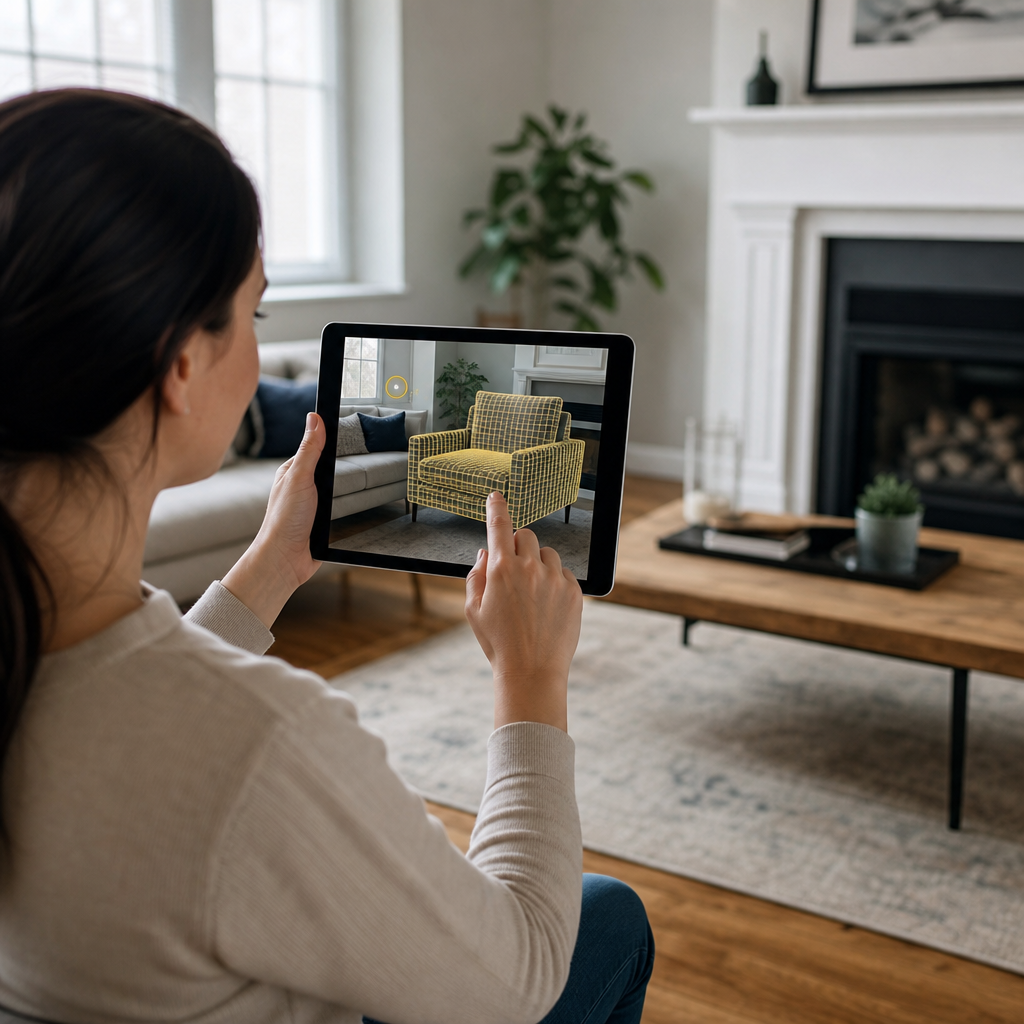
Augmented reality graphics have become one of the most important tools in modern baseball broadcasting because they turn a passive telecast into an informed, immersive viewing experience. In practical terms, augmented reality, or AR, means digital elements placed into a live camera view so they appear anchored to the field, the strike zone, the basepaths, or even a player during motion. For baseball fans, those elements include pitch trails, launch-angle visuals, defensive alignment overlays, branded virtual signage, and explainers that clarify strategy in seconds. As someone who has worked around sports content planning and broadcast analysis, I have seen how quickly a well-designed AR graphic can answer the exact question viewers are already asking: Was that pitch really on the corner, how far did that home run travel, and why was the shortstop standing there?
This matters because baseball is a sport of small margins and layered decision-making. Traditional camera coverage shows action, but AR graphics explain action. They connect Statcast-era data, real-time production tools, and storytelling choices into a presentation that serves casual viewers without frustrating experts. In the broader landscape of modern media and broadcasting techniques, AR sits alongside ultra-high-definition cameras, low-latency streaming, second-screen integrations, personalized feeds, and cloud production workflows. Yet it stands out because it translates complex information into instantly understandable visuals. For a sub-pillar hub focused on innovations and changes in baseball, understanding AR graphics is essential: they are not a novelty feature, but a core part of how networks, teams, and digital platforms now package the sport for television, streaming, social clips, and interactive experiences.
What augmented reality graphics mean in baseball broadcasting
In baseball broadcasting, augmented reality graphics are computer-generated visual objects composited into the live or replay feed so they appear to exist inside the stadium environment. The key technical requirement is spatial registration: the system must know where the camera is, where it is pointed, the lens characteristics, and the dimensions of the field. When that alignment is accurate, a strike-zone box remains locked over home plate, a basepath line sits correctly on the dirt, and a virtual distance marker follows a batted ball replay without drifting. Vendors such as Vizrt, SMT, Chyron, and tracking systems connected to Hawk-Eye or Statcast-style data pipelines have shaped this category.
The most common use cases are explanatory and analytical. Pitch location boxes help viewers judge umpire calls. Pitch-trace graphics reveal movement profiles on sliders, cutters, and splitters. Defensive positioning overlays show infield shifts or outfield depth before contact. Hit trajectory visuals explain why a fly ball stayed in the park or cleared the wall. Broadcasters also use AR in studio shows, where analysts stand next to virtual player models, spray charts, or reconstructed field layouts. The principle is the same across formats: place relevant information exactly where the eye already wants to look. Done well, AR reduces cognitive load. Instead of listening to a long explanation about horizontal break, release point, and chase rate, the audience sees the pitch shape and understands the point immediately.
Why AR graphics improve the viewer experience
The viewer experience improves when information arrives at the right moment, in the right amount, and in a form that is easy to interpret. AR graphics excel at all three. Baseball has natural pauses between pitches, mound visits, replay reviews, and half-innings. Producers use those moments to layer context onto the game without interrupting live action. If a hitter is facing a reliever with an elite sweeper, the broadcast can show a replay with the previous pitch path and a visual comparison to the fastball tunnel. If a center fielder makes a difficult catch, an AR route overlay can show first-step efficiency and closing speed. That moves the conversation from generic praise to evidence-based storytelling.
AR also helps different audience segments at the same time. Newer fans often struggle with baseball terminology, especially around pitch design and defensive tactics. An overlay that marks the shadow zone, the launch-angle window for hard contact, or the catcher’s target makes the sport easier to follow. Experienced fans benefit too, because strong AR implementation respects detail. For example, showing a runner’s lead distance, jump, and projected steal probability is more useful than flashing a generic speed rating. In my experience reviewing baseball telecasts, the most effective graphics are not the flashiest. They are the ones that answer a specific question quickly, then disappear before they clutter the screen.
Core AR graphic types used across modern baseball broadcasts
Baseball broadcasts now rely on a recognizable set of AR graphic formats, each tied to a different editorial purpose. The strike-zone graphic remains the most familiar, but even that has evolved. Better calibration and pitch tracking make it more credible than the early television boxes that often misled viewers. Pitch trails are another staple, especially in replays, because they make spin-induced movement visible. Batted-ball overlays can display exit velocity, launch angle, projected distance, apex height, and landing point, helping audiences understand outcomes that are otherwise difficult to judge from a single camera angle. Defensive alignment visuals show where fielders start and how they move after contact, which is especially valuable in a post-shift-rules environment where positioning is still strategic, but less extreme.
Studio and pregame uses are equally important. Analysts can break down a double play turn with a virtual infield, demonstrate catcher framing around the edges of the zone, or compare two pitchers’ release points using layered silhouettes. Brands also use AR for sponsored elements, including virtual on-field logos or segment billboards, though these work best when they do not compete with the game itself. The following table summarizes the most useful AR graphic categories in baseball and the viewer benefit each one delivers.
| AR graphic type | Typical baseball use | Primary viewer benefit |
|---|---|---|
| Strike-zone overlay | Live pitch tracking and replay review | Clarifies ball-strike decisions instantly |
| Pitch trail | Showing movement on sliders, curveballs, cutters, and splitters | Explains pitch shape and deception |
| Batted-ball path | Home runs, warning-track outs, and line-drive placement | Shows why contact produced a specific result |
| Defensive positioning overlay | Pregame scouting, in-play alignment, and replay breakdowns | Reveals strategy before the ball is hit |
| Runner tracking | Steal attempts, leads, jumps, and tag plays | Makes baserunning decisions measurable |
| Virtual telestration model | Studio and analyst segments | Turns complex mechanics into clear teaching moments |
The technology stack behind convincing AR graphics
Reliable AR graphics depend on much more than attractive design. The first requirement is precise camera tracking. Whether the production uses optical markers, encoded pan-tilt-zoom data, or hybrid systems, the software must know the exact position and orientation of each camera. Lens calibration is equally important because zoom changes alter how virtual objects should scale and anchor in the scene. If calibration slips, a strike-zone box can float or distort, immediately damaging trust. The second requirement is accurate sports data. In baseball, that often means ball and player tracking from systems such as Hawk-Eye, plus metadata from scoring feeds and production switchers. When those inputs are synchronized correctly, the broadcast can render visuals in near real time.
The rest of the stack includes graphics engines, replay systems, operator workstations, and integration with cloud or on-prem production infrastructure. Many networks now combine traditional truck-based workflows with remote production, allowing specialists in graphics, data validation, and replay to work from centralized hubs. Latency management matters, especially for streaming platforms where delay can affect synchronization between commentary, replay, and live graphics. There is also a human layer that viewers rarely consider: operators and producers constantly decide when not to use AR. I have seen sequences where the best production call was to let the raw center-field camera breathe for a key at-bat, then use AR on the replay. The technology is powerful, but editorial restraint is part of what makes it effective.
Best practices for baseball broadcasters using AR graphics
The best AR graphics follow clear production rules. First, they must serve the play, not distract from it. A graphic should appear because it answers a viewer question, not because a tool is available. Second, timing matters. Graphics placed during a pitcher’s delivery or while fielders are reacting to contact can pull attention away from the live read. Third, visual hierarchy should be disciplined. Key numbers such as exit velocity or pitch type should be legible at a glance, while secondary data can sit in supporting positions. Networks that overload the screen with velocity, spin rate, expected batting average, and matchup probabilities all at once often reduce comprehension rather than increase it.
Consistency is another best practice. Viewers learn a broadcast language over time. If the strike-zone color scheme changes every week, or if pitch trails mean different things in live coverage versus replay, the presentation becomes harder to trust. Accessibility matters as well. Color choices should account for color-vision deficiencies, text should remain readable on mobile streams, and explanations should avoid assuming specialist knowledge. The strongest baseball broadcasts use AR as part of a layered communication system that includes announcer setup, replay pacing, and selective stat support. That combination is especially important for a hub covering modern media and broadcasting techniques, because AR works best when paired with high-frame-rate cameras, reliable replay packages, and commentary that translates data into baseball language.
How AR fits with other modern media and broadcasting techniques
AR graphics do not exist in isolation. They are one part of a broader modernization of baseball media that includes 4K and HDR image capture, shallow-depth cinematic cameras, drone and cable-cam experimentation in non-live settings, advanced replay editing, direct-to-consumer streaming, and personalized digital products. In practical production terms, AR often becomes the connective layer between those innovations. A super slow-motion replay shows seam orientation on a curveball, then an AR pitch path explains how that spin created late break. A mobile app clip might include a simplified overlay version tailored for vertical viewing. A streaming broadcast can offer alternate feeds where data-rich AR caters to advanced fans while a cleaner feed serves traditional viewers.
This is why AR belongs at the center of any discussion about modern baseball broadcasting techniques. It supports television, streaming, social distribution, and in-stadium content. It also complements the statistical revolution that changed how front offices, players, and fans talk about baseball. Without visual translation, terms like induced vertical break, attack angle, or catch probability remain abstract. With AR, they become teachable. That teaching function is increasingly important as leagues and rights holders try to attract younger audiences who expect information-rich, interactive media. Baseball does not need to imitate video games to stay relevant, but it does need to present strategy and athletic skill in a form contemporary viewers can absorb quickly.
Limitations, risks, and where AR graphics should evolve next
AR graphics improve baseball coverage, but they also introduce risks if used carelessly. The first is false precision. A strike-zone box looks definitive, yet the practical strike zone depends on batter stance, tracking calibration, and the limitations of the display. Broadcasters should present such tools as highly informative, not infallible. The second risk is overproduction. Too many floating labels, branded insertions, or constant data prompts can make a telecast feel synthetic. Baseball benefits from rhythm, atmosphere, and anticipation; viewers still need to hear the crowd, watch a pitcher reset, and absorb tension without digital interruption. There are also operational challenges, including calibration errors, feed delays, and the cost of integrating sophisticated tracking systems across every level of coverage.
Looking ahead, the next advances will likely center on personalization, interactivity, and cleaner automation. Streaming platforms are well positioned to let users toggle AR layers based on preference, from beginner explainers to advanced analytics. More sophisticated player-tracking models could produce better fielder route visualizations, catcher setup maps, and baserunning decision aids. Generative highlight packaging may also allow rapid creation of recap clips with context-specific overlays for social and on-demand viewing. The long-term opportunity is not to flood baseball with graphics. It is to make every graphic smarter, more trustworthy, and more responsive to viewer intent. For broadcasters, teams, and digital publishers building baseball media strategies, that is the central lesson. Use augmented reality graphics to reveal the game, not to cover it up. Audit your current coverage, identify where viewers need clearer explanation, and make AR a deliberate part of the modern baseball experience.
Frequently Asked Questions
1. What are augmented reality graphics in baseball broadcasting?
Augmented reality graphics in baseball broadcasting are digital visual elements that are layered into a live camera shot so they appear to exist naturally within the ballpark environment. Instead of presenting information only in a traditional scorebug or replay package, AR allows broadcasters to place graphics directly onto the field, around the strike zone, along the basepaths, or near a player in motion. Common examples include pitch trails that show movement from release to the plate, strike-zone boxes that help viewers judge ball-and-strike calls, launch-angle visualizations for batted balls, and defensive alignment overlays that reveal where fielders are positioned before a pitch.
What makes AR especially valuable is that it transforms baseball data into something visual, immediate, and easy to understand. Baseball is a sport filled with nuance, and much of that nuance can be difficult to appreciate through a standard television angle alone. Augmented reality helps bridge that gap by showing not just what happened, but why it happened. A fan can see how a slider broke out of the zone, how an outfielder was shaded toward a pull hitter, or how a runner’s lead affected the infield’s positioning. In that sense, AR graphics do more than decorate a telecast. They function as a real-time storytelling and teaching tool that deepens understanding and makes the viewing experience more immersive.
2. How do augmented reality graphics improve the viewer experience during a game?
AR graphics improve the viewer experience by making complex game information clearer, faster to process, and far more engaging. Baseball contains layers of strategy that can easily be missed by casual viewers and even by experienced fans when watching a live broadcast. Augmented reality helps surface those layers in real time. For example, if a pitcher throws a sinker that catches the edge of the strike zone, a well-designed AR strike-zone graphic can immediately show why the umpire called it a strike. If a hitter drives a ball into the gap, a launch-angle and projected-distance graphic can explain why that swing produced extra-base power. These enhancements give the audience a stronger sense of context in the exact moment the play unfolds.
AR also improves pacing and attention. Baseball broadcasts include natural pauses between pitches, mound visits, and replay sequences, and those moments are ideal opportunities to provide insight without disrupting the flow of the game. Instead of filling airtime with generic commentary, broadcasters can use AR to illustrate matchups, defensive shifts, pitch sequencing, baserunning paths, or likely outcomes based on player tendencies. That keeps viewers informed while maintaining the rhythm of the telecast. The result is a more interactive-feeling experience, even for someone watching from home.
Perhaps most importantly, AR helps serve different types of fans at once. Casual viewers benefit because the game becomes easier to follow and more visually intuitive. Dedicated fans benefit because the graphics can highlight advanced statistics, positioning logic, or pitch mechanics that add analytical depth. When executed well, AR creates a broadcast that feels both smarter and more accessible, which is exactly why it has become such an important part of modern sports production.
3. What types of augmented reality graphics are most commonly used in baseball telecasts?
The most commonly used AR graphics in baseball telecasts are those that explain pitch behavior, player positioning, and batted-ball results. Pitch trails are among the most recognizable examples. These graphics trace the path of a pitch from the pitcher’s hand to the catcher’s glove, helping viewers understand velocity, movement, break, and location. Closely related is the virtual strike zone, which provides a visual frame of reference for balls and strikes and helps audiences evaluate pitch command and umpire decisions. These tools are especially useful because so much of baseball is decided by tiny differences in location.
Defensive alignment overlays are another major category. Broadcasters can place markers or shaded zones on the field to show how a team is positioning infielders and outfielders against a particular hitter. This instantly communicates strategy that might otherwise go unnoticed on a standard center-field camera angle. Fans can see whether a defense is expecting a pull-side ground ball, preparing for a bunt, or guarding against extra bases late in a close game. In a sport where positioning often determines whether a ball becomes an out or a hit, these graphics make strategic thinking visible.
Batted-ball graphics are also increasingly common and effective. These may include launch angle, exit velocity, projected home run distance, or a flight-path arc that shows how the ball carried through the air. On replay, AR can illustrate whether a hitter got under the ball, barreled it perfectly, or drove it into a defensive gap. Some broadcasts also use player-specific graphics, such as highlighting a baserunner’s speed, a catcher’s pop time, or a pitcher’s release point. Together, these AR elements turn isolated plays into richer stories by connecting the action on screen with the underlying mechanics and data driving the outcome.
4. How do broadcasters make augmented reality graphics look accurate and anchored to the field?
Making AR graphics look believable requires a combination of advanced tracking technology, precise calibration, and careful production design. Broadcasters use camera-tracking systems and software that understand the position, angle, movement, and zoom level of each live camera in real time. That data allows the graphics engine to place digital elements into the scene so they appear locked to specific physical locations, such as home plate, the foul lines, the pitcher’s mound, or the outfield grass. If the camera pans, tilts, or zooms, the graphic moves with the image in a way that preserves the illusion that it belongs on the field.
Accuracy also depends on mapping the geometry of the stadium and synchronizing that map with the live broadcast feed. Before and during games, production teams calibrate systems so the software knows exactly where field dimensions, baselines, and key reference points are located. This process helps ensure that a strike-zone graphic aligns with the batter’s position, a pitch trail follows the correct path, and a defensive overlay matches the actual field layout. In many cases, real-time data feeds from optical tracking systems, radar-based tools, or ball-tracking technologies are integrated into the AR platform, allowing the graphics to reflect live action instead of relying on approximation alone.
There is also an important editorial and design side to the process. Good AR graphics must be readable, informative, and visually consistent with the rest of the broadcast. Producers and designers have to decide when to use AR, how long to keep it on screen, what colors and labels to apply, and how to avoid cluttering the image. The best broadcasts use AR with discipline. The graphics should clarify the game, not overwhelm it. When the technology and the production choices work together, viewers get an experience that feels seamless, polished, and highly credible.
5. Why are augmented reality graphics becoming so important in the future of sports broadcasting?
Augmented reality graphics are becoming increasingly important because audiences expect sports broadcasts to be more informative, visually dynamic, and data-driven than ever before. Viewers no longer want to simply watch a game unfold from a distance. They want insight, explanation, and context in real time. In baseball especially, where strategy, mechanics, and statistical tendencies play a major role, AR helps broadcasters meet those expectations by turning abstract information into intuitive visuals. It gives networks a way to explain complex concepts quickly while keeping the telecast entertaining and modern.
Another reason AR matters so much is that it helps broadcasters compete for attention in a crowded media environment. Fans have access to second-screen stats, social media analysis, advanced tracking data, and interactive highlights almost instantly. To stay relevant, live broadcasts need to deliver that same depth directly within the main viewing experience. AR allows a telecast to feel smarter and more premium by integrating analytics into the action itself rather than forcing viewers to look elsewhere for understanding. That makes the broadcast more self-contained, more compelling, and more valuable to both casual and highly engaged audiences.
Looking ahead, AR is likely to become even more personalized and sophisticated. As graphics systems, tracking tools, and real-time data integration continue to improve, viewers may see more context-sensitive overlays, deeper player-comparison visuals, and more immersive storytelling during both live action and replay. For baseball broadcasters, that means AR is not just a trend or a novelty. It is a foundational production tool that enhances education, entertainment, and fan connection all at once. In practical terms, the future of sports broadcasting is about making the invisible visible, and augmented reality is one of the most powerful ways to do exactly that.