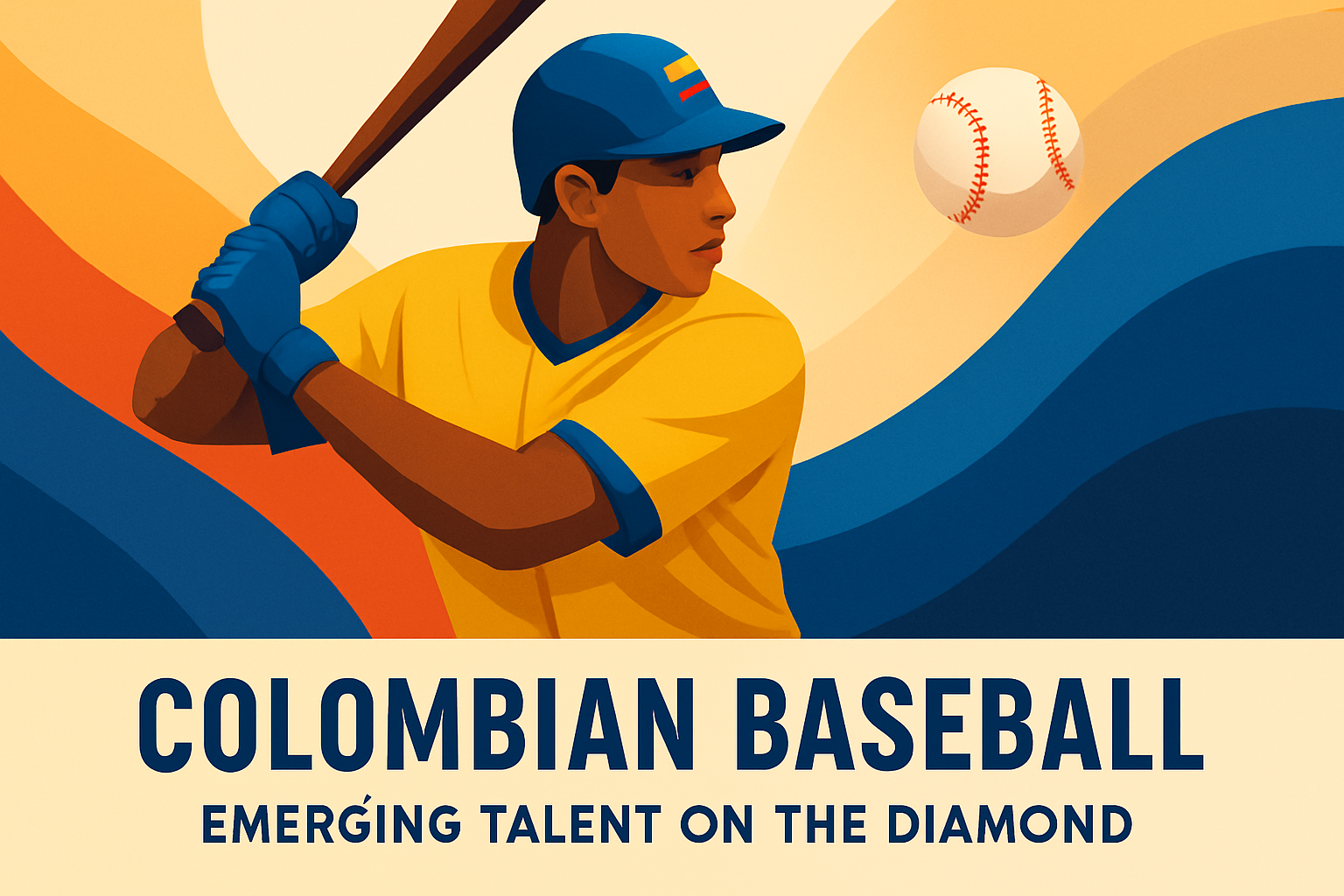
Introduction to Colombian Baseball
In the vast tapestry of global sports, baseball is often associated with historical powerhouses like the United States, Japan, and Cuba. Yet, in recent years, Colombia has made significant strides in establishing its own identity within the baseball world. An unexpected, yet exciting hotbed of baseball talent, Colombia is fast becoming a topic of interest among scouts, historians, and enthusiasts alike. Understanding the evolution of Colombian baseball and its impact on both regional and international stages is crucial for those looking to grasp the dynamics of modern-day baseball.
Colombia, a country celebrated for its diverse culture and passionate sports community, is traditionally known for its prowess in soccer. However, baseball is gradually emerging as a sport of choice, particularly in regions such as the Caribbean coast and the Valle del Cauca. The nation’s love for the game has been nurtured over decades, with grassroots programs and local leagues providing the foundation for aspiring athletes. The recent emergence of professional Colombian players in Major League Baseball (MLB) highlights a trend that is both thrilling and indicative of the potential within Colombian baseball. This growth in talent not only enhances Colombia’s sporting reputation but also provides new career opportunities for young athletes.
The story of Colombian baseball is one of resilience, opportunity, and ambition. The shift from being a peripheral participant to becoming a key contributor in the world of baseball signifies a broader cultural transformation, suggesting a new era of sporting success for Colombia. As the nation continues to develop its baseball capabilities, understanding this evolution becomes essential for anyone with an interest in the global mix of sports talent and cultural exchange.
The Rise of Baseball in Colombia
Baseball was introduced to Colombia in the early 20th century, primarily through the influence of neighboring Caribbean nations where the sport was already popular. It wasn’t long before the game was embraced in northern regions, particularly in cities like Cartagena and Barranquilla. Initially, baseball in Colombia was played informally, often for leisure and community bonding rather than competitive pursuits.
As these informal games gained structure, the national competitiveness grew. The formation of local leagues in the 1940s and 1950s laid the groundwork for organized baseball. These leagues often mirrored the setups seen in other baseball-loving countries and started drawing crowds. As municipalities embraced the game, players gained more opportunities to showcase their skills, thereby setting the stage for regional tournaments that pitted the best local talent against each other.
Real-world exploration of Colombian baseball’s foundational phase can be seen through the example of the Colombian Professional Baseball League (LPB), established in 1948. This league, still active today, represents the heartbeat of Colombian baseball, providing players with their first taste of professional competition.
Colombian Baseball Players in Major Leagues
The true barometer of Colombia’s rising baseball status is the increasing number of Colombian players in Major League Baseball (MLB). This marks an important milestone, as players stepping onto MLB fields represent both the culmination of national development programs and personal triumphs. Notable among these is Edgar Renteria, one of the country’s iconic figures in MLB, who won two World Series titles during his illustrious career.
Renteria’s success story is a source of inspiration for thousands of young Colombians who dream of following in his footsteps. His induction into MLB cracked the metaphorical barrier, paving the path for future talent. Following Renteria, Colombia has seen a steady stream of players, such as Giovanny Urshela and Julio Teheran, demonstrating the burgeoning quality coming from this South American nation.
Urshela’s performance, for instance, particularly with the New York Yankees, has brought substantial attention to the prospects emerging from Colombia. His involvement in pivotal games has further solidified Colombia’s reputation for producing disciplined and talented players.
Grassroots Development and Community Engagement
Grassroots initiatives have been pivotal in fostering an environment where baseball can thrive. Local communities play an influential role in developing young talent by offering access to training facilities, guidance from experienced coaches, and competitions to sharpen skills.
Organizations like the Colombian Baseball Federation (Federacion Colombiana de Beisbol) have established various programs targeting young athletes in schools and local clubs. These programs are specifically designed to identify and nurture talent from an early age, ensuring that potential is recognized and developed in line with international standards.
| Program | Focus Area | Age Group |
|---|---|---|
| Escuelas de Beisbol | Skill Development | 8-14 years |
| Torneos Juveniles | Competitive Play | 15-18 years |
| Academias de Alto Rendimiento | Advanced Training | 18+ years |
This structured framework ensures players are continually challenged and equipped with the competencies to advance to professional levels. Additionally, community engagement through family support and local businesses sponsoring teams further accelerates the effectiveness of these programs.
Economic and Cultural Impact
The development of baseball in Colombia carries significant economic and cultural benefits. Economically, the growth of the sport attracts investment in infrastructure like stadiums and recreational complexes, which in turn generates employment opportunities and stimulates local economies. Enthusiastic fans attending games create bustling activity around venues and contribute to the prosperity of associated businesses.
Culturally, baseball serves as a unifying force amongst diverse communities. It transcends social and economic barriers, allowing individuals to come together and celebrate shared values of sportsmanship and teamwork. Baseball games in Colombia are not mere athletic contests; they are social events, enriching community ties and providing a sense of pride and belonging.
Moreover, players becoming international icons cultivate national pride. Their successes are celebrated across Colombia, positioning them as role models. The younger generation is motivated not just by the glamour of an international career but by the pride of bringing honor to their homeland.
Challenges and Opportunities for Future Growth
While Colombian baseball has made significant advances, it faces challenges that need addressing to sustain growth. Infrastructure development, particularly in less accessible rural regions, remains uneven. Ensuring all areas have facilities allows for talent to emerge from across the country.
Colombian baseball organizations often have limited resources compared to more established baseball nations, affecting their ability to offer competitive salaries and retain talent. However, these barriers also present opportunities. Partnerships with international organizations and participation in global tournaments are avenues to boost resources and experience.
Engagement in international competitions exposes players to different playing styles and higher competition levels, essential for enhancing their skills. Additionally, creating more scouting opportunities for foreign leagues could pave the way for increased Colombian representation on a global scale.
Colombia stands at a pivotal moment. The emphasis on baseball as a key sport is just beginning, and by consolidating these gains and tackling challenges head-on, the nation can solidify its place as an incubator of world-class baseball talent.
Conclusion: The Dawn of a New Era for Colombian Baseball
Colombian baseball’s rise from casual regional play to an incubator of international talent is a compelling narrative of ambition, culture, and the international sporting spirit. The evolution from local leagues to providing the MLB with skilled players shows a trend that matters not just to aspiring athletes but to the whole sporting community within Colombia.
Key takeaways from Colombia’s baseball journey include the importance of grassroots development, the cultural and economic impacts of sport, and the potential for future international success. Colombian individuals and organizations are demonstrating that a strategic blend of community engagement, resource management, and resilience can lift a sport to new heights.
For readers, whether baseball enthusiasts, aspiring athletes, or sport investors, the growth of Colombian baseball is an exciting opportunity to witness and perhaps be a part of. Engagement in sports offers benefits that transcend mere physical activity, embedding itself in cultural identity and influencing socioeconomic frameworks.
The undeniable passion Colombians have embraced for baseball is a call to action. Supporting local leagues, participating in community events, or even investing in sporting initiatives can help sustain this positive momentum. As Colombia continues to rise as a formidable baseball nation, being a part of that journey offers both excitement and fulfillment.
With the right mix of support, opportunity, and recognition, Colombian baseball dreams can transform into a reality that dazzles on the world stage.
Frequently Asked Questions
1. How did baseball start in Colombia and what contributed to its rise?
Baseball in Colombia began to take root in the early 20th century, primarily influenced by the coastal regions where commerce, especially with the Caribbean and North America, brought along a cultural exchange that included sports. The cities of Barranquilla and Cartagena, with their strategic locations on the northern coast, were crucial in the initial spread of baseball. Historically, these areas had strong ties to the nearby baseball-hungry Caribbean islands and the southern United States, where the sport was already thriving. Colombian interest in baseball grew as games were introduced and played in local communities, and local leagues started organizing formal matches.
Over the decades, the passion for baseball grew, fueled by the successes of local players who paved the way internationally. Infrastructure development, also motivated by governmental support, improved training facilities, which enabled Colombian athletes to refine their skills. This, combined with Colombia’s strong physical culture and athletic diversity, helped in harnessing and nurturing baseball talent. In addition, media exposure of international baseball combined with a growing sense of national identity led to increased interest and participation. The professionalization of leagues, strategic partnerships, and increased scouting opportunities in recent years have also played significant roles in fostering Colombian baseball’s rise on the world stage.
2. Who are some notable Colombian baseball players who have found success internationally?
Several Colombian baseball players have graced the international stage, particularly the Major League Baseball (MLB) in the United States, which is considered the pinnacle of professional baseball. Notable among them are players like Edgar Rentería, who became a household name after his pivotal role in securing back-to-back World Series wins in 1997 and 2010 with the Florida Marlins and San Francisco Giants, respectively. Known for his clutch hits and steady defense, Rentería was not just a player; he became an iconic figure, igniting the dreams of young aspiring baseball players in Colombia.
Another prominent figure is Julio Teherán, a pitcher who found success with the Atlanta Braves, showcasing Colombia’s depth of skill in producing quality pitchers. José Quintana, another stellar pitcher, has made significant contributions while playing in MLB. These players, among others, have not only contributed significantly on the field but also served as inspirations for young athletes in Colombia, representing the potential and prowess of Colombian talent on the international stage.
3. What role do youth academies play in the development of Colombian baseball talent?
Youth academies in Colombia have been vital in the development and nurturing of baseball talent. These academies, often run by former professional players or in collaboration with local baseball organizations, provide structured training and education for young athletes. They are essential in teaching the fundamentals of baseball, and they offer a platform for young players to develop their skills in a competitive environment. These academies not only focus on developing technical skills but also emphasize physical conditioning, mental preparation, and understanding the intricacies of the game, which are crucial for taking talent to the next level.
The academies serve as scouting grounds for national and international scouts looking for promising talent to nurture further. With MLB teams increasingly investing in international development, these academies have become pipelines that feed into professional leagues around the world. They also play a critical role in character development, offering education opportunities alongside sports training, helping young athletes balance their sports aspirations with personal growth and development.
4. How has the Colombian government contributed to the growth of baseball in the country?
The Colombian government has recognized the cultural and economic potential that sports, including baseball, bring to the country. Over the years, there has been a steady increase in governmental support for baseball, manifested through funding for youth programs, development of sports infrastructure, and promotion of Colombia as a budding baseball nation. This support is seen in the construction and upgrading of baseball fields, community programs that promote participation in sports from an early age, and partnerships with local and international organizations that promote baseball in schools and neighborhoods.
In addition, the government has often engaged in collaborative efforts with the private sector to sponsor local leagues and tournaments that bolster the competitive standards of the game within the country. Such efforts do not only aim to enhance Colombia’s presence on the global baseball scene but also to cultivate pride and unity through sporting successes. By supporting baseball and other sports, the Colombian government aims to leverage sports as a potent tool for social development and international recognition.
5. What challenges does Colombian baseball face in its quest for international recognition?
While Colombian baseball has made tremendous progress, several challenges still need to be overcome to solidify its international standing. One of the most significant challenges is the limited resources and funding compared to traditional baseball powerhouses. While there has been increased investment and support, much more is needed to ensure sustained growth and development at all levels of the sport. Access to high-quality training facilities, equipment, and professional coaching often remains limited, particularly in rural areas.
Another challenge is the competition for talent with other popular sports within the country, such as soccer. Soccer has historically dominated the Colombian sports landscape, and baseball must contend with this for attention, funding, and participation at the grassroots level. The country also has to navigate the complexities of increasing its presence in international competitions and leagues, requiring strategic planning and exposure to high-level competitive baseball on a global scale.
Despite these challenges, the relentless enthusiasm of players, coupled with strategic investments, collaborations, and a supportive fan base, continues to drive Colombian baseball forward. The collective efforts of all stakeholders involved hold the promise of a bright future for Colombia as an emerging baseball power on the international scene.