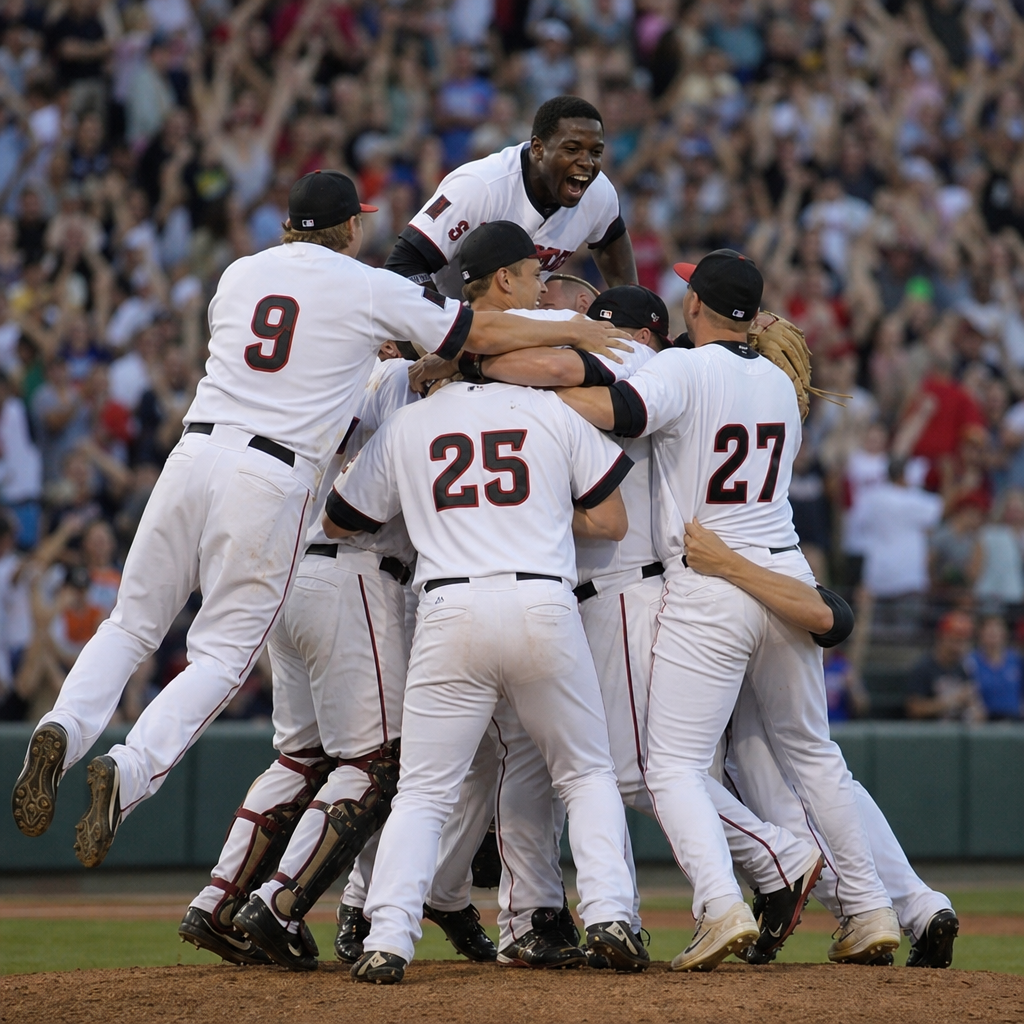
Minor League Baseball is more than a developmental ladder for future major leaguers. It is a living archive of regional identity, ballpark innovation, improbable careers, and unforgettable nights that often matter as much to a town as a pennant race matters to a major league city. When people search for iconic moments in Minor League Baseball, they are usually asking a bigger question: what makes the minors historically significant in American sports? The answer lies in the blend of competition, community, and experimentation that has defined the minor leagues for more than a century.
To celebrate history in Minor League Baseball, it helps to define the terms clearly. An iconic moment is not only a championship-winning hit or a record-breaking performance. In the minors, iconic moments also include first appearances by legends, integration milestones, franchise-saving promotions, ballpark events that became local folklore, and cultural shifts that changed how teams connect with fans. Minor League Baseball itself refers to the network of professional leagues below Major League Baseball, historically organized through classifications such as Triple-A, Double-A, High-A, Single-A, and Rookie levels, though structures have changed over time. College baseball is separate, but fans often follow both because each represents a different path through the sport’s wider ecosystem.
This subject matters because the history of the minors explains why baseball remains deeply rooted across small cities and midsize markets. I have worked with minor league archives, game notes, media guides, and historical promotion calendars, and the pattern is consistent: some of baseball’s most meaningful stories happened far from the major league spotlight. Jackie Robinson’s season in Montreal, the rise of players like Mike Piazza and Jacob deGrom through unglamorous assignments, and the enduring popularity of teams such as the Durham Bulls and Indianapolis Indians all show that the minors are not side notes. They are where baseball tests talent, builds fandom, and preserves local memory. For a Miscellaneous hub under Minor Leagues and College Baseball, the best approach is broad but specific: trace the moments that shaped on-field history, fan culture, civic pride, and the business of the game.
Where Minor League Baseball History Really Lives
Minor league history lives in places that major league coverage often overlooks: old scorecards, municipal stadium plaques, newspaper morgues, and team anniversary books. Unlike the majors, where narratives usually center on championships and Hall of Fame careers, the minors preserve baseball history through continuity and place. A franchise may change affiliations, classifications, or ownership, yet still remain central to a community for generations. The Toledo Mud Hens, Buffalo Bisons, Columbus Clippers, and Nashville Sounds each illustrate this pattern. Their iconic moments are not isolated highlights. They are chapters in long civic relationships.
One reason these stories endure is that the minors have always been experimental. Teams trialed rule adjustments, promotional concepts, mascot-driven branding, and family-focused ticket models long before many major league clubs followed. Bat Dog appearances in Trenton, theme nights in Savannah’s independent model, and the now-standard use of between-inning entertainment all grew from the minor league understanding that attendance depends on the full evening, not just the box score. In practical terms, an iconic moment in the minors can be a no-hitter, but it can also be the debut of a fan-engagement idea that reshaped the business.
Another reason is proximity. Fans in minor league parks are physically close to players, coaches, and the rhythms of development. They see future stars before national fame arrives, and they also witness career peaks for players who never become household names. That intimacy changes what counts as history. A rehab assignment by a superstar, a teenage shortstop’s first home run, or a league championship in a town of 80,000 can become part of local identity for decades.
Player Development Milestones That Became Legendary
Many of the most iconic moments in Minor League Baseball are early glimpses of greatness. Before they were award winners in the majors, stars often had formative performances in places casual fans barely track. Jackie Robinson’s 1946 season with the Montreal Royals remains one of the most significant examples in baseball history. His success in the International League was not just a statistical achievement. It was a direct demonstration that an integrated professional club could excel under pressure, and it prepared audiences for his major league debut with Brooklyn in 1947. Robinson’s time in Montreal is remembered because it changed baseball and because the city embraced that change publicly.
Other developmental landmarks are less monumental but still historically resonant. Mike Piazza, famously drafted in the 62nd round as a favor to family friend Tommy Lasorda, began as an organizational long shot. His minor league progression became one of baseball’s great talent-evaluation surprises. Jacob deGrom, drafted as a shortstop before converting to pitcher, developed through the minors with little of the hype that later surrounded him. Jose Altuve, dismissed by scouts for his size, proved through minor league performance that production and baseball intelligence can outweigh assumptions. These stories matter because they reveal what the minor leagues are designed to do: separate projection from proof.
Some moments are legendary because they capture raw emergence. A future ace striking out twelve in Double-A, a top prospect stealing home in a playoff game, or a rehabbing veteran drawing a sellout crowd can define a season. Durham’s association with Crash Davis and Bull Durham made the club culturally famous, but the Bulls’ modern history is also full of genuine baseball significance, including years when fans watched elite prospects become major contributors. That combination of mythology and development is uniquely minor league.
Integration, Access, and Social Change in the Minors
Any serious celebration of minor league history must include integration and access. Long before today’s discussion about representation in sports, minor league cities became testing grounds for inclusion, conflict, and progress. Jackie Robinson in Montreal is central, but he was not alone. Larry Doby, Roy Campanella, Don Newcombe, and many others navigated the minor league system while confronting unequal travel arrangements, hostile crowds, and segregated facilities. Their experiences varied by league and city, which is precisely why this history matters. The minors reflected America as it was, not as it liked to imagine itself.
The historical record shows that integration in the minors was uneven. Some teams and communities were supportive; others were openly resistant. In the Southern League and other circuits operating within Jim Crow conditions, Black players often faced greater barriers than they did in northern cities. Yet those same leagues eventually became part of baseball’s broader transformation. Minor league integration did not happen in one heroic burst. It unfolded through roster decisions, ownership pressure, player courage, and practical proof that winning teams would use talent wherever they found it.
Access also includes women’s roles in front offices, broadcasting, grounds crews, and ownership structures. While the minors historically mirrored baseball’s male-dominated culture, they have often moved faster than larger institutions in creating visible opportunities. Local radio voices, community relations directors, and team presidents in the minors have frequently been pioneers in ways national audiences barely noticed. For fans and researchers, these moments are iconic because they widened who could belong inside the game.
Ballparks, Promotions, and Community Identity
Minor league baseball history is impossible to separate from ballparks and promotions. In the majors, the venue supports the product. In the minors, the venue often is the product. Parks such as Victory Field in Indianapolis, Modern Woodmen Park in Davenport, and Durham Bulls Athletic Park changed perceptions of what a minor league experience could be. Clean sightlines, downtown locations, walkable surroundings, and family-centered amenities turned these stadiums into civic assets rather than simple athletic facilities.
Promotions became iconic when they strengthened that civic bond. The most famous cautionary tale remains Disco Demolition Night in Chicago, a major league event with minor league-style promotional chaos, but minor league clubs perfected the formula more responsibly: creative jersey nights, local food partnerships, educational camps, and theme events tied to regional history. The Savannah Bananas, though outside affiliated Minor League Baseball, demonstrate how deeply the minor league mindset has influenced baseball entertainment. Their success rests on principles minor league operators have used for decades: accessible pricing, clear brand identity, and an event-driven atmosphere.
When I have reviewed attendance spikes across teams, the same pattern appears repeatedly. Clubs that become historic local institutions do three things well: they honor city identity, make the park usable beyond game day, and create promotions that families remember years later. That is why a fireworks night, mascot debut, or alternate identity launch can qualify as an iconic moment. These events deepen attachment and keep franchises alive through affiliation changes, recessions, and shifts in media habits.
| Type of iconic moment | Why it matters | Example |
|---|---|---|
| Player breakthrough | Shows how development systems identify and refine talent | Jackie Robinson starring for Montreal in 1946 |
| Ballpark opening | Can revive attendance and reshape downtown development | Victory Field becoming a model urban minor league park |
| Promotional innovation | Turns casual spectators into repeat local fans | Theme nights and alternate identities driving community engagement |
| League or franchise milestone | Preserves continuity through structural change | Historic clubs like the Indianapolis Indians sustaining relevance across eras |
Franchise Legends, Championships, and Local Folklore
Championships matter in the minors, but not always in the same way they matter in the majors. Because rosters change constantly through promotions, injuries, and transactions, a title often represents organizational depth and adaptability more than sustained star power. That makes certain postseason runs especially memorable. Fans remember clubs that won despite losing top players midseason, managers who stitched together bullpens from call-ups, and veterans who stabilized clubhouses full of prospects. In historical terms, these are not lesser achievements. They are different achievements.
Franchise legends also shape iconic history. Every long-running minor league city can name players or managers who became local institutions even without major league stardom. These figures signed autographs for an hour, visited schools, helped with youth clinics, and made the team feel permanent. In some markets, the most beloved baseball figure is not the player who made an All-Star team in the majors. It is the catcher who spent six seasons in town and later returned as a coach. That kind of attachment is one of the defining features of minor league culture.
Local folklore often begins with one game. A 17-inning playoff win, a rain-delayed comeback finished after midnight, or a mascot mishap that somehow rallied the crowd can become shared civic memory. These stories may not appear in national highlight packages, but they are precisely the material that makes minor league baseball history rich. They connect sport to place, and place is the minors’ greatest enduring asset.
Why This Miscellaneous Hub Matters for Minor Leagues and College Baseball
As a hub page within Minor Leagues and College Baseball, this topic works because it connects many adjacent subjects. Readers interested in iconic moments often also want team histories, famous ballparks, prospect stories, league realignment context, and comparisons between affiliated baseball, independent leagues, and college summer circuits. The minors sit at the center of those conversations. They link amateur scouting to professional development, local entertainment to national baseball strategy, and historical memory to current fan experience.
The best way to use a hub like this is as a starting point for deeper reading. A reader may begin with the broad question of why minor league history matters, then move naturally into pages about legendary promotions, top historic franchises, integration milestones, famous alumni, or how college baseball towns support summer league teams. That internal structure mirrors how baseball fans actually learn: one memorable story leads to another, and the wider map of the sport becomes clearer with each connection.
Minor League Baseball endures because it produces more than players. It produces civic rituals, historical landmarks, and stories people hand down across generations. The iconic moments worth celebrating are not only the famous ones that reached national attention. They are also the local moments that proved baseball could still bring a town together on an ordinary summer night. If you are building your understanding of Minor Leagues and College Baseball, start here, then keep exploring the teams, parks, players, and communities that turned the minors into one of the richest historical spaces in American sports.
Frequently Asked Questions
What makes Minor League Baseball historically significant beyond its role in player development?
Minor League Baseball matters historically because it has always represented far more than a training ground for future major leaguers. At its best, the minors function as a record of local culture, economic change, entertainment trends, and community identity across the United States. Long before player development systems became highly organized, minor league clubs gave towns and small cities a public stage on which civic pride could be displayed night after night. A championship run, a packed ballpark on a summer weekend, or a dramatic individual performance could become part of a community’s shared memory just as deeply as a major league pennant race might in a larger market.
Its historical significance also comes from its remarkable adaptability. Minor League Baseball has survived wars, depressions, franchise relocations, league reorganizations, and sweeping changes in the business of professional sports. Through all of that, it has remained one of the clearest examples of how sports can bind communities together. The game in the minors is often intimate and immediate: fans sit close to the field, players are accessible, and the ballpark experience becomes tied to local rituals, families, and generations. That closeness helps explain why so many iconic moments in minor league history are remembered not only for athletic achievement but for what they meant to a place and its people.
Just as important, the minors preserve chapters of baseball history that do not always fit neatly into major league narratives. Legendary rehab assignments, breakthrough performances by overlooked players, record-setting promotions, and unforgettable nights in historic ballparks all contribute to a broader understanding of American sports history. In that sense, Minor League Baseball is not secondary history; it is baseball history at ground level, where regional identity, hope, and unforgettable moments have always thrived.
What are some of the most iconic types of moments in Minor League Baseball history?
The most iconic moments in Minor League Baseball usually fall into a few memorable categories, and each says something important about why the minors endure. One category is the improbable on-field achievement: no-hitters, record home run seasons, extra-inning classics, championship upsets, and individual performances that seem too dramatic for the setting in which they occurred. These moments become legendary because they happen in places where fans feel unusually close to the action, making every milestone seem personal rather than distant.
Another major category involves future stars passing through a town on their way to larger fame. Fans remember the night a young prospect announced himself with a dazzling performance, but they also remember the smaller details: the modest crowd, the old ballpark lights, the sense that something important had happened before anyone fully understood it. Many iconic minor league moments gain significance in retrospect because they capture the earliest chapters of careers that later become nationally celebrated. A routine summer game can become historic once it is connected to a Hall of Fame path, a comeback story, or a player who overcame long odds to reach the top.
Promotional and community-centered moments are also essential to the minor league story. Minor League Baseball has long embraced creativity, whether through unusual theme nights, attendance stunts, alternate identities, or civic celebrations that transform the ballpark into a broader community gathering place. Some of the most famous moments in minor league history are remembered as much for atmosphere as for scoreline. A packed stadium opening, a farewell to a beloved venue, or a team rallying a town after hardship can carry historical weight because it reflects the emotional bond between club and community. In the minors, icon status is not reserved only for elite athletic drama; it also belongs to the nights when a town sees itself reflected in the game.
How have Minor League ballparks and local communities shaped the meaning of historic moments?
Minor League ballparks and their communities are central to the meaning of historic moments because the setting is often inseparable from the event itself. Unlike many larger venues, minor league parks tend to feel deeply rooted in local geography and personality. They can sit near downtown streets, along rivers, beside neighborhoods, or in areas undergoing redevelopment, and each location gives the game a different texture. When a memorable moment happens in that environment, it becomes attached not only to the team but to the physical and emotional landscape of the town. Fans remember where they parked, who they attended with, what the concourse smelled like, and how the crowd sounded in a stadium that felt like it belonged to them.
That local connection amplifies the importance of milestone events. A championship clincher in a major city is meaningful, but in a minor league town it can feel almost civic in scale. Businesses decorate storefronts, local media follow the team closely, schools and families build routines around game nights, and generations of residents develop a shared vocabulary of ballpark memories. Because of that, a dramatic win, a famous player appearance, or a stadium farewell often resonates as local history as much as sports history. The event becomes woven into a community’s identity and retold at family gatherings, in newspaper archives, and in conversations between longtime fans.
Ballparks themselves also become historical actors. Many are celebrated for distinctive architecture, unusual dimensions, inventive fan experiences, or deep sentimental value. A great moment in a beloved venue can elevate both the event and the place. Conversely, the closing of an old ballpark can turn an ordinary final game into a historic occasion because it represents the end of an era. In Minor League Baseball, history is rarely abstract. It is anchored in real places and in communities that treat the ballpark as a public memory space.
Why do improbable careers and unexpected players hold such an important place in Minor League Baseball lore?
Improbable careers are at the heart of Minor League Baseball lore because the minors have always been a stage for uncertainty, resilience, and reinvention. At the major league level, fans often encounter finished products or highly visible stars. In the minors, they witness players in the middle of becoming something, or sometimes struggling to remain in the game at all. That creates a different kind of drama. The iconic stories are not always about the most naturally gifted player; they are often about perseverance, late bloomers, overlooked prospects, journeymen, comeback attempts, and veterans who deliver unforgettable moments in front of audiences that understand how fragile a baseball career can be.
These stories endure because they reflect the emotional truth of the minor league experience. Rosters change constantly, promotions and demotions reshape clubhouses, and many players spend years chasing opportunities with no guarantee of reward. When one of those players produces a historic stretch, sets a record, or briefly becomes the face of a franchise, fans respond to more than statistics. They respond to the human element: the years of bus rides, the uncertain contracts, the injuries, and the persistence required to stay in professional baseball. That context gives certain minor league moments an underdog energy that can feel more relatable and more powerful than highly polished major league narratives.
Unexpected players also matter because they reinforce one of the central truths of Minor League Baseball: history can emerge from anywhere. A little-known prospect can become a star, a veteran can rediscover his career, and a player with slim odds can author a performance that a town remembers forever. Those moments remind fans that the minors are not only a waiting room for future greatness. They are a world where greatness can appear suddenly, briefly, and memorably in forms that are uniquely human and often profoundly inspiring.
How should fans understand and appreciate iconic moments in Minor League Baseball today?
Fans should appreciate iconic moments in Minor League Baseball by viewing them through both a baseball lens and a cultural one. The on-field event always matters, but the full meaning often comes from context: what the team represented to its city, how the ballpark contributed to the atmosphere, where the franchise stood in its history, and why the moment resonated beyond the final score. A no-hitter, a pennant celebration, or a famous rehab assignment becomes more significant when fans understand the local stakes surrounding it. In the minors, history is often embedded in civic memory, not just league records.
It also helps to recognize that many historic minor league moments are preserved through storytelling as much as formal documentation. Newspaper archives, team media guides, oral histories, fan recollections, and local museum collections all play a role in keeping these memories alive. Because minor league history is so connected to place, some of its greatest moments live in family stories, regional traditions, and community nostalgia. That does not make them less important; in many ways, it makes them more revealing. They show how sports history is built not only by national headlines but by local devotion and collective remembrance.
For modern fans, appreciating these iconic moments also means understanding the minors as a living part of the baseball tradition rather than a lesser version of it. Today’s game still produces the same blend of prospect excitement, community connection, quirky creativity, and unexpected drama that defined earlier generations. When fans celebrate historic minor league moments, they are really celebrating a form of baseball that has always excelled at turning ordinary summer nights into lasting civic memory. That is the enduring power of the minors: they preserve the game’s intimacy, its unpredictability, and its deep roots in the places that keep baseball alive.