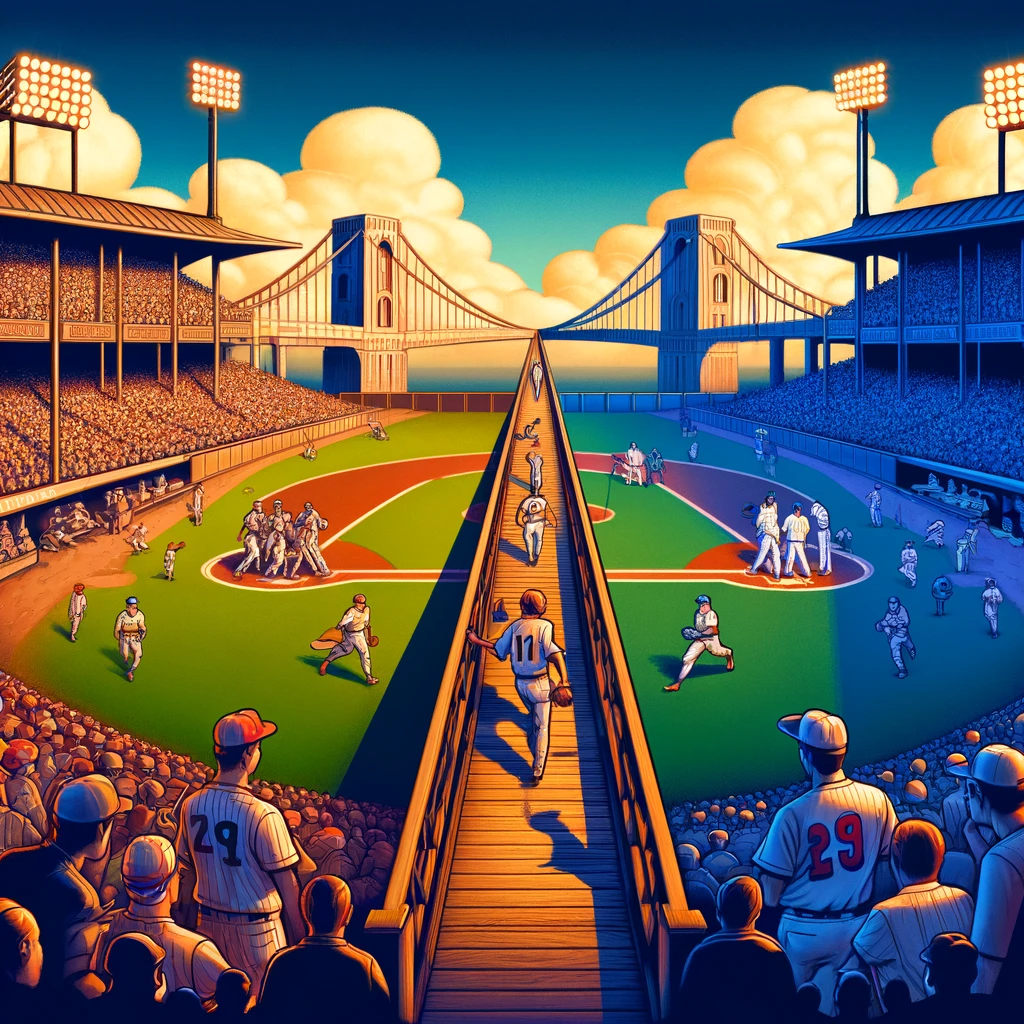
Baseball has long been considered America’s pastime, a sport deeply woven into the fabric of the nation. While Major League Baseball (MLB) teams capture the spotlight, it’s the Minor Leagues that serve as the crucial underpinning, nurturing talent and spreading the game’s reach far and wide. This article delves into the vital role Minor League Baseball (MiLB) plays in the expansion of baseball, shaping its future by developing players, engaging communities, and maintaining the sport’s traditions.
The Foundation of Minor League Baseball
Minor League Baseball, established to provide training and experience for up-and-coming players, has a rich history dating back to the 19th century. The National Association of Professional Base Ball Players, founded in 1871, was the first professional baseball league, but it was the formation of the National Association of Professional Baseball Leagues (NAPBL) in 1901 that truly laid the groundwork for today’s Minor League system. This organization, now known as Minor League Baseball, structured the various minor leagues under a unified umbrella, creating a more organized and systematic approach to player development.
Player Development: The Heart of the Minor Leagues
At the core of Minor League Baseball’s mission is player development. The MiLB provides a critical training ground for aspiring MLB players. Prospects are drafted or signed as free agents and then assigned to minor league affiliates, where they hone their skills and gain the experience necessary to succeed at the highest level. This tiered system typically includes levels such as Rookie, Single-A, Double-A, and Triple-A, each representing a step closer to the majors.
Success Stories
Many of baseball’s greatest players began their careers in the minors. Hall of Famers like Derek Jeter, Mike Piazza, and Chipper Jones all spent time honing their craft in the Minor Leagues. Their journeys through the minors not only prepared them for the demands of MLB but also allowed them to develop their skills in a competitive, yet nurturing environment. These success stories underscore the importance of the Minor Leagues in shaping future stars.
Expanding Baseball’s Reach
Beyond player development, the Minor Leagues play a crucial role in expanding baseball’s geographic and cultural reach. With teams spread across the United States, and even into Canada and Mexico, Minor League Baseball brings professional-level play to communities that might not have access to MLB games. This widespread presence helps foster a love for the game in diverse regions, cultivating new generations of fans.
Community Engagement
Minor League teams are often deeply embedded in their local communities. They provide affordable family entertainment, host community events, and engage in charitable activities. For many small towns and cities, the local Minor League team is a source of pride and a key social institution. This strong community connection not only supports the team’s success but also strengthens the overall popularity of baseball.
International Influence
The Minor Leagues also play a significant role in baseball’s international expansion. Many foreign-born players start their professional careers in the minors, bringing their unique talents and perspectives to the game. This international influx enriches the sport, making it more global and inclusive. Countries like the Dominican Republic, Venezuela, Japan, and Cuba have all seen their players pass through the Minor Leagues on their way to MLB stardom, highlighting the global impact of MiLB.
Economic Impact
The economic significance of Minor League Baseball is substantial. Minor League teams contribute to local economies through job creation, tourism, and business partnerships. Stadiums often become central hubs of activity, drawing visitors not just for games but for a variety of events throughout the year. This economic boost is especially important in smaller communities, where the team can be a major driver of local commerce.
Job Creation
From players and coaches to front office staff and stadium workers, Minor League Baseball generates numerous jobs. These opportunities extend beyond the ballpark, benefiting local vendors, hotels, restaurants, and other businesses that thrive on game-day traffic. The ripple effect of a Minor League team’s presence can significantly bolster a local economy.
The Relationship with Major League Baseball
The symbiotic relationship between Major League Baseball and the Minor Leagues is fundamental to the sport’s structure. MLB relies on the Minor Leagues for player development, while Minor League teams benefit from their affiliation with major league clubs. These partnerships provide minor league teams with the resources and support needed to operate effectively, ensuring a steady flow of talent to the majors.
Farm Systems
Every MLB team has a network of minor league affiliates, commonly referred to as a farm system. These farm systems are meticulously managed to ensure the development of players in a manner that aligns with the parent club’s philosophies and strategies. This alignment helps maintain a consistent pipeline of talent, ready to contribute to the major league team as needed.
Challenges and Adaptations
Despite their importance, Minor League teams face numerous challenges. Financial stability can be precarious, particularly for teams in smaller markets. Additionally, the COVID-19 pandemic severely impacted the Minor Leagues, leading to the contraction of teams and restructuring of leagues.
Financial Struggles
Operating a Minor League team often involves tight budgets and financial uncertainty. Teams must balance the need for affordable ticket prices with the demands of maintaining a competitive and engaging product. Sponsorships, merchandising, and creative promotions are crucial to financial health, yet these revenue streams can fluctuate, making long-term planning challenging.
Pandemic Impact
The COVID-19 pandemic brought unprecedented challenges to Minor League Baseball. The 2020 season was canceled, resulting in significant financial losses. In response, MLB implemented a restructuring plan, reducing the number of affiliated teams and reshaping the Minor League landscape. While controversial, these changes aimed to streamline operations and enhance the overall sustainability of the system.
The Future of Minor League Baseball
Looking ahead, the future of Minor League Baseball appears bright, albeit with ongoing adjustments. Technological advancements, enhanced fan experiences, and continued community engagement will be key to the sport’s evolution.
Technological Integration
Incorporating technology into the game and fan experience is a growing trend. From advanced analytics and player tracking to interactive fan apps and virtual experiences, technology is reshaping how fans engage with Minor League Baseball. These innovations not only enhance the on-field product but also create new revenue streams and marketing opportunities.
Enhanced Fan Experience
Minor League teams are continually seeking ways to improve the fan experience. This includes upgraded stadium amenities, diverse food and beverage options, and unique entertainment offerings. By creating a memorable and enjoyable game-day experience, teams can attract new fans and retain loyal supporters.
Continued Community Engagement
Community engagement remains a cornerstone of Minor League success. Teams will need to maintain strong ties with their local communities, fostering relationships through outreach programs, partnerships, and events. This connection not only supports the team’s viability but also reinforces the cultural significance of baseball.
Minor League Baseball is a vital component of the sport’s ecosystem, serving as the bridge between amateur play and the major leagues. Through player development, community engagement, and economic impact, the Minor Leagues have significantly contributed to baseball’s growth and expansion. Despite challenges, the enduring appeal and adaptability of Minor League Baseball ensure its continued importance in nurturing talent and spreading the joy of the game to new audiences.
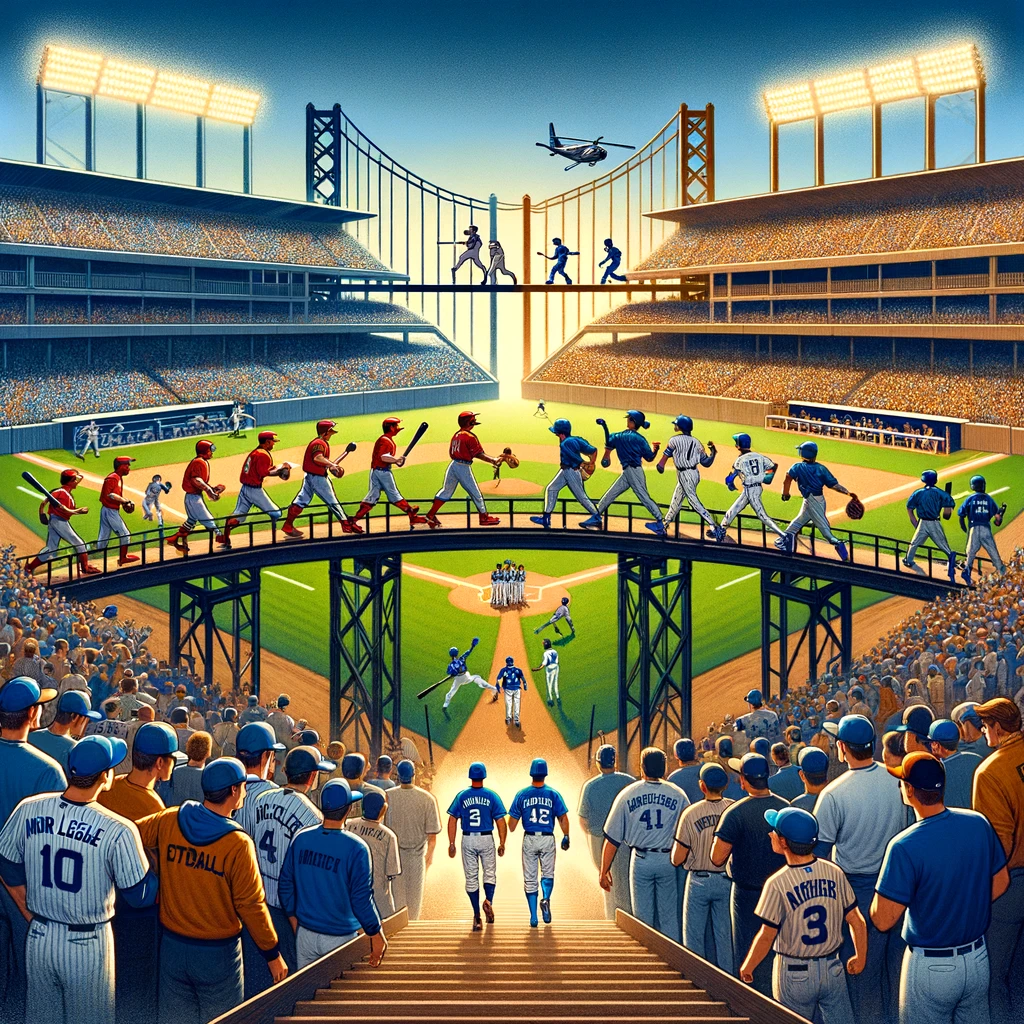
Innovations in Player Development
One of the hallmarks of Minor League Baseball is its ability to adapt and innovate in player development. The methods used to train and evaluate players have evolved significantly over the years, incorporating new technologies and approaches to enhance performance and player safety.
Advanced Analytics
The use of advanced analytics has revolutionized baseball at all levels, including the minors. Data on player performance, biomechanics, and even mental acuity are now meticulously gathered and analyzed. This data-driven approach allows coaches and scouts to identify strengths and areas for improvement with unprecedented precision. Techniques such as video analysis, wearable technology, and biomechanical assessments are now commonplace, providing players with detailed feedback and customized training programs.
Specialized Coaching
Minor League teams have also seen an increase in specialized coaching. Pitching coaches, hitting coaches, strength and conditioning trainers, and mental skills coaches all play crucial roles in a player’s development. These specialists work together to create comprehensive training regimens tailored to each player’s needs, helping them reach their full potential.
Health and Wellness Programs
Recognizing the physical and mental demands of a professional baseball career, many Minor League organizations have implemented robust health and wellness programs. These programs include nutrition plans, psychological support, and recovery protocols to ensure players maintain peak performance levels while minimizing the risk of injury.
The Role of Minor Leagues in College Baseball
The relationship between Minor League Baseball and college baseball is symbiotic, with each system benefiting from the other. College baseball serves as a feeder system for the minors, providing a steady stream of talented players who have honed their skills at the collegiate level.
Scouting and Recruitment
College baseball players are heavily scouted by Minor League and MLB teams. Scouts attend college games and tournaments, evaluating players for potential draft selection. The college game provides an excellent opportunity for players to showcase their talents against high-level competition, making it a critical stage in the development pathway.
Summer Leagues
Summer collegiate leagues, such as the Cape Cod Baseball League and the Northwoods League, also play a vital role in bridging the gap between college baseball and the minors. These leagues offer college players the chance to compete with and against top talent from around the country, further preparing them for the rigors of professional baseball.
Draft and Signings
The MLB Draft is the primary mechanism through which college players enter the professional ranks. Held annually, the draft allows MLB teams to select eligible players from high schools, colleges, and international amateur leagues. Many draftees start their professional careers in the minors, where they continue their development with the goal of reaching the major leagues.
Cultural Impact of Minor League Baseball
Minor League Baseball’s impact extends beyond the diamond, influencing American culture in numerous ways. The sport has become a cherished pastime in many communities, with minor league teams often serving as cultural touchstones.
Americana and Tradition
Minor League Baseball is steeped in Americana, embodying the values and traditions that many associate with the sport. The small-town ballpark, the sounds of the game, and the sense of community all contribute to a nostalgic and deeply rooted cultural experience. These traditions help maintain baseball’s place in the American cultural landscape.
Diversity and Inclusion
The Minor Leagues have also been instrumental in promoting diversity and inclusion within the sport. Players from diverse backgrounds and countries bring a rich tapestry of cultures and perspectives to the game. Initiatives aimed at increasing diversity among players, coaches, and front office staff have helped make baseball more inclusive and representative of broader society.
Fan Engagement
Minor League teams excel in fan engagement, offering a variety of promotions, theme nights, and interactive experiences. From fireworks displays to mascot races, these events create a fun and family-friendly atmosphere that attracts a wide range of fans. This emphasis on fan experience helps build a loyal and enthusiastic fan base, ensuring the sport’s continued popularity.
The Challenges Ahead
While Minor League Baseball has a bright future, it also faces significant challenges that must be addressed to ensure its ongoing success.
Financial Sustainability
Ensuring financial sustainability remains a key concern for many Minor League teams. Rising operational costs, fluctuating attendance, and competition for entertainment dollars all pose challenges. Teams must continue to innovate in marketing, sponsorship, and fan engagement to maintain financial health.
Player Compensation
Another ongoing issue is player compensation. Minor League players have historically been paid modest salaries, often requiring them to seek additional employment during the offseason. Efforts are underway to improve pay and working conditions for minor leaguers, recognizing their essential role in the sport’s ecosystem.
League Restructuring
The recent restructuring of the Minor Leagues has streamlined operations but also resulted in the loss of some teams and leagues. Adapting to this new landscape requires flexibility and strategic planning to ensure that the remaining teams can thrive and continue to fulfill their developmental and community roles.
Conclusion
Minor League Baseball is a cornerstone of the sport, bridging the gap between amateur and professional play while fostering talent and expanding baseball’s reach. Its contributions to player development, community engagement, and cultural enrichment are invaluable. Despite facing challenges, the adaptability and enduring appeal of the Minor Leagues ensure their continued importance in the baseball world. As the sport evolves, the Minor Leagues will remain a critical component in nurturing the next generation of baseball stars and spreading the joy of the game to fans everywhere.
References
- Minor League Baseball Official Website. (n.d.). Retrieved from MiLB.com
- National Baseball Hall of Fame. (n.d.). Retrieved from Baseball Hall of Fame
- “Baseball in America: From Sandlots to Stadiums” by George Vecsey, published 2010.
- “The History of Minor League Baseball” by Lloyd Johnson and Miles Wolff, published 2007.
- ESPN. (n.d.). Minor League Baseball News. Retrieved from ESPN
- “Playing for Keeps: A History of Early Baseball” by Warren Goldstein, published 1989.
- MLB Draft Official Page. (n.d.). Retrieved from MLB.com
Frequently Asked Questions
What role do Minor Leagues play in the development of future Major League players?
The Minor Leagues are essentially the breeding ground for future MLB stars, where the raw talent of tomorrow’s baseball greats is honed and perfected. In the Minor Leagues, players experience a level of competition that is intense and closely mimics that of the Major Leagues, providing them with invaluable experience and preparation. These leagues act as the final preparatory stage, where players can work on refining their skills, such as hitting, pitching, fielding, and mental aspects of the game, before stepping into the Major League spotlight. Over the years, countless MLB legends, including the likes of Derek Jeter and Mike Trout, have emerged from the Minor Leagues, showcasing its critical role in player development. Moreover, the Minor Leagues also give coaching staff, scouts, and team management the opportunity to evaluate players systematically and strategically, ensuring that only those who are truly ready and able to withstand the pressures of professional baseball make it to the MLB stage.
How do Minor League teams contribute to the engagement and growth of local communities?
Minor League teams are integral to their local communities, providing not just entertainment but a sense of identity and pride. Many cities without Major League teams revel in supporting their Minor League counterparts, creating a familial and devoted fan base. These teams often host family-friendly events, theme nights, and community outreach programs that foster a sense of unity and bring people together. Such activities also serve to introduce new generations to the sport, cultivating a lifelong love for baseball. Furthermore, Minor League games are accessible and affordable, allowing families and fans from all socio-economic backgrounds to experience the joy of live baseball. These experiences are vital in nurturing new fans, who may one day elevate their support to a Major League team, thus expanding the reach and popularity of baseball even further.
Why are the Minor Leagues important for maintaining the traditions and future of baseball?
The Minor Leagues play a crucial role in preserving baseball’s rich traditions while propelling the sport into the future. As much as they are about skill development, they are equally about upholding the game’s ethos and history. Within the Minor Leagues, players learn not just the mechanics and tactics needed to succeed, but also the unwritten rules, sportsmanship, and love for the game – all hallmarks of baseball tradition. Beyond the field, these leagues serve as stewards of baseball culture, organizing community events and initiatives that reinforce the historical and cultural significance of the sport. Simultaneously, the Minor Leagues are at the forefront of embracing innovations in training, analytics, and player well-being, creating a dynamic environment that ensures baseball’s continued evolution. By harmonizing tradition with modernity, the Minor Leagues contribute to a vibrant future for the game, preparing it to capture the hearts of future generations.
How do Minor Leagues aid in the geographic expansion of baseball?
The Minor Leagues are instrumental in broadening baseball’s geographic footprint, reaching regions that Major League teams do not. With numerous teams scattered across the country, the Minor Leagues bring professional baseball to smaller cities and rural communities, significantly increasing the accessibility and visibility of the sport. Their presence nurtures local talent who see professional baseball as an attainable goal, inspiring young athletes who dream of making it to the Major Leagues. By cultivating local involvement and spectatorship, the Minor Leagues create a vast network of potential fans and players who might otherwise remain untapped. This strategic placement of Minor League teams provides Major League Baseball with a fertile ground for discovering talent and a built-in fan base eager to support the sport at all levels, thus playing an essential role in the geographic and cultural expansion of baseball.
What challenges do the Minor Leagues face in fulfilling their role in baseball expansion?
Despite their pivotal role, Minor League teams often grapple with significant challenges that can impede their ability to foster baseball expansion. Economic viability is a recurrent issue; teams operate on tight budgets and rely heavily on ticket sales, sponsorships, and community goodwill. Financial strain can limit the scope of player development programs, facilities, and staff that are essential for nurturing top-tier talent. Additionally, travel costs and logistical complexities pose hurdles when attempting to maintain a comprehensive schedule that spans large geographic areas. There is also the ongoing challenge of investor interest and market saturation, where expanding or relocating teams must be strategically planned to ensure sustainability and popularity. Furthermore, with the increasing rise of alternative sports and entertainment options, the Minor Leagues must continually innovate to keep baseball enticing to new audiences. Addressing these challenges through sound management, community engagement, and strategic planning is crucial to sustaining the Minor Leagues’ vital role in the expansion and future of baseball.