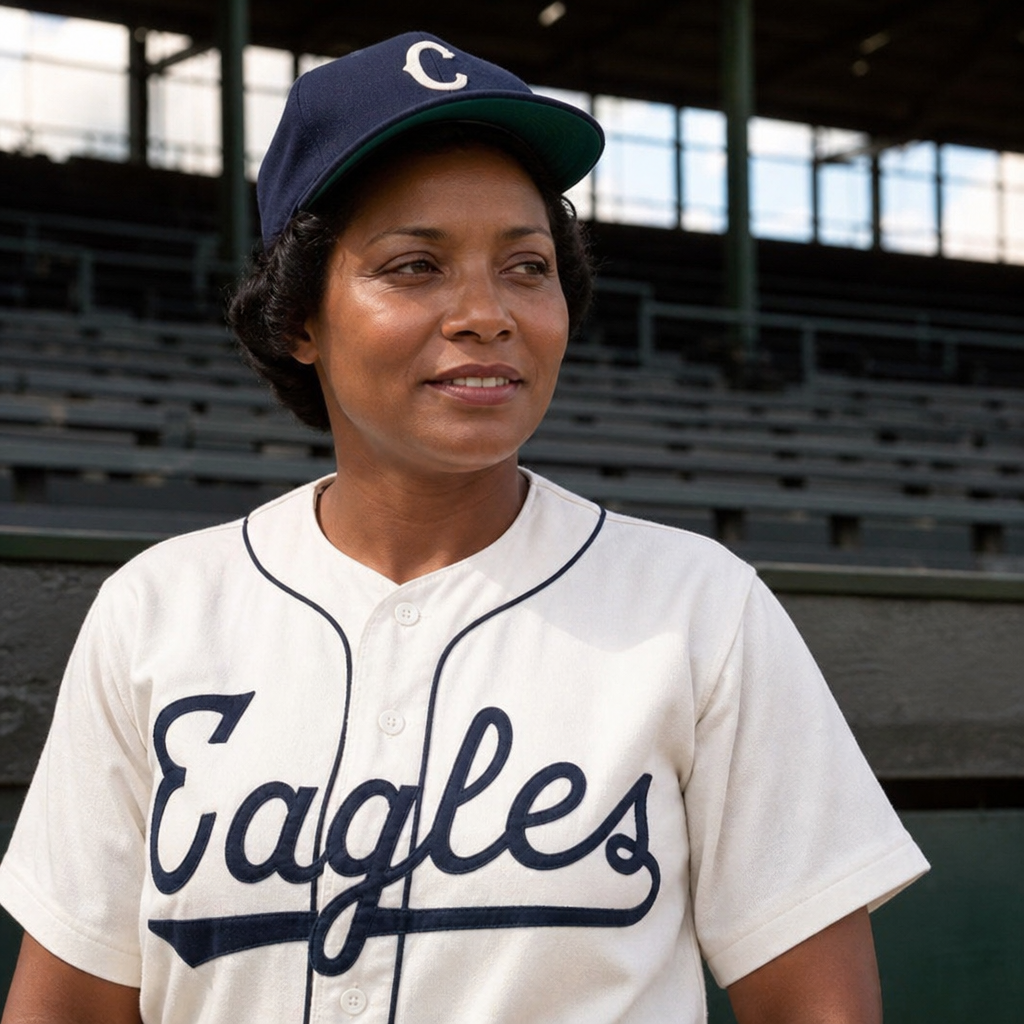
Effa Manley stands as one of the most important figures in baseball history because she changed what leadership looked like in the Negro Leagues and proved that women could shape the business, politics, and public story of the game. In the context of Women in Baseball, her life belongs in any serious discussion of pioneers, not as a side note but as a central case study in how influence works beyond the foul lines. Effa Manley is best known as the co-owner and executive force behind the Newark Eagles, yet that summary is too small. She was a club operator, financial manager, civil rights advocate, talent recruiter, publicist, and later a guardian of Negro League memory. Negro League Baseball refers to the organized Black professional leagues created because segregation excluded Black players, managers, and executives from Major League Baseball. Those leagues were competitive, commercially ambitious, and culturally vital. Manley mattered because she navigated all of that terrain at a time when both race and gender limited access to power. I have found that when people ask how women influenced baseball before modern front offices opened up, Manley is the clearest answer. Her story connects ownership, labor rights, integration, community activism, and historical preservation, making this article a practical hub for the broader Miscellaneous branch of Women in Baseball.
Who Effa Manley Was and Why Her Role Was Unusual
Effa Manley was born in 1897 and emerged as a rare executive in American sports: a woman with real authority over a professional baseball franchise during the 1930s and 1940s. She and her husband, Abe Manley, became associated with the Newark Eagles, one of the premier teams in Negro League Baseball. While some accounts historically reduced her role to that of a supportive spouse, the documentary record and testimony from players make it clear that she handled substantial operational work. She booked games, managed promotions, oversaw finances, negotiated with players, organized travel details, and wrote public statements. In modern terms, she functioned as an owner, business manager, marketing director, and community relations lead at once.
What made her role unusual was not only that she was a woman in baseball, but that she exercised executive power in a segregated sports economy. Women had appeared in baseball before as fans, writers, barnstorming players, club employees, and team relatives, but ownership authority was another level entirely. The Negro Leagues offered more room for entrepreneurial leadership than white organized baseball, yet the environment was still demanding and often unstable. Teams faced irregular schedules, inconsistent gate receipts, travel burdens, and competition for talent. To succeed, an executive needed discipline and creativity. Manley had both. Her career shows that women in baseball did not simply participate at the margins; in some cases, they made the institution function.
The Newark Eagles and the Business of Negro League Baseball
To understand Effa Manley, it helps to understand the Newark Eagles as a business. Negro League clubs did not operate with the same structural support that white major league teams enjoyed. Stadium access could be difficult, road travel was exhausting, and revenue depended heavily on ticket sales, local relationships, and carefully arranged exhibition games. Owners had to think constantly about payroll, transportation, scheduling, weather risk, and the drawing power of star players. The Eagles competed in a market where a single successful homestand could matter greatly and where poor logistics could erase profits.
Manley excelled in this environment because she approached baseball as both sport and enterprise. She was known for promotion, including special events that increased attendance and visibility. She understood that a team had to be sold to its city, not just fielded. Newark, with its strong Black community and proximity to New York, offered opportunity, but only if the club built loyalty. The Eagles eventually became a championship organization, winning the Negro League World Series in 1946. That title was not an accident. It reflected roster strength, operational competence, and an executive team willing to invest in credibility. Players such as Monte Irvin, Larry Doby, and Leon Day gave the club elite talent, but talent alone does not build a champion. Ownership decisions matter, and Effa Manley helped make those decisions work.
How Effa Manley Led: Operations, Advocacy, and Daily Influence
Effa Manley’s leadership style combined practical management with direct advocacy for players and for Black communities. Former players and historians have described her as engaged, vocal, and detail-oriented. She was not a ceremonial owner. She monitored conditions, challenged unfair treatment, and expected professionalism. In an era when many athletes had little bargaining leverage, that mattered. Negro League players dealt with hard travel, uncertain contracts, and inconsistent accommodations. Manley pushed for better standards where she could and used her position to defend her team’s interests.
Her influence also extended beyond the clubhouse. She was active in anti-discrimination efforts and community campaigns, including boycotts aimed at businesses that would take Black customers’ money but refuse to hire Black workers. That activism belongs in the baseball story because Negro League teams were deeply tied to Black urban life. A franchise was not just an entertainment product; it was a civic symbol. Manley recognized that visibility brought responsibility. In my experience reviewing baseball history, that combination of sports management and social advocacy is one reason her legacy has lasted while many owners are barely remembered.
She also understood media framing. Public image could shape gate revenue, player reputation, and league standing. A strong owner had to know when to speak, when to challenge rival clubs, and how to present legitimacy to fans and journalists. Manley did that consistently. Her example is useful for anyone studying women in sports leadership today because it shows that executive power is rarely one skill. It is a bundle of negotiation, messaging, logistics, and moral judgment exercised under pressure.
Key Reasons Effa Manley Matters in Women in Baseball
Effa Manley matters for several distinct reasons, and together they explain why she anchors the Miscellaneous side of a Women in Baseball hub. She connects multiple themes that are often studied separately: leadership, ownership, race, labor, memory, and reform.
| Theme | Why It Matters | Effa Manley Example |
|---|---|---|
| Ownership | Shows women held real baseball authority before modern inclusion efforts | Co-led the Newark Eagles and influenced major business decisions |
| Team Building | Demonstrates that front-office success shapes championships | Helped sustain the Eagles through their 1946 title run |
| Civil Rights | Places baseball within broader Black community struggles | Supported anti-discrimination campaigns and fair employment pressure |
| Integration | Reveals the costs and opportunities created when MLB signed Black stars | Advocated for compensation when teams lost talent to the majors |
| Historical Memory | Preserves Negro League contributions in the official baseball record | Worked to document players and protect league history after decline |
For readers exploring related articles under Women in Baseball, Manley provides a bridge between on-field and off-field history. If you are studying women players, she adds the executive perspective. If you are studying baseball integration, she highlights the economic side. If you are studying Black sports institutions, she shows how leadership and activism interacted. Few figures connect so many threads so clearly.
Effa Manley and Baseball Integration
One of the most important chapters in Effa Manley’s story involves integration and its uneven consequences. When Major League Baseball began signing Black talent, the moral victory was undeniable. Segregation in the majors was unjust, and breaking it was necessary. But integration also harmed Negro League clubs financially by removing the stars who attracted crowds while offering little compensation to Black owners who had developed that talent. Manley saw the contradiction clearly. She supported opportunity for Black players, yet she also argued that Negro League teams were being stripped of their assets without fair return.
Larry Doby’s move from the Newark Eagles to the Cleveland Indians in 1947 is a key example. Doby became the first Black player in the American League, an achievement of real historical weight. But the transaction also exposed how vulnerable Negro League teams were when major league organizations tapped their rosters. Manley pushed for proper compensation, recognizing that integration could be both progress and extraction at the same time. That is a nuanced but essential point. Baseball history is weaker when it treats integration as a simple before-and-after story. In reality, it created winners, losses, and institutional disruption.
Her position anticipated later debates in sports economics about development systems, transfer value, and the unequal power of dominant leagues. She understood that justice for players did not automatically mean justice for Black baseball institutions. That distinction makes her commentary especially relevant for historians today. It also explains why she deserves attention not just as a pioneer woman executive, but as a serious thinker about the structure of the game.
The 1946 Newark Eagles Championship and Its Meaning
The Newark Eagles’ 1946 Negro League World Series title remains the high point of the franchise and a defining achievement in Effa Manley’s career. The Eagles defeated the Kansas City Monarchs, one of the most respected clubs in Black baseball. Championships validate more than roster talent. They demonstrate effective scouting, player retention, strategic scheduling, financial commitment, and the ability to maintain confidence over a long season. For Manley, the title confirmed that her work in the front office produced competitive results.
The championship roster featured standout players and future Hall of Famers, but the context matters. Postwar America was changing, and Black baseball was drawing intense attention even as major league integration loomed. Winning in 1946 placed the Eagles at the peak of Negro League prestige just before the structure of Black professional baseball began to shift irreversibly. That timing gives the title added significance. It was both a celebration and a marker of a turning point.
For women in baseball history, the 1946 title is especially powerful because it destroys any claim that women’s influence was symbolic or secondary. Manley was part of a championship executive team in top-level professional baseball. That is a concrete accomplishment, not a commemorative label added later. When discussing barriers in baseball, this is the sort of evidence that changes the conversation.
Preserving Negro League History and Entering the Hall of Fame
After the decline of the Negro Leagues, Effa Manley helped preserve their history rather than allowing the record to fade. This work matters because historical memory is never automatic. Leagues disappear, archives scatter, newspapers go out of print, and the people with firsthand knowledge pass away. Manley contributed to efforts that documented players and defended the significance of Negro League baseball within the larger history of the sport. Without that kind of work, later recognition by researchers, museums, Major League Baseball, and the National Baseball Hall of Fame would have been far more difficult.
Her own recognition arrived in 2006, when she was inducted into the Hall of Fame. She became the first woman inducted there for her contributions to baseball as an executive. That milestone was overdue, but it was also instructive. It showed that baseball’s official institutions had finally accepted what many scholars and long-time fans already knew: Effa Manley belonged among the game’s architects. Hall of Fame recognition does not create importance; it confirms it. In her case, the evidence was extensive long before the plaque was unveiled in Cooperstown.
For a Women in Baseball hub page, this legacy is crucial. Manley is not only part of baseball history; she is part of the process by which baseball history is remembered, organized, and honored. That gives her a unique place among pioneers.
What Readers Exploring This Miscellaneous Hub Should Study Next
Effa Manley opens several productive paths for deeper reading across Women in Baseball. First, study women in ownership and front-office roles to see how rare authority was and how it expanded over time. Second, compare Negro League leadership with women’s roles in barnstorming teams, the All-American Girls Professional Baseball League, and modern MLB and MiLB administration. Third, examine Black women in sports activism, where baseball intersects with labor, consumer pressure, and civil rights organizing. Fourth, look at the business mechanics of segregated sports, including contracts, travel, stadium leases, and promotion. Finally, explore historical memory: museums, oral histories, newspaper archives, and Hall of Fame debates all shape whose stories survive.
This is why Effa Manley works so well as the hub figure for a Miscellaneous category. She does not fit into only one box. She ties together women’s leadership, Black baseball enterprise, integration, and preservation in one biography. Readers who start with her can move outward into nearly every major question surrounding women’s place in baseball history.
Effa Manley broke barriers not by asking for symbolic inclusion, but by doing the hard executive work that keeps a baseball team alive, competitive, and connected to its community. She helped run the Newark Eagles, supported championship baseball, advocated for Black workers and players, challenged the inequities of integration, and later fought to preserve Negro League history. Those achievements make her indispensable to any understanding of Women in Baseball and to any honest account of American baseball itself. The main lesson is straightforward: baseball has always been shaped by women, even when official histories minimized their roles, and Effa Manley is one of the strongest proofs. If you are building out your knowledge of this subtopic, start with Manley, then follow the threads she connects—ownership, civil rights, Negro League business, and historical memory—to build a fuller picture of the game.
Frequently Asked Questions
Who was Effa Manley, and why is she so important in baseball history?
Effa Manley was one of the most influential executives in Negro League Baseball and remains one of the most important women in the broader history of the sport. She is best known as the co-owner of the Newark Eagles, but her importance goes far beyond a job title. Manley helped lead one of the premier franchises in the Negro Leagues and played a direct role in shaping team operations, player relations, promotion, community engagement, and the public image of Black baseball at a critical moment in American history.
What makes her story especially significant is that she challenged multiple barriers at once. In an era when baseball leadership was overwhelmingly male and American society was deeply segregated, Manley built real authority in the business of the game. She was not a ceremonial figure. She was actively involved in contracts, scheduling, marketing, advocacy, and league matters. That level of hands-on leadership is a major reason she belongs at the center of any discussion about pioneers in Women in Baseball.
Her legacy also matters because it expands how people think about influence in sports. Effa Manley did not become famous as a player on the field, yet she shaped the game through executive power, strategic thinking, and social leadership. She demonstrated that baseball history is not only made by stars with bats and gloves, but also by people who build institutions, defend players, and help define the future of the sport. That is why historians, fans, and scholars continue to view her as a barrier-breaking figure whose impact reached far beyond the foul lines.
What role did Effa Manley play with the Newark Eagles?
Effa Manley served as the co-owner and driving executive force behind the Newark Eagles, one of the strongest and most respected teams in Negro League Baseball. Alongside her husband, Abe Manley, she helped guide the club, but many accounts emphasize that Effa was deeply involved in the everyday and long-term decisions that made the franchise successful. She worked on business operations, helped sign and support talent, organized promotions, and made sure the team maintained a visible and respected place within both the league and the Newark community.
Her work with the Eagles reflected a modern understanding of sports management long before that became common language. She recognized that a successful baseball team needed more than talented players. It needed strong public relations, reliable organization, smart financial decisions, and meaningful relationships with fans. She helped market games, attract attention to the team, and create a stronger connection between the club and the community it represented.
The Newark Eagles reached the top of Negro League competition during her tenure, including winning the Negro League World Series in 1946. That achievement was not accidental. It came from careful leadership and a commitment to excellence at multiple levels of the organization. Effa Manley helped build an environment where talent could thrive, and her role in that success shows why she should be recognized not simply as an owner in name, but as a genuine architect of one of Black baseball’s standout franchises.
How did Effa Manley break barriers for women in baseball?
Effa Manley broke barriers by proving that women could lead at the highest levels of professional baseball administration and ownership. At a time when women were often excluded from decision-making roles in sports, she asserted authority in an environment shaped by sexism as well as racism. Her presence in Negro League leadership challenged the idea that baseball’s serious business belonged only to men.
What makes her barrier-breaking role so powerful is that she was effective in areas often used to define executive legitimacy: personnel decisions, business strategy, league politics, and public advocacy. She was not confined to a narrow or symbolic role. Instead, she demonstrated competence and influence in the full range of responsibilities that help determine whether a franchise succeeds. In doing so, she created a model of leadership that women in baseball could point to as evidence that their contributions were not secondary, but essential.
Her story also stands out because she showed that leadership in baseball is not limited to the dugout or the batter’s box. For many women, access to playing opportunities was limited or denied altogether, especially in earlier eras. Effa Manley’s career reveals another crucial dimension of baseball history: women have shaped the sport through ownership, administration, advocacy, and vision. That is why she should be seen not as an exception tucked into the margins, but as a central figure in the story of how women expanded the possibilities of the game.
Why is Effa Manley considered important beyond her team’s success on the field?
Effa Manley’s significance goes well beyond wins, losses, and championships because she understood baseball as a cultural, political, and community institution. She used her platform to advocate for fairness, dignity, and recognition for Black players who too often faced exploitation and exclusion. In that sense, her legacy is tied not only to sports management, but also to social leadership.
She was known for speaking up on issues involving player treatment and the economic realities of Negro League Baseball, especially as Major League Baseball began signing Black talent without always adequately compensating Negro League clubs. Manley recognized that the success of Black baseball had been built through tremendous effort, community investment, and entrepreneurial skill. She pushed for greater justice in how that history and labor were acknowledged. This advocacy makes her an especially compelling figure because she was not only building a team, but also defending an entire baseball ecosystem.
Her influence also extended into public storytelling. She helped shape how the Newark Eagles were presented to fans and how Negro League teams connected with their communities. By blending business intelligence with activism and public engagement, she left a legacy that reaches into discussions of race, gender, sports ownership, and historical memory. That broader impact is exactly why Effa Manley remains such a vital figure in American sports history.
What is Effa Manley’s lasting legacy in Negro League Baseball and Women in Baseball?
Effa Manley’s lasting legacy is that she permanently changed the way baseball history must be told. In Negro League Baseball, she stands as a symbol of executive excellence, franchise leadership, and fierce advocacy for players and institutions that deserved far more recognition than they received in their own time. In Women in Baseball, she represents a powerful reminder that women have long been central to the sport’s development, even when traditional histories failed to give them full credit.
Her legacy is also strengthened by the fact that she has received formal historical recognition. Effa Manley was inducted into the Baseball Hall of Fame, a milestone that underscored her importance as one of the game’s true pioneers. That honor matters because it confirms what many historians had long argued: her work was not peripheral to baseball history, but fundamental to it. She helped shape the business and meaning of the game during one of its most important eras.
Today, her story continues to resonate because it speaks to leadership, courage, and vision. She showed that influence in baseball can come through intellect, persistence, negotiation, advocacy, and community commitment. For readers exploring the history of the Negro Leagues or the larger story of women in sports, Effa Manley is not just an inspiring figure. She is an essential case study in how barriers are broken, how institutions are built, and how overlooked leaders can redefine the sport for generations to come.