
Branch Rickey is a name that resonates strongly within the annals of baseball history, transcending beyond mere sport and into the realms of social reform. Renowned for his steadfast courage and visionary outlook, Rickey’s most significant contribution was his instrumental role in integrating Major League Baseball (MLB). At a time when racial segregation was entrenched not just in sports, but in everyday life, Rickey dared to dream of a more inclusive game. His actions and the pioneering spirit he embodied initiated a profound transformation in American society.
Born in a small town in Ohio in 1881, Wesley Branch Rickey rose through the baseball ranks, first as a player and later as a manager and executive. By the 1940s, he was the general manager of the Brooklyn Dodgers, a key position from which he would launch his campaign for equality. The narrative of Branch Rickey’s life is one of courage and conviction, interwoven with the broader story of America’s struggle with race relations. Rickey’s decision to sign Jackie Robinson to a major league contract was more than a bold sports move; it was a seminal moment in the American civil rights movement.
Through Rickey’s groundbreaking initiative, baseball ceased to be just a game; it became a battleground where the fight for civil rights was waged. Yet, the path to integration was fraught with challenges, ranging from societal pushback to the ingrained racism of the era. Rickey and Robinson’s partnership wasn’t just about bringing talent to the forefront; it was about confronting and dismantling deep-seated prejudices, setting a precedent not only in sports but across the nation. The integration of baseball under Rickey’s guidance is a reminder of the power of sports as a catalyst for social change.
The Early Life and Influences of Branch Rickey
Branch Rickey’s upbringing and formative years were instrumental in shaping the ideology that would later define his legacy within baseball. Raised in the rural heartlands of Ohio, Rickey was instilled with the values of hard work, integrity, and fairness. His parents, strict Methodists, nurtured a strong moral code within their household, emphasizing equality and justice. These principles guided Rickey throughout his life and career, providing him with a moral compass that would steer him toward advocating for integration.
Rickey’s college years were equally formative. At Ohio Wesleyan University, he was exposed to a broader range of ideas and cultures, broadening his perspective on social issues, including race. It was here that Rickey faced a pivotal moment that crystallized his views on inequality. As the captain of the Ohio Wesleyan baseball team, he stood firm when a fellow African American team member was denied entry to a hotel. His actions reflected a deep-seated belief in fairness and equality, attributes he carried into his professional life.
After a stint as a player and manager, Rickey settled into a career as a major league executive, a role that allowed him greater influence. He became known not only for his baseball acumen but for his advocacy work off the field. His work in the Cardinals’ farm system revolutionized the development of players and set new standards within the league, showcasing his innovative spirit. Importantly, these experiences solidified Rickey’s conviction that segregation was not only wrong but that it was holding baseball back from realizing its full potential.
The Formation of a Transformative Vision
By the time Branch Rickey assumed leadership of the Brooklyn Dodgers in 1943, he had already been formulating a plan that would change the face of baseball forever. The socio-political climate of the 1940s was on the brink of change, as civil rights movements began gaining momentum. Rickey recognized an opportunity to contribute genuinely to the cause. He perceived baseball as not just a sport but as an influential platform that could help normalize integration in the wider American society.
Rickey’s strategy was carefully crafted and meticulously planned. He understood both the cultural significance and the potential backlash of integrating the major leagues. Thus, his plan required a candidate not only capable of excelling athletically but also dealing honorably with the enormous pressure and potential hostility. This led him to Jackie Robinson, an exceptional talent who embodied the resilience and fortitude necessary to serve as a trailblazer.
For Rickey, this move was less about personal recognition and more about doing what was right. He was acutely aware that he was not just signing a player but was orchestrating a movement. His determination was reinforced by his belief in meritocracy, where ability, not race, should dictate success on the baseball field. His commitment to this cause underscored the ideology that motivated him throughout his career – a belief that sports had the potential to transcend social injustices and set a foundation for broader societal reform.
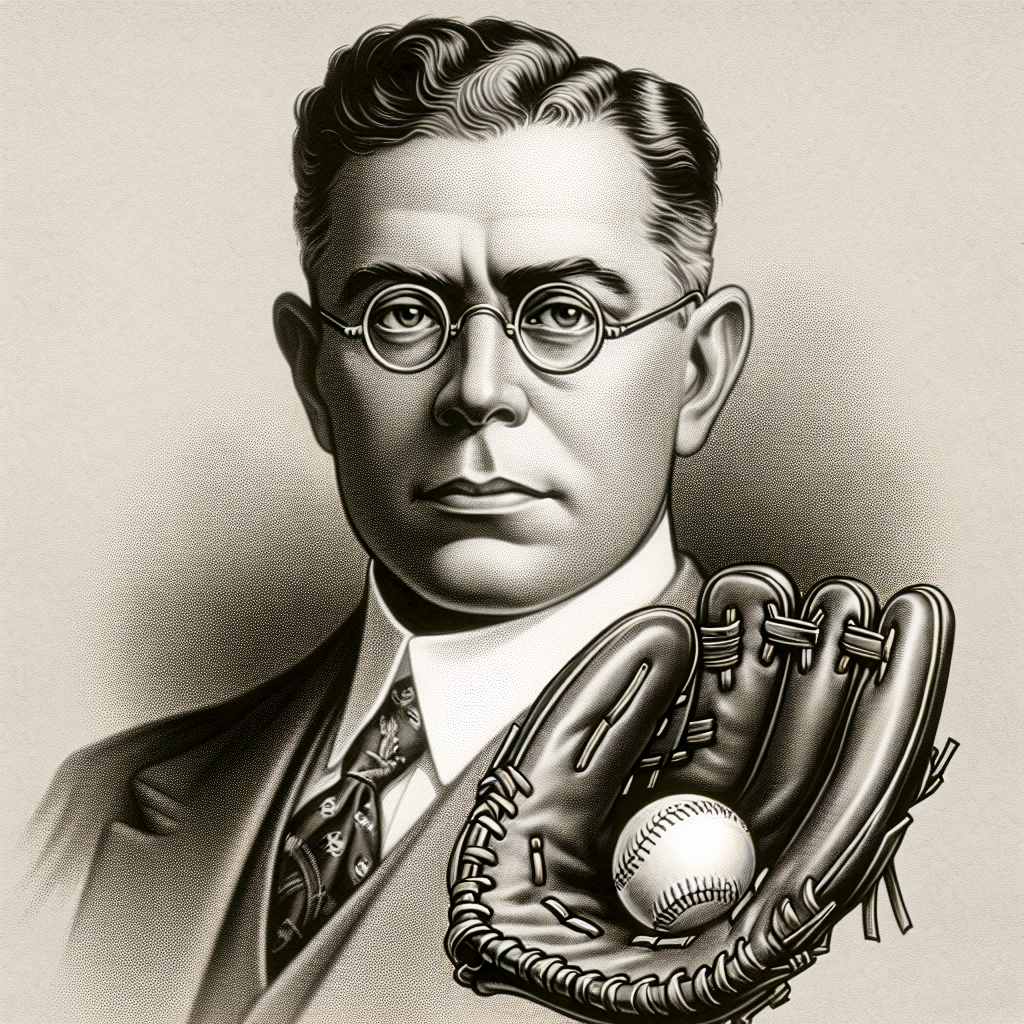
The Selection of Jackie Robinson
Selecting the right player to lead the charge for integration was perhaps Branch Rickey’s most crucial decision. In Jackie Robinson, Rickey found an ideal candidate—a skilled player known for his dynamic playing style and unwavering determination. Furthermore, Robinson possessed an inner strength and calm demeanor, qualities critical for withstanding the intense scrutiny that would accompany his historic role.
Branch Rickey was meticulous in his approach. He needed someone who could take what the world would throw at him and approach it with grace and fortitude. Robinson’s background was impressive: he was not only a talented baseball player but also a well-rounded athlete with experience in multiple sports. His military service further proved his discipline and resilience, making him a perfect fit for Rickey’s vision.
In 1945, Rickey and Robinson met in a clandestine meeting, during which the risks were candidly discussed. Rickey was explicit about what Robinson would face and posed the challenge of overcoming racial hostility without retaliation. Robinson’s agreement to these terms demonstrated not only his desire to play in the majors but also his commitment to the broader civil rights movement. Together, Rickey and Robinson signed a landmark contract, a solemn pact that would ultimately alter the landscape of professional sports and contribute to reshaping American society.
Impact and Challenges of Integration
The integration of baseball did not occur in isolation; it echoed throughout American society, challenging entrenched racial norms and prejudices. Branch Rickey’s signing of Jackie Robinson was a seismic event, signaling a bold push toward equality and setting a precedent for other sports and industries. However, this groundbreaking move was not without its challenges. Both Rickey and Robinson encountered significant resistance from various quarters, including fans, fellow players, and even some team owners.
Robinson faced discriminatory harassment on and off the field, from heckling and threats to exclusionary conduct from some teammates. For Rickey, the backlash came in many forms, from public disapproval to threats against his career and baseball legacy. Yet, he remained steadfast, rallying support from fellow visionaries and using his influence to persuade those in positions of power within the sport.
Rickey’s gamble paid off. As Robinson’s prowess on the field shone through, opinions began to shift. Crowds from diverse backgrounds came to witness the Dodgers play, and as more people saw Robinson’s extraordinary talent, the outcry against his presence diminished. The integration sparked a gradual acceptance of multi-racial teams in the major leagues, and the social ripple effect extended beyond sports, contributing to the positive trend leading up to the Civil Rights Movement of the 1960s.
Legacy of Branch Rickey
Branch Rickey’s legacy is far-reaching and profound. He is celebrated not just as a pioneering baseball executive but as a catalyst for wider societal change. The integration of baseball proved to be a powerful symbol and catalyst, inspiring movements for equality in various sectors and helping to dismantle racial barriers across the United States. Rickey’s actions demonstrated the impact one person could have in challenging the status quo and generating social change.
Under Rickey’s stewardship, baseball evolved into a sport that more accurately reflected America’s multicultural identity. His dedication to promoting racial equality and fostering talent across boundaries redefined the ethos of Major League Baseball. The choice to integrate the sport was inherently revolutionary, proving that the unity and strength diversity offered could overcome long-standing societal divides.
More than six decades later, the significance of Rickey’s courageous endeavor continues to resonate. He is immortalized not only in the annals of sports history but also in the broader narrative of America’s march toward equality. Rickey’s pioneering vision and resolve serve as a testament to the pivotal role sports can play in driving social reform. His story is a powerful example of leadership, bravery, and the enduring power of standing up for what is right.
Conclusion: Branch Rickey’s Enduring Impact
Branch Rickey, through his unyielding spirit and visionary ideals, left an indelible mark on the fabric of both baseball and American society. His refusal to accept the status quo of segregation opened doors not only for Jackie Robinson but for countless athletes who followed in his groundbreaking footsteps. Rickey’s efforts helped redefine the sport and illustrated the profound impact that courage and commitment to justice could yield in the public sphere.
Baseball’s integration exemplified the potential of sports as a mechanism for social reform, igniting a conversation that reverberated far beyond the ballpark and contributed significantly to the broader civil rights movement. Rickey’s legacy lives on in the athletes who compete on a level playing field, reflective of a society that has moved closer to inclusiveness and diversity because of his pioneering steps.
From the fields of Ohio to the executive offices of the Brooklyn Dodgers, Rickey’s journey was characterized by integrity, innovation, and an unwavering quest for equality. His story inspires us to think about the roles we can play in advocating for fairness and justice within our own fields. Branch Rickey’s life’s work stands as a testament to the power of individual initiative in propelling social progress, and his legacy will continue to champion the cause of equality in sports and beyond.
Frequently Asked Questions
1. Who was Branch Rickey, and why is he significant in baseball history?
Branch Rickey was a transformative figure in the world of baseball, known not just for his achievements on the field, but for his profound impact on society through sports. He held multiple positions in Major League Baseball (MLB) as an executive, serving notably with the St. Louis Browns, St. Louis Cardinals, Brooklyn Dodgers, and Pittsburgh Pirates. However, his lasting legacy rests on his bold move to integrate MLB, breaking the color barrier by signing Jackie Robinson. This was not a mere sports strategy; it was a courageous social statement. During a time when racial segregation was a norm in America, Rickey looked beyond the status quo, challenging systemic racism and setting a precedent for inclusion and diversity. His vision and actions effectively opened the doors for countless African American players and laid the groundwork for future civil rights advancements. Rickey’s story is one of courage, vision, and an unwavering belief in the power of sports to instigate real social change.
2. What were Branch Rickey’s motivations behind integrating baseball?
Branch Rickey’s motivations were deeply rooted in both personal convictions and a strategic understanding of baseball’s future. As a staunch advocate for equality, Rickey was troubled by the racial injustice he witnessed both within the sport and in society at large. He believed that talent should be the sole criterion for a player to participate in MLB, irrespective of race. Professionally, Rickey foresaw the untapped potential of integrating baseball as beneficial not only in defining MLB as a leader in sports progressivism but also in unleashing a wealth of talent that could elevate the quality of the game. Economically, he recognized the league’s potential to expand its fan base by appealing to a more inclusive audience. Thus, his decision to sign Jackie Robinson was both a moral and a calculated one, seeking to reconcile America’s beloved pastime with its evolving ideals of equality and justice.
3. How did Branch Rickey navigate the challenges of integrating MLB?
Branch Rickey navigated the daunting challenges of integrating MLB with a mix of strategic foresight, public relations acumen, and an unyielding resolve in the face of considerable adversity. He was acutely aware of the societal backlash and the strenuous opposition from within baseball’s conservatively entrenched ranks. To combat this, Rickey meticulously orchestrated the introduction of Jackie Robinson by preparing him extensively to withstand racism and yet respond with grace and dignity. Understanding the power of media, Rickey skillfully managed publicity, ensuring that the narrative around Robinson’s entry was one of talent and fairness. Additionally, Rickey built a solid base of support among forward-thinking journalists, civil rights activists, and, importantly, some key baseball insiders who shared his vision or were persuaded of the economic benefits. This multifaceted approach allowed him not only to break the color barrier but also to pave the way for a sustainable integration process within the league.
4. What impact did Branch Rickey’s actions have on Major League Baseball and beyond?
The impact of Branch Rickey’s actions transcended the boundaries of the baseball diamond to effect significant cultural and social change. By signing Jackie Robinson, Rickey not only spoke to the aspirations of millions of African Americans but also confronted the broader American public with the injustices of racial segregation. Within MLB, this move sparked a gradual but unstoppable wave of integration, with other teams soon following suit, leading to a more diverse and inclusive league. As more African American and Latino players joined the league, the quality and excitement of the baseball competition were significantly elevated. Beyond baseball, Rickey’s actions resonated with the burgeoning civil rights movement, standing as a powerful challenge to the status quo and offering a model of peaceful, effective integration. Ultimately, Rickey’s pioneering spirit demonstrated that sports could be a powerful catalyst for social reform.
5. Can you describe the relationship between Branch Rickey and Jackie Robinson?
The relationship between Branch Rickey and Jackie Robinson was uniquely strategic, supportive, and transformative. When Rickey scouted Robinson, he was looking not just for exceptional athletic talent but also for a character strong enough to endure the inevitable hostility and prejudice that would accompany breaking baseball’s color line. Rickey was a mentor to Robinson, prepping him beyond mere baseball skills. He meticulously prepared Robinson to face verbal and physical attacks with poise, recognizing that Robinson’s resilience would be crucial in maintaining the integrity of baseball’s integration. Robinson reciprocated with unwavering determination and skill, becoming not just the embodiment of Rickey’s vision but an unassailable proof of the righteousness of their shared cause. Their synergy was not only critical on an athletic level but created a storied bond that went on to influence perceptions of race and equality far beyond the sport, solidifying their roles as pivotal figures in American history.