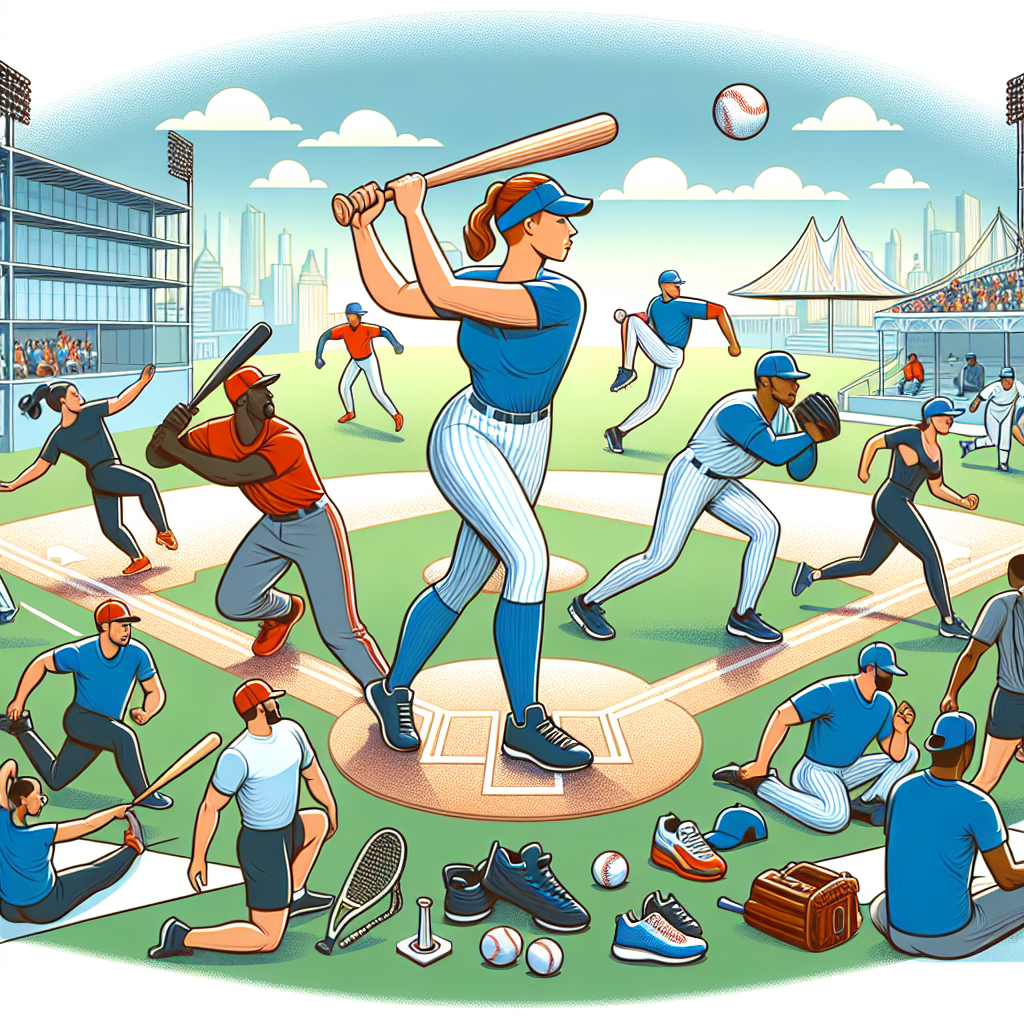
Baseball has long been celebrated as America’s national pastime, a sport that not only captivates the hearts of millions but also plays a significant role in promoting physical fitness and health. From neighborhood sandlots to grand stadiums, baseball offers a dynamic blend of physical activity, coordination, and strategic thinking, making it a unique exercise in developing and maintaining overall health. At its core, baseball is not just about hitting home runs or fielding grounders—it’s about cultivating a culture of fitness and a lifestyle dedicated to the betterment of both body and mind.
The game’s unique structure contributes considerably to the promotion of physical fitness. Whether for young children using their first glove or professional athletes swearing by it as their career, the emphasis on physical agility, cardiovascular endurance, and muscular strength are tenets of baseball that reach all ages. Baseball’s comprehensive exercise routine covers different aspects of physical health—from cardiovascular workouts in running bases to power training in batting and throwing.
Baseball’s social, psychological, and physical benefits far exceed its reputation as just a sport. It is this multi-faceted approach to wellness that establishes baseball as an ideal framework for testing and improving the human body’s capabilities. This narrative mirrors its historical fabric, as baseball evolved as a sport designed to contribute to societal health and wellness. As we explore further, we’ll uncover how baseball facilitates an inclusive environment for individuals of all ages to enjoy and prioritize fitness in their daily lives, making it a cornerstone for community health.
The Physical Demands and Fitness Benefits of Baseball
Baseball frequently involves a diverse array of movements that encompass cardiovascular fitness, strength, and flexibility. Unlike many sports with rigid routines, baseball continuously mixes burst movements, endurance parts, and muscle coordination exercises. This broad fitness appeal encourages players to develop well-rounded physical attributes.
Running is one of the primary cardiovascular components of baseball. Whether advancing around the bases or covering the outfield, players tap into sprinting and endurance aspects. These activities increase heart rate, improve lung capacity, and enhance cardiorespiratory fitness over time. By doing this repeatedly, baseball enhances stamina and cardiovascular health, burning calories and reducing the threat of conditions like obesity, cardiovascular disease, and diabetes.
With respect to muscular strength, baseball demands power from major muscle groups. Pitching and batting each demand power, requiring engagement of the shoulders, arms, and core muscles. Throwing a ball involves explosive movements that engage the upper body and core, whereas batting mechanics similarly depend on a combination of upper and lower body strength.
Furthermore, agility and flexibility are key assets in successfully performing on the field. Acquiring hand-eye coordination, quick reflexes, and adaptability is significant in benefiting overall motor skills. The dynamic range of motion during plays, from catching to hitting, serves as a consistent practice in extending physical dexterity and kinesthetic awareness.
Psychological and Social Health in Baseball
Though primarily a physical sport, baseball also champions mental fitness, nurturing psychological health through its intrinsic values. The sport inspires a team spirit, nurturing a sense of belonging and interpersonal relationships valuable to mental wellness. Baseball is a model of teamwork, demanding constant communication and cooperation between players, fostering social bonds and a community atmosphere on account of its team-centric nature.
Subsequent to the physical activities, baseball also promotes mental acuity and cognitive engagement. The sport requires strategizing, problem-solving, and quick decision-making, enhancing focus, concentration, and mental agility. This emphasis on mental processes reinforces emotional stability, decreases stress, and supports cognitive functioning.
Moreover, baseball is intertwined with the cultivation of discipline, commitment, and resilience. These constructs bolster mental health resilience and aid in navigating life’s challenges. Practicing invariable drills, adhering to game strategies, and persisting through performance pressures ground individuals with life skills that extend far beyond the baseball diamond.
The shared victory and challenges within baseball create a supportive environment, empowering individuals to build self-esteem and confidence. This holistic nurturing of mental health is paramount and aligns with the overall health benefits baseball brings about as a foundational sport within societies globally.

Baseball’s Reach Across Different Age Groups
The universality of baseball allows it to cater to different age groups with relative ease, maintaining its position as an ageless sport promoting fitness and health across life stages. The sport adopts various adaptations to suit age-specific fitness needs, making it increasingly accessible while keeping true to its core philosophy of physical activity.
For youth, baseball offers an introduction into structured physical activity, molding the early sense of fitness and health. Youth baseball focuses on fundamental skills, motor development, and instilling a love for sport. Involvement at a young age lays the groundwork for long-term fitness behaviors, promoting lifelong healthy habits.
Teenagers and young adults find baseball as an avenue for competitive sport, preparation for more demanding physical endeavors, and social engagement. Its organized leagues and competitive dynamics cater to this age group, combining fitness with growth and social experiences.
Adults maintain their health with baseball through recreational leagues or social meet-ups, enabling them to enjoy physical activity and socialization. For many, participating in baseball as an adult fosters a healthier, active lifestyle amidst modern-day sedentary habits.
Seniors are not excluded from baseball’s fitness benefits, with age-appropriate modifications to the sport allowing continued engagement. Activities like slow-pitch softball or walking baseball ensure older adults maintain physical activity without risking injury, aligning with the wellness needs at this life stage.
Community and Cultural Impact of Baseball on Health
Baseball’s role extends far beyond individual participation—its influence is embedded in the fabric of communities, aiding in promoting public health. Communities around the world have significantly benefited from baseball’s role in encouraging physical fitness, shaping health policies, and building social networks.
Local baseball leagues and community events utilize the sport to foster inclusive environments where people of varying ages and abilities unite, sharing the common ground of physical activity. These gatherings highlight the importance of staying active and set a positive example of community health ideologies.
In many urban landscapes, baseball fields provide accessible spaces for regular physical activity, inviting community members to participate in fitness outings or leisure activities. They act as neighborhood symbols of health where individuals and families garner inspiration towards active lifestyles.
Additionally, baseball’s cultural influence has driven public health initiatives and educational programs that emphasize the importance of incorporating sports and fitness into daily routines. By highlighting successful athletes or stories of sportsmanship, communities rally around the central concepts of fitness, unity, and health advocacy.
Technology and Baseball: Innovating Health Benefits
The intersection of technology and baseball has surfaced new opportunities to enhance fitness and health benefits related to the sport. Recent technological advancements have allowed for more precise training, performance monitoring, and injury prevention, revolutionizing the way players engage with baseball.
Technological tools such as wearable devices, motion-tracking software, and smart equipment enable athletes to monitor their physical performance closely. These tools provide real-time feedback on aspects like speed, heart rate, and calorie expenditure, allowing players and coaches to optimize training regimens and improve overall fitness outcomes efficiently.
Beyond performance assessments, technology in baseball aids in preventing and recovering from injuries through biomechanical analysis. Recognizing potential injury risks and managing them proactively ensure that players maintain continuity in their fitness journeys without interruptions caused by injuries.
Moreover, technology has made the sport’s fitness benefits accessible to a wider audience. Online platforms, virtual coaching sessions, and mobile applications provide resources for individuals to learn, practice, and improve their skills and fitness levels from anywhere, cultivating a global culture of health-oriented baseball enthusiasts.
Conclusion
Baseball, with its rich heritage and multifaceted appeal, serves as an exemplary model for promoting physical fitness and health across various dimensions. Its scope, extending from individual body wellness to community health initiatives, affirms its potential and promises as a sport capable of effecting positive health change. By synergizing cardiovascular exercise, muscular strength, mental agility, and teamwork, baseball brings forth a synchronized fitness model, easily adaptable to all ages and capabilities.
In our quest for balanced lifestyles and communal health, baseball offers a stage where individuals can actively partake in cultivating their personal fitness, thereby investing in societal health narratives. Its historical and continuous influence in emphasizing wellness renders it invaluable within the modern health discourse.
Looking forward, baseball’s innovations via technology and its ever-expanding inclusivity are set to enhance its role in driving health and fitness forward. These forward-facing adaptations ensure baseball will continue serving as a guidepost for fitness enthusiasts and health-driven communities.
Ultimately, baseball transcends being a mere game; it is an embodiment of health and a catalyst for lifelong fitness commitments, capacities, and communities that bolster the well-being of individuals, families, and societies globally.
Frequently Asked Questions
1. How does playing baseball improve physical fitness?
Playing baseball is an excellent way to enhance physical fitness because it engages a wide range of muscle groups and promotes cardiovascular health. When stepping onto the field, players are involved in continuous movement—whether it’s sprinting to catch a fly ball, swiftly running the bases, or rotating their core to swing a bat. This constant activity helps to improve cardiovascular endurance, enhancing the heart and lung functionality. Baseball also demands agility and speed, which helps to enhance coordination and balance through drills and live game situations. Furthermore, the sport encourages muscle development, particularly in the core, legs, and arms. Pitching builds arm strength, while batting vigorously engages your upper body muscles. Overall, regular play can lead to improvements in muscle tone, endurance, and overall physical fitness.
2. Can baseball help in weight management and why?
Absolutely, baseball can be a valuable tool in managing weight. The sport facilitates significant calorie burn, as it often involves interval sprinting and explosive actions—two of the most effective exercises for shedding excess pounds. For instance, outfielders cover great lengths to catch balls, while batters engage in intense bursts of speed running from base to base. A full game or practice session could easily burn hundreds of calories, helping players maintain a healthy weight. Moreover, the aerobic and anaerobic activities involved in baseball accelerate metabolism, which means you continue to burn calories even after you’ve left the field. Regular participation in baseball activities, along with a balanced diet, can effectively help in maintaining or achieving a desired weight.
3. What are the mental health benefits associated with playing baseball?
While baseball is physically demanding, it also yields considerable mental health benefits. The sport demands concentration, strategic thinking, and mental resilience. Whether it’s planning the best pitch or deciding whether to steal a base, baseball engages cognitive functions that enhance problem-solving skills and mental agility. Moreover, playing or coaching involves teamwork, which fosters a sense of community and belonging, critical components in mental well-being. Social interactions on and off the field can reduce feelings of isolation and provide a supportive network, combating anxiety and depression. The physical activities involved also stimulate endorphin production, known as nature’s mood lifters, further promoting mental health. Regular practice can also boost self-esteem and confidence as players accomplish personal goals and improve skills over time.
4. How does baseball contribute to the development of life skills?
Baseball is much more than just a sport; it’s a medium for developing crucial life skills that extend into everyday life. One of the core skills honed through baseball is teamwork. It teaches how to work effectively with others, understand different perspectives, and collaborate towards a common goal. The game instills discipline, as consistent practice and rule adherence are necessary for success. Moreover, players enhance their decision-making skills by making split-second choices during gameplay, nurturing confidence and proficiency in quick, effective decision-making. Another valuable skill cultivated is perseverance—overcoming challenges, learning from failures, and striving to improve continually are inherent to the sport. Baseball also nurtures leadership qualities; captains and seasoned players often provide guidance and support to their teammates, molding them into both effective leaders and collaborative team members in various realms outside baseball.
5. Is there a risk of injury in baseball, and what precautions can be taken?
Like any sport, baseball does carry a risk of injury. Common baseball-related injuries include sprains, muscle strains, and overuse injuries, particularly in pitchers. However, many of these risks can be mitigated with proper training and precautions. Ensuring a thorough warm-up before playing, which includes dynamic stretching and light cardiovascular exercises, can prepare muscles and joints for the physical demands of the game. Proper technique is crucial, especially when pitching or batting, to reduce strain on muscles and ligaments. Additionally, using appropriate protective gear like batting helmets, cups, and catcher’s gear can shield players from impact injuries. Coaches and trainers should also emphasize the importance of rest and recovery to prevent overuse injuries and burnout. By advocating for safety measures and understanding one’s physical limits, players can enjoy the health benefits of baseball with minimized risk.