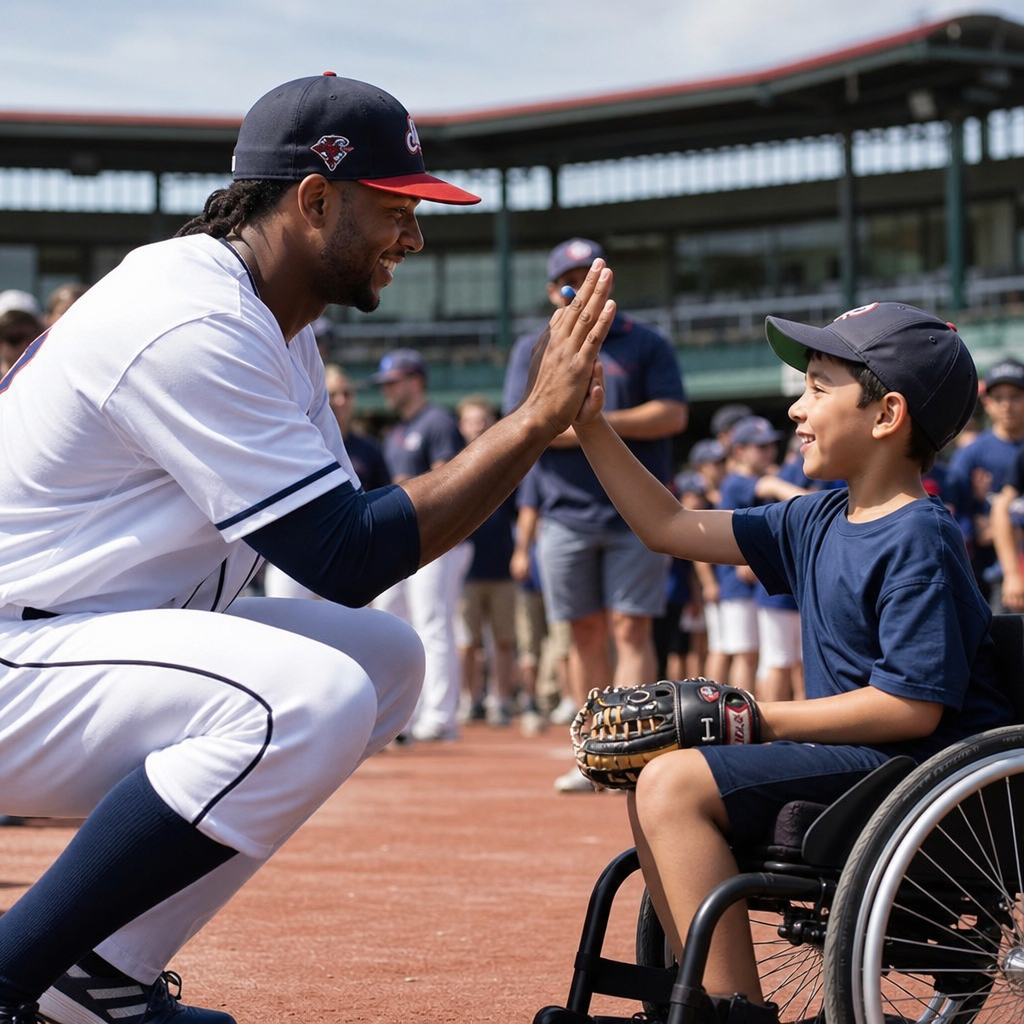
Minor league baseball is often described as affordable family entertainment, but that shorthand misses one of its most important functions: community outreach. Beyond wins, losses, promotions, and player development, clubs act as civic institutions that connect schools, charities, small businesses, public agencies, and neighborhoods through year-round programming. In practical terms, community outreach in minor league baseball includes youth clinics, school partnerships, reading incentives, food and toy drives, military appreciation events, fundraising nights, health campaigns, and the use of ballparks as public gathering spaces. This work matters because minor league teams operate at a local scale. Unlike major league organizations, they are embedded in midsize cities and small markets where staff members know sponsors by name, visit classrooms personally, and see direct results when they mobilize fans around a cause.
I have worked with sports content and local team initiatives long enough to see a consistent pattern: the clubs with the strongest community ties tend to build more durable attendance, stronger sponsor loyalty, and better public trust, even during losing seasons or affiliation changes. That is not accidental. Minor league baseball outreach creates reciprocal value. Teams gain relevance beyond game day, while residents gain access to programs, recognition, and support that might otherwise be scarce. For readers exploring the broader Minor Leagues and College Baseball landscape, this hub explains how outreach programs function, why they matter economically and socially, which models are most effective, and what topics connect to the wider miscellaneous side of the sport.
What community outreach means in minor league baseball
Community outreach is the organized effort by a club to serve and engage its local market outside standard ticket sales and in-game entertainment. The scope is wider than charity alone. A successful outreach strategy blends philanthropy, education, public relations, sponsorship activation, and civic participation. Teams may run anti-bullying school assemblies, invite nonprofits to concourse tables, host STEM days, partner with parks departments, or create ticket programs for underserved families. Most clubs are not large enough to separate these functions neatly, so community relations staff often work across sales, marketing, operations, and foundation activity.
The local nature of the minor leagues makes these programs unusually visible. When a team in a city such as Durham, Toledo, or Fort Wayne supports a backpack drive, residents often encounter the campaign at school, at work, and at the stadium in the same week. That repetition builds familiarity. It also gives sponsors a reason to invest. A bank, hospital system, grocery chain, or regional utility is more likely to fund a literacy initiative when the baseball club can provide trusted branding, event logistics, and media reach. In that sense, outreach is not a side project. It is part of the business model that helps a club justify its presence as a community asset.
Why outreach matters to teams, cities, and fans
For teams, outreach supports revenue and resilience. Ticket buyers who first meet a mascot at an elementary school often become first-time attendees. Sponsors increasingly want measurable local impact, not just signage on an outfield wall. Municipal leaders want publicly supported venues to deliver year-round value. Outreach answers all three needs. It broadens the top of the fan funnel, strengthens sponsor narratives, and helps teams demonstrate public benefit when lease terms, stadium upgrades, or infrastructure questions arise.
For cities, the benefits are practical. Ballparks can function as flexible civic spaces for blood drives, holiday distributions, job fairs, and nonprofit walks. In markets without abundant event venues, that matters. Teams also create moments of shared identity. A teacher honored on the field, a local veteran recognized between innings, or a youth team invited for a parade does more than fill a program slot. It signals that local achievements deserve celebration. That is especially valuable in communities competing for talent, tourism, and investment.
Fans benefit because outreach lowers barriers to participation. Minor league baseball already tends to offer lower ticket prices than major league games, but targeted programs make attendance even more accessible. Reading clubs reward students with tickets. charity nights direct proceeds to local causes. sensory-friendly events make the park more welcoming for neurodivergent guests. Food drives exchange donations for admission. These initiatives frame the ballpark not as an exclusive entertainment site but as a shared public environment.
Core outreach models used across the industry
Most clubs build community outreach around a handful of repeatable models. School and youth engagement is the foundation. Reading programs are especially common because they align naturally with measurable goals. Students complete books or reading minutes, teachers track progress, and the team provides vouchers, certificates, or on-field recognition. The educational value is clear, and the redemption pathway introduces families to the stadium. Many teams also run youth baseball and softball clinics, often featuring players, coaches, or front-office staff. These events teach fundamentals, but they also create personal access to the brand.
Cause-based promotions are another staple. Teams designate specific nights for cancer support, first responders, military families, animal rescue groups, or local hospitals. The strongest versions go beyond themed jerseys. They include fundraising mechanisms, sponsor matching, nonprofit visibility, and storytelling that connects individual beneficiaries to the fan experience. Holiday giving programs, school supply drives, and disaster relief collections also fit this category. In my experience, campaigns perform best when they make participation simple and concrete: bring three canned goods, buy a special ticket package, or nominate someone for recognition.
Health and inclusion initiatives have expanded in recent years. Clubs host vaccination clinics, mental health awareness nights, walk-up wellness events, and accessible game experiences. Some partner with health systems to provide screenings or educational materials. Others work with disability advocates to improve sensory accommodations, seating guidance, and staff training. These efforts are not identical in every market, but they reflect a larger shift: teams increasingly see the fan experience as a public-service opportunity, not merely an entertainment product.
| Outreach model | Typical partners | Primary goal | Common result |
|---|---|---|---|
| Reading programs | Schools, libraries, educators | Improve literacy participation | Student ticket redemption and family attendance |
| Youth clinics | Parks departments, coaches, leagues | Skill development and team affinity | Stronger youth engagement and merchandise sales |
| Cause nights | Nonprofits, hospitals, sponsors | Fundraising and awareness | New sponsor value and local media coverage |
| Food and supply drives | Food banks, schools, civic groups | Direct material support | Higher goodwill and off-peak attendance |
| Accessibility initiatives | Advocacy groups, health systems | Inclusive ballpark experience | Broader audience reach and stronger trust |
How teams organize successful programs
Effective outreach is structured, not improvised. The best clubs start with a calendar tied to the school year, civic holidays, nonprofit fundraising cycles, and the baseball schedule. They identify anchor programs that can recur annually, then layer in flexible events based on local needs. A reading initiative may run from January through March, school assemblies in April, military appreciation in May, youth camps in June and July, and holiday collections in November and December. Consistency matters because schools, sponsors, and agencies need lead time.
Measurement matters just as much. Teams should track not only attendance but also donations collected, ticket vouchers redeemed, sponsor impressions, nonprofit referrals, and repeat participation rates. Many clubs use CRM systems, ticketing data, and partner reports to estimate impact. If a literacy program distributes ten thousand vouchers but only fifteen percent are redeemed, the issue may be scheduling, transportation, or communication rather than a lack of interest. Good outreach departments review those details and adjust. I have seen simple changes, such as offering more redemption dates or Spanish-language materials, materially improve results.
Staffing is another operational reality. In minor league baseball, lean front offices are normal. One director may handle community relations, mascot appearances, group sales support, and foundation coordination simultaneously. That means successful outreach plans rely on templates, sponsor toolkits, volunteer pipelines, and clear internal workflows. Game operations staff need to know when honorees arrive. broadcasters need story notes. ticketing departments need offer codes. clubhouse personnel need clarity if players or coaches are participating. Outreach works best when every department understands that it serves both mission and revenue goals.
Real-world examples and lessons from the field
Across the industry, several organizations show how outreach can become part of a team identity. The Reading Fightin Phils have long leaned into educational and community programming tied to a deep local presence in Pennsylvania. The Durham Bulls have used brand strength and civic visibility to support regional causes while maintaining one of the most recognizable identities in the minors. The St. Paul Saints, before and after their affiliation change, built community credibility through creative programming that made the club feel inseparable from its market. While each example differs, the lesson is consistent: outreach is strongest when it reflects the character of the city rather than importing generic campaigns.
League and organizational structures also matter. Since Major League Baseball’s reorganization of the minor leagues in 2021, clubs have faced new operational expectations, facility standards, and business pressures. In that environment, outreach helps teams reinforce local indispensability. A club that is visibly useful to schools, charities, and local government is harder to dismiss as merely seasonal entertainment. Collegiate summer teams and independent clubs understand this as well. Many have no major league affiliation to market, so community integration becomes their primary differentiator.
There are limits, and credible teams acknowledge them. Outreach cannot substitute for a poor fan experience, weak communication, or inaccessible pricing. It can also become performative if programs are announced loudly but executed lightly. Fans notice when a cause night is mostly merchandise theater with little benefit to the nonprofit involved. The most respected clubs publish outcomes, thank partners specifically, and return to the same causes over time. Repetition, transparency, and local fit separate meaningful programs from empty branding.
How community outreach connects to the wider miscellaneous landscape
As a hub topic within Minor Leagues and College Baseball, community outreach links to several adjacent subjects that readers often explore next. One is ballpark experience. Family zones, accessible seating, local food partnerships, and special event design all influence whether outreach initiatives feel welcoming in practice. Another is team branding. Mascots, alternate identities, heritage nights, and city-connect style campaigns work best when they are connected to local institutions rather than treated as isolated promotions.
Readers interested in business operations should also connect outreach to sponsorship strategy, ticket packaging, and public funding debates. Community programs create inventory that is more meaningful than standard advertising. A hospital sponsor attached to a wellness series, or a bank sponsor attached to a school recognition program, receives story-driven exposure with clearer local relevance. That often improves renewal rates. Similarly, researchers looking at stadium economics should evaluate not only direct spending but also the civic utility of the venue and the social capital generated by team-led programming.
Another related area is player and staff development. Minor league athletes who appear at clinics, school visits, or hospital events learn communication skills and public responsibilities that matter later in professional sports. Front-office staff develop competencies in partnership management, event logistics, nonprofit relations, and public messaging. These are transferable professional skills, which is one reason community outreach deserves attention beyond feel-good summaries. It sits at the intersection of sport, business, education, and local governance.
Best practices for clubs building a stronger outreach strategy
The most effective approach starts with listening. Teams should meet school administrators, nonprofit leaders, disability advocates, public health officials, and youth coaches before designing a calendar. That avoids mismatches between what the club wants to promote and what the community actually needs. Next, build a focused portfolio. A small staff should not chase every cause. Three to five signature initiatives, supported well and measured properly, usually outperform a cluttered schedule of one-off appearances.
Clubs should also define success in operational terms. Set donation goals, voucher redemption targets, sponsor deliverables, and accessibility benchmarks. Use landing pages, scannable ticket offers, post-event surveys, and partner debriefs. Make the path to participation obvious. If fans need six clicks to donate or redeem a school reward, conversion will fall. Finally, communicate outcomes. A short recap stating how many books were read, meals funded, or students recognized turns goodwill into trust. In local sports, credibility compounds slowly and powerfully.
Community outreach in minor league baseball is valuable because it turns a team from a seasonal attraction into a reliable local institution. The strongest clubs do not treat outreach as decoration around the schedule. They treat it as core infrastructure that supports attendance, sponsorship, civic trust, and long-term relevance. Reading programs bring new families to the park. Cause nights raise money and awareness when they are built with real partners and clear mechanisms. Health initiatives, accessibility efforts, and public-service events expand who feels welcome in the stadium and why the venue matters to the city.
For anyone navigating the miscellaneous side of Minor Leagues and College Baseball, this subject is a central connector. It touches branding, ballpark operations, sponsorship, public policy, player development, and fan experience all at once. That is why community outreach deserves hub-level attention: it explains how teams create value beyond the box score. If you are evaluating clubs, planning coverage, or building partnerships, start by examining their outreach calendar, partner network, and measurable outcomes. Those details reveal which organizations truly belong to their communities.
Frequently Asked Questions
What does community outreach in minor league baseball actually include?
Community outreach in minor league baseball goes far beyond mascot visits or a few ceremonial appearances during the season. In most markets, clubs serve as active local partners that build year-round programs with schools, libraries, youth sports organizations, food banks, chambers of commerce, first responders, and nonprofit groups. That can include youth baseball and softball clinics, reading incentive programs tied to school performance, charity fundraisers, holiday donation drives, back-to-school supply collections, anti-bullying campaigns, health screenings, military appreciation events, and partnerships with public agencies focused on safety, wellness, or civic engagement.
What makes these efforts especially meaningful is their local focus. Minor league teams are deeply tied to the cities and regions they represent, so outreach is often designed around specific community needs rather than broad national branding campaigns. A club may work with educators to reward reading progress, collaborate with local farms or grocers on food collection efforts, host job fairs for regional employers, or offer stadium space for nonprofit awareness nights. In that sense, outreach is not a side project; it is part of how a club functions as a civic institution. The ballpark becomes a gathering place, and the team becomes a recognizable, trusted connector between different parts of the community.
Why is community outreach such an important part of the minor league baseball model?
Community outreach matters because minor league baseball depends on strong local relationships in a way that is different from most major professional sports properties. These teams are often rooted in smaller cities and regional markets where long-term success is tied not just to ticket sales, but to relevance in everyday community life. Fans may come for affordable family entertainment, but they stay connected when the club becomes visible in schools, neighborhoods, charity events, and local causes. Outreach helps transform a team from a seasonal attraction into a year-round presence that residents feel personally invested in.
It also creates practical value for the wider community. Schools gain motivational programs, nonprofits gain visibility and fundraising platforms, small businesses gain sponsorship and networking opportunities, and families gain accessible events that feel welcoming and inclusive. For clubs, these efforts build trust, strengthen loyalty, and reinforce the idea that the team represents more than a roster of players passing through town. Even as athletes are promoted, traded, or reassigned, outreach creates continuity. The logo, the staff, the mascot, and the community programs remain familiar, which helps maintain durable bonds between the franchise and the people it serves.
How do minor league teams work with schools and youth programs?
School and youth partnerships are some of the most visible and effective forms of minor league outreach. Teams frequently develop reading programs that reward students for reaching book or minute goals with game tickets, on-field recognition, or team-branded prizes. Others create attendance incentives, character education campaigns, STEM-based educational activities, or classroom visits from players, coaches, broadcasters, and mascots. These programs give schools a fun, recognizable way to encourage positive habits while connecting students to a local institution they can see in person.
Youth engagement also extends into sports participation and mentoring. Clubs often host baseball and softball clinics, coach-the-coach sessions, camps, and introductory events designed to make the game more approachable. In many communities, the team can help lower barriers to participation by offering free or reduced-cost instruction, equipment drives, or special event days for youth leagues. The best programs are not simply promotional; they are built to support development, confidence, teamwork, and belonging. For children and families, the impact can be significant because the team becomes associated with encouragement, access, and opportunity rather than just game-day entertainment.
In what ways do minor league teams support charities, food drives, and local nonprofit organizations?
Minor league clubs often provide charities and nonprofits with something many community organizations need most: visibility, access, and a platform that brings people together. Teams can spotlight causes through themed game nights, in-stadium announcements, fundraising auctions, ticket donation programs, jersey raffles, sponsor-backed campaigns, and social media promotion. They may partner with food banks on collection drives, work with shelters and service groups during holiday seasons, or host events that direct attention to health, housing, education, and family support needs. Because the ballpark naturally gathers large numbers of people in a positive setting, it can be an especially effective place to drive awareness and participation.
Food drives are a strong example of this role in action. A team can encourage fans to bring nonperishable items in exchange for discounted admission, coordinate with local media and sponsors to amplify turnout, and use its brand recognition to make giving feel simple and communal. Similar models apply to coat drives, school supply collections, and disaster relief efforts. Importantly, these partnerships often benefit from consistency. When a club supports the same organizations year after year, it helps create dependable pipelines for donations, volunteers, and public attention. That long-term reliability is one reason minor league baseball can play such a meaningful role in local charitable ecosystems.
How can fans and local businesses get involved in minor league baseball community outreach efforts?
Fans can get involved in straightforward but powerful ways: attending community-themed games, participating in donation drives, purchasing fundraiser ticket packages, volunteering at team-supported events, nominating local heroes or organizations for recognition, and following the club’s community calendar throughout the year. Many teams also invite families, teachers, coaches, and nonprofit leaders to engage directly through school nights, charity partnerships, youth sports days, and special community programs. For fans, the easiest entry point is often simply paying attention to what the team is already organizing and choosing to take part.
Local businesses have even more opportunities to contribute. A small business can sponsor a reading challenge, support a food drive, underwrite a youth clinic, donate products or services for auctions, or partner with the team on awareness campaigns tied to causes that matter in the region. These partnerships can be especially effective because they align commercial visibility with community benefit. Rather than traditional advertising alone, businesses gain goodwill by helping make programs possible. When done well, everyone benefits: the team expands its reach, nonprofits receive resources and exposure, businesses build stronger local reputations, and the community sees tangible results from collaboration. That shared investment is a major reason community outreach remains one of the most valuable and distinctive features of minor league baseball.