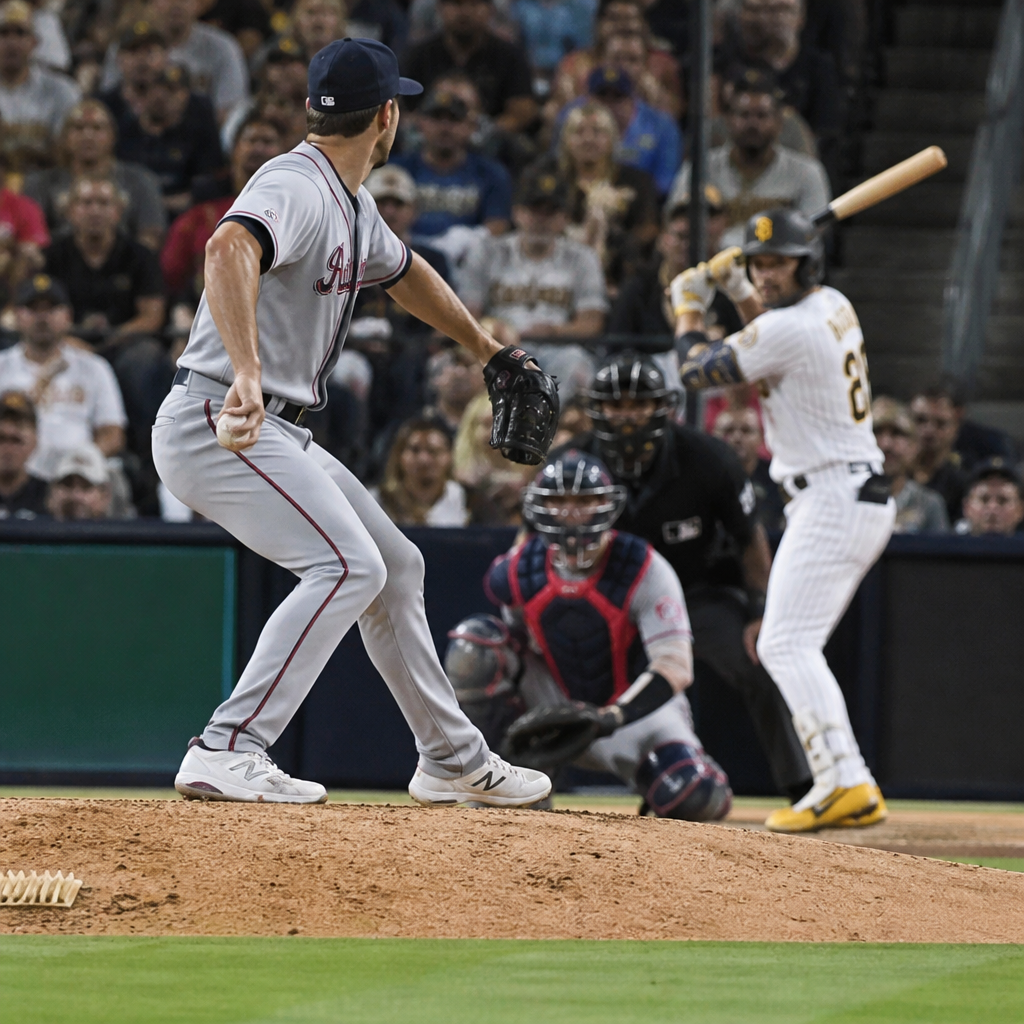
Baseball in the 2020s is defined by a deliberate effort to make the sport quicker, cleaner, and easier to follow without stripping away the strategy that made it America’s most layered game. The Modern Era, as fans now describe it, began not with a single superstar or dynasty, but with a package of rule changes, technology upgrades, and style shifts that reshaped how every inning feels. Pitch clocks, bigger bases, limits on defensive shifting, universal designated hitters, replay systems, and data-driven player development have all combined to produce a version of baseball that moves faster on the field and circulates faster online. For readers exploring Baseball Eras, this period matters because it is the clearest example of a major sport redesigning itself in real time while preserving its basic structure.
When people ask what changed in baseball during the 2020s, the short answer is pace and pressure. Games became shorter because pitchers and hitters had less dead time between pitches. Baserunning became more aggressive because larger bases slightly reduced distances and pickoff restrictions changed pitcher behavior. Balls in play increased in some situations because infielders could no longer stack one side of the field as dramatically. The league did not invent action from scratch; it removed friction that had gradually slowed the game. Having worked through rule change analysis and game review over the past several seasons, I have seen the difference most clearly in ordinary regular-season games. A Tuesday night matchup in April now contains more visible urgency than many postseason games did a decade earlier.
The key terms are straightforward. The pitch clock is a timer governing how quickly a pitcher must begin delivery, generally 15 seconds with bases empty and 20 with runners on in Major League Baseball. Bigger bases expanded first, second, and third from 15 inches square to 18 inches square. Shift restrictions require two infielders on each side of second base, with all four infielders on the dirt at the time of the pitch. These are not cosmetic adjustments. They change pitcher routines, catcher signaling, stolen-base attempts, left-handed hitting environments, and even injury risk around the bag. Understanding the Modern Era means understanding how these connected rules altered incentives across the entire sport.
This hub article covers that transformation comprehensively. It explains why Major League Baseball pursued change, how the new rules work, what happened statistically after implementation, how teams and players adapted, and why the 2020s deserve recognition as a distinct baseball era. It also serves as the foundation for deeper reading on related topics such as analytics, player development, roster construction, labor issues, postseason expansion, and the changing fan experience.
Why Baseball Changed in the 2020s
Baseball entered the decade facing a persistent tension: teams were smarter than ever, but the viewing experience was often slower and more static. Front offices had optimized around run prevention and power, which increased strikeouts, walks, and home runs while reducing action on the bases and in the field. Average game times climbed past three hours. Relief specialization created frequent pitching changes. Hitters stepped out repeatedly. Pitchers reset endlessly. None of these tactics were irrational; they were efficient responses to incentives. But the combined effect made many games feel interrupted rather than flowing.
League leadership had tested solutions in the minors before bringing them to MLB. That process mattered. The pitch timer was not a theory pulled from a conference room. It was observed in player-development environments where clubs could measure pace, adaptation, and game length. The same is true of larger bases and disengagement limits. By the time these rules reached the majors in 2023, teams already understood the operational details. Coaches built new routines in spring training, broadcasters prepared audiences, and players adjusted pre-pitch habits. The sport changed quickly because much of the testing had already been done.
The broader context also matters. Baseball no longer competes only with other live sports. It competes with streaming platforms, social feeds, short-form video, and always-on digital entertainment. A sport with 162 games per team cannot rely only on tradition. It has to make everyday games compelling. That is why the Modern Era is not merely about speed for speed’s sake. It is about preserving baseball’s daily relevance by making each game easier to consume, easier to explain, and more dynamic to watch.
Pitch Clocks and the New Pace of Play
The pitch clock is the defining rule of the 2020s because it changes every plate appearance. In MLB, pitchers must begin their motion before the timer expires, hitters must be in the box and alert with enough time remaining, and violations trigger automatic balls or strikes. This sounds severe until you watch a week of games and realize how quickly it becomes normal. The clock does not rush athletic action; it removes idle time before athletic action. Once the ball is in play, baseball remains baseball.
The measurable effect was immediate. In 2023, average nine-inning game time dropped by roughly 24 minutes from the previous season, one of the sharpest single-year pace improvements in modern MLB history. That reduction changed the rhythm of attendance, broadcasting, and player workload. Stadium operations became more predictable. Television windows tightened. Fielders stayed more engaged. Fans, especially casual fans, no longer had to sit through repeated dead-air resets between pitches.
From direct observation, the most important change was not just shorter games but crisper decision-making. Veteran pitchers who once wandered behind the mound had to streamline sign sequences and reset routines. Catchers became traffic managers. Hitters who used extensive between-pitch rituals had to trim them. The best teams adapted by practicing tempo, not merely tolerating it. Organizations such as the Tampa Bay Rays, Los Angeles Dodgers, and Cleveland Guardians showed how preparation could turn a rule change into a competitive advantage.
Bigger Bases, Stolen Bases, and Pressure on Defenses
Bigger bases were introduced partly for safety and partly to encourage action. Expanding the base from 15 to 18 inches reduced the distance between first and second and between second and third by 4.5 inches. That may sound trivial, but at sprint speed, a fraction of a step changes close plays. Combined with limits on pitcher disengagements from the rubber, the larger target made stolen-base attempts more attractive and more successful.
The numbers backed that up quickly. In 2023, stolen-base attempts and success rates jumped significantly, with MLB clubs stealing more than 3,500 bases at roughly an 80 percent success rate, the highest efficiency environment in decades. Players such as Ronald Acuña Jr., Corbin Carroll, Elly De La Cruz, and Bobby Witt Jr. turned speed into a central entertainment and run-creation tool. Acuña’s 40-homer, 70-steal season symbolized the era: power still mattered, but athletic aggression mattered again too.
Defenses felt this pressure in several ways. Middle infielders had to rush tags on larger bags. Pitchers varied holds more carefully because they could disengage only a limited number of times per plate appearance. Catchers needed faster transfers and cleaner throwing mechanics. In my review of early 2023 games, the visual difference was obvious by mid-April: runners were leaning harder, pitchers were aware of the clock, and every single looked a little more dangerous than it had in prior seasons.
Shift Restrictions and More Balls in Play
For years, teams used positioning data to overload one side of the infield against predictable pull hitters, especially left-handed batters. The tactic was legal, rational, and often brutally effective. But it also turned hard-hit ground balls into routine outs and made some at-bats feel pre-solved. The 2020s response was to restrict infield alignment. Two infielders must be on each side of second base, and all four must start on the infield dirt.
The immediate effect was not a revolutionary batting-average explosion, but it did restore some visual fairness to the field. Hitters gained clearer lanes. Infielders had to emphasize range and first-step quickness rather than pure pre-pitch positioning. Clubs could still move outfielders creatively and shade infielders within the rule, so strategy did not disappear. It simply narrowed the most extreme alignments. Left-handed hitters, in particular, benefited from a less crowded right side.
The bigger implication is philosophical. Baseball in the 2020s did not reject analytics; it placed boundaries on one analytical outcome to protect competitive aesthetics. That distinction matters. Teams still use Statcast data, bat-tracking metrics, biomechanical analysis, and probabilistic game planning. The league did not push baseball backward. It decided that optimization should coexist with recognizable game flow and balanced field geometry.
How the Modern Era Looks on the Field
The easiest way to understand the Modern Era is to compare how the same sequence feels now versus a few years ago. A leadoff walk used to create a long pause cycle: multiple throws to first, a mound reset, a hitter stepping out, and another long wait. Now that same moment carries momentum. The runner threatens. The pitcher manages the clock. The hitter settles faster. The defense anticipates movement. Tension arrives sooner.
| Element | Pre-2020s Pattern | 2020s Modern Era Pattern | Why It Matters |
|---|---|---|---|
| Pace between pitches | Frequent delays and resets | Timed, consistent rhythm | Keeps fielders and viewers engaged |
| Baserunning | Selective steal attempts | More attempts, higher success | Adds pressure and action |
| Infield positioning | Extreme shifts common | Alignment restricted | Creates more realistic hitting lanes |
| Game time | Often over three hours | Noticeably shorter average length | Improves accessibility |
| Viewer experience | Stop-start rhythm | Continuous competitive flow | Makes regular-season games easier to follow |
That flow is why younger fans often describe current baseball as more watchable even when scoring is not dramatically higher. Action is not only about runs. It is also about threatened action: steals, quick counts, bang-bang plays, and fielders being forced to react. The 2020s game generates more of those moments per hour.
Technology, Analytics, and Player Development
The Modern Era is not only a rules era; it is also a technology era. Statcast, Hawk-Eye tracking, high-speed cameras, force plates, bat sensors, and biomechanical labs are now built into how teams evaluate and train players. Pitch design is more advanced than at any earlier point in baseball history. Coaches can measure induced vertical break, horizontal movement, spin efficiency, release height, extension, chase rate, attack angle, and swing decisions with daily precision. That information shapes everything from roster spots to in-game adjustments.
What changed in the 2020s is the relationship between this information and entertainment. In the late 2010s, some data-driven tactics produced less action, including all-or-nothing hitting approaches and hyper-specialized pitching plans. In the 2020s, the league kept the data environment but modified the rules around it. As a result, organizations now chase efficiency within a more action-friendly framework. Development departments still build elite sweepers and riding fastballs, but they must do so under tempo constraints and against more active running games.
This blend of science and pace defines the era. A modern shortstop may review positioning tablets, reaction metrics, and swing tendencies before first pitch, then spend the night defending under shift restrictions and faster game speed. A modern pitcher may optimize seam orientation in the lab, then execute with only seconds on the clock. Baseball has rarely been more technical behind the scenes or more streamlined on the field.
The Business and Cultural Impact of a Faster Game
Rule changes in baseball are never only baseball decisions. They affect ticket buyers, media partners, youth participation, fantasy players, gamblers, and the global image of the sport. Shorter, livelier games are easier to package for local broadcasts and easier to attend on weeknights. Parents are more likely to keep children through the final inning. Social platforms benefit from clips that arrive in a denser stream of meaningful moments. International fans in different time zones can finish more games at a reasonable hour.
There are tradeoffs. Some traditionalists miss the looser pace that allowed dramatic pauses and cat-and-mouse routines. Some pitchers believe the timer can punish recovery after foul balls or complex defensive communication. Some hitters argue that automatic strike penalties can feel overly procedural in key moments. Those concerns are real, and any honest assessment should acknowledge them. But the league’s judgment has been clear: a cleaner pace improves the sport’s long-term health, and the early evidence supports that conclusion.
As the hub for the Baseball Eras Modern Era topic, this article points to the core idea that defines the 2020s: baseball chose targeted reform over nostalgia. It kept the diamond, the duel, the daily schedule, and the statistical depth. Then it accelerated the experience. If you want to understand modern baseball, start with the pitch clock, bigger bases, and shift limits, then follow the ripple effects into analytics, roster building, and fan culture. Those changes explain why today’s game feels familiar at a glance yet meaningfully different inning by inning. Explore the rest of this Modern Era subtopic with that framework in mind, and the decade’s logic becomes easy to see.
Frequently Asked Questions
What is the biggest reason baseball feels faster in the 2020s?
The biggest reason is the introduction of the pitch clock, which fundamentally changed the pace between pitches. For decades, one of the most common complaints about baseball was not the action itself, but the dead time around it: pitchers stepping off repeatedly, hitters resetting after nearly every pitch, and long pauses that slowed the rhythm of innings. The pitch clock directly targets those lulls by requiring pitchers to begin their delivery within a set amount of time and hitters to be ready in the box promptly. The result is a cleaner, more continuous viewing experience that keeps the game moving without altering the core contest between pitcher and batter.
That faster feel is also supported by several other changes working together. Bigger bases slightly reduce downtime around stolen base attempts and close plays while improving player safety. Limits on defensive shifting create more traditional ball-in-play outcomes, which means action is less likely to die in a perfectly positioned glove. Replay systems and other technology upgrades have also made the game more standardized and easier to follow, even when they add a brief pause for review. Taken together, these updates have not changed baseball into a different sport; they have tightened its pacing so that the strategy remains intact while the product on the field feels more energetic and accessible.
How has the pitch clock changed strategy for pitchers and hitters?
The pitch clock has added a new layer of pressure and discipline for both sides. For pitchers, it demands efficiency. They can no longer wander around the mound for extended stretches, overthink every sequence, or rely on prolonged pauses to disrupt a hitter’s timing. That means pitchers must get signs more quickly, commit to their pitch selection faster, and control the running game without endless disengagements. In practical terms, tempo has become part of pitching skill. A pitcher now has to manage mechanics, command, stamina, and situational awareness while also staying within the clock.
Hitters have had to adjust just as much. They cannot routinely step out after every pitch, compose themselves at length, and reset the at-bat on their own timetable. Instead, they must process the previous pitch, anticipate the next one, and get set quickly. That can favor more prepared, decisive hitters and expose players who previously relied on long routines. The chess match has not disappeared at all; if anything, it has become sharper. With less idle time, the strategic battle feels more immediate, and players who can think quickly and execute under time pressure often gain an edge. The pitch clock did not remove complexity from baseball. It condensed that complexity into a faster-moving contest.
Why were bigger bases introduced, and have they really made a difference?
Bigger bases were introduced primarily for two reasons: player safety and action on the basepaths. By increasing the size of the bases, Major League Baseball created slightly more room for runners and fielders during force plays, pickoff attempts, and stolen base situations. That extra space may sound minor, but in a sport decided by fractions of a second and inches of separation, even a modest adjustment can reduce awkward collisions and improve footing around the bag. The goal was not cosmetic. It was a practical attempt to make close plays safer without changing the essential nature of running the bases.
They have also influenced gameplay in meaningful ways. Because the distance between bases is effectively reduced by a small margin, stealing becomes a bit more attractive and bang-bang plays become even tighter. Combined with limits on pitcher disengagements and a more tempo-driven environment, bigger bases have helped encourage a livelier running game. That matters because aggressive baserunning adds tension and variety to every inning. Fans see more stolen base attempts, more pressure on infield defenders, and more moments where speed changes the shape of an at-bat or an entire game. It is a subtle rule change, but one that contributes to the broader 2020s push toward a more active, dynamic version of baseball.
Did rules like shift limits and the universal designated hitter make baseball less strategic?
No, they changed where strategy shows up rather than eliminating it. Limits on defensive shifting were designed to restore more traditional defensive alignments and reduce the extreme positioning that had turned many hard-hit balls into routine outs. Critics of the old shifting era argued that it discouraged offense, narrowed the range of outcomes on balls in play, and made the sport less visually intuitive for casual fans. By requiring a more conventional infield setup, the league increased the chances for singles, rewarded quality contact more often, and reopened space on the field that had been swallowed by data-driven positioning.
The universal designated hitter had a similar effect on the game’s structure. National League teams no longer have to navigate the old pitcher-at-bat dilemma, where strategy often revolved around bunt situations, double-switches, and removing pitchers earlier for offensive reasons. Some fans miss those wrinkles, but the universal DH also creates a more consistent offensive environment across both leagues and allows lineups to stay deeper for longer. Strategy still matters immensely; it simply shifts toward bullpen management, matchup planning, roster construction, defensive versatility, baserunning decisions, and sequencing. Baseball in the 2020s is not less intelligent or layered. It is just strategic in ways that are more directly connected to action on the field rather than pauses around it.
Is this faster version of baseball better for fans, or does it lose something from the old game?
For most fans, the faster version of baseball has been a net positive because it preserves the sport’s fundamentals while removing much of the drag that built up over time. The essential elements are still there: the duel between pitcher and hitter, the importance of defense, the long-term tension of a 162-game season, and the tactical depth that rewards smart teams. What has changed is the rhythm. Games move with more purpose, innings feel less bogged down by empty seconds, and action arrives more regularly. That makes baseball easier for new fans to appreciate and often more enjoyable for longtime followers who wanted a sharper, cleaner product.
That said, some traditionalists do feel that a certain amount of old-style pacing and ritual has been reduced. Baseball has always been a reflective sport as much as an explosive one, and some of its identity was tied to unhurried moments, deliberate routines, and long strategic pauses. But the 2020s reforms were not designed to erase baseball’s character. They were designed to modernize its presentation and improve flow in an entertainment landscape where attention is harder to hold. In that sense, the modern game is best understood not as a rejection of baseball history, but as an attempt to protect what makes the sport compelling by making it cleaner, crisper, and more watchable for the next generation.