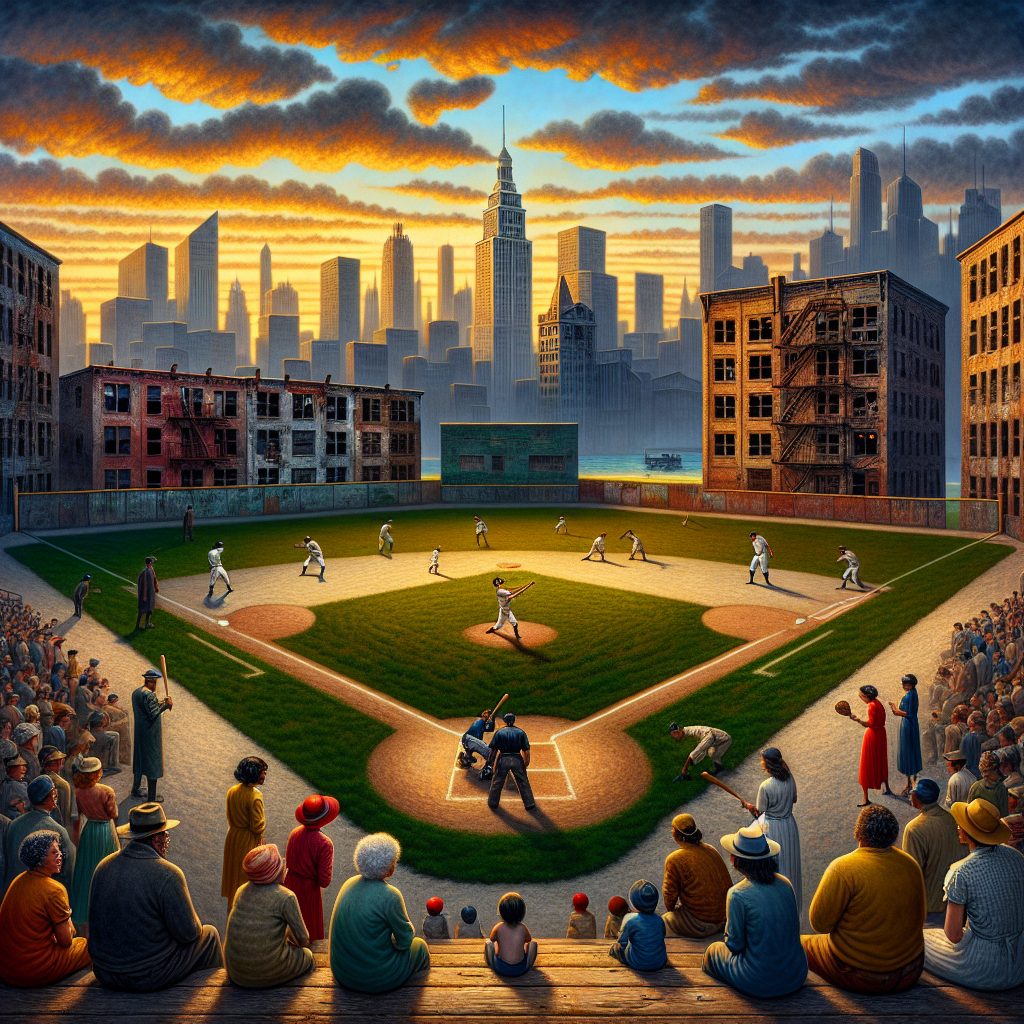
The Great Depression, which dramatically unfolded in 1929 and stretched over the next decade, was an unparalleled economic calamity that redefined the American psyche and society as a whole. During this time of widespread unemployment and financial despair, baseball emerged as not just a game, but a beacon of hope and a symbol of resilience for millions of Americans. Despite the daunting economic challenges and societal changes, baseball stood steadfast as a cherished national pastime, reflecting both the struggles and tenacity of the American spirit. This was a period when America needed heroes, and baseball delivered them in spades. The sport provided solace, entertainment, and a much-needed distraction from the grim realities of life. With dwindling incomes, many Americans could still afford a ticket to a baseball game, offering a few hours of escape from their troubles. As stadiums filled with fans eager for a respite, baseball played an instrumental role in uplifting the nation’s morale.
The Economic Impact on Baseball
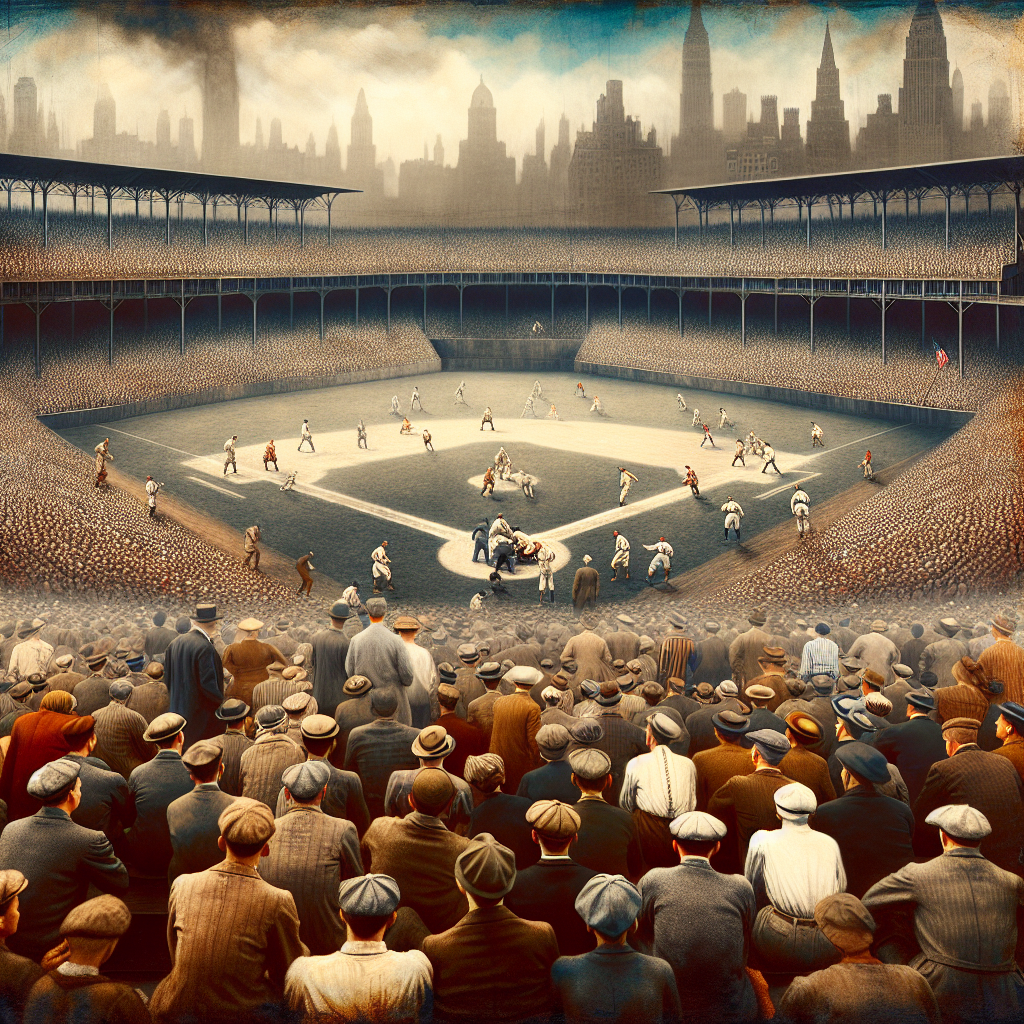
Despite the widespread economic distress of the Great Depression, the baseball industry faced its own financial challenges, yet it managed to persevere and offer affordable entertainment to the masses. Many teams faced dwindling revenues as ticket sales dropped due mainly to the scarcity of disposable income among fans. The early 1930s saw several Major League Baseball (MLB) teams struggling with decreased attendance, prompting team owners to innovate and make strategic adjustments. They lowered ticket prices significantly, introduced promotional games, and even resorted to night games for the first time, under the new technology of electric lighting, to draw larger crowds. With players’ salaries also taking a hit, some stars retired, while others negotiated pay cuts or looked for other forms of income, revealing the sport’s vulnerability during tough times. However, baseball’s inherent ability to transcend its economic constraints emphasized its role in alleviating the national anxiety. The loyalty of the fans, coupled with strategic shifts by management, ensured that the sport not only survived but thrived, adapting to societal needs without compromising its essence.
Cultural Significance and Community Bonding
Baseball during the Great Depression wasn’t merely about financial survival—it fundamentally intertwined with American culture, creating a sense of community and belonging. The game provided a shared experience for Americans of all walks of life, at a time when economic dislocation exacerbated feelings of isolation and despair. Across cities and small towns, games brought people together. Minor league teams played as vigorously as their major league counterparts, offering local entertainment that didn’t require extensive travel or expense. These games strengthened hometown pride and created local heroes. The ballpark served as a vibrant community hub where folks could momentarily set aside their worries. Furthermore, radio broadcasts of baseball games surged in popularity during this period, bringing the magical scenes of the diamond to those unable to attend games physically. This auditory experience was crucial for maintaining connection and continuity in a time of physical and emotional disconnection.
Legends Born Out of Adversity
The Great Depression era birthed some of baseball’s most iconic figures, whose exceptional talents and narratives resonated deeply with fans seeking inspiration. The likes of Babe Ruth and Lou Gehrig became monumental sports heroes not solely due to their prowess but for their indomitable spirits that mirrored the resilience of the American people. Lou Gehrig, known as “The Iron Horse,” not only showcased incredible consistency but also personified the hard-working American ethos. His “luckiest man on the face of the earth” speech is a testament to humility and gratitude in adversity, serving as an enduring example of grace under pressure. As for the larger than life Babe Ruth, his exploits on the field provided thrilling diversion, and off the field, his philanthropic efforts and larger-than-life personality exemplified generosity and courage, giving fans a symbol of hope and defiance against the odds. Jackie Robinson’s entrance into the MLB marked a turning point for inclusion and equality in sports and society, even as it came years later; it was the ethos built during the Depression that helped pave the way for such milestone achievements.
The Role of Baseball in Social Change
Baseball’s influence extended beyond the diamond, impacting significant social changes during and post the Depression era. As the nation grappled with economic recovery, it also began facing pressing social issues such as segregation and inequality. Baseball acted as a microcosm of American society, slowly mirroring and sometimes even leading social progress. The Negro Leagues became a vibrant subculture within baseball during this period. Teams like the Kansas City Monarchs and the Pittsburgh Crawfords displayed immense talent and introduced unique styles and strategies to the game, showcasing the African American spirit and skill. These leagues fostered communities and offered significant cultural contributions, laying groundwork for the eventual integration of players into the major leagues. Additionally, baseball served to blur societal lines during the Depression. Fans from diverse backgrounds shared the experience of rooting for their teams, reducing barriers through mutual admiration for on-field excellence. Baseball thus fostered a sense of unity, an essential prerequisite for societal progress.
Modern Lessons from Baseball’s Depression Era
The perseverance of baseball during the Great Depression offers enduring lessons for contemporary times, particularly as society faces its own unique challenges and crises. The period showed how determination, adaptability, and community underlie both success and survival, traits as crucial now as they were back then. As modern society grapples with challenges such as economic uncertainty or global crises like pandemics, baseball’s resilience during the Depression era serves as a powerful reminder of the potential to overcome adversity. Today’s leagues can draw inspiration from past innovations, like promoting accessibility and fostering community engagement, to ensure the sport remains relevant and nourishing to the soul. Moreover, the emphasis on collective experiences and the sense of belonging provided by baseball can inspire current practices in nurturing community and solidarity, lessons that extend beyond the ballpark into the broader social fabric.
Conclusion
The Great Depression was a time of unprecedented hardship and change for America, fraught with economic despair and societal transformation. Yet amidst this bleak landscape, baseball offered both tangible relief and intangible inspiration to millions, embodying the unyielding resilience of the American spirit. By adapting financially, providing cultural solace, creating legends, and even prompting significant societal progress, baseball during the Great Depression played a pivotal role in both reflecting and shaping a nation’s identity. The sport underscored the idea that under pressure and hardship, communities could come together, bridging divides and fostering resilience. As we look back on that era, we see baseball as more than a game; it’s a testament to the enduring power of sport to uplift, unite, and inspire. This era in baseball history remains timeless in illustrating how against the odds, through courage, innovation, and community, resilience becomes not merely a necessity but an ethic that defines a people and a nation.