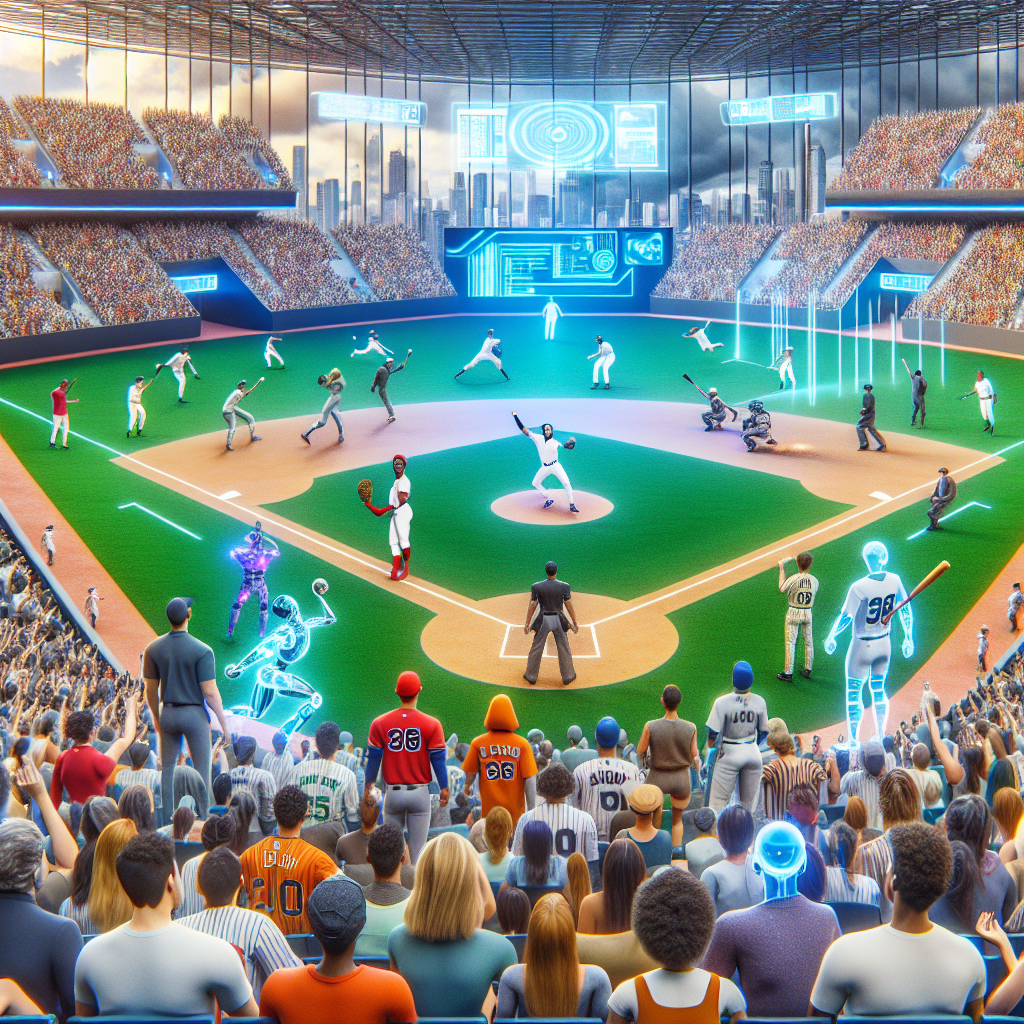
Baseball, often referred to as America’s pastime, has been intertwined with the cultural and social fabric of the United States for well over a century. Rooted in traditions and history, the game has not only been a source of entertainment but also a mirror of societal changes. From integrating players of different races to setting precedents in sports business models, baseball has reflected and influenced societal shifts. As we stand in the 21st century, the game faces challenges and opportunities like never before, prompting the question: what will be the future societal impact of baseball?
In recent years, baseball has experienced a variety of changes aimed at appealing to newer, younger audiences while also preserving its rich history. Technological advancements, shifts toward social justice, and changes in consumer behavior are reshaping the sport. While these transformations pose challenges, they also offer unprecedented opportunities for the game to evolve, expand its reach, and solidify its place in society for future generations.
This article seeks to delve into these elements and explore how baseball could continue to make a considerable societal impact in the coming years. By examining the influence of technology, player involvement in activism, globalization of the sport, and fan engagement strategies, we aim to predict how baseball will shape and be shaped by society in the future.
Technology and the Evolution of Baseball
Technology has always played a role in baseball, from the innovation of night games to the introduction of instant replay. However, the digital age has ushered in a new era of technological integration within the sport. Today, advancements in technology are fundamentally altering how baseball is played, watched, and experienced.
One of the most significant changes technology brings is the enhanced viewing experience. With high-definition broadcasts, virtual reality, and augmented reality, fans can experience the game more immersively than ever before. These technologies allow fans to feel closer to the action, potentially increasing engagement and attracting new viewers.
Moreover, technology is revolutionizing how teams operate. Data analytics now plays a critical role in player performance evaluation, training methods, and strategic decisions. The rise of sabermetrics has transformed how teams build rosters and manage games, emphasizing data-driven decision-making.
As we look to the future, continued technological integration will likely influence the sport’s societal impact by diversifying its audience and changing the nature of play. Embracing technology not only keeps existing fans engaged but also opens up the sport to younger tech-savvy generations who expect digital interaction as part of their entertainment experience.
Player Activism and Social Justice
Baseball players have long used their platforms to advocate for societal change, though the fervor and visibility of such efforts have amplified in recent years. In modern society, where social justice movements are gaining momentum globally, baseball players are increasingly taking stands on societal issues.
We have seen players kneel during the national anthem to protest racial injustice, become vocal advocates for mental health awareness, and engage with communities to address systemic inequalities. These actions underscore the role of athletes as powerful influencers and catalysts for societal change.
The future of baseball will likely see more players leveraging their prominence to champion social causes, using the sport as a platform to amplify voices calling for change. This shift aligns with broader societal trends where young people, including sports fans, value authenticity and social responsibility in their heroes and entertainers.
The increased visibility of activist athletes could further position baseball as a critical player in societal discourse, helping the sport to remain relevant and respected. Acting as agents of change, players have the potential to broaden the appeal of baseball beyond the game itself, attracting supporters who resonate with the causes they champion.

Globalization and Expansion of Baseball
Baseball has historically been an international sport, with its reach extending to countries like Japan, Korea, and various Latin American nations. In recent years, Major League Baseball (MLB) has accelerated efforts to globalize the sport, aiming to reach untapped markets and cultivate new fan bases.
International recruitment of talent has been central to this expansion. Players from diverse backgrounds enrich the game, offering a mix of playing styles and cultural perspectives that enhance its appeal. International games, such as those played in London or Tokyo, have further increased interest in baseball globally as fans overseas get a taste of live MLB action.
The globalization of baseball poses an exciting opportunity for societal impact. By bridging cultures and nations through the sport, baseball can foster international collaboration and understanding, promoting a sense of global community. Events like the World Baseball Classic already position baseball as a unifying force, bringing together athletes and fans from diverse backgrounds.
Looking forward, expanded global reach through TV rights, digital platforms, and direct fan engagement strategies will be crucial for spreading baseball’s influence and maintaining its relevancy as a dynamic cultural force worldwide. The initiation of new markets can lead to increased participation and support for the sport at all levels.
Fan Engagement and Community Building
Baseball has always been more than just a sport for its fans; it’s a community. From local little leagues to the major leagues, the connection between baseball and community is profound, offering a shared space for individuals to come together, celebrate, and rally.
In the future, fan engagement strategies are likely to become even more tailored and community-focused. MLB is increasingly exploring ways to make games more accessible, such as through affordable ticket pricing, enhanced game-day experiences, and interactive fan zones at stadiums.
The power of social media as a tool for engagement cannot be understated. Platforms like Twitter, Instagram, and TikTok allow teams and players to interact directly with fans, creating a sense of intimacy and immediacy that fosters loyalty. This connectivity helps build local fan bases while expanding reach to international audiences, facilitating a sense of belonging among distant fans.
Community initiatives and grassroots programs will continue to be essential for fostering future generations of baseball fans. By investing in youth programs, education, and local development, baseball can strengthen its anchor in communities, perpetuating a cycle of engagement and support that sustains the sport’s societal impact.
Economic Considerations and Revenue Generation
Economic considerations are a key aspect of the future societal impact of baseball. The sport has thrived as a major economic engine, not only on account of ticket sales and broadcasts but as a part of local economies that benefit from games, merchandise, and tourism.
The financial landscape of baseball is continuously evolving, particularly with the rise of digital media and streaming services. These platforms offer alternative ways to monetize content and reach broader audiences, crucial for maintaining the sport’s profitability and sustainability.
The COVID-19 pandemic underscored the importance of financial adaptability, as leagues and players had to navigate empty stadiums and reduced revenues. The response to this challenge highlighted the potential for innovative revenue streams, such as virtual fan experiences and digital collectibles, to supplement traditional income.
As baseball looks toward the future, the industry’s adaptability to economic shifts will play a vital role in preserving its societal impact. By exploring new markets and diversified income sources, baseball can ensure that it not only survives but thrives, continuing to contribute to economies and communities around the world.
Conclusion
As baseball continues to evolve, its ability to shape and be shaped by society remains as dynamic as ever. The interplay between tradition and innovation will guide its future, ensuring that the sport maintains its cultural relevance while adapting to the realities of a rapidly changing world.
From technological advancements enhancing fan experiences and gameplay, to the increase in player activism promoting social justice, baseball stands at the forefront of societal dialogues that matter. Its globalization offers pathways for cultural exchange and international camaraderie, while continued community engagement reinforces the sport’s role as a cornerstone of social interaction.
Ultimately, the future societal impact of baseball will be determined by its responsiveness to both the internal and external forces acting upon it. If the sport can successfully navigate these complexities, it will continue to captivate, inspire, and unite generations to come. By embracing change and nurturing its core values, baseball will likely remain not just a pastime, but an integral part of the cultural and social landscape.
The upcoming era of baseball promises to be one of transformation. It is the sport’s unique ability to balance nostalgia with progress that will ensure its continued relevance and impact on society as a whole, offering us much to anticipate in the years ahead.