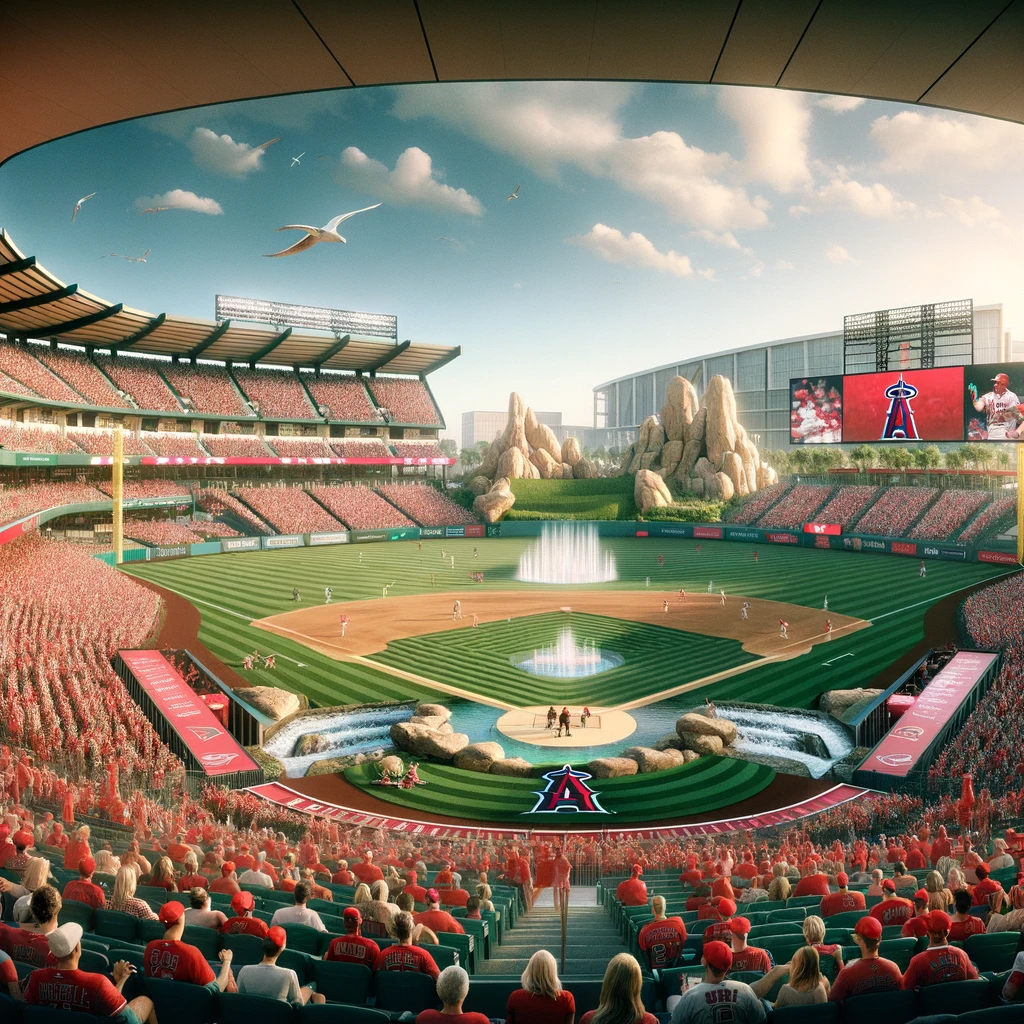
Nestled in the heart of Anaheim, California, Angel Stadium stands as a testament to the enduring love affair between a city and its baseball. Since its inception, this iconic ballpark has witnessed a myriad of changes, both in its structure and in the hearts of the fans who cherish it. This article delves into the rich history and evolution of Angel Stadium, exploring how it has grown from a modest sports venue to a celebrated baseball oasis.
The Early Years: A Dream Takes Flight
The story of Angel Stadium begins in the early 1960s, a period marked by a surge in America’s interest in baseball. Recognizing the need for a modern baseball facility, the city of Anaheim embarked on a bold project. In 1964, the stadium, originally named Anaheim Stadium, opened its gates to the public. It was a state-of-the-art facility for its time, boasting a seating capacity of over 40,000 and offering fans a fresh, exciting venue for watching their beloved sport.
A Home for the Angels
In 1966, the California Angels, a Major League Baseball team, made the stadium their home, marking a new chapter in the ballpark’s history. The stadium’s design, with its open-air structure and expansive outfield, provided a perfect backdrop for the drama of baseball. Fans flocked to the stadium, drawn by the allure of Major League games and the charisma of the Angels.
Transformations: Adapting to the Times
As the decades passed, Angel Stadium saw numerous transformations, reflecting the changing times and needs of its patrons. In 1979, a significant renovation expanded the stadium’s capacity to over 64,000, making room for more fans and bigger events. This expansion wasn’t just about adding seats; it was about enhancing the fan experience, with improved amenities and better sightlines.
The 1990s brought another wave of changes. In 1996, the stadium underwent a major renovation, dramatically altering its appearance and functionality. The outfield stands were replaced by a picturesque rock formation, creating a unique feature that became synonymous with Angel Stadium. These changes were not just cosmetic; they also improved the ambiance and comfort, making the stadium a more inviting place for families and fans of all ages.
A Cultural and Community Hub
Beyond baseball, Angel Stadium has evolved into a cultural and community hub. Hosting concerts, festivals, and other major events, it has become a beacon in Anaheim’s social and cultural landscape. The stadium’s ability to adapt and serve various purposes speaks volumes about its importance to the community.
Challenges and Triumphs
The journey of Angel Stadium has not been without its challenges. From financial hurdles to the logistical complexities of modernizing an older facility, the stadium has faced its share of obstacles. Yet, through each challenge, it has emerged stronger, bolstered by the unwavering support of the community and the Angels.
Modern Era: A Blend of Tradition and Innovation
Today, Angel Stadium stands as a blend of tradition and innovation. Its classic design elements pay homage to the history of baseball, while modern features cater to the contemporary fan. The stadium’s atmosphere during games is electric, a testament to the passion of the fans and the enduring appeal of baseball in Anaheim.
Environmental Commitment
In recent years, the focus has also shifted towards sustainability. Efforts to make Angel Stadium more environmentally friendly have been noteworthy, with initiatives aimed at reducing waste, conserving energy, and promoting sustainable practices. These efforts reflect a broader commitment to ensuring that the stadium remains a cherished part of Anaheim for generations to come.
The Future of Angel Stadium
Looking ahead, the future of Angel Stadium is bright. Plans for further renovations and community projects are in the works, aimed at enhancing the fan experience and ensuring the ballpark remains at the forefront of modern stadiums. As it continues to evolve, Angel Stadium will undoubtedly retain its status as a beloved icon of Anaheim’s sports and cultural identity.
Unique Features of Angel Stadium
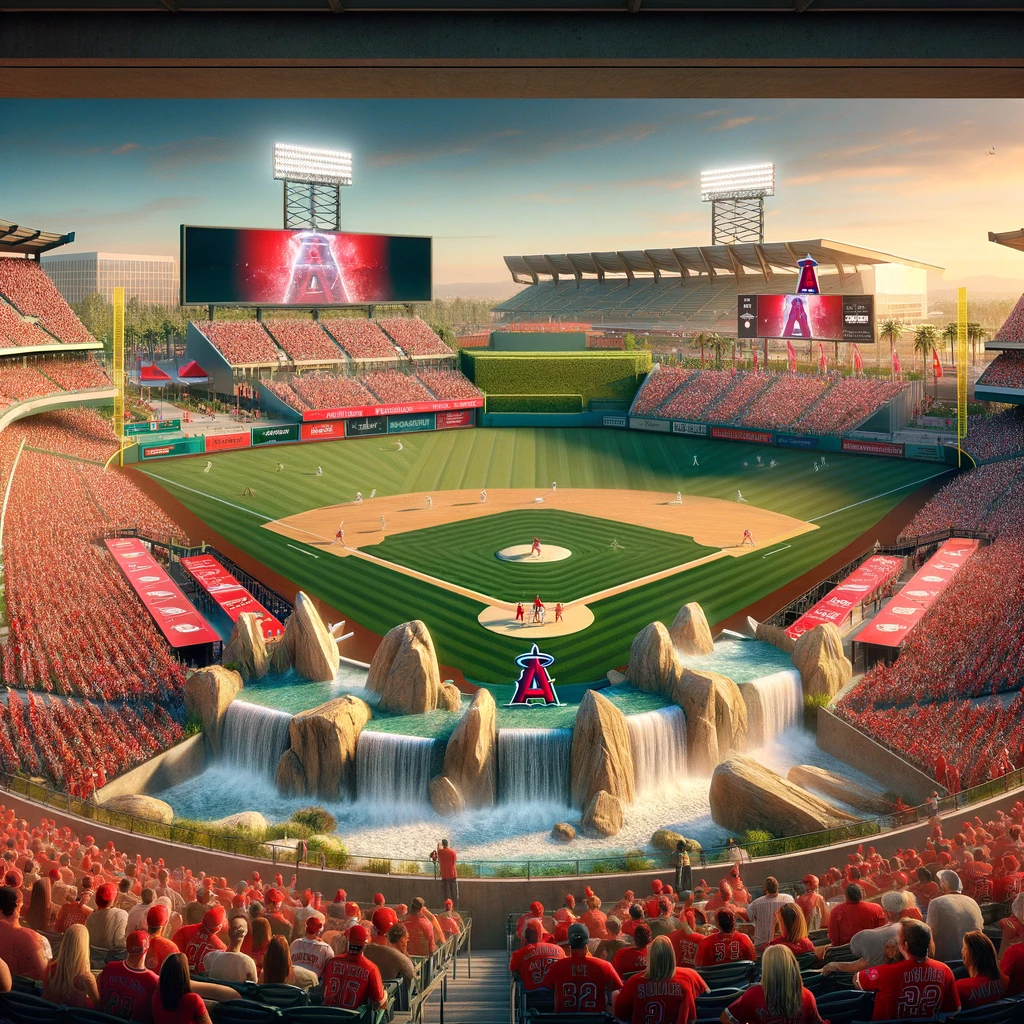
Angel Stadium is not just another ballpark; it’s a repository of unique features that set it apart. The most striking of these is the iconic “Big A” sign, standing tall near the main highway, serving as a beacon for fans near and far. Then there’s the aforementioned rock formation in the outfield, known as the “California Spectacular,” which erupts in a display of water and pyrotechnics whenever the Angels hit a home run or win a game, creating an electrifying atmosphere.
Inside, the stadium balances modern amenities with nostalgic elements. The seats offer excellent views, ensuring every fan feels close to the action. Additionally, the stadium’s concourses are lined with historical exhibits and memorabilia, connecting fans with the team’s rich history.
Memorable Moments in Angel Stadium History
Over the years, Angel Stadium has been the stage for countless memorable moments. One of the most significant came in 2002, when the Angels clinched their first World Series title. The stadium erupted in jubilation, a moment forever etched in the hearts of fans.
Other notable moments include hosting the All-Star Game in 1967 and 2010, showcasing the stadium’s allure on a national stage. Individual achievements by Angels players, such as no-hitters and milestone home runs, have also added to the lore of the stadium.
Community Connection
Angel Stadium’s impact extends beyond just hosting baseball games. It has become a community landmark, a place where memories are made, from little league outings to marriage proposals. The stadium has also been a generous community partner, hosting charity events and outreach programs, reinforcing the bond between the team and its fans.
For many in Anaheim and beyond, Angel Stadium is synonymous with family traditions. Generations of fans have passed through its gates, sharing the love of the game and creating lifelong memories. This deep connection goes beyond the sport, signifying the stadium’s role as a unifying force in the community.
Legacy and Future
As Angel Stadium continues to evolve, it carries with it a legacy of memorable games, iconic moments, and a deep community connection. Its future is as bright as the California sun, with plans to further modernize and integrate the stadium into the fabric of Anaheim’s evolving landscape. Whatever changes come, one thing remains certain: Angel Stadium will continue to be Anaheim’s baseball oasis, cherished by fans and the community alike.
Conclusion
From its humble beginnings to its status as a premier baseball destination, Angel Stadium has stood the test of time. Its evolution mirrors the growth and spirit of Anaheim, a city that has embraced baseball and its team with open arms. As a place of joy, excitement, and community, Angel Stadium remains a beloved jewel in the crown of Major League Baseball, a symbol of the enduring appeal of America’s pastime.
Angel Stadium is more than just a ballpark; it’s a testament to the power of sports to bring people together, create lasting memories, and inspire generations. As the home of the Angels, it will continue to be a place where dreams are pursued, legends are born, and baseball lives on in the hearts of fans.