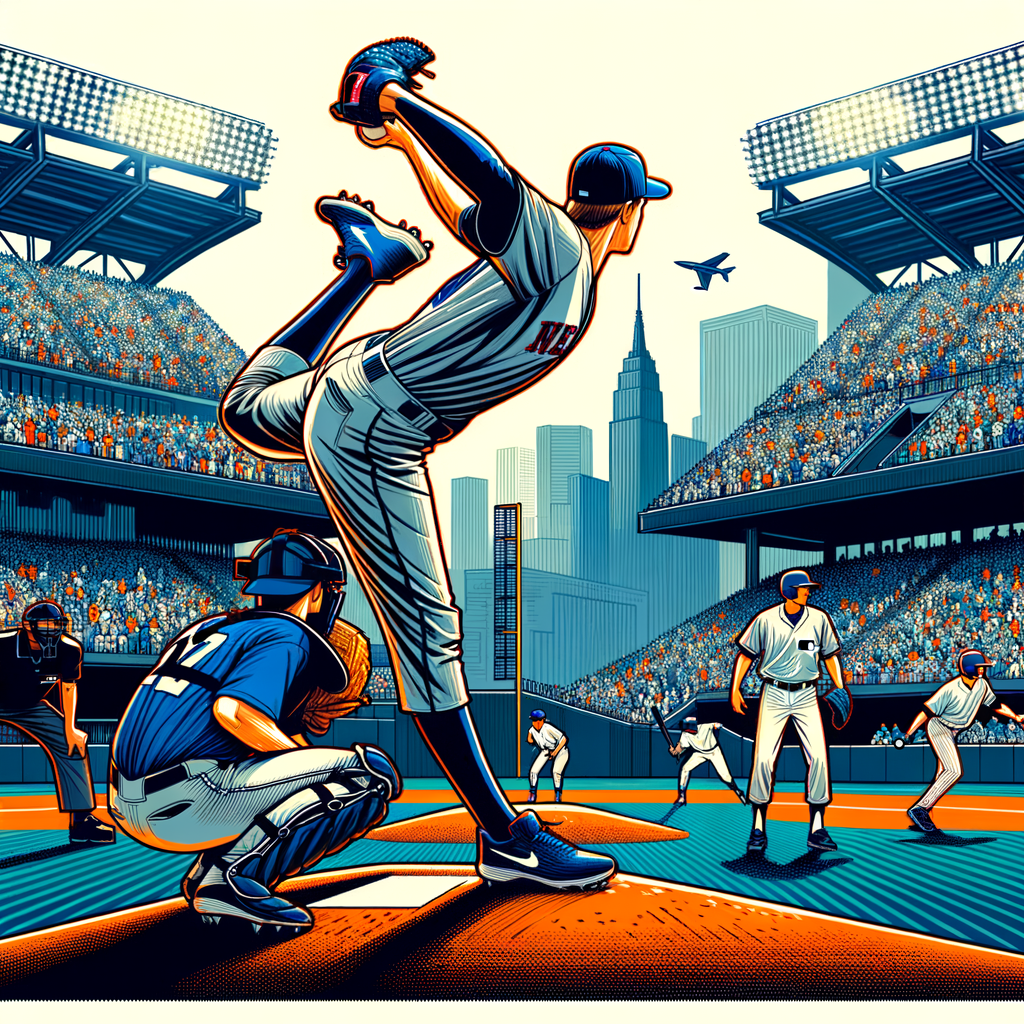
The dynamics of baseball encompass a blend of tradition, strategy, and regulation. One significant element that encapsulates this fusion is the mound visit rule. This rule, introduced to address the game’s pacing and strategic elements, has sparked extensive discussion among players, managers, and fans alike. It is crucial to comprehend how the mound visit rule has transformed the modern game, influencing both the strategic depth and pace. At its core, the rule serves to strike a balance between maintaining a swift moving game and allowing teams the ability to engage in on-field adjustments, crucial for optimizing performance.
In recent seasons, Major League Baseball (MLB) has witnessed growing concerns over game length, prompting rules that aim to enhance the viewer’s experience without compromising the sport’s intrinsic strategic complexity. The mound visit rule, specifically, limits the number of times players and coaches are allowed to visit the pitcher on the mound during a game. In theory, this seems straightforward, yet the implementation of such a rule affects numerous facets of gameplay, from pitcher-catcher dynamics to bullpen strategies. Understanding how this rule navigates the intricate balance between strategy-driven gameplay and fan engagement is essential for appreciating its impact on baseball.
This article delves into the nuances of the mound visit rule, its implications on the strategic fabric of the game, and its reception among the baseball community. We will explore the rule’s origins, its intended effects, and the resulting shifts in in-game tactics. Additionally, we will assess how these changes resonate within professional teams’ operational dynamics, influencing decisions from managerial approaches to player psychology.
Origins and Intentions of the Mound Visit Rule
The mound visit rule’s origins lie in MLB’s efforts to address one of the sport’s timeless dilemmas: striking a balance between maintaining a robust strategic depth and ensuring a pleasing pace for spectators. As the pace of play became a subject of increasing scrutiny, rule changes aimed at curbing game durations emerged. The mound visit rule, officially enforced from the 2018 season onwards, represents one such initiative. By setting a limit on the number of mound visits a team can make in a game to six—a noticeable reduction from prior unwritten norms—MLB aimed to expedite play without stripping the game of its tactical elements.
The intention was straightforward: reduce the unnecessary delays that often punctuate baseball games, notably the frequent visits to the mound, which were seen to drag the pace of the game. In doing so, MLB hoped to attract a broader spectrum of fans, particularly the younger demographic inclined to prefer faster, more dynamic sports. This rule therefore embodies an intersection between advancing modern entertainment standards and honoring the game’s rich, strategic traditions.
Strategic Dynamics Affected by the Rule
The strategic component of the mound visit rule cannot be overstated. Traditionally, mound visits serve several purposes: they provide opportunities for coaches to communicate strategic adjustments, allow pitchers to gather composure, and facilitate reliever management. By limiting these interactions, teams must now prioritize when and how to allocate their visits strategically. This shift necessitates a higher degree of precision in coaching decisions, as managers must consider the game’s context when deciding whether a mound visit is justified.
This limitation has transformed the communication between pitchers and catchers as well. With fewer opportunities for face-to-face discussions, these two players must now rely more heavily on pre-established signals and understand each other’s tendencies inherently. The pitcher-catcher relationship becomes crucial, demanding a depth of trust and intuitive gameplay that transcends verbal communication. This challenge is further augmented when considering the diverse backgrounds many players come from, making seamless communication a skill beyond mere strategic knowledge.
Moreover, bullpen management has encountered an overhaul. Managers must now juggle how and when relievers warm up and be creatively efficient about making changes. The pressure to ensure seamless switches between pitchers—without sacrificing game momentum—requires meticulous planning and real-time decision-making, ultimately altering the architecture of bullpen strategies. This pushes managers and coaches to cultivate depth and versatility within their pitching rosters, encouraging multidimensional skill development over specialization.
Reception and Consequences Within the Baseball Community
The reception of the mound visit rule has been varied across different sectors of the baseball community, including players, managers, and fans. From a managerial perspective, the rule has undeniably added another layer of complexity to the management of a game. For many seasoned managers, accustomed to deploying mound visits liberally to manage everything from pitcher endurance to strategic matchups against opposing batters, this presents a significant adjustment.
For players, particularly pitchers and catchers, the rule alters the rhythm and flow of their in-game routines. While some players have thrived under the new challenge, adapting to reduced micro-management, others find the restrictions difficult. Pitchers accustomed to regular reassurance and guideline tweaks from coaches must now internalize these adjustments, possibly altering their psychological preparation.
Among fans, opinions are divided. While some purists bemoan any alteration of baseball’s traditional elements, others welcome the effort to modernize the game, valuing a faster, more continuous physical display without frequent halts. This division reflects the broader cultural dichotomy in modern sports—between maintaining historical authenticity and accommodating evolving consumer expectations.
Adjusting to the Rule: New Norms and Innovations
The enforcement of the mound visit rule has driven various adaptations and innovative practices within teams. Coaches and managers have developed numerous non-verbal communication strategies to circumvent the limitations imposed by the rule. Pitchers and catchers increasingly rely on a comprehensive set of signs and often engage in extensive pregame preparation to ensure a seamless symbiosis during games. This preparation includes sophisticated technological aids such as digital pitch calling systems and advanced statistical analyses to anticipate in-game adjustments strategically.
Furthermore, the rule has catalyzed the push towards analytical advancements within the sport. Teams are now leveraging data analytics more than ever to inform decision-making processes that were traditionally reliant on instinct and experience. Technology plays a critical role, equipping players with the necessary inputs to predict opposing batters’ tendencies and outcomes for different pitch types in real time, reducing the reliance on in-the-moment verbal instructions.
The shift also extends to mental conditioning and sports psychology. Given the increased pressure on pitchers to perform independently, there is a growing emphasis on mental resilience training. This enhancement in psychological support is essential to help players maintain focus, manage stress, and adapt swiftly during demanding in-game scenarios.
Future Implications and Prospects
Looking ahead, the mound visit rule stands as a critical juncture in baseball’s evolution, addressing both strategic gameplay and the viewer’s entertainment. While changes in regulations tend to evoke resistance and skepticism initially, they often pave the way for broader transformations in the sport’s landscape. The mound visit rule, if embraced and optimized, could set a precedent for successfully harmonizing strategic depth with expedited pace, accommodating an expanding global audience.
Furthermore, as the sport continues to integrate digital tools and innovations, the mound visit rule could potentially inspire future regulations oriented towards modern entertainment standards. The integration of technology and analytics will likely continue to transcend traditional gameplay, fostering a richer strategic environment managed with increased efficiency and precision.
The role of the mound visit rule as a catalyst for innovation within baseball underscores its significance beyond immediate game implications. Continued adaptations may bring about a new era of baseball, where strategic decisions are not just reactions to game dynamics but carefully deliberated choices augmented by the interplay of human intuition and technological insights.
Conclusion
The mound visit rule in baseball represents more than a mere regulation. It exemplifies the ongoing tension and resolution between tradition and innovation within sports. By restricting the frequency of on-field visits to the mound, MLB aims to enhance the pace of game play while respecting the strategic richness that defines baseball. This rule has fundamentally altered how managers and players conceptualize and execute strategy, demanding innovation and adaptation across various facets of play.
As baseball continues to evolve, the mound visit rule will undoubtedly remain a topic of discussion and analysis. By offering a nuanced reimagination of how the game is conducted, this rule aligns with broader initiatives to modernize baseball and ensure its relevancy in a fast-evolving sports entertainment landscape. The success of such adaptations will likely influence future policymaking and regulatory frameworks within the league, encapsulating the perpetual balance between honoring tradition and embracing the future.
Overall, the mound visit rule serves as a metaphor for the larger shifts occurring within baseball, acting as a beacon for change that illuminates the potential for sports to evolve while staying true to their core. Its implementation and impact offer valuable insights into the adaptable and resilient nature of baseball, providing assurance that strategic richness and innovation can coexist within the same playing field.
Frequently Asked Questions
1. What is the mound visit rule, and why was it introduced?
The mound visit rule is a regulation in baseball that limits the number of mound visits a team can have during a game. This rule was primarily introduced to improve the pace of the game, which, in turn, makes it more engaging for fans who often found games too lengthy due to repeated pauses for mound consultations. A mound visit involves a coach, catcher, or other players approaching the pitcher at the mound to discuss strategy, provide encouragement, or resolve misunderstandings. While these visits are crucial for in-game strategy and maintaining pitcher performance, they can drastically slow down the game. By capping the number of these visits, the rule helps streamline game flow, aiming to strike a balance between necessary strategic planning and keeping the game brisk and entertaining.
2. How has the mound visit rule affected game strategy?
The introduction of the mound visit rule has significantly altered how teams approach game strategy. With a set number of visits available, managers and players must be more judicious in their use, carefully choosing when and why a visit is necessary. This limited resource requires teams to plan more meticulously in advance, integrating communication between pitchers and catcher more directly into their pre-game preparations. Managers must prioritize visits for high-leverage situations, such as when a pitcher is struggling or when crucial game stages demand a strategy realignment. Consequently, the rule has encouraged teams to develop better non-verbal communication systems and rely more on technology or other methods to relay information efficiently. The rule’s strategic implications have rippled through to affect not only game management but also player development and the coaching process.
3. Are there any exceptions to the mound visit rule?
Yes, there are certain exceptions to the mound visit rule designed to ensure player safety and maintain fairness. For instance, if a pitcher and catcher have a palpable miscommunication that results in potential confusion over signals, they may consult without it counting towards the team’s visit quota. The rule also makes allowances for potential injuries or emergencies that require immediate attention, wherein team staff can visit the mound without penalty. These exceptions are crucial as they maintain the integrity of the game while ensuring players’ wellbeing is not compromised. As with any rule, these exceptions are carefully regulated to prevent abuse and to ensure that the fundamental purpose of the rule—to enhance game pace and strategic planning—is upheld.
4. What are the consequences of exceeding the allowed number of mound visits?
If a team exceeds the allowed number of mound visits, typically six per nine-inning game, there are strict repercussions. Primarily, attempts to make an excess visit can result in warnings or penalties, as delineated by league guidelines. If the infraction is willful or if a team repeatedly violates this rule, disciplinary actions may escalate to include the ejection of the involved parties or additional fines. These penalties are in place to discourage misuse and to underline the importance of adhering to the rule. The enforcement of these consequences is designed to ensure fairness across the competition while simultaneously preserving the intended pace and flow of the game which the rule aims to protect.
5. How has fan reception been towards the mound visit rule?
Fan reception to the mound visit rule has generally been positive, particularly among those who value a quicker, more dynamic sporting experience. Many fans appreciate the intention behind the rule, which aims to make games more fast-paced and exciting by reducing unnecessary stoppages. However, as with any change, there are some traditionalists who view the rule as an unnecessary hindrance to baseball’s strategic depth and cherish the unhurried, contemplative nature of the game. These fans worry that limitations on mound visits may restrict the deep strategic consultations that can be integral to exciting game moments. Nonetheless, since its implementation, the rule seems to have struck a beneficial balance between engaging pacing and strategic complexity, earning a relatively warm reception from a broad fanbase. As more observers and fans acclimate to the rule’s role in modern baseball, its integration into the fabric of the game continues to exemplify the sport’s ability to adapt and evolve while maintaining its storied traditions.