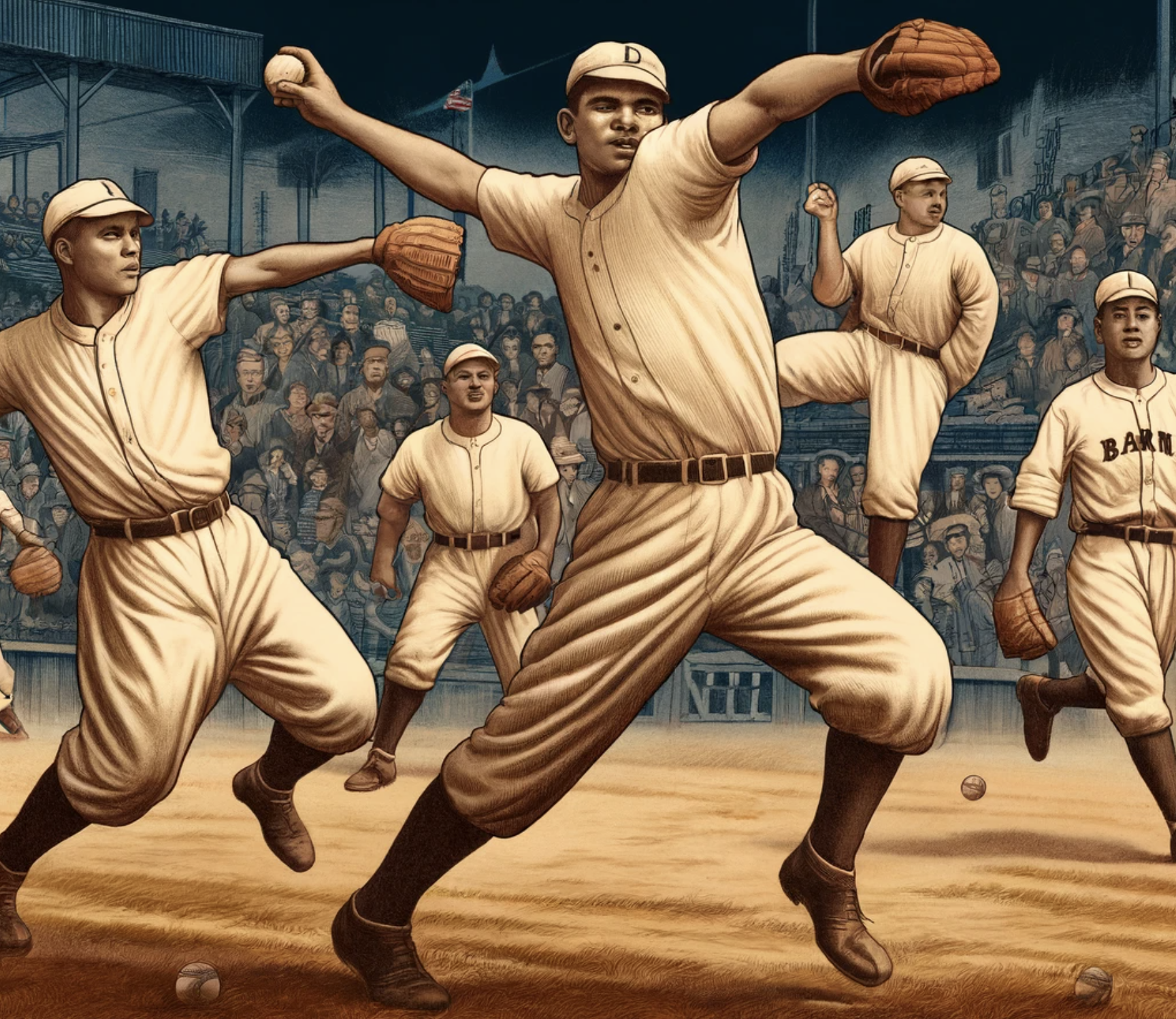
The history of baseball is rich and multifaceted, woven from the stories and achievements of players from diverse backgrounds. Among these, the participation of Cuban baseball stars in the Negro Leagues stands out as a significant, yet often overlooked chapter. This article delves into this forgotten history, shedding light on the Cuban players’ remarkable contributions, the challenges they faced, and the lasting impact they had on the game.
The Early Influence of Cuban Baseball
The connection between Cuban baseball and the Negro Leagues dates back to the late 19th and early 20th centuries. Baseball had become Cuba’s most popular sport by the late 1800s, not long after its introduction to the island, and it wasn’t long before Cuban players started making their mark internationally.
The Pioneers
Among the early pioneers was Esteban Bellán, who played in the United States in the 1860s and 1870s, making him one of the first Latin Americans to play professional baseball. However, as segregation took hold in the U.S., opportunities for black and Afro-Cuban players became limited, leading to the establishment of the Negro Leagues in the 1920s. This parallel league system became a platform for Cuban talent, unrestrained by the racial barriers that existed in Major League Baseball (MLB).
Cuban Stars in the Negro Leagues
The introduction of Cuban players into the Negro Leagues was not just a matter of adding talent to the teams; it represented a merging of cultural and tactical understanding of baseball that enriched the game.
Integration and Impact
Cuban players brought a different style of play to the Negro Leagues, characterized by agility, intellect, and a unique flair that captivated audiences. Their integration into teams such as the Cuban Stars, the New York Cubans, and others was pivotal, offering a glimpse of international competition and camaraderie.
Key Figures
Martín Dihigo
Widely regarded as one of the greatest all-around players in the history of baseball, Dihigo’s versatility allowed him to excel at every position, earning him the nickname “El Maestro.” His career spanned several countries, including stints in the Negro Leagues where his performance left an indelible mark.
Cristóbal Torriente
A powerful hitter and excellent fielder, Torriente was another Cuban legend who made his way into the Negro Leagues, dazzling fans with his prowess. His contributions were significant in earning the Chicago American Giants multiple championships.
José Méndez
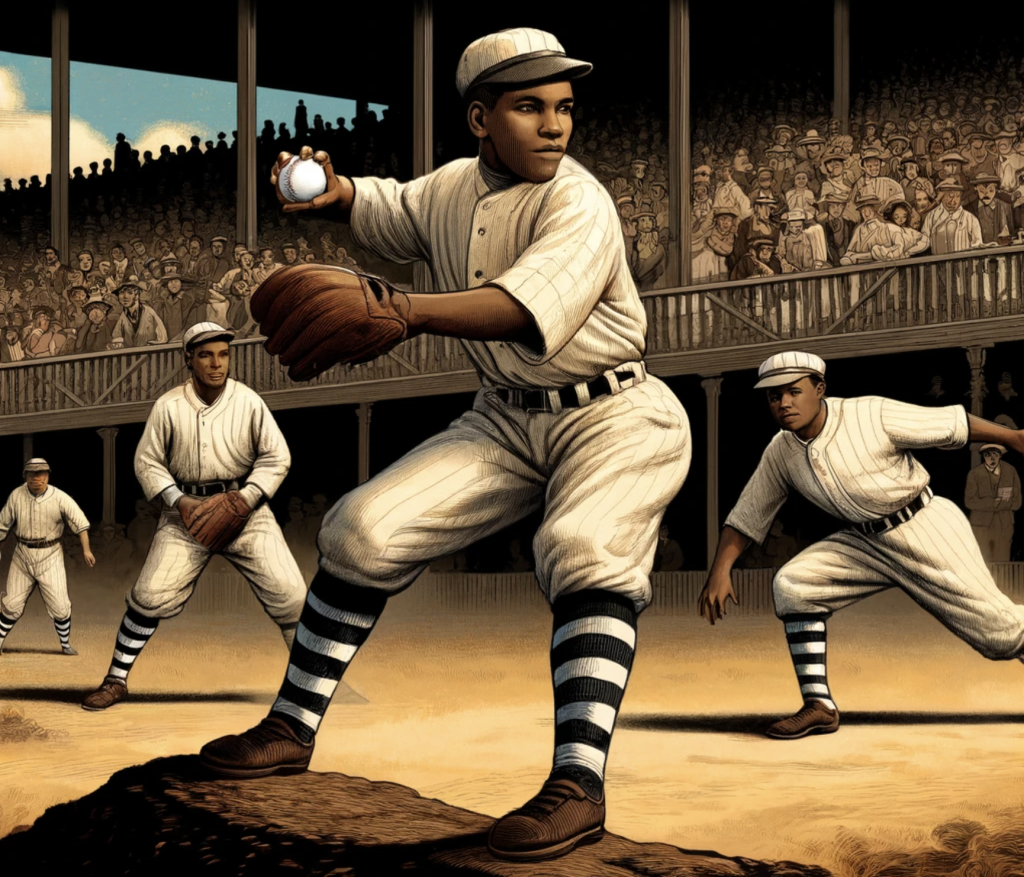
Known as “El Diamante Negro” (The Black Diamond), Méndez was a pitcher of extraordinary skill. His performances not only showcased his talent but also cemented the reputation of Cuban pitchers in the Negro Leagues. These players, among others, were instrumental in bridging the gap between Cuban and American baseball, exemplifying the highest levels of skill and sportsmanship.
Challenges and Triumphs
The journey of Cuban players in the Negro Leagues was fraught with challenges. Racial discrimination, language barriers, and the physical distance from home were significant hurdles. Yet, their triumphs on the baseball field helped to overcome prejudices and build a legacy of excellence and integration.
Breaking Barriers
The success of Cuban players in the Negro Leagues played a role in challenging the racial barriers in professional baseball. Their exemplary performance and professionalism paved the way for the eventual integration of MLB, highlighting the absurdity of segregation and the universal appeal of talent over race.
Cultural Exchange
The participation of Cuban players also facilitated a cultural exchange that enriched both American and Cuban baseball. The blend of playing styles, strategies, and the introduction of new techniques improved the game, fostering a spirit of mutual respect and admiration among players of different backgrounds.
Legacy and Recognition
The legacy of Cuban stars in the Negro Leagues extends beyond their statistical achievements and championships. They were pioneers of international baseball, ambassadors of their culture, and trailblazers who paved the way for future generations of players.
Hall of Fame
Several Cuban players have been inducted into the Baseball Hall of Fame, recognized for their contributions to the game. Martín Dihigo, Cristóbal Torriente, and José Méndez, among others, have been honored, ensuring their place in baseball history is remembered.
Continuing Influence
The influence of these Cuban stars continues to be felt today. They set a precedent for international players in professional baseball, demonstrating that talent knows no boundaries. Their stories inspire young athletes around the world, proving that perseverance and love for the game can overcome any obstacle.
Acknowledging the Past, Inspiring the Future
The story of Cuban stars in the Negro Leagues is a testament to the power of sports as a unifying force. It reminds us that baseball, like history, is enriched by the diversity of its participants. By acknowledging and celebrating this forgotten chapter, we not only pay tribute to these incredible athletes but also inspire future generations to pursue their dreams, regardless of the hurdles they may face. In conclusion, the contribution of Cuban players to the Negro Leagues is a vibrant and vital part of baseball’s history. It stands as a beacon of talent, tenacity, and the triumph of the human spirit. As we continue to enjoy and analyze the game, let us not forget the stories of these remarkable individuals who played not just for love of the game, but for the dignity and respect of players everywhere. — The profound impact of Cuban baseball players extends beyond their performances on the field; it’s woven into the fabric of baseball’s cultural and historical narrative. Their journey from the vibrant fields of Cuba to the gritty diamonds of the Negro Leagues in the United States underscores a saga of ambition, hardship, and the relentless pursuit of equality. This section of the article further explores the intricacies of their legacy, the recognition of their talents, and the enduring influence they have on the game and society.
Bridging Worlds Through Baseball
The contribution of Cuban stars to the Negro Leagues was not merely a sporting affair; it was a cross-cultural bridge that connected disparate worlds. Baseball became a medium through which Cuban and American players could share their love for the game, transcending language barriers and cultural differences. This exchange was not one-sided; it was a reciprocal relationship that benefited both communities. Cuban players, with their distinctive approach to baseball, introduced a new vibrancy to the game in America, while simultaneously American baseball offered these Cuban stars a larger stage on which to showcase their talents.
The Challenge of Recognition
Despite their undeniable talent and crucial role in the history of baseball, many Cuban stars in the Negro Leagues did not receive immediate recognition. Their achievements were often overshadowed by the racial and political tensions of the times. It took decades for the broader baseball community and the public to fully appreciate the magnitude of what these players had accomplished against the backdrop of segregation and discrimination. The gradual acknowledgment and induction of Cuban players into the Baseball Hall of Fame have helped to correct this oversight, ensuring that their contributions are formally recognized and celebrated.
The Role of Media and Scholarship
The increasing attention from historians, authors, and filmmakers towards the stories of Cuban players in the Negro Leagues has been instrumental in bringing these narratives to the forefront. Documentaries, biographies, and academic studies have played a key role in highlighting the significance of these players, not only to baseball history but also to the broader story of racial integration in sports. This growing body of work continues to shed light on the challenges and triumphs of Cuban stars, fostering a deeper understanding and appreciation among a new generation of fans and scholars.
The Future Inspired by the Past
The remarkable journey of Cuban stars in the Negro Leagues offers valuable lessons for today’s world, emphasizing the importance of diversity, resilience, and unity in achieving greatness. Current and future generations of baseball players, regardless of their background, can draw inspiration from the perseverance and determination of these early pioneers. The legacy of Cuban players transcends their individual achievements, symbolizing the broader aspirations of athletes worldwide to overcome barriers and excel in their respective fields. The increasing participation of international players in Major League Baseball today is a testament to the doors that were opened by the Cuban stars of the past. Their pioneering efforts have made it possible for players from all corners of the globe to dream of playing professional baseball at the highest levels. This diversity enriches the game, making it a truly global sport that continues to captivate the hearts of fans around the world.
Celebrating Diversity and Unity
As we reflect on the contribution of Cuban players to the Negro Leagues, it is essential to recognize this history not as a separate chapter but as an integral part of the tapestry of baseball. Their story is a vivid reminder of the unifying power of sports and the enduring spirit of human resilience in the face of adversity. By celebrating these players, we celebrate the diverse and multicultural dimensions of baseball, acknowledging its capacity to bring people together across cultural and national divides. In paying tribute to the Cuban stars of the Negro Leagues, we honor their legacy and continue to inspire future generations to pursue their dreams with courage and determination. Their story is a beacon that shines across the fields of baseball, guiding young athletes towards a future where excellence and diversity are not only recognized but celebrated.
The Path to Integration
The journey of Cuban baseball players into the major leagues marked a pivotal moment in the history of baseball, illustrating the game’s power to challenge and change societal norms. As these players navigated their careers, they faced unparalleled challenges, from racism to cultural isolation, yet their resilience and unparalleled talent gradually paved the way for the integration of baseball. This transition was not only a victory for Cuban players but also for athletes of color worldwide, significantly impacting Major League Baseball (MLB) and leading to a more inclusive sport.
Pioneers of Change
Cuban players in the Negro Leagues and their subsequent breakthrough into MLB served as pioneers, breaking down racial barriers and setting the stage for future generations of players from diverse backgrounds. Their success challenged the prejudices of the time, forcing fans, teams, and league officials to reconsider their views on race and talent. The pioneering spirit of these athletes contributed to a gradual shift in public perception, which ultimately facilitated the integration of baseball.
Legacy of Excellence and Perseverance
The legacy of Cuban baseball players in the Negro Leagues and beyond is characterized by a relentless pursuit of excellence and an unwavering commitment to overcoming obstacles. These players left an indelible mark on the sport, not just through their record-breaking achievements but through the grace, dignity, and perseverance they displayed both on and off the field. Their legacy is a testament to the idea that talent knows no boundaries and that determination can overcome the most formidable barriers.
Continual Recognition & Celebration
Today, the legacy of Cuban stars in the Negro Leagues is continuously celebrated and honored, not only within baseball circles but also in the broader cultural and social context. Their induction into the Baseball Hall of Fame, the retelling of their stories through various media, and their celebration in baseball communities around the world ensure that their contributions and their significance are never forgotten. This ongoing recognition serves as a reminder of the transformative power of sports and the role athletes play in shaping societal values and breaking down barriers.
Conclusion
The profound impact of Cuban baseball players on the sport and society is a story of triumph over adversity, unity through diversity, and the unyielding spirit of human perseverance. As their story unfolds, from the fields of Cuba to the Negro Leagues and into Major League Baseball, it serves as a powerful narrative of cultural exchange, racial integration, and the universal love for the game of baseball. By recognizing and celebrating the contributions of these remarkable individuals, we reaffirm the values of diversity, resilience, and inclusion that define not only the sport of baseball but our society as a whole.
Frequently Asked Questions
1. What role did Cuban players have in the Negro Leagues, and why is it significant?
The involvement of Cuban players in the Negro Leagues is a remarkable and crucial facet of baseball history. These athletes brought not only their exceptional skills to the American baseball scene but also introduced a new style of play influenced by the rich baseball culture in Cuba. Their participation served as a bridge between American and Cuban baseball, even during a time of racial segregation in the United States. Despite often facing significant challenges like language barriers, racial discrimination, and cultural adjustments, Cuban players persevered. Their presence contributed to the diversity and richness of the game, paving the way for future generations of Latin American players. By playing alongside African-American players, Cuban athletes helped highlight the multicultural essence of baseball, challenging the color line and social norms, and their successes in the league have had an enduring impact on both the African-American and Cuban baseball stories.
2. Who are some notable Cuban players that excelled in the Negro Leagues, and what were their achievements?
Several Cuban players left an indelible mark on the Negro Leagues, each bringing their unique flair to the diamond. Cristóbal Torriente, often characterized as a five-tool player, is one of the most celebrated Cuban stars. Known for his exceptional hitting, Torriente was a formidable force in both batting and fielding, and his performances often drew comparisons to Babe Ruth. Another iconic figure was Martin Dihigo, lauded for his versatility; he excelled as a pitcher, infielder, and outfielder, earning a legendary status in multiple countries’ baseball circles. Dihigo is the only player enshrined in multiple Halls of Fame globally, cementing his legacy as a true legend of the sport. Additionally, players like José Méndez and Minnie Miñoso helped elevate the profile of Cuban athletes in black baseball, inspiring countless others and leaving behind a rich legacy that is still celebrated today.
3. How did Cuban players influence the style of play in the Negro Leagues?
Cuban players brought with them a distinctive style of play that was characterized by flair, agility, and a strategic approach to the game. They were known for their adeptness in small ball – a strategy that emphasizes speed, bunting, and smart base running to manufacture runs. This contrasted with the power-focused approach that was prevalent in American baseball at the time. The Cuban influence helped diversify the ways games were played, making them more dynamic and unpredictable. Their innovative pitching techniques and fielding skills also added new dimensions to the game, compelling both fans and teammates to appreciate a wider range of baseball talents and strategies. This blend of styles enriched the leagues and played a crucial role in the evolution of baseball as a more exciting, multicultural sport.
4. What challenges did Cuban players face in the Negro Leagues, and how did they overcome them?
Entering the Negro Leagues presented Cuban players with numerous challenges, including dealing with racial prejudice, overcoming language barriers, and adapting to a foreign culture and country. They often had to endure the same racial discrimination faced by their African-American counterparts, with the added layer of cultural differences that sometimes isolated them even further. Despite these obstacles, Cuban players showcased resilience and adaptability. Many learned English to better communicate with teammates and fans. They tackled prejudice through their exceptional on-field performance, earning the respect and admiration of both fans and fellow players. Their tenacity and dedication to the game not only helped them succeed but also paved the way for others who faced similar barriers. They stand as testaments to the ability of sports to overcome social and cultural boundaries and to provide a platform for broader acceptance and understanding.
5. What is the lasting impact of Cuban players in the history and cultural evolution of baseball?
The legacy of Cuban stars in the Negro Leagues is profound and multifaceted. They expanded the talent pool of the leagues, introducing new styles and strategies that transformed how the game was played. Their contributions challenged prevailing racial and cultural prejudices, helped foster more inclusive attitudes in sports, and laid the groundwork for integrating Major League Baseball. Moreover, their success stories provided inspiration for future generations of Latin American players, proving that talent and dedication could break down barriers and achieve greatness, regardless of ethnicity or nationality. The integration of Cuban players into the American baseball narrative has also helped strengthen cultural ties between Cuba and the United States around a shared love for the sport. Today, the acknowledgment of these players’ contributions is seen in the historical accounts that finally celebrate the overlooked chapters of baseball’s diverse history, ensuring that their stories inspire and educate future generations.