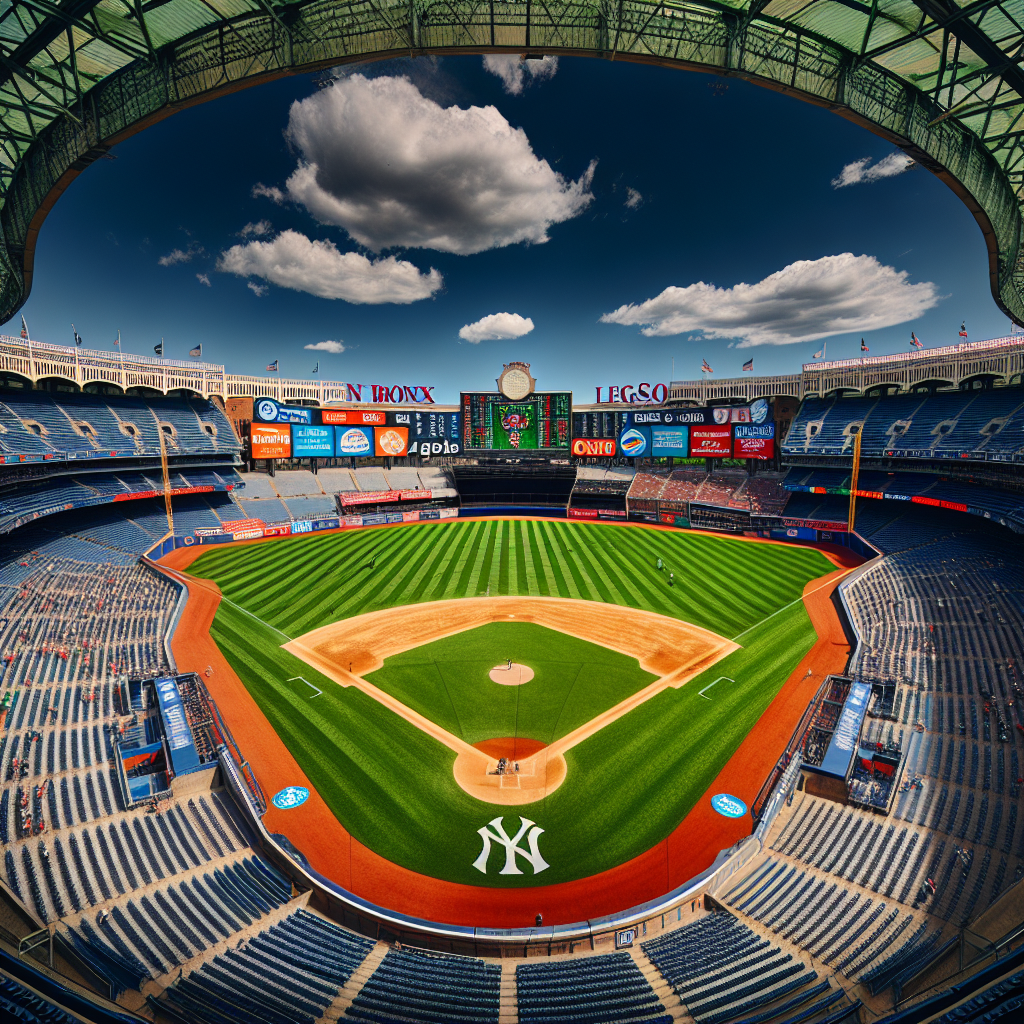
The name Yankee Stadium evokes a sense of nostalgia and history, dripping in baseball lore as a home to the iconic New York Yankees. The original Yankee Stadium, often referred to as “The House that Ruth Built,” stood as a monument to baseball greatness for 85 illustrious years from its inception in 1923. However, by the dawn of the 21st century, the need for modernization led to the construction of a new Yankee Stadium, commonly known as Yankee Stadium II, which opened its doors in 2009. But the opening of Yankee Stadium II wasn’t just about erecting a new structure; it was about continuing a rich legacy and providing a modern haven for fans while preserving the mystique and heritage of the Yankees.
This new ballpark is situated directly across the street from the original site, serving as a physical and symbolic bridge between past and present. With state-of-the-art amenities, modern conveniences, and a design that echoes its predecessor, Yankee Stadium II aims to honor and extend the grand tradition of Yankees baseball. Today we delve deep into this modern icon—its architecture, fan experience, memorable moments, and its role in the broader context of baseball history.
Architecture and Design
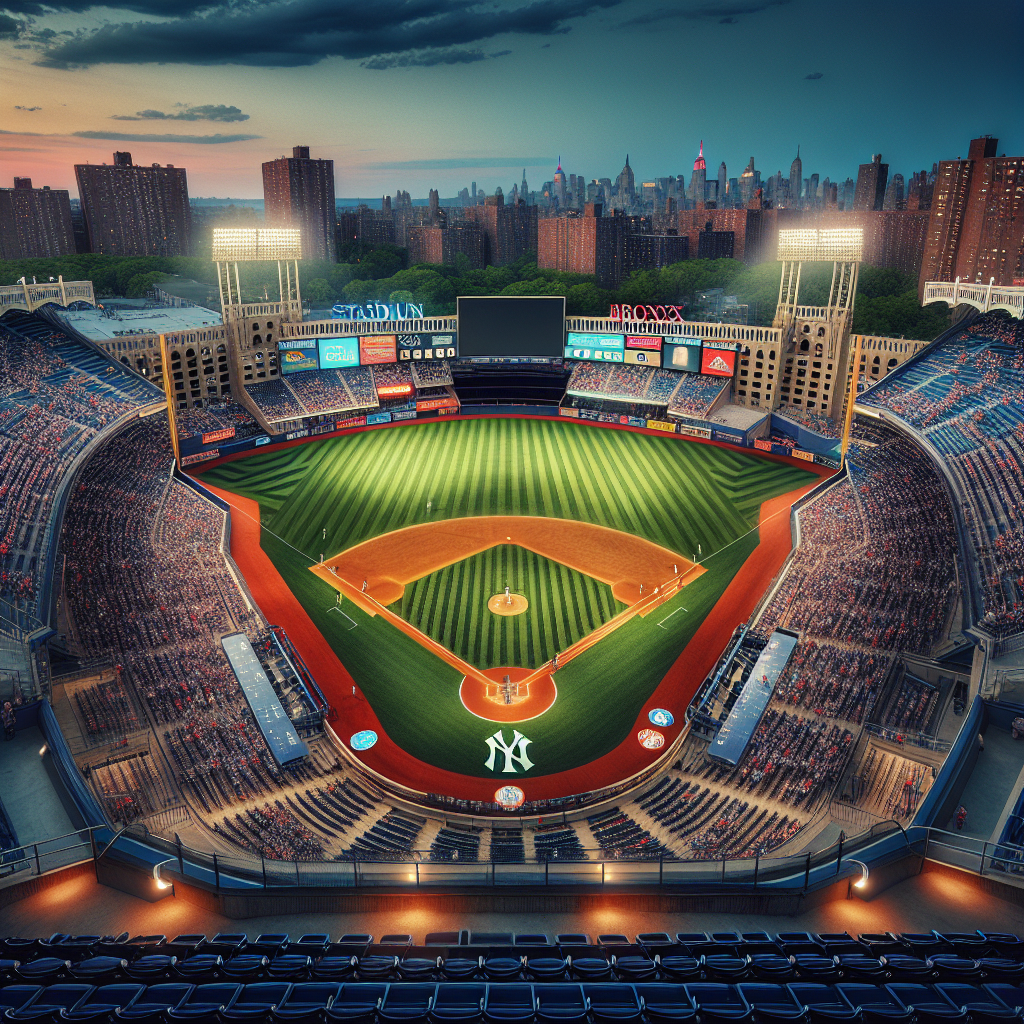
Yankee Stadium II’s architecture is a nod to the grandeur and elegance of the original facility. The design incorporates a grand entrance and facade imitating the original stadium’s iconic limestone exterior. Crafted to exude a sense of timelessness, while projecting a powerful modern presence, the stadium features four-tier levels, an increase from the three tiers of its predecessor. This increment allows for a significant boost in seating capacity and better facility management.
A prominent feature is the Great Hall. This is an expansive space filled with natural light, adorned with banners of legendary Yankees, and offering fans a stunning entryway into the venue. Monuments and plaques paying homage to the team’s storied past are showcased in Monument Park, an area that provides a tangible link to historical players and moments. Additionally, the interior’s technological advancements, like high-definition video boards and improved acoustics, ensure that today’s fans experience the game in unparalleled quality.
All these architectural details—both big and small—highlight how Yankee Stadium II captures the essence of both modernity and tradition. It is an arena built to inspire and evoke memories, all while offering state-of-the-art functionalities that cater to the 21st-century fan.
The Fan Experience
Yankee Stadium II is designed to be much more than just a venue to watch baseball; it’s an experience in itself. The stadium provides numerous amenities aimed at enhancing the fan’s experience, ranging from gourmet food options to a variety of seating choices that cater to all budgets. Specialty bars, restaurants, and lounges within the stadium offer a refined way to enjoy the game and socialize. Additionally, there are also family-friendly zones with interactive activities for younger fans, making it a wholesome family destination.
The seating arrangement is meticulously planned to ensure excellent sightlines from almost any location within the stadium. Premium seating options include the Delta Sky360° Suite, Legends Suite, and Champions Suite, all of which offer exclusive amenities like in-seat service and access to private club areas. These premium options provide a luxurious game day experience, complete with gourmet dining and personal service.
For fans interested in history, Monument Park offers an up-close look at the Yankees’ illustrious past. Guided tours are also available for visitors who wish to explore the stadium’s features in-depth. Each visit to Yankee Stadium II promises a comprehensive and immersive baseball experience, making it much more than just a game–it’s an institution and pilgrimage for fans.
Memorable Moments
Since its opening in 2009, Yankee Stadium II has already been the backdrop to several memorable moments that have added to the Yankees’ rich history. One of the earliest highlights was the 2009 World Series, where the Yankees clinched their 27th championship. That season’s success solidified the new stadium as a worthy successor to the original Yankee Stadium.
Other notable events include Derek Jeter’s 3,000th hit in 2011, an unforgettable moment for fans and a testament to his storied career. The stadium also hosted Mariano Rivera’s retirement ceremony in 2013, celebrating one of the greatest closers in baseball history. Each of these instances not only added to the Yankees’ legacy but also embedded these milestones into the very foundation of Yankee Stadium II.
Aside from baseball, the stadium has also held significant non-sporting events like concerts featuring major artists such as Paul McCartney and Jay-Z, as well as various cultural and community events. These events demonstrate the multi-functional role of Yankee Stadium II, establishing it as a significant landmark in the Bronx and beyond.
Economic Impact
Yankee Stadium II has had a significant economic impact on the Bronx and the broader New York City area. Constructed at a cost of approximately $2.3 billion, it is one of the most expensive stadiums ever built, and its economic footprint extends far beyond the initial construction costs. The stadium generates substantial direct and indirect revenue through ticket sales, concessions, merchandise, and employment opportunities.
The local community benefits from the influx of fans and visitors who contribute to the economy by patronizing nearby businesses such as hotels, restaurants, and shops. The stadium also provides substantial employment opportunities, ranging from permanent staff positions to seasonal jobs that support game-day operations. Additionally, special events and non-game-day uses of the stadium further bolster the local economy by bringing in even more visitors and revenue.
The presence of Yankee Stadium II serves as a revitalizing force in the Bronx, enhancing the area’s profile and drawing investment. The economic benefits generated by the stadium show how modern sports venues can be integral to urban development and economic health.
The Role in Broader Baseball History
Yankee Stadium II, like its predecessor, plays a vital role within the broader context of baseball history. It is one of the most prominent and revered ballparks in Major League Baseball, home to one of the most successful franchises in sports history. Moreover, the stadium serves as a repository for baseball lore and a testament to the sport’s enduring appeal.
The Yankees’ continued success has ensured that Yankee Stadium II remains a central venue for significant MLB events, including All-Star Games and postseason series. In this vein, the stadium has become not just a stage for the Yankees’ greatness but also a platform for showcasing the sport’s global appeal and cultural significance. Yankee Stadium II keeps the torch burning for future generations of baseball fans, ensuring that the mystique and grandeur associated with Yankees baseball endure for decades to come.
The stadium itself, with its rich blend of historical homage and modern excellence, epitomizes what baseball means to America—both a cherished tradition and a continually evolving spectacle. The legacy of Yankee Stadium II intertwines seamlessly with the broader narrative of baseball, highlighting its role in both preserving and advancing the sport’s storied history.
Conclusion
Yankee Stadium II is far more than a venue for baseball games; it is an enduring symbol of excellence, tradition, and innovation. Designed to faithfully honor its predecessor while offering a state-of-the-art experience, it stands as a testament to the enduring legacy of the New York Yankees and the sport of baseball itself. From its thoughtful architectural design and advanced amenities to the unforgettable moments and significant economic contributions, the stadium encapsulates the past, present, and future of the sport.
As fans walk through the gates, they are not merely attending a game, but participating in a living legacy that extends back over a century. Each seat, each plaque in Monument Park, each roar of the crowd echoes with stories of glories past and promises of future triumphs. Yankee Stadium II thus serves as a bridge, connecting the soul of the original stadium with the dreams and aspirations of modern generations.
In every sense, Yankee Stadium II successfully carries forward the monumental heritage of Yankees baseball while embracing the latest advancements to create an unparalleled experience. It is a beacon of sports excellence, community engagement, and architectural brilliance. As such, Yankee Stadium II will undoubtedly continue to write new chapters in the annals of baseball history, cementing its status as one of the most iconic ballparks in American sports.