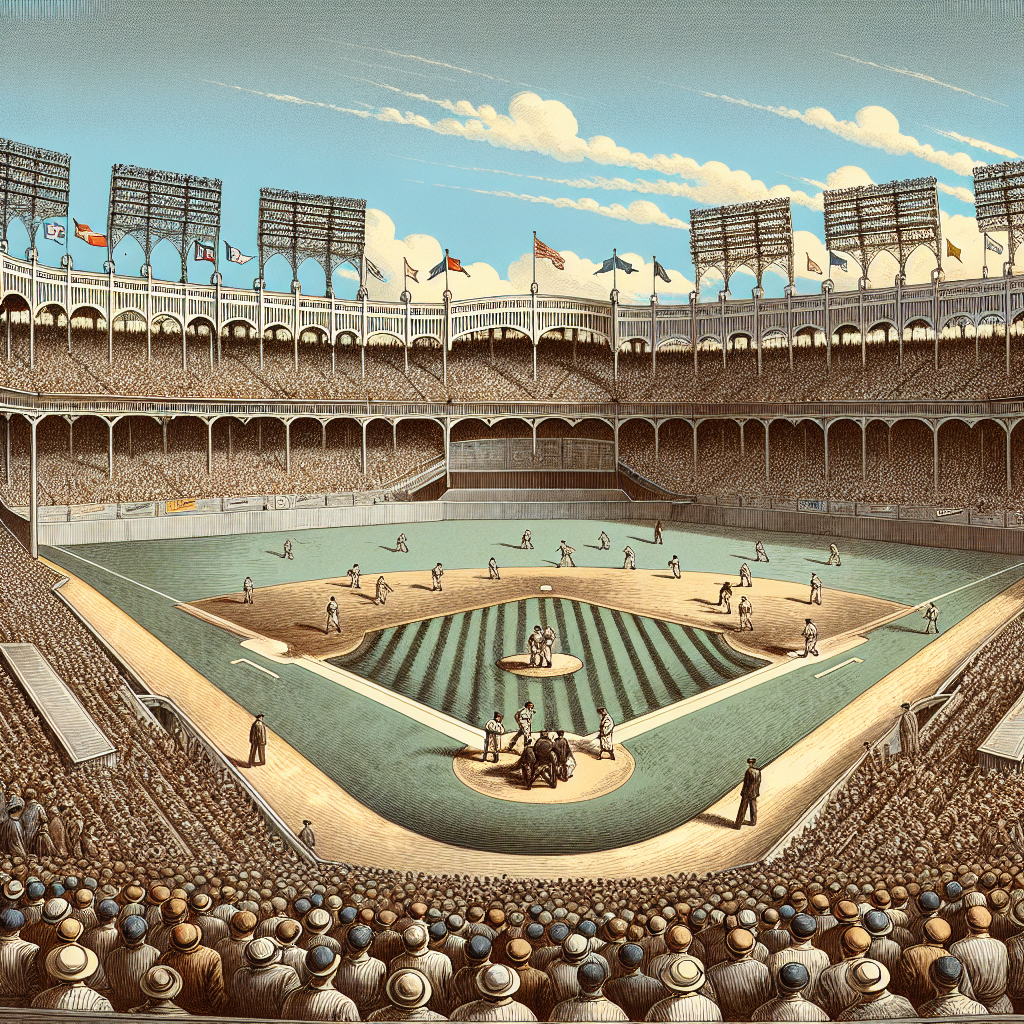
In the heart of the Bronx in New York City stood a monument to baseball’s rich history and the prowess of America’s greatest teams and players: Old Yankee Stadium. Often referred to as “The House That Ruth Built”, this iconic ballpark opened its gates in 1923 and became an emblem of the sport’s heritage. Over the decades, it witnessed unparalleled sporting moments, dramatic plays, and unforgettable wins. As we travel back in time, let’s delve into the extensive history, the architectural essence, and the remarkable events that shaped Old Yankee Stadium into a revered temple of baseball.
The Birth of a Legend: Construction and Early Years
Old Yankee Stadium was a product of necessity. In the early 1920s, the New York Yankees were sharing the Polo Grounds with the New York Giants, but the burgeoning fanbase, driven by Babe Ruth’s legendary performances, demanded a stadium that could encapsulate their enthusiasm and provide a fitting venue. In 1921, the Yankees announced their plans to build their own ballpark, and two years later, on April 18, 1923, Yankee Stadium opened with a game against the Boston Red Sox. Babe Ruth christened the new ballpark with a home run, leading the Yankees to a 4-1 victory and etching the start of an illustrious chapter in baseball history.
A Stage for Legends: Iconic Moments and Players
Old Yankee Stadium wasn’t just a site for regular games; it was a coliseum where legends were born. It played host to some of the sport’s most iconic figures, including Babe Ruth, Lou Gehrig, Joe DiMaggio, Mickey Mantle, and Derek Jeter. Each player left an indelible mark on the stadium and the game itself. The stadium also bore witness to historic events, such as Gehrig’s heartfelt “Luckiest Man” speech in 1939, Don Larsen’s World Series perfect game in 1956, and countless World Series battles that etched the Yankees into baseball lore as titans of the sport.

Architectural Wonder: Design and Renovations
The architecture of Old Yankee Stadium was as grand as the players and events it housed. Designed by Osborn Engineering Company, it flaunted a triple-deck grandstand—the first of its kind—that could accommodate over 58,000 fans by 1927. The stadium underwent several renovations, the most significant of which occurred between 1973 and 1976, modernizing the facility while preserving its historic aura. These renovations introduced the iconic white façade, which became a hallmark of the stadium, and updated amenities that ensured it remained a premier venue for sports and entertainment.
The Stadium That Transcended Baseball
Though primarily known as a baseball venue, Old Yankee Stadium’s influence extended beyond the diamond. It hosted legendary boxing matches, such as Joe Louis versus Max Schmeling in 1938. The stadium also welcomed football games, concerts, papal visits, and even political events, demonstrating its versatility and importance as a cultural hotspot. The echoes of speeches, musical performances, and cheers from these events only added layers to its storied legacy, establishing Old Yankee Stadium as a historic landmark akin to the Coliseum of ancient Rome.
The Emotional Farewell: 2008 and The End of an Era
All good things must come to an end, and in 2008, the Yankees played their final game at Old Yankee Stadium. The season was filled with nostalgia and recognition of the stadium’s profound impact on baseball and American culture. The final game, played on September 21, 2008, culminated with captain Derek Jeter addressing the fans, acknowledging the stadium’s role in Yankees’ history, and promising to carry their memories to the new Yankee Stadium. The game ended with a victory, a fitting end to an 85-year saga of triumphs.
Legacy of Old Yankee Stadium: Memory and Myth
Old Yankee Stadium may no longer stand, but its memory endures. The site has been transformed into a public park, Heritage Field, ensuring that the legacy of the ballpark continues to inspire future generations. Countless documentaries, books, and articles celebrate its history, solidifying its place in the annals of baseball and American culture. The memories of sensational plays, legendary athletes, and monumental events persist, reminding us that Old Yankee Stadium was more than just a sports venue—it was a shrine to the American spirit and the timeless game of baseball.
Conclusion: An Enduring Legacy
Old Yankee Stadium stands as a testament to both the rich history of baseball and the enduring legacy of the New York Yankees. It was more than just a structure of steel and concrete; it was a place where dreams were realized, history was made, and legends walked. For fans, it was a sanctuary where they rejoiced in victory and mourned in defeat, united by their love for the game and their team. The stories it inspired, the moments it housed, and the athletes it celebrated continue to resonate, ensuring that Old Yankee Stadium remains an eternal chapter in the history of baseball.