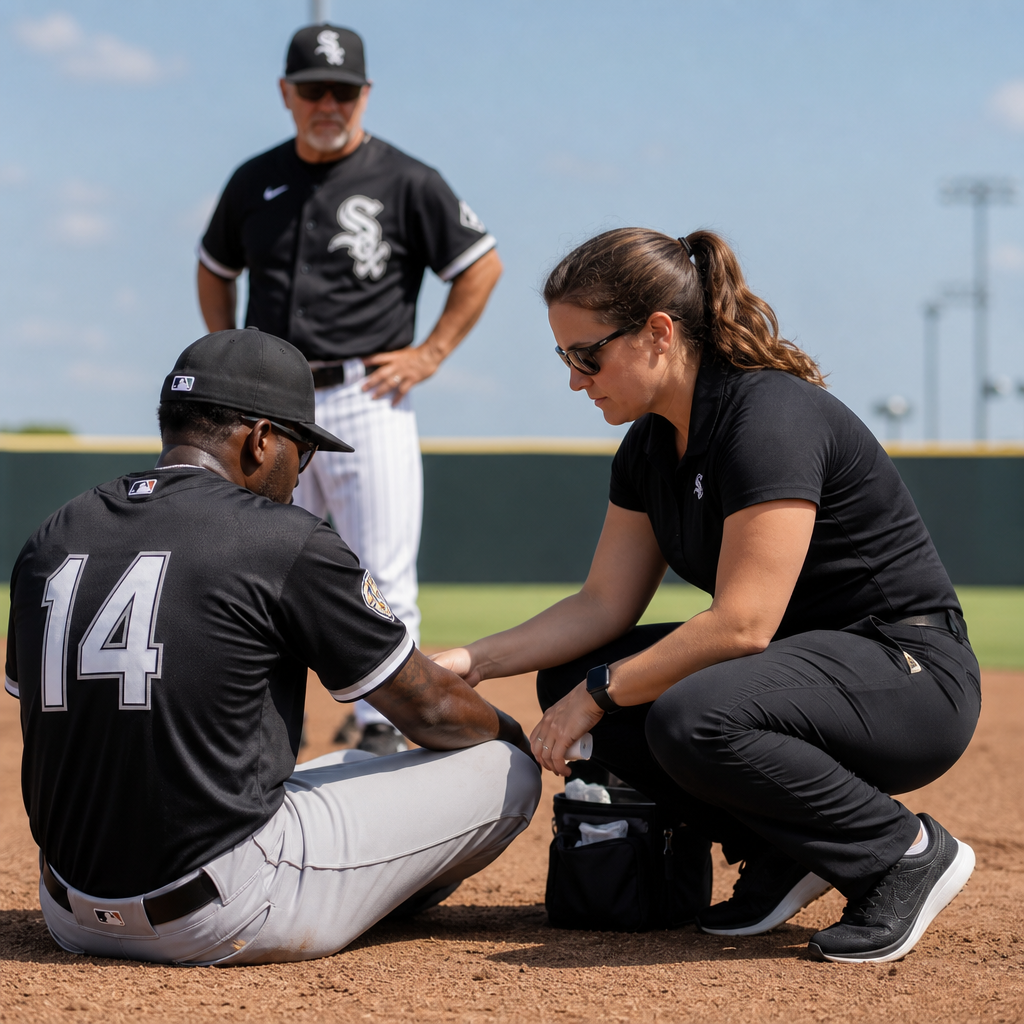
Women leading the way in baseball health and safety have transformed how the sport prevents injuries, responds to emergencies, and protects players at every level. In baseball, health and safety covers far more than treating a sore shoulder or taping an ankle. It includes athletic training, orthopedic medicine, biomechanics, strength and conditioning, nutrition, mental performance, heat policy, concussion protocols, emergency action planning, safeguarding minors, and return-to-play decisions. Within that broad system, women now hold essential roles as team physicians, athletic trainers, physical therapists, researchers, laboratory directors, public health specialists, and league executives. Their work matters because baseball places unusual demands on the body: repetitive overhead throwing stresses the ulnar collateral ligament, rapid deceleration challenges the posterior shoulder, rotational hitting loads the spine and hips, and long schedules test recovery capacity.
I have seen firsthand that the best health and safety departments are interdisciplinary and relentlessly practical. They translate medical evidence into routines that players and coaches can actually follow. That may mean redesigning throwing progressions, adjusting hydration plans for humid road trips, or building communication systems so a clubhouse concern reaches the physician before it becomes a disabled list stay. Women have become central to that operational side of baseball medicine, not just the advisory side. Their influence can be measured in fewer preventable injuries, faster recognition of red flags, and smarter coordination between the field, weight room, video lab, and exam room. As a hub within the broader women in baseball conversation, this article maps the full health and safety landscape, highlights where women are driving change, and explains why their leadership strengthens the sport from youth leagues through Major League Baseball.
Why Baseball Health and Safety Requires Specialized Leadership
Baseball is not a collision sport in the same mold as football, but its risk profile is complex. Acute injuries include fractures from hit-by-pitches, facial trauma from line drives, ankle sprains on slides, and concussions from home-plate or outfield collisions. Overuse injuries are even more central to roster health. Pitchers face valgus stress at the elbow during late cocking and acceleration, while position players accumulate stress through throwing volume, sprinting, and rotational swings. Add travel, weather, doubleheaders, and uneven recovery windows, and health management becomes a systems problem rather than a treatment-only problem.
Women leaders have excelled in that systems environment because modern baseball medicine rewards communication, detail, and evidence-based planning. A high-functioning medical department aligns the manager, pitching coach, hitting coaches, performance staff, and front office. If a pitcher’s arm slot changes, the biomechanical observation must connect to workload data, symptom reporting, and strength testing. If a teenage player reports dizziness after a foul-tip incident, immediate removal, neurological screening, and gradual return protocols must follow. These decisions demand authority and trust. Women working in baseball health and safety have increasingly earned both by combining clinical rigor with operational credibility.
Visibility has improved notably in recent years. MLB organizations have hired women as athletic trainers, strength coaches, and medical specialists. Kim Ng’s tenure as a general manager also mattered indirectly because safer organizations usually reflect inclusive leadership structures overall. At the youth and amateur levels, women clinicians and administrators have often been early adopters of pitch-count rules, emergency preparedness standards, and abuse-prevention policies. Their contributions are not peripheral. They shape the daily conditions under which baseball becomes either safer or more hazardous.
Women in Athletic Training, Physical Therapy, and Day-to-Day Care
Athletic trainers are often the first clinicians players see, and women in these roles have changed baseball culture simply by being present in the clubhouse and on the field as trusted medical professionals. Their responsibilities include injury evaluation, therapeutic exercise, manual therapy coordination, emergency care, taping and bracing, communication with physicians, and documenting functional status. In practical terms, they are the people who notice when a reliever’s shoulder external rotation is down five degrees, when a catcher’s hip mobility has tightened after a long series, or when a player’s fatigue is affecting mechanics enough to raise injury risk.
One reason this work is so influential is continuity. Team physicians may evaluate a player periodically, but athletic trainers and physical therapists observe trends over time. A woman athletic trainer who sees a pitcher every afternoon can connect subtle signs that would look insignificant in isolation: reduced grip strength, altered scapular control, sleep complaints, and soreness lasting longer than the usual post-start window. That pattern recognition often prevents a minor issue from becoming a structural injury. In my experience, players respond best when clinicians explain the “why” behind restrictions, and many women leaders in baseball medicine have been especially effective educators in those moments.
Physical therapists bring another layer of precision, especially in return-to-throw and return-to-run progressions. Evidence-informed rehabilitation after UCL reconstruction, labral repair, or hamstring strain is not guesswork. It involves load management, objective strength benchmarks, range-of-motion targets, and staged exposure to baseball-specific movements. Clinicians increasingly use handheld dynamometers, force plates, and motion capture tools to support decisions. Women directing or contributing to these programs are helping teams move beyond vague timelines toward criteria-based rehabilitation. That shift protects athletes from both rushing back too early and deconditioning them by waiting too long.
How Women Are Advancing Injury Prevention and Performance Science
Injury prevention in baseball now depends heavily on sports science, and women have become important contributors in biomechanics labs, performance departments, and applied research roles. The key change is that prevention is no longer treated as a single pregame warmup. It is built from measurable inputs: acute and chronic workload, recovery markers, strength asymmetries, throwing mechanics, tissue capacity, and environmental stress. Baseball organizations use tools such as markerless motion capture, force plates, wearable sensors, and high-speed video to understand how players move and where breakdowns may begin.
Consider shoulder and elbow risk in pitchers. Researchers and clinicians analyze hip-shoulder separation, trunk tilt, arm timing, stride characteristics, and deceleration capacity. None of these variables alone predicts injury with certainty, but together they inform better programming. A woman biomechanist working with a pitching department may identify that a prospect gains velocity when he shortens arm action, yet also increases elbow torque because his trunk rotation timing deteriorates under fatigue. The correct intervention may be a blend of mechanical cueing, recovery adjustment, and lower-half power development rather than a simplistic command to “clean up mechanics.” That integrated thinking is where the field has matured.
Women are also influencing injury prevention through data literacy. Teams are better at combining subjective reports with objective measures. If a player rates sleep quality poorly, shows reduced countermovement jump output, and reports forearm tightness, medical and performance staffs can scale volume before tissue tolerance is exceeded. The point is not to eliminate all risk; baseball cannot promise that. The goal is to identify preventable patterns early enough to act. When women lead these processes, they reinforce a culture in which reporting discomfort is treated as useful information, not weakness.
| Health and safety area | Common baseball risk | How women leaders are improving outcomes |
|---|---|---|
| Throwing health | UCL strain, shoulder overload | Using workload monitoring, motion analysis, and staged return-to-throw plans |
| Heat and hydration | Dehydration, heat illness | Creating individualized fluid strategies and weather-based practice modifications |
| Concussion management | Delayed symptom recognition | Standardizing removal-from-play, assessment, and gradual return protocols |
| Strength and conditioning | Soft-tissue injuries, fatigue | Linking force-plate data, sprint loads, and recovery planning to training design |
| Youth athlete protection | Overuse, unsafe supervision | Promoting pitch-count compliance, emergency planning, and safeguarding policies |
Emergency Preparedness, Concussion Care, and Environmental Safety
Some of the most important baseball safety work happens before an emergency occurs. Women in medical and administrative leadership have been instrumental in building emergency action plans, refining venue safety procedures, and training staff for rapid response. A credible emergency action plan specifies roles, equipment locations, communication pathways, ambulance access points, and venue-specific scenarios. It is rehearsed, not merely filed. When a line drive strikes a coach in the dugout or a player collapses from exertional heat illness, response speed determines outcomes.
Concussion management is another area where standardized leadership matters. Baseball concussions may follow collisions, foul tips caught by catchers, headfirst slides, or impacts from balls and bats. Best practice includes immediate symptom recognition, removal from play, clinical assessment, monitoring for deterioration, and a stepwise return that increases cognitive and physical load gradually. The CDC’s HEADS UP guidance and consensus sports medicine recommendations have pushed this process forward, but implementation still depends on disciplined staff. Women clinicians have helped normalize the principle that “playing through” neurological symptoms is unacceptable.
Environmental safety has become more urgent as temperatures rise and weather patterns become less predictable. Heat illness prevention requires acclimatization, hydration access, wet-bulb monitoring where appropriate, shaded recovery spaces, and authority to modify training. Lightning protocols must define suspension thresholds and shelter procedures. Air quality concerns, including wildfire smoke in some regions, require monitoring and contingency planning. These may sound like administrative details, yet they directly affect player survival and long-term health. In organizations I have worked around, the strongest safety cultures treat weather and environment as medical issues, not scheduling annoyances.
Youth Baseball, Safeguarding, and the Broader Pipeline
The influence of women in baseball health and safety is especially significant in youth and amateur baseball, where resources vary widely and bad habits often begin. Many preventable injuries in older players trace back to earlier years of overspecialization, year-round throwing, inadequate rest, and weak supervision. Women physicians, certified athletic trainers, physical therapists, and nonprofit leaders have been vocal advocates for pitch-count limits, mandatory rest days, preseason screening, and parent education. Guidelines from organizations such as Little League Baseball and USA Baseball have helped, but compliance still depends on adults who understand both the rules and the reason behind them.
Safeguarding is equally important. Health and safety in baseball includes protection from abuse, harassment, and boundary violations, particularly for minors. That means background checks, clear reporting channels, travel supervision standards, and education on appropriate coach-athlete conduct. Women leaders have often pushed these policies from optional best practice to nonnegotiable requirement. This matters because a safe baseball environment is not only one where elbows stay healthy; it is one where players can develop without fear, coercion, or silence around misconduct.
The youth pipeline also benefits when girls and young women see clinicians and performance professionals who look like them. Representation improves recruitment into sports medicine, athletic training, orthopedics, nutrition, and data science. Over time, that expands the talent base available to baseball. It also improves communication with diverse athlete populations. A stronger pipeline creates better care, and better care keeps more athletes in the game.
What Organizations Can Learn From Women Leading This Work
The clearest lesson from women leading baseball health and safety is that excellent care is built on structure, not slogans. Organizations that improve outcomes usually do five things well. First, they define decision-making authority, so no one wonders who can pull a player, order imaging, or stop a workout. Second, they track information consistently, including symptoms, workloads, range of motion, sleep, and previous injury history. Third, they create psychological safety, so athletes report pain before the problem escalates. Fourth, they review incidents and near misses, treating them as learning opportunities. Fifth, they invest in qualified staff instead of expecting one person to cover medicine, rehab, conditioning, and mental performance alone.
Women leaders have demonstrated these principles across professional, collegiate, and youth settings. Their impact is visible when a team reduces soft-tissue injuries after redesigning sprint exposure, when a minor league affiliate improves hydration compliance through individualized education, or when a travel program adopts a written emergency action plan and finally rehearses it. The common thread is disciplined follow-through. Baseball health and safety improves when evidence, communication, and accountability meet daily routines. For clubs, leagues, schools, and families exploring the women in baseball landscape, this subtopic deserves sustained attention. Read deeper into the linked articles, apply the strongest practices locally, and make safer baseball the standard rather than the exception for everyone involved.
Frequently Asked Questions
How are women shaping the future of health and safety in baseball?
Women are playing a major role in redefining what health and safety means across baseball. Their leadership is visible in athletic training rooms, orthopedic clinics, strength and conditioning programs, biomechanics labs, front offices, player development departments, and emergency planning teams. Rather than focusing only on injury treatment after something goes wrong, many women in these roles are helping organizations build prevention-first systems that monitor workload, improve movement quality, strengthen recovery habits, and create better decision-making around return to play.
That influence extends well beyond the professional level. Women are helping youth, high school, college, amateur, and pro programs adopt more complete standards for concussion care, heat illness response, hydration planning, mental performance support, nutrition education, and safeguarding policies for younger athletes. Their work often bridges communication gaps between coaches, parents, athletes, and medical staff, which is essential in a sport where overuse injuries, delayed symptom reporting, and pressure to play through pain can create long-term harm.
Just as important, women leaders in baseball health and safety are helping shift the culture of the sport. They are strengthening the expectation that player protection is not a side issue but a core performance priority. When organizations listen to qualified medical professionals, use evidence-based protocols, and make room for multidisciplinary perspectives, players are better protected physically and mentally. That broader, more integrated model is one of the clearest ways women are leading the way in baseball health and safety.
What does health and safety in baseball include beyond basic injury treatment?
Health and safety in baseball is much broader than wrapping an ankle or evaluating shoulder soreness. A complete program includes injury prevention, acute care, rehabilitation, emergency preparedness, performance support, and long-term athlete well-being. That means athletic trainers and physicians are only part of the picture. Effective baseball health systems also rely on strength coaches, biomechanists, nutrition professionals, mental performance specialists, physical therapists, and administrators who can implement policies consistently across a team or organization.
In practical terms, this includes screening movement patterns, managing throwing volume, tracking fatigue, guiding recovery routines, and making informed return-to-play decisions after injuries. It also includes concussion recognition and follow-up, heat policies for hot-weather practices and tournaments, hydration and fueling guidance, sleep education, illness prevention, and emergency action plans for events such as cardiac arrest, head trauma, or severe weather. For younger athletes, health and safety also includes supervision standards, communication with parents, and safeguarding measures designed to protect minors from abuse, neglect, or inappropriate conduct.
The modern approach recognizes that safety and performance are deeply connected. A player who is underfueled, sleep deprived, emotionally overwhelmed, or returning too quickly from an injury is not just less effective but also at greater risk. Women leading in this space have helped bring attention to that full-spectrum view, making baseball health and safety more proactive, more organized, and more responsive to the actual demands players face throughout the season.
Why are concussion protocols and return-to-play decisions so important in baseball?
Concussion care is critical in baseball because head injuries do not always look dramatic in the moment. A player may be hit by a pitch, collide with another athlete, dive awkwardly, or take a foul ball off the mask or body and still try to continue. Symptoms can be delayed, subtle, or minimized by the athlete. That is why strong concussion protocols matter. A quality protocol includes immediate removal from play when a concussion is suspected, evaluation by trained personnel, symptom monitoring, academic or activity adjustments when needed, and a step-by-step progression back to full participation only after the athlete is medically cleared.
Return-to-play decisions are equally important for all types of injuries, not just concussions. In baseball, throwing injuries, muscle strains, joint instability, stress reactions, and overuse conditions can worsen significantly if an athlete returns before healing is complete. A proper return-to-play decision considers pain, range of motion, strength, mechanics, conditioning, sport-specific function, and the athlete’s ability to tolerate baseball movements safely under realistic demands. It should be based on objective criteria and medical judgment, not the score of the game or pressure from outside voices.
Women working in sports medicine, athletic training, and athlete care have been central to improving these standards by advocating for evidence-based timelines, clearer communication, and player-centered decision-making. Their leadership helps reinforce a simple but essential principle: the safest return is the one that protects the athlete’s short-term health and long-term future, even when that requires patience.
How do biomechanics, strength training, and nutrition improve baseball safety?
Biomechanics, strength training, and nutrition are three of the most important tools for reducing injury risk in baseball. Biomechanics helps professionals study how athletes throw, swing, run, and move so they can identify patterns that may increase stress on the shoulder, elbow, back, hips, knees, or ankles. This does not mean there is one perfect movement style for every player. Instead, it means finding efficient, repeatable mechanics that fit the athlete’s body and role while reducing unnecessary strain. For pitchers especially, small mechanical issues combined with high volume can create serious problems over time.
Strength and conditioning supports safety by preparing the body for the demands of the sport. Baseball requires rotational power, shoulder stability, lower-body force production, sprint capacity, deceleration control, and resilience through a long season. A well-designed program builds strength where players need it most, improves mobility and coordination, and supports recovery between practices and games. It also helps athletes tolerate workload changes more safely, which is especially important for younger players who may be participating on multiple teams or competing year-round.
Nutrition is just as essential. Athletes who are underfueled are more likely to experience fatigue, slower recovery, reduced concentration, and a greater risk of soft-tissue injury. Proper hydration, carbohydrate intake, protein timing, electrolyte replacement, and overall energy availability all influence how well the body and brain function. Women leading baseball health and safety have helped reinforce the message that these areas are not extras. They are foundational parts of a serious injury-prevention strategy and should be integrated into everyday player development.
What should teams, leagues, and families look for in a strong baseball health and safety program?
A strong baseball health and safety program should be organized, proactive, and clearly communicated. Teams and leagues should have qualified medical support, written emergency action plans, concussion procedures, heat illness protocols, injury reporting systems, and defined return-to-play standards. Coaches should understand when to refer concerns rather than trying to manage medical issues themselves. There should also be clear workload guidelines, especially for pitchers and growing athletes, along with policies that address rest, recovery, and overuse prevention.
Families should look for environments where player well-being is treated seriously and consistently. That includes access to trained professionals, transparency around injuries, responsible communication, and a willingness to remove athletes from participation when safety requires it. For youth baseball, parents should also ask about hydration breaks, weather policies, supervision, transportation rules, background checks, and safeguarding procedures that protect minors. A quality program does not rely on improvisation when something goes wrong. It prepares in advance.
The best programs also recognize that health includes mental and emotional well-being. Players need support when dealing with performance pressure, injury frustration, identity challenges, and the stress of competition. Women leaders in baseball health and safety have been especially influential in promoting this broader standard, one that values preparedness, professionalism, and trust. When those elements are in place, athletes are safer, families are more confident, and organizations are better equipped to protect players at every level of the game.