
Baseball, America’s pastime, has long been celebrated as a sport that encapsulates the spirit of the nation. However, its history is not just a tale of men on the diamond; it is equally a story of women who broke barriers and defied conventions. This article delves into the journey of the first all-women minor league baseball teams, exploring their formation, challenges, achievements, and the legacy they left behind. Their story is one of courage, resilience, and an unwavering passion for the game.
The Early Days: Pioneering Women in Baseball
Long before the first all-women minor league teams took the field, women were already making their mark in baseball. In the late 19th and early 20th centuries, women’s baseball teams began to form, often as part of larger women’s sports clubs or as promotional teams for companies. These early teams laid the groundwork for future generations, showing that women could not only play baseball but also draw crowds and generate excitement.
One of the first recorded women’s baseball games took place in 1866, but these were mostly novelty or exhibition games. It wasn’t until the 1940s, during World War II, that women’s baseball began to gain more widespread attention. With many men overseas, women stepped up to fill roles left vacant, including in the realm of sports.
The All-American Girls Professional Baseball League
The formation of the All-American Girls Professional Baseball League (AAGPBL) in 1943 was a significant milestone. Founded by Philip K. Wrigley, the chewing gum magnate, the league sought to keep baseball in the public eye while many male players were away. The AAGPBL was innovative, not just for being a women’s league, but also for the level of skill and professionalism it demanded from its players.
These women were not mere stand-ins for male players; they were athletes in their own right, playing a slightly modified version of baseball. The league was a success, drawing large crowds and lasting until 1954. It provided a blueprint for future all-women teams and leagues, proving that there was a market for women’s professional baseball.
Formation of the First All-Women Minor League Teams
In the wake of the AAGPBL’s success, the late 1950s and early 1960s saw the formation of the first all-women minor league teams. These teams were formed in various regions across the United States, often sponsored by local businesses or baseball enthusiasts who believed in the potential of women’s baseball. Unlike the AAGPBL, these teams were integrated into the existing minor league system, competing directly with men’s teams in some instances.
These teams faced a myriad of challenges. They battled skepticism and ridicule, with many in the baseball establishment doubting their abilities. Additionally, they faced logistical challenges, from finding suitable fields to play on, to managing travel and equipment with limited budgets.
Trailblazers on the Field
Despite these challenges, the women who played on these teams displayed remarkable skill and determination. They were not only talented athletes but also pioneers, pushing the boundaries of what was considered possible for women in sports. Players like Toni Stone, Mamie “Peanut” Johnson, and Connie Morgan, who joined the previously all-male Negro Leagues, were instrumental in breaking color and gender barriers in professional baseball.
The performance of these teams on the field was a testament to their skill and dedication. They played hard, fast-paced baseball, earning the respect of fans and fellow athletes alike. Their games were often highly competitive, with many players going on to have successful careers in baseball and other sports.
Cultural Impact and Broader Acceptance
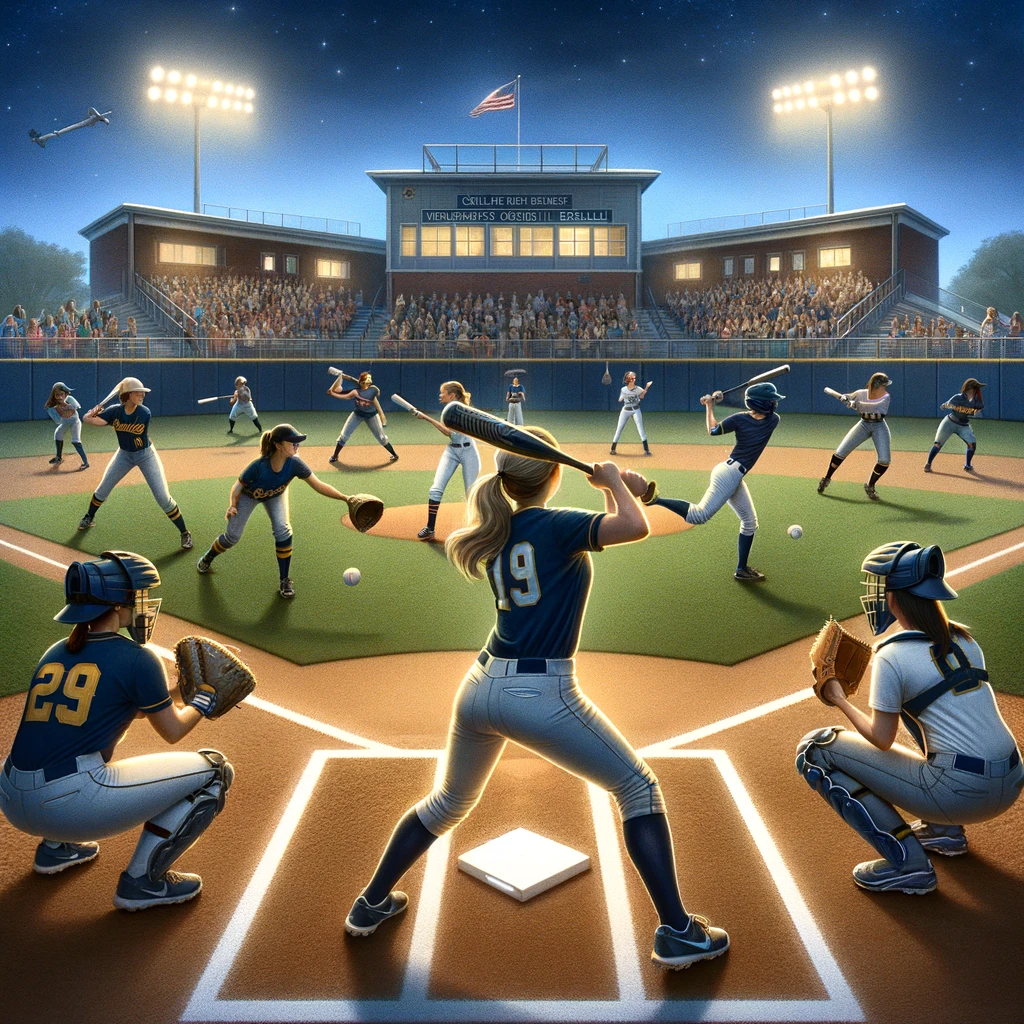
The presence and success of all-women minor league teams in the 1950s and 60s played a pivotal role in challenging societal norms about women in sports. These teams not only entertained fans but also inspired a generation of young girls to dream bigger and challenge gender stereotypes. They served as role models, showcasing strength, skill, and professionalism.
As these teams gained popularity, they started to receive more media attention, further legitimizing women’s participation in professional sports. Newspapers and local TV stations began covering their games, bringing their stories into American homes. This visibility was crucial in changing public perception about women’s sports and paved the way for greater acceptance and support.
Struggles and the Fight for Equality
Despite their skills and growing popularity, women in baseball continued to face significant obstacles. Limited funding, lack of media coverage compared to men’s sports, and societal expectations about women’s roles were constant challenges. These hurdles meant that many talented players had to juggle their sporting careers with other jobs to make ends meet.
Moreover, there was an ongoing struggle for equal facilities, coaching, and opportunities. The players often had to train under less-than-ideal conditions, with limited access to the same quality of equipment or fields that their male counterparts enjoyed. These disparities highlighted the broader issues of gender inequality in sports and beyond.
Legacy and Lasting Influence
The legacy of the first all-women minor league teams is profound and enduring. They paved the way for future generations of female athletes not only in baseball but in all sports. Their struggle for recognition and equality laid the groundwork for movements that would later fight for Title IX legislation in the United States, which transformed women’s sports by mandating equal funding and opportunities in educational institutions.
Today, the impact of these pioneering women is still felt. Their story has inspired documentaries, books, and the famous movie “A League of Their Own”, which brought the story of women in baseball to a wider audience. Memorabilia and stories from these teams are preserved in various sports museums, including the National Baseball Hall of Fame, ensuring that their contributions are not forgotten.
Continuing the Legacy
The journey of women in baseball did not end with these teams. Today, women continue to break barriers in baseball, with more and more female players, coaches, and executives entering the ranks of professional baseball. While there is still a long way to go to achieve full equality, the progress made is a testament to the enduring legacy of those first all-women minor league teams.
Organizations and initiatives dedicated to promoting women in baseball, such as the International Women’s Baseball Center, continue to build on this legacy. They work to provide opportunities, resources, and support for female baseball players at all levels, ensuring that the path blazed by the pioneers of the past continues to be widened for future generations.
Conclusion
The story of the first all-women minor league baseball teams is more than just a chapter in sports history; it is a narrative of breaking barriers and challenging societal norms. These women, with their courage, talent, and resilience, not only changed the game of baseball but also altered the course of women’s sports. Their legacy is a reminder of the power of determination and the importance of equal opportunity in all fields. As we look back on their achievements, we are inspired to continue pushing boundaries, just as they did, and ensure that the playing field is equal for everyone.
Frequently Asked Questions
1. What led to the formation of the first all-women minor league baseball teams?
The formation of the first all-women minor league baseball teams was a culmination of societal changes and the perseverance of trailblazing women determined to make their mark in a male-dominated sport. During World War II, while many male players were serving overseas, women were given opportunities to step onto the baseball field, which paved the way for their participation in the sport. The All-American Girls Professional Baseball League (AAGPBL), which began in 1943, is a testament to this shift. This league showcased daring and talented women who captivated audiences, proving that baseball wasn’t just a man’s game. Over the years, inspired by this, all-women teams began forming at the minor league level, where these passionate and skilled players sought to carve out their own space in the baseball world. Despite the challenges of being taken seriously in a sport with deep-rooted gender norms, these women forged forward, aiming to be recognized as athletes worthy of the same respect as their male counterparts.
2. What challenges did these women face as they pursued careers in minor league baseball?
The journey for women entering minor league baseball was fraught with challenges both on and off the field. Socially, they faced skepticism and, at times, outright hostility from a society that was unaccustomed to seeing women in such physically demanding roles. Many questioned their abilities and questioned the very idea of women playing what was traditionally considered a man’s sport. Economically, these women dealt with inadequate pay and insufficient resources compared to their male counterparts, making it difficult to sustain themselves and their families solely through playing baseball. Additionally, the logistics of travel and accommodation were often more arduous for women, as they had to navigate prejudices and often lacked proper facilities during away games. Despite these obstacles, their unwavering love for the game and dedication to breaking barriers kept them moving forward.
3. What achievements did these pioneering women in baseball accomplish?
The pioneering women in baseball achieved remarkable success both in individual accolades and in advancing the sport for future generations. Many of these groundbreaking players set records with their extraordinary talent and athleticism, proving their mettle alongside male players in exhibition games. Their presence and performance on the field also challenged and expanded the public’s perception of women athletes, laying the groundwork for future opportunities in professional sports. Furthermore, these women established a legacy of perseverance and dedication, serving as role models for young girls who dream of playing baseball at any level. Their contributions significantly influenced the push for gender equality in sports, and their stories continued to inspire long after their playing days ended, contributing to initiatives that encouraged and supported women in baseball.
4. How did the legacy of these women impact the landscape of baseball today?
The legacy of these pioneering women has had a profound and lasting impact on the landscape of baseball today. By breaking into and excelling in a male-dominated sport, they paved the path for more inclusive opportunities and inspired organizations to reevaluate their gender biases. Modern baseball has begun to see a shift towards inclusivity in part due to the foundations laid by these early female players. This has led to an increase in female participation at all levels, including in coaching, management, and leadership roles within professional baseball organizations. Additionally, the narratives of these women have been brought to the forefront through documentaries, films, and books, keeping their legacy alive and influencing current dialogues on gender parity in sports. Their courage and achievements have also inspired similar movements in other sports, showcasing the far-reaching influence these baseball pioneers had beyond their own fields.
5. Are there still opportunities for women in minor league baseball today, and how can women pursue these roles?
Today, there are more opportunities than ever before for women in minor league baseball, though the path still requires determination and resilience. Women are actively playing, officiating, and even occupying coaching and front office positions. Organizations are more consciously striving to create inclusive environments, offering clinics, training programs, and support networks specifically aimed at nurturing female talent in the sport. Aspiring players can explore joining independent leagues and women’s baseball tournaments to build their skills and gain visibility. Scholarships for young women in baseball allow them to pursue collegiate opportunities, which often serve as a springboard into professional roles. Additionally, networking through organizations like the Women’s Baseball Network and other advocacy groups can provide invaluable mentorship and resources. Overall, the landscape is more promising than ever for women wishing to leave their mark on baseball at the minor league level, thanks in large part to the trailblazers who came before them.