
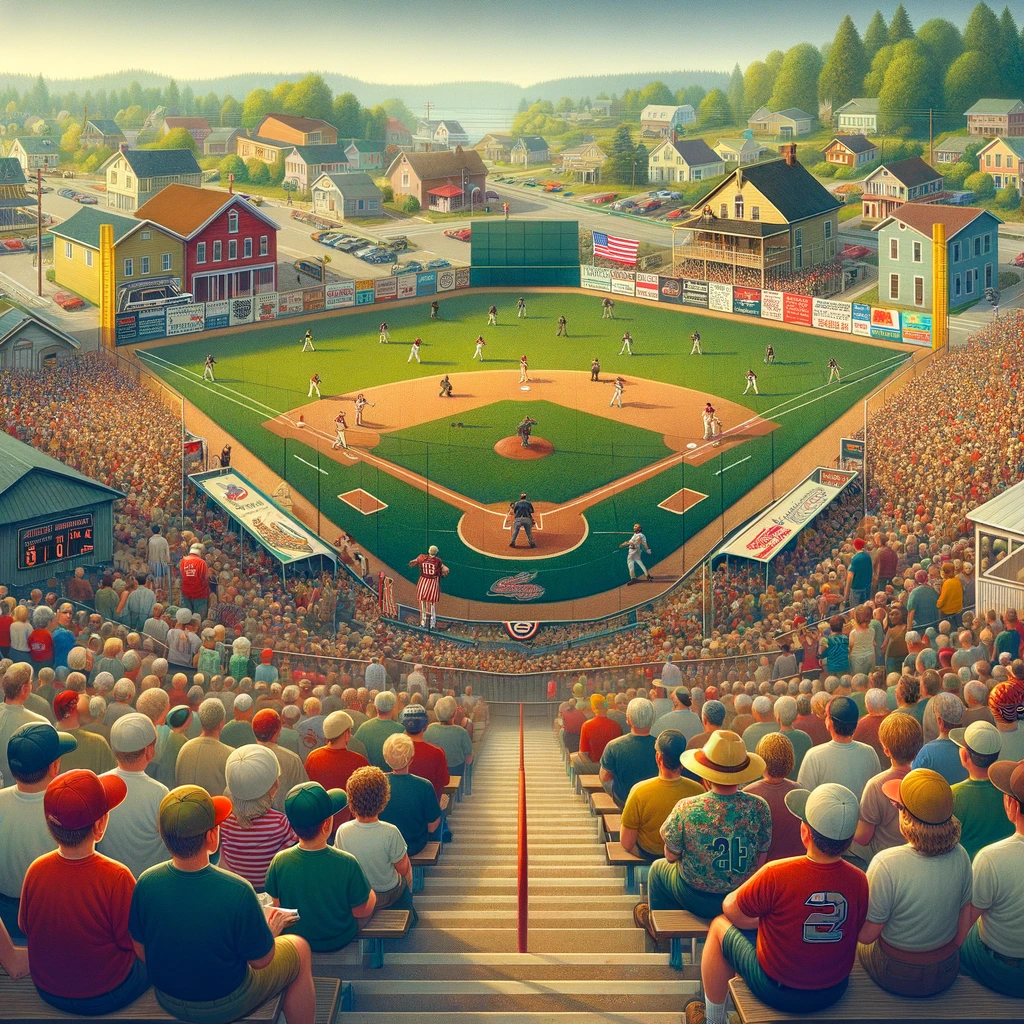
Baseball is more than just a game; it’s a tapestry of stories, aspirations, and community spirit, especially evident in the world of minor league and college baseball. In small towns and cities across America, these teams are not just athletes playing a sport; they’re a vital part of the local culture and community.
Grassroots of the Great Game
The journey of many baseball legends begins in the quaint fields of minor league or college baseball. These platforms offer young athletes a chance to hone their skills, guided not just by dreams of major league glory but by a more immediate, tangible love of the game. The minor leagues, in particular, serve as a critical developmental stage, where future stars learn to refine their craft under less glamorous but equally passionate conditions.
More Than Just a Stepping Stone
While the ultimate goal for many players in these leagues is to reach the majors, the minor leagues are far from just a training ground. They’re a world of their own, filled with unique traditions, local heroes, and a sense of community that major league stadiums can sometimes struggle to match. In towns where the nearest major league team might be hundreds of miles away, the local minor league team often becomes the heart and soul of the community.
The Economic Engine
Beyond the field, these teams are pivotal in driving local economies. The presence of a minor league team can stimulate business for local restaurants, hotels, and shops. Game days bring a flurry of activity, as fans gather, bringing both revenue and life to small town centers. This economic impact, however, extends beyond just dollars and cents; it fosters a sense of pride and communal investment in the success of both the team and the town.
A Catalyst for Community Spirit
These teams also serve as a unifying force, bringing together people from all walks of life. In the stands, local business owners rub shoulders with factory workers, all cheering for the same cause. This unity transcends the game, creating a shared identity that can help bridge societal divides, making the local baseball team a true microcosm of the community.
College Baseball: A Breeding Ground for Talent and Tradition
Turning our attention to college baseball, we find a similar, if not more intensified, community spirit. College teams often draw a loyal following, with alumni and locals alike passionately supporting their teams. These games become events, laden with traditions and a fierce loyalty that can rival any professional sport.
More Than Athletes
College players, many of whom juggle academics with their athletic commitments, become role models within the community. Their dedication and hard work resonate with fans, particularly the younger ones, who see in these players a blueprint for achieving their own dreams, both on and off the field.
The Fabric of Local Lore
In towns with minor league or college teams, the players and the games themselves often become part of the local lore. Legendary games, famous plays, and hometown heroes are passed down through generations, becoming a part of the community’s history and identity. This storytelling not only preserves the history of the sport but also strengthens the community’s connection to its team.
Nurturing Future Generations
Perhaps one of the most significant impacts of these teams is on the youth. Young fans, inspired by the players they watch, dream of taking to the same field one day. Youth leagues and baseball camps, often supported or run by these teams, provide a pathway for these dreams, nurturing the next generation of players and fans alike.
The Challenges Ahead
Of course, the world of minor league and college baseball is not without its challenges. Financial instability, changing affiliations, and the looming shadow of major league baseball all pose threats. However, these challenges also bring communities together, as they rally to support their teams, whether through attendance, fundraising, or advocacy.
Embracing Change
As baseball continues to evolve, so too must these leagues. Adapting to changing demographics, economic landscapes, and even the sport itself is crucial. Yet, these changes often spur innovation, leading to unique promotions, community outreach programs, and efforts to enhance the fan experience, ensuring that these teams remain a vital part of their communities.
A Cultural Melting Pot
Minor league and college baseball games are often celebrated for their inclusive and family-friendly environments. These games serve as a melting pot of cultures, bringing together fans of all ages and backgrounds. This diversity enriches the fan experience, creating a vibrant and dynamic atmosphere that reflects the broader community.
Building Life Skills
For the players, particularly in the college ranks, baseball is a crucible for personal growth. Balancing sports with education, these young athletes learn valuable life skills such as teamwork, discipline, and time management. These skills serve them well beyond the diamond, preparing them for life’s challenges.
The Heartbeat of Hometowns
In many towns, the baseball stadium is more than just a venue; it’s a community hub. From high school graduations to concerts and community events, these stadiums often find a second life beyond baseball. This multipurpose use not only optimizes community resources but also strengthens the bond between the team and its fans.
A Platform for Social Good
Furthermore, minor league and college teams frequently engage in community service and charity work. These efforts range from fundraising for local causes to player appearances at schools and hospitals. Such activities not only give back to the community but also cement the team’s role as a positive force in society.
The Romance of the Game
There’s a certain romance to minor league and college baseball, a sense of nostalgia and simplicity often lost in the commercialized world of professional sports. The crack of a bat, the cheer of the crowd, and the smell of fresh-cut grass create an experience that’s as much about ambiance as it is about the game. These sensory experiences form lasting memories, endearing the sport to fans’ hearts.
The Role of Media and Technology
In today’s digital age, the role of media and technology in promoting these teams cannot be overlooked. Local broadcasts, social media, and online platforms play a crucial role in building and maintaining fan bases, particularly among younger generations. This digital presence not only keeps fans engaged but also brings the experience of minor league and college baseball to a wider audience.
Preserving Tradition While Embracing the Future
As we look to the future, the challenge for minor league and college baseball will be to preserve its rich traditions while adapting to an ever-changing world. This means finding a balance between maintaining the quaint, community-focused essence of the game and embracing innovations that enhance the fan experience and ensure the sport’s longevity.
A Testament to Resilience
The resilience of these leagues, especially in the face of challenges such as the COVID-19 pandemic, speaks volumes about their importance to American culture. Teams and communities alike have shown remarkable adaptability, finding ways to keep the spirit of the game alive even in the toughest of times.
Conclusion
In the end, the story of minor league and college baseball is a story of America itself. It’s a narrative of small towns and big dreams, of community spirit and resilience, of tradition and innovation. These teams are not just playing a game; they’re weaving the very fabric of their communities, creating a legacy that transcends the boundaries of the baseball diamond. As we celebrate the cultural impact of these teams, we’re reminded of the simple yet profound truth: in baseball, as in life, it’s the journey, the people we meet, and the dreams we share that truly matter.
Frequently Asked Questions
1. What is the cultural significance of minor league baseball in small towns and cities?
Minor league baseball holds a special place in the heart of small towns and cities across America, reaching far beyond the realm of sports. It’s not just about the games played on the field; it’s about community engagement, local pride, and shared experiences. These teams often become the centerpiece of community identity, providing a common bond among residents. Stadiums become local landmarks where families gather, local firms sponsor, and traditions are born. For many communities, attending a game is a cherished pastime that links generations.
Moreover, the affordability and accessibility of minor league games compared to their major league counterparts mean that families can participate more easily and regularly. When fans attend games, they not only support the team but also the economic ecosystem surrounding the ballpark, including local restaurants, shops, and hotels. This creates a flourishing environment that benefits the entire community, turning every game into more than just entertainment but a genuine community event.
2. How does minor league baseball contribute to the local economy?
Economically, minor league baseball acts as an essential driver in many local communities. Hosting a baseball team means job creation, both directly and indirectly. From stadium staff and team employees to local vendors and nearby business owners, the ripple effects of the team’s presence are extensive. On game days, parking lots fill, restaurants buzz with pre- and post-game patrons, and local hotels accommodate visiting fans and teams, thereby boosting revenue streams.
Furthermore, minor league franchises often engage in community-centric business practices, such as procuring food and merchandise from local suppliers. This practice not only enhances community relations but also supports local entrepreneurs and nurtures a vibrant, sustainable micro-economy. Additionally, many stadiums host events beyond baseball games, such as concerts and community gatherings, which draw visitors from surrounding areas, further injecting capital into the local economy.
3. What role do minor league teams play in community development and outreach?
Minor league baseball teams take on an essential role in community development and outreach. These organizations frequently host charity events, fundraisers, and community service projects that address local issues and support various causes. Players are often seen volunteering their time at schools, hospitals, and community centers, serving as positive role models for young fans and reinforcing the community’s ethical fabric.
The teams also provide educational opportunities, offering youth clinics and workshops that focus on not only baseball skills but also life skills, fostering a sense of ownership, discipline, and teamwork in young participants. These outreach efforts help to cultivate a strong community bond, enhance the team’s relationship with local residents, and encourage fan loyalty, all while contributing positively to the social fabric of the community.
4. What impact does minor league baseball have on aspiring athletes?
For aspiring athletes, minor league baseball is often a critical stepping stone in their professional careers. It serves as a proving ground where young players hone their skills, gain critical experience, and acclimate to the professional pace of play. The development of future major league stars frequently begins in the trenches of minor league fields, providing players with the opportunity to show their mettle and maturity in a less pressured environment than the major leagues.
Moreover, the personal stories and journeys of these athletes become part of the local lore, inspiring both young fans and aspiring players. By seeing accessible role models who come from similar backgrounds, young athletes are motivated to pursue their dreams, understanding that dedication and hard work can lead to success. This inspiration often transcends sports, teaching valuable life lessons in perseverance and goal-setting.
5. How do minor league baseball teams reflect and enhance local culture?
Minor league baseball teams reflect and enhance local culture in numerous ways. Teams often incorporate local traditions, folklore, and history into their brand identities, from team names and mascots to promotional events and community partnerships. This symbolic representation fosters a strong sense of pride and belonging, establishing cultural touchpoints that resonate deeply with fans.
The stadium atmosphere itself is a microcosm of local culture, where regional culinary delights are celebrated, local accents and languages are heard, and community leaders are honored. By integrating local culture into their operations, minor league teams become a canvas upon which the community paints its identity, fostering an environment where cultural uniqueness is both preserved and celebrated. This dynamic interchange enriches not only the local area’s cultural tapestry but also adds depth and character to the broader baseball tradition.