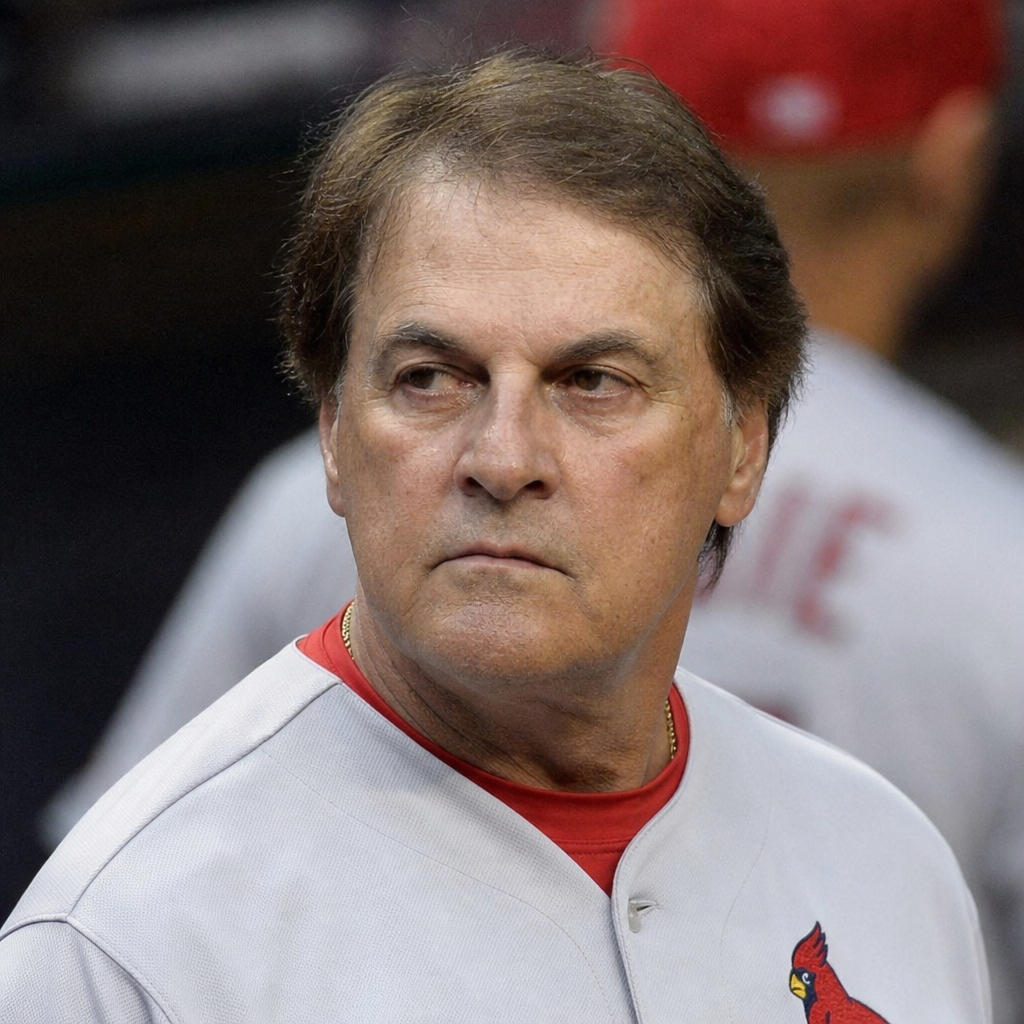
The Tony La Russa DUI incident remains one of the clearest modern case studies in ethics in leadership because it shows how personal misconduct can collide with public authority, organizational reputation, and long-term trust. A driving under the influence arrest is not only a legal event; in a leadership context, it becomes an ethical stress test that exposes whether standards apply equally to high performers, celebrated executives, and public-facing decision makers. When the leader involved is Tony La Russa, a Hall of Fame baseball manager whose career includes multiple World Series titles and decades of influence, the incident carries weight far beyond a routine celebrity controversy. It raises practical questions for teams, employers, boards, fans, and future leaders about accountability, culture, and the line between private failure and professional responsibility.
In plain terms, leadership ethics refers to the principles that guide how people in authority act, especially when no immediate audience is present and when personal convenience conflicts with public duty. A DUI incident involves operating a vehicle while impaired by alcohol or another substance, creating measurable risks to public safety and often triggering criminal penalties, license restrictions, and employment consequences. In sports, where leaders symbolize discipline, preparation, and control, a DUI scandal cuts directly against the values managers routinely demand from players and staff. That contradiction is why the Tony La Russa DUI incident still matters as a leadership topic rather than merely an item in baseball news archives.
I have worked on reputation-sensitive editorial projects and executive communications around misconduct cases, and one pattern always holds: the public rarely separates the act from the role. A manager can claim a lapse in judgment, but stakeholders will ask whether judgment is not the very skill the role exists to supply. That is the central importance of this article within the broader scandals and controversies landscape. This page serves as a hub for miscellaneous cases where the issue is not only what happened, but what the event reveals about ethical consistency, crisis response, and the responsibility leaders carry when their influence extends beyond the workplace.
La Russa’s incident also matters because it sits at the intersection of law, image, and institutional response. Teams are brands. Managers are culture setters. Sponsors and league partners evaluate risk. Fans assess character. Media narratives shape legacy. A single arrest can therefore trigger multiple layers of consequence: legal review, internal discipline, public apology, and long-term reputational recalibration. Understanding the Tony La Russa DUI incident through the lens of ethics in leadership helps readers analyze other miscellaneous controversies with greater precision. The facts of one case differ from another, but the underlying questions repeat: What standard was violated, who was endangered, how was accountability handled, and what does the response teach the organization about itself?
What Happened in the Tony La Russa DUI Incident
Tony La Russa was arrested in Arizona in February 2020 on suspicion of driving under the influence, though the incident became public later in the year after his return to a high-profile managerial role. Reports indicated that officers found him asleep behind the wheel at a traffic light, and court records described a blood alcohol concentration above the legal limit. The details mattered because they undercut any attempt to frame the event as a harmless technical violation. This was not simply a confusing roadside stop. It was an incident involving visible impairment, a public road, and the kind of danger DUI laws are designed to prevent.
When the story surfaced, public reaction was shaped by timing. The Chicago White Sox had just hired La Russa as manager, making the controversy immediately relevant to current leadership rather than retired legacy. That timing intensified scrutiny of the club’s decision-making. In sports ethics, context often determines severity in the court of public opinion. A decades-old off-field issue may be treated as part of personal history. A recent arrest disclosed after a major appointment raises a different issue: whether those responsible for the hiring weighed character, risk, and message to stakeholders carefully enough.
The legal dimension was straightforward. DUI laws exist because impairment reduces reaction time, affects decision-making, and increases crash risk. According to the National Highway Traffic Safety Administration, alcohol-impaired driving remains a persistent cause of roadway deaths in the United States. That wider public safety context matters. Ethical analysis becomes weak when it treats misconduct only as a branding problem. The first issue is harm prevention. A leader who drives impaired does not merely violate optics; he accepts a preventable risk that can injure or kill others.
Why a DUI Becomes a Leadership Ethics Issue
The Tony La Russa DUI incident is best understood as an ethics in leadership case because leadership is inseparable from example-setting. Managers ask athletes to follow rules, maintain conditioning, respect curfews, avoid distractions, and make disciplined decisions under pressure. Those expectations are credible only if the leader demonstrates the same commitment to judgment. Once a leader violates a basic safety law, followers reasonably ask why discipline should flow one way. Ethical leadership is not perfection. It is alignment between stated standards and lived conduct.
There is also a power dimension. Influential leaders often receive second chances that ordinary employees would not. That is precisely why organizations must be deliberate. In my experience reviewing public accountability cases, stakeholders become less angry about the original misconduct than about perceived exceptions afterward. If a franchise treats a star manager more leniently than it would a junior staffer, it signals that status can dilute principle. Culture weakens when people conclude that performance buys moral flexibility.
A DUI by a leader creates four ethical failures at once: disregard for law, disregard for public safety, contradiction of institutional values, and avoidable strain on the organization asked to defend the behavior. Those layers explain why a simple apology is rarely enough. Trust is damaged not only because the leader made a bad choice, but because others must now absorb the consequences of that choice. Players face media questions. front offices justify decisions. community partners manage association risk. fans reassess loyalty. Ethical analysis therefore must account for both direct and distributed harm.
Organizational Accountability and the White Sox Response
The White Sox faced a familiar but difficult challenge: how to balance belief in rehabilitation with the need to uphold standards. Any organization hiring a prominent figure after a recent DUI must answer practical questions. Was there full knowledge of the incident? What due diligence was performed? What behavioral expectations were set? Was discipline meaningful or symbolic? Without credible answers, the organization appears reactive rather than principled.
In professional sports, clubs often emphasize internal handling, but that approach has limits. A leadership controversy involving public safety requires visible accountability because the audience is not limited to employees. The organization owes clarity to season-ticket holders, sponsors, local communities, and league observers. Transparency does not require disclosing every private detail. It does require explaining the decision framework. Why retain or hire the individual? What has changed? What safeguards are now in place? Silence leaves a vacuum that outside critics will fill.
From a governance perspective, this is where boards, ownership groups, presidents, and human resources functions matter even in sports environments that seem personality-driven. Established employers typically rely on conduct policies, risk review, legal counsel, and crisis communications planning. Baseball teams should be no different. Reputation damage can translate into revenue pressure, talent concerns, and internal cynicism if staff believe standards are selectively enforced.
| Leadership question | Why it matters | Best-practice response |
|---|---|---|
| Was the misconduct recent? | Recency affects credibility and risk assessment. | Address timeline directly and explain review steps. |
| Did the leader acknowledge responsibility? | Accountability is the foundation of trust repair. | Require a clear public statement without excuses. |
| Were consequences tangible? | Symbolic penalties rarely change culture. | Link discipline to policy, education, and monitoring. |
| Can the leader still model standards? | Role legitimacy depends on moral authority. | Define expectations and evaluate conduct continuously. |
Reputation, Legacy, and Public Trust
Tony La Russa’s baseball résumé is substantial, which is exactly why the DUI incident had unusual resonance. Accomplishment does not erase misconduct; it complicates how people process it. Fans who admired his competitive intelligence had to reconcile that image with reckless personal behavior. This tension is common in miscellaneous scandals involving famous figures. The public is often not deciding whether the person was talented. It is deciding whether talent should reshape accountability.
Legacy is especially vulnerable when a controversy contradicts the leader’s core brand. La Russa was widely associated with discipline, strategic rigor, and command. A DUI introduces a narrative of lost control. That contrast is memorable, and memorable contradictions often define public memory more than routine success does. We see this pattern across politics, sports, business, and media: the scandal that opposes the brand becomes the shorthand people remember.
Trust also decays in layers. First, people question the act. Next, they question the explanation. Finally, they question the institution that stands behind the person. That last stage is where controversies become systemic. If the public believes an organization excuses misconduct because the individual wins games or draws revenue, the damage extends beyond one leader. It affects every future statement about values, inclusion, safety, and responsibility.
Lessons for Ethical Leadership in Sports and Beyond
The strongest lesson from the Tony La Russa DUI incident is that ethics in leadership begins before a crisis. Leaders need habits, boundaries, and support systems that reduce the odds of high-risk behavior. In practical terms, that means refusing to normalize impaired driving under any circumstances, planning transportation in advance, using ride-share services, and understanding that senior status increases rather than decreases responsibility. Preventable misconduct is often the product of ordinary rationalizations: I am close to home, I feel fine, I have done this before, nothing will happen. Ethical discipline is the act of rejecting those stories before they become headlines.
For organizations, prevention is also operational. Codes of conduct should cover off-duty behavior that creates safety or reputational risk. Executive contracts can include morality or conduct clauses. Training should not be limited to entry-level employees. Senior leaders need scenario-based discussion around judgment, substance use, reporting expectations, and reputational consequences. The National Basketball Association, National Football League, and Major League Baseball have all learned in different ways that policy without consistent enforcement has little value.
The final lesson is about redemption. Accountability and rehabilitation are not opposites. A leader can admit wrongdoing, accept sanctions, change behavior, and rebuild trust over time. But redemption is earned through evidence, not requested through status. The public looks for candor, not image management; changed conduct, not temporary embarrassment; and institutional consistency, not selective forgiveness. Readers exploring this scandals and controversies hub should use that standard across miscellaneous cases. Ask what happened, who was put at risk, how responsibility was handled, and whether the response made future harm less likely. That approach produces better judgment than celebrity loyalty or outrage alone.
Conclusion
The Tony La Russa DUI incident endures as a meaningful ethics in leadership story because it joins a concrete public safety offense to the broader duties of authority. It shows that leaders are judged not only by results, but by restraint, self-governance, and willingness to live under the rules they enforce. It also shows that institutions reveal their own values when they respond. Hiring decisions, public statements, discipline, and transparency all communicate what standards actually govern the organization.
For readers following scandals and controversies, this miscellaneous hub topic is useful precisely because it trains attention on the recurring structure beneath different headlines. The names change. The industries change. The ethical questions do not. Did the leader’s behavior create avoidable harm? Was accountability direct and proportionate? Did the organization defend values or defend convenience? Those are the questions that turn gossip into analysis and controversy into a leadership lesson.
If there is one practical takeaway, it is simple: never treat private judgment as separate from public leadership. In high-responsibility roles, character becomes operational. Review related articles in this hub, compare how other controversies were handled, and use these patterns to evaluate leadership more clearly the next time a scandal breaks.
Frequently Asked Questions
Why is the Tony La Russa DUI incident often discussed as a leadership ethics case rather than only a legal issue?
The Tony La Russa DUI incident is frequently examined through the lens of leadership ethics because the consequences extended beyond the courtroom. A DUI arrest is, at its core, a legal matter involving public safety, personal judgment, and accountability. But when the person involved is a prominent leader, the incident also becomes a test of whether authority figures are expected to live by the same standards they enforce, represent, or benefit from. In leadership, credibility is not built solely on results; it is also built on conduct, consistency, and trustworthiness.
This is what makes the incident such a valuable case study. A successful public figure may have a long record of achievement, but ethical leadership requires more than performance. It requires self-governance, awareness of consequences, and respect for the standards that apply to everyone else. When a leader is accused of conduct that endangers others or contradicts the image of discipline and responsibility associated with leadership, the issue quickly becomes symbolic. People begin asking larger questions: Does success create a double standard? Will institutions protect powerful individuals? Can followers trust a leader whose personal behavior appears to conflict with public responsibility?
That broader ethical dimension is why the incident remains relevant. It illustrates how personal misconduct can affect institutional legitimacy, public confidence, and the moral authority of leadership itself. Even if a leader’s formal job performance is strong, ethical lapses can reshape how stakeholders interpret every future decision. In that sense, the case is not merely about one arrest; it is about the relationship between private choices and public leadership.
What ethical leadership lessons can be learned from the Tony La Russa DUI incident?
One of the clearest lessons is that leadership does not create immunity from ethical expectations. In fact, it raises them. Leaders are highly visible, and their actions are often treated as signals of what an organization or culture is willing to tolerate. When a respected or accomplished leader is involved in a DUI incident, the lesson is not simply that mistakes happen. The deeper lesson is that judgment, restraint, and accountability matter most when someone has the power, status, and resources to know better and do better.
A second major lesson is that reputation can be damaged by a single moment of misconduct, especially when that misconduct suggests preventable recklessness. Ethical leadership depends heavily on trust, and trust is tied to predictability. People want to believe that leaders will make sound decisions under pressure, act responsibly when no one is watching, and understand that their choices affect others. A DUI incident undermines those assumptions because it points to a failure in decision-making at a basic level: the decision to drive after drinking despite the obvious risk.
Another important lesson involves accountability. Ethical leadership is not defined by perfection; it is defined by how a person responds after failure. Stakeholders pay attention to whether the leader accepts responsibility, avoids excuses, acknowledges harm, and takes meaningful corrective action. A defensive or minimizing response can deepen the ethical problem, while a candid and accountable response can begin the process of restoring trust. That does not erase the misconduct, but it does demonstrate whether the leader understands the seriousness of the breach.
Finally, the incident teaches that organizations must be prepared to separate admiration from ethical evaluation. A celebrated record, strong performance, or iconic status should not prevent honest scrutiny. If anything, high achievement makes accountability more important, because influential leaders shape norms far beyond their own role. The enduring value of this case is that it forces a direct confrontation with a difficult truth: excellence in one domain does not excuse ethical failure in another.
How can a leader’s personal misconduct, such as a DUI, affect an organization’s reputation and internal culture?
A leader’s personal misconduct can have a significant ripple effect because stakeholders rarely view leadership behavior in isolation. For employees, fans, partners, investors, or the public, a prominent incident like a DUI can raise doubts about organizational judgment as a whole. People start looking not only at the individual but also at the institution around that individual. They ask whether warning signs were ignored, whether standards will be enforced fairly, and whether the organization values integrity as much as it claims to.
Reputation is especially vulnerable because public trust depends on alignment between words and actions. Many organizations speak openly about responsibility, discipline, safety, respect, and accountability. When a visible leader becomes associated with behavior that violates those values, the organization can appear inconsistent or performative. Even if the misconduct was personal and occurred outside official duties, the symbolic connection remains strong. Public-facing leaders inevitably carry their institution’s image with them, and their failures can become reputational liabilities.
Internally, the cultural impact can be just as serious. Employees often watch closely to see what happens after a high-profile ethical lapse. If a powerful leader is treated gently while lower-level employees would likely face harsher consequences for less visible misconduct, morale can suffer. Unequal accountability breeds cynicism. It tells people that standards may be negotiable for top performers, and that message can weaken ethical culture across the board. Over time, that kind of inconsistency erodes confidence in leadership, policy enforcement, and the fairness of the workplace.
On the other hand, a difficult incident can also become a turning point if the organization responds well. Clear communication, fair discipline, transparent expectations, and renewed emphasis on values can help reinforce a culture of accountability. That is why this kind of case matters so much in leadership ethics. The damage is not limited to the act itself; it depends heavily on what the organization chooses to tolerate, defend, or correct afterward.
Should past success or public stature influence how a leadership figure is judged after a DUI incident?
Past success may shape how people emotionally respond to a leader, but ethically it should not reduce the seriousness of the conduct. In fact, one of the central tensions in leadership ethics is the temptation to give exceptional treatment to exceptional performers. A highly successful leader often builds goodwill over years of achievement, and supporters may argue that one incident should not outweigh a long, distinguished career. That reaction is understandable on a human level, but it becomes dangerous when it turns into a softer standard of accountability.
Ethical judgment should focus on the conduct, the risk created, the leader’s response, and the consistency of the standards being applied. Public stature does not diminish the danger of impaired driving, nor does it erase the message sent when a prominent figure appears insulated from consequences. If anything, visibility increases responsibility because influential leaders model behavior for others and occupy positions that depend on public confidence. A celebrated record may provide context, but it should not function as a moral discount.
That said, leadership ethics also allows room for proportionality and growth. The question is not whether a leader’s entire legacy should be erased by one incident, but whether the incident is confronted honestly and judged fairly. People can acknowledge decades of accomplishment while still insisting on real accountability for misconduct. Those two ideas are not contradictory. In fact, they are both necessary for mature ethical analysis. A leader’s achievements deserve recognition, but they do not nullify the expectation of responsibility.
Ultimately, the strongest ethical position is one that resists both extremes: neither blind condemnation that ignores complexity nor blind loyalty that excuses harmful behavior. The incident should be evaluated on its merits, with special attention to whether the leader accepts responsibility and whether the organization applies its principles consistently. That balance is what protects both fairness and integrity.
What does an ethical organizational response look like when a high-profile leader is involved in a DUI incident?
An ethical organizational response begins with clarity: the incident must be taken seriously as both a legal matter and a values-based issue. Organizations should avoid reflexive defensiveness, vague statements, or messaging that appears designed only to protect the brand. Instead, they should communicate in a way that acknowledges the seriousness of impaired driving, recognizes the public concern, and confirms that the matter will be addressed under established standards. The tone matters. People can usually tell the difference between accountability and damage control.
Consistency is the next essential element. Ethical organizations do not invent one process for powerful leaders and another for everyone else. They review the facts, apply policies fairly, and make decisions that align with their stated values. That does not always mean identical outcomes in every case, because roles and circumstances differ, but it does mean that influence, fame, or past success should not become shields against meaningful consequences. When organizations fail at this step, they often create a second scandal: not the original misconduct, but the perception of favoritism.
A strong response also includes responsibility-focused action. Depending on the circumstances, that may involve discipline, public acknowledgment, internal review, counseling or treatment requirements, and clearly articulated expectations for future conduct. If the leader remains in position, the organization should be prepared to explain why that decision is consistent with its values and what safeguards or corrective steps are in place. Silence or ambiguity tends to weaken trust, while specificity helps demonstrate seriousness.
Finally, the most ethical responses treat the incident as a moment for institutional reflection, not just individual management. Organizations should ask whether their culture, oversight, and leadership expectations are robust enough to withstand ethical stress. They may use the incident to reinforce training, clarify standards, and recommit to the principle that no one is above accountability. That is ultimately the key lesson in cases like the Tony La Russa DUI incident: the true ethical measure is not only what the