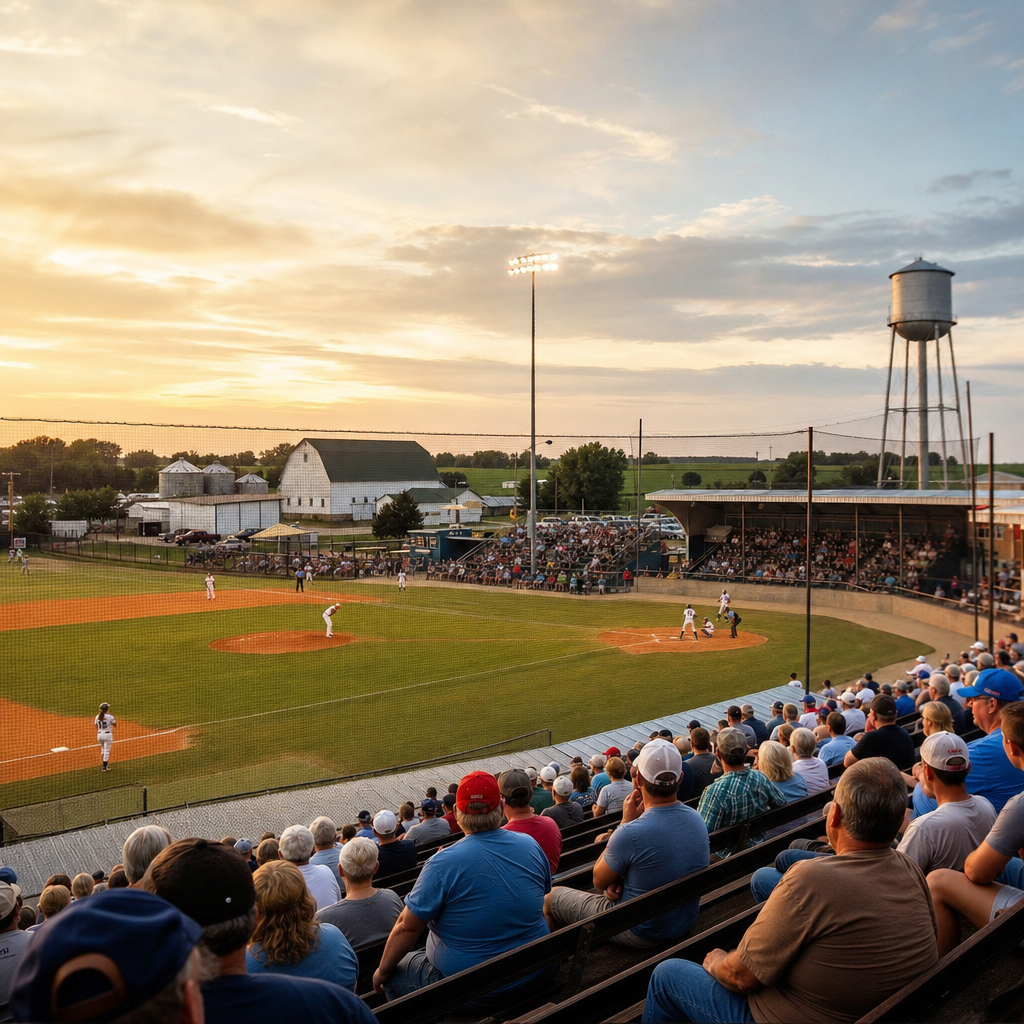
Rural minor league baseball is one of the sport’s most durable traditions, linking small towns to the professional game through affordable entertainment, local identity, and player development. In this context, “rural” does not simply mean remote farmland; it describes communities outside major metropolitan corridors where the ballpark is woven into weekly life, downtown business, and civic pride. “Minor league teams” includes affiliated clubs tied to Major League Baseball organizations, independent teams, summer collegiate programs with similar community functions, and historic clubs that shaped regional baseball culture. I have worked around lower-level baseball operations and community sports marketing long enough to see the pattern clearly: when a rural team thrives, it rarely does so on ticket sales alone. It thrives because it becomes a gathering place, a storytelling engine, and an economic anchor.
That is why celebrating rural minor league teams matters. These clubs preserve baseball’s accessibility at a moment when top-tier sports can feel expensive, distant, and corporate. They also give fans a version of the game where player development is visible, staff members are approachable, and traditions still feel handmade rather than focus-grouped. A child in Iowa, North Carolina, Montana, or western Pennsylvania can collect autographs along the rail, hear cleats on concrete, and watch a future major leaguer before national media notices him. At the same time, local sponsors, school groups, and volunteer organizations use the ballpark as shared civic space. This hub article covers the full miscellaneous landscape within rural minor league baseball: history, economics, fan culture, travel, branding, stadiums, player pathways, and the broader role these teams play across the baseball ecosystem.
Why rural minor league teams still matter
Rural minor league teams matter because they solve three problems at once: they provide low-cost live entertainment, strengthen local identity, and keep baseball visible in communities far from major league markets. In practical terms, a family of four can attend many small-town games for less than the price of one upper-deck major league outing once parking, concessions, and fees are added. That affordability is not a side benefit; it is the product. Teams package baseball with fireworks, church nights, Little League parades, and school recognition ceremonies because they understand the event must serve the whole town, not just dedicated scorekeepers.
The community function is just as important. In larger cities, sports fandom can be fragmented by neighborhood, income, and traffic patterns. In rural markets, the ballpark often concentrates civic life. You see farm suppliers advertising on the outfield wall beside hospitals, diners, banks, and hardware stores. Local radio still matters. Host families may support players during the season. Front-office staffs are small enough that the general manager may also manage sponsorship calls, tarp pulls, and media interviews in the same day. That operational intimacy creates loyalty. Fans return not because the team always wins, but because the team visibly belongs to them.
The historical roots of small-town baseball culture
Baseball took hold in small towns long before modern farm systems standardized player movement. Rail lines, factory schedules, military posts, and agricultural calendars all influenced where teams formed and when leagues operated. In the late nineteenth and early twentieth centuries, many rural or semi-rural clubs existed in unstable circuits, yet they established the pattern still recognizable today: local businessmen funded operations, newspapers amplified rivalries, and the ballpark became a stage for regional competition. Textile towns in the Carolinas, mining communities in Appalachia, and agricultural centers across the Midwest all built identities around baseball clubs that reflected local labor and local ambition.
Even after league realignment, contraction, and the recent restructuring of affiliated baseball, the cultural memory of those teams did not disappear. Historic names, throwback uniforms, and museum exhibits keep continuity alive. Fans in places such as Kinston, Durham’s earlier tobacco-era circuits, or Montana’s longtime independent baseball markets often remember generations through the teams they watched. That historical layering is a major reason rural baseball retains emotional power. The club is not just this summer’s roster. It is a chain of grandparents, parents, and children attending the same field, telling the same stories about hot nights, long bus rides, and the prospect who came through town before reaching the majors.
Economic impact beyond the box score
How much do rural minor league teams contribute economically? Usually more than a narrow ticket-revenue analysis suggests. The direct impact includes tickets, concessions, merchandise, sponsorships, and seasonal payroll. The indirect impact is often larger relative to market size: pregame dinners at local restaurants, overnight stays for visiting families, supplier contracts, and repeated downtown foot traffic on game nights. For smaller municipalities, even modest activity matters because the stadium calendar creates reliable bursts of commerce. A 66-game home schedule, or even a shorter independent or summer collegiate slate, can support businesses that depend on steady seasonal demand.
There are limits, and honest analysis requires stating them. Stadium projects do not automatically transform local economies, and public financing can be contentious. The most successful rural baseball markets pair realistic facility investment with disciplined operations and year-round venue use. Baseball alone rarely justifies a poorly planned complex. Baseball combined with concerts, community events, youth tournaments, and corporate rentals often does. Teams that understand this distinction tend to last longer. They treat the venue as a civic asset and the season as an anchor tenant model rather than a single-purpose entertainment business.
| Area | How rural teams create value | Example in practice |
|---|---|---|
| Downtown business | Game-night foot traffic supports restaurants, bars, and shops | Fans arrive early for dinner and stay after fireworks |
| Tourism | Regional road-trippers visit multiple parks in one weekend | Independent league series draws out-of-county visitors |
| Employment | Seasonal jobs train students in hospitality and operations | College interns work ticketing, social media, and grounds crew |
| Civic programming | Ballparks host fundraisers, school nights, and nonprofit events | Local charities use concourses for auctions and awareness campaigns |
Ballparks as community infrastructure
A rural minor league ballpark is not merely a sports venue. It is community infrastructure, and the design choices reveal how teams understand their role. Older parks may feature aluminum bleachers, intimate sightlines, and simple concourses, while newer facilities add picnic berms, kids’ zones, club spaces, and flexible hospitality areas. The best small-market parks do not chase luxury for its own sake. They prioritize comfort, circulation, shade, clean restrooms, reliable concessions, and visibility for local sponsors. Those fundamentals matter more than a long list of premium amenities that the market cannot consistently support.
From an operations standpoint, groundskeeping and maintenance are central to credibility. Fans notice field quality, drainage, and lighting even if they do not use technical language. Players certainly notice. A well-maintained infield reduces injury risk and improves the quality of play; a poor surface affects development and reputation. I have seen rural clubs earn strong word of mouth simply because the park felt cared for. That impression carries into weddings, school ceremonies, and offseason rentals. When a town invests in a ballpark that functions year-round, baseball becomes part of a broader place-making strategy instead of an isolated seasonal expense.
Branding, mascots, and the art of local identity
Some of the most inventive team brands in baseball come from smaller markets because rural teams must be memorable with limited media budgets. A strong identity usually starts with local references: crops, animals, geography, mill history, railroad heritage, folklore, or regional humor. The point is not eccentricity alone. The point is recognizability. If a mascot, cap logo, or alternate jersey can instantly signal place, the team has created merchandise value and civic ownership at the same time. That is why small-town clubs often outperform expectations in hat sales and themed promotions.
Branding also helps teams navigate changes in affiliation or league status. Players and coaches turn over quickly, but the local identity remains stable. A rural fan may not know the full top-30 prospects list for the parent club, yet that same fan knows the mascot, the between-innings traditions, and the annual heritage night schedule. This is one reason independent teams can survive without affiliation: the community bond can outweigh the absence of direct major league pipeline branding. Clubs that balance authenticity with smart design work, social media consistency, and clear merchandise strategy create identities durable enough to survive baseball’s structural changes.
Player development and the fan experience
One of rural baseball’s greatest strengths is proximity to player development. Fans can watch prospects learn in real time, not as polished stars but as incomplete professionals adapting to longer seasons, better competition, and the routines of the sport. That matters because development is rarely linear. A pitcher may arrive with velocity but no command. A shortstop may show elite defense while struggling against advanced breaking balls. In a rural setting, fans often witness the before stage of a major league career, which gives ordinary games unusual significance. The memory of “I saw him here first” is part of the product.
This closeness also humanizes the system. After games, players may sign autographs near dugouts or interact at youth clinics. Host-family arrangements, still common in certain leagues and developmental levels, deepen community connection. At the same time, the reality is demanding. Salaries in many lower levels have historically been modest, travel can be exhausting, and daily schedules are repetitive. Fans who understand that grind tend to appreciate the game more. They see not just future stars, but working athletes refining mechanics, nutrition, recovery, and mental routines under pressure. Rural teams turn abstract development into something visible and personal.
The travel experience: why baseball road trips belong in small towns
For many fans, the best way to appreciate rural minor league baseball is to build a road trip around it. Small-town parks reward deliberate travel because they offer variety impossible to replicate in standardized major league environments. You might watch a game beside mountains, cornfields, a riverfront, or a historic downtown district within walking distance of the stadium gate. The pace is different. Parking is easier. Staff members are more likely to answer questions in detail. Local food options often outperform generic concession expectations, especially when teams integrate regional barbecue, farm products, or long-established hometown vendors.
Road-tripping also reveals the ecosystem quality of minor league and related baseball. One weekend can connect several communities, each with a distinct style of presentation. Some markets emphasize tradition, with scorecards, brass-band atmosphere, and old signage. Others lean into experimental promotions, craft beer decks, and playful alternate identities. For baseball travelers, that diversity is the appeal. A good itinerary includes museum stops, local diners, and nearby amateur or college games, creating a fuller picture of how baseball lives outside headline markets. If this hub leads you anywhere, it should lead you to an actual seat in an actual small-town park.
Challenges facing rural teams today
Rural minor league teams face real pressure, and sentiment alone will not protect them. Population stagnation or decline can shrink the season-ticket base. Corporate sponsorship is harder to replace in towns without large employers. League restructuring has reduced affiliated opportunities in some regions, forcing communities to pivot toward independent or summer collegiate models. Rising costs in labor, insurance, utilities, and facility upkeep can overwhelm ownership groups operating on thin margins. Weather volatility adds another layer, especially for teams whose financial model depends on weekend gates and postgame promotions.
Digital entertainment is another challenge, though not always in the obvious way. The issue is less that streaming replaces baseball directly and more that leisure time is fragmented. Teams now compete with youth travel sports, social media, concerts, and at-home convenience. The clubs that adapt best invest in customer relationship management, mobile ticketing, flexible mini-plans, and segmented promotions for families, retirees, schools, and young adults. They also communicate clearly about what makes the live experience different: intimacy, affordability, tradition, and belonging. Rural baseball survives when it acts like a disciplined local business, not when it assumes nostalgia alone will fill seats.
How this hub connects the broader miscellaneous landscape
As a hub within the broader minor leagues and college baseball topic, this page brings together the miscellaneous elements that make rural teams worth following beyond standings and prospect rankings. Readers exploring this subject usually want practical answers: What kinds of teams operate in rural markets? How do affiliations, independent leagues, and summer collegiate clubs differ? Why do certain brands become beloved? What makes one ballpark thrive while another struggles? How do road trips, local sponsorships, host families, and stadium financing fit into the bigger picture? This article is designed to answer those core questions directly while pointing toward deeper subtopics.
The central takeaway is simple. Rural minor league baseball endures because it offers something many modern sports products no longer do: genuine closeness between team and town. It preserves baseball history, supports local business, develops players, and gives families an affordable reason to gather in person. It also demands realistic management, steady community support, and facilities built for long-term use. If you care about the future of baseball below the major league level, start with the rural clubs that keep the game rooted in everyday America. Visit a park, buy a ticket, follow a team, and help sustain the heartland of baseball for the next generation.
Frequently Asked Questions
What makes rural minor league baseball so important to small-town communities?
Rural minor league baseball matters because it does much more than provide a game to watch on a summer night. In many smaller communities, the local ballpark functions as a gathering place where neighbors, families, schools, and businesses regularly come together. The team becomes part of the town’s rhythm, shaping weekends, supporting downtown activity, and giving residents a shared source of pride. Unlike major league sports, which can feel distant and expensive, rural minor league teams are accessible. Fans often know front-office staff, recognize players around town, and see local organizations involved in promotions, fundraisers, and ceremonial first pitches. That closeness creates a level of civic connection that is hard to replicate in larger markets.
These teams also help strengthen local identity. A rural club’s name, logo, traditions, and ballpark atmosphere often reflect regional history, agriculture, industry, or folklore, allowing baseball to become a living expression of place. For many towns, supporting the team is also a way of supporting the broader local economy, since game nights can benefit restaurants, shops, hotels, and seasonal workers. Just as importantly, rural minor league baseball links small communities to the larger professional game. Fans get to see prospects developing, coaches building careers, and future major leaguers passing through their town. That combination of hometown intimacy and connection to baseball’s wider ecosystem is what makes rural minor league teams such a durable and meaningful tradition.
How do rural minor league teams contribute to player development and the broader baseball system?
Rural minor league teams are a vital part of baseball’s development pipeline because they provide players with the competitive environment needed to grow from raw talent into polished professionals. For affiliated clubs tied to Major League Baseball organizations, these teams serve as structured training grounds where players refine mechanics, build consistency, learn advanced strategy, and adjust to the demands of a long season. Hitting coaches, pitching coaches, strength staff, trainers, and analytics personnel all contribute to that process, but the actual game environment matters just as much. In smaller towns, players still face real pressure to perform, travel demands, clubhouse expectations, and the daily routine that defines professional baseball. Those experiences are essential in preparing them for higher levels of the sport.
Rural clubs also serve an important role beyond affiliated baseball. Independent league teams and collegiate summer clubs often give overlooked, undrafted, recovering, or late-blooming players a chance to continue developing when other doors might appear closed. In that sense, rural baseball communities help preserve opportunity within the sport. They become places where players can rebuild confidence, showcase improvement, and continue chasing advancement. For fans, this means the ballpark is not just hosting entertainment; it is hosting a formative stage in many baseball careers. Watching a game in a rural minor league setting often means seeing both present community tradition and future professional talent at the same time.
What does “rural” mean in the context of minor league baseball?
In this context, “rural” does not simply refer to isolated farmland or sparsely populated territory. It more accurately describes communities outside major metropolitan corridors where baseball occupies a central, visible place in civic life. These are often small cities, regional hubs, county-seat towns, or modest population centers that may not be remote in the strictest geographic sense but are culturally distinct from large urban sports markets. In these places, the team is woven into everyday life. The ballpark may sit near downtown, local sponsors may be immediately recognizable to fans, and the crowd may include generations of families who treat attending games as a longstanding community ritual.
That definition matters because it highlights how rural minor league baseball is really about social scale and local connection. In a rural baseball setting, fans are not just anonymous ticket buyers; they are participants in a community institution. Schools may partner with the team, youth leagues may parade on the field, and nearby businesses may rely on the extra traffic generated by home stands. The atmosphere is often more intimate, personal, and community-driven than in large urban venues. So when people celebrate rural minor league teams, they are usually celebrating a form of baseball culture rooted in familiarity, accessibility, regional character, and the idea that the team belongs to the town in a very direct way.
Why do fans find rural minor league games more affordable and personal than bigger professional sports experiences?
One of the biggest appeals of rural minor league baseball is that it offers a high-quality sports experience without the cost barriers commonly associated with major professional leagues. Ticket prices are usually lower, parking is often easier and less expensive, and concessions and family packages tend to be designed with repeat local attendance in mind. That affordability allows people to treat baseball as a regular part of life rather than a rare splurge. Families can attend multiple games each season, youth teams can come in groups, and local residents can build routines around the home schedule. This consistency helps deepen loyalty because fans are not just showing up once; they are returning often enough to feel genuinely connected to the team.
The experience also feels more personal because rural minor league organizations usually operate at a community scale. Players may sign autographs more freely, mascots and staff may interact directly with fans, and promotional nights often reflect local traditions rather than generic entertainment formulas. The ballpark environment tends to invite conversation, familiarity, and recognition. Fans may know ushers, sponsors, broadcasters, or season-ticket holders by name, and that changes the emotional texture of attending a game. Instead of feeling like one consumer among thousands, people often feel like participants in a shared local event. That personal dimension, combined with affordability, is a major reason rural minor league baseball continues to resonate across generations.
What challenges do rural minor league teams face, and why are they still worth celebrating?
Rural minor league teams face a number of serious challenges, including financial pressures, changing league structures, travel logistics, facility requirements, fluctuating attendance, and competition from digital entertainment. Smaller markets can have fewer corporate sponsors, limited public funding options, and less margin for error when weather, economic downturns, or operational costs affect revenue. In recent years, broader changes in professional baseball have also reshaped affiliations and reduced opportunities for some communities, making the future less predictable for certain clubs. For independent and collegiate teams, sustaining visibility and consistent fan support can be especially demanding, since they may not have the same organizational backing as MLB-affiliated franchises.
Even with those pressures, rural minor league teams remain worth celebrating because they preserve a version of baseball that is deeply human, local, and intergenerational. They keep the sport connected to ordinary places and everyday people, not just major media markets. They create jobs, support downtown districts, offer affordable recreation, and give young fans a direct relationship with the game. They also embody resilience. Many of these teams survive because communities believe they matter, and that belief says something powerful about baseball’s role in American life. Celebrating rural minor league teams means recognizing not only their entertainment value, but also their cultural importance as institutions that sustain memory, identity, and connection in places where the ballpark still serves as a true civic center.