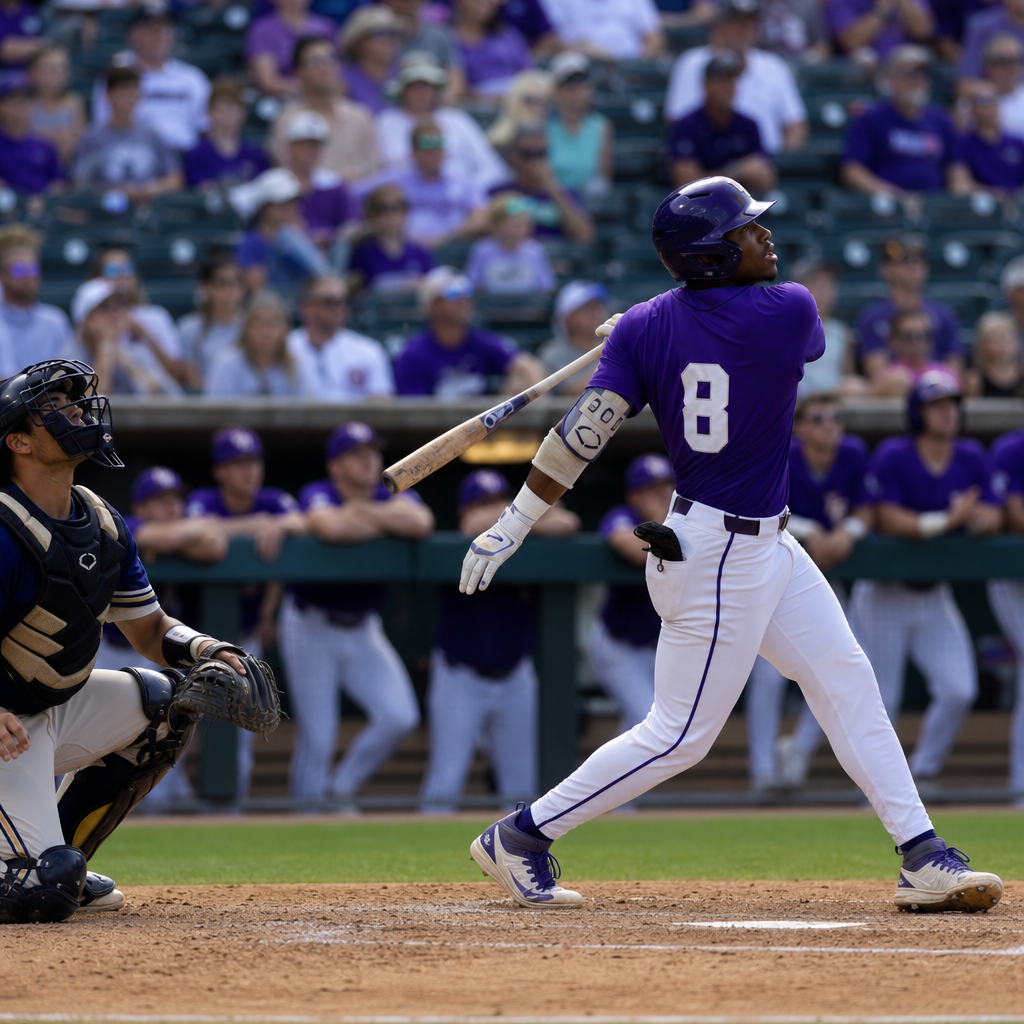
College baseball has changed more in the past decade than many programs changed in the previous fifty years. The sport still carries familiar sights—spring weekends, aluminum bats, conference races, and the road to Omaha—but the structure around it now looks different. Scholarships are managed differently, recruiting has been overhauled, player development is increasingly data driven, transfer movement is constant, and media exposure is broader than at any point in the NCAA era. For readers exploring Minor Leagues and College Baseball, this miscellaneous hub explains the major trends and transformations shaping the modern college game and why they matter to players, coaches, parents, scouts, and fans.
College baseball refers primarily to NCAA baseball, led by Division I, with important ecosystems in Division II, Division III, NAIA, and junior college baseball. “Trends” are the patterns changing how the sport operates, such as roster construction, portal activity, and technology use. “Transformations” are deeper structural shifts, including conference realignment, new eligibility decisions, and the evolving relationship between college baseball and professional development. I have worked around recruiting boards, player reports, and program planning conversations long enough to see that these changes are not abstract policy debates. They affect who gets roster spots, how athletes develop, where coaches spend money, and how quickly a player can raise or lower his draft stock.
This topic matters because college baseball now sits at the center of the North American talent pipeline in a more visible way. Major League Baseball clubs rely heavily on college performance data, summer league track records, and biomechanical reports when evaluating draft prospects. Families make six-figure education decisions based on partial scholarship structures and transfer opportunities. Coaches build competitive programs while managing academics, compliance, travel, and retention. Fans also benefit from understanding the bigger picture, because many developments that seem random—an ace transferring, a mid-major losing its coach, a freshman arriving more polished than expected—are products of clear forces reshaping the sport.
Roster building, scholarships, and the transfer era
The most obvious transformation in college baseball is how rosters are built. Unlike head-count sports, baseball has long operated with limited scholarship money spread across large rosters, especially in Division I. That reality created a layered recruiting model: a few players on strong aid packages, many on partial athletic aid, and others paying significant costs while competing for innings and leverage. Coaches still work within budget constraints, but roster strategy has become much more fluid because transfers can fill immediate needs faster than high school recruits can develop. If a team loses weekend innings, a catcher, or left-handed power, the staff no longer has to wait two years for a class to mature.
The transfer portal changed both speed and leverage. Players who are blocked on depth charts, mismatched academically, or seeking stronger competition can move with greater visibility, and coaches now monitor portal entrants almost like a second recruiting class. In practical terms, this means roster management never stops. A program can sign high school players in the fall, chase portal pitching in late spring, and retain its own contributors through summer conversations. The upside is better player-program fit. The downside is less continuity and more annual volatility, especially for mid-majors that develop talent only to see older players leave for power conferences.
Eligibility adjustments from the pandemic era also created unusual roster congestion that rippled through recruiting cycles. Veteran players stayed longer, incoming classes arrived into crowded clubhouses, and many high school athletes found fewer clean paths to immediate playing time. Even as that backlog eases, the lesson remains: college baseball roster planning is now a year-round exercise in balancing development, retention, and replacement. The best staffs treat scholarship allocation, portal scouting, and player communication as one integrated system rather than separate jobs.
Recruiting is earlier, smarter, and more disciplined
Recruiting used to reward sheer volume: more tournaments, more cross-checking, more phone calls, more broad projection bets. Today, strong programs are more selective and more disciplined. NCAA rule changes altered communication timelines and official visit structures, reducing some of the earliest chaos, but recruiting remains highly competitive. Coaches now combine live looks with verified performance data, academic screening, makeup evaluation, and detailed risk assessment. A pitcher throwing 92 mph at seventeen will get attention, but so will his strike percentage, delivery efficiency, injury history, body composition, and ability to spin a breaking ball with usable shape.
Showcase culture, travel ball, and summer circuits still matter, yet the smartest evaluators do not treat a single event as destiny. They compare performance across contexts: high school competition, summer wood-bat leagues, strength gains, and consistency over time. I have seen players gain offers not because they posted the loudest single batting practice round, but because they repeatedly controlled the strike zone, defended premium positions, and handled velocity under game pressure. That is the kind of profile college staffs trust.
Another important change is the widening route into four-year baseball. Junior colleges remain crucial for late bloomers, players needing academic repair, and prospects wanting everyday reps before re-entering the recruiting market. Division II, Division III, and NAIA programs also serve athletes overlooked by Division I staffs or miscast by early recruiting assumptions. For many families, the right question is no longer “How do I get to Division I immediately?” but “Which level gives me innings, development, and a realistic path to improve?” That shift has made the broader college baseball landscape more interconnected.
Player development now runs on data, technology, and individualized plans
If one force best explains the changing face of college baseball, it is the rise of modern player development. Strong programs no longer rely only on tradition, batting practice volume, and coach intuition. They use force plates, ball-tracking systems, bat sensors, high-speed video, motion capture, sleep monitoring, and structured strength programs to make development measurable. Tools such as TrackMan, Rapsodo, Blast Motion, Edgertronic cameras, and VALD systems are common in top programs and increasingly present at smaller schools. The purpose is straightforward: turn broad coaching ideas into precise interventions.
For pitchers, this means understanding velocity, spin efficiency, induced vertical break, horizontal movement, release height, extension, and workload tolerance. For hitters, it means analyzing attack angle, bat speed, swing decisions, contact quality, chase rate, and performance against specific pitch shapes. Good staffs do not drown players in numbers; they translate numbers into plain language. A coach may tell a reliever that his fastball plays best at the top of the zone because its carry profile misses barrels there, or tell a hitter that his value comes from controlling the inner third and lifting middle-in pitches instead of expanding away.
| Area | Common tools | How programs use them |
|---|---|---|
| Pitching | TrackMan, Rapsodo, high-speed video | Shape pitch mix, monitor spin and movement, improve command plans |
| Hitting | Blast Motion, ball tracking, video analysis | Refine swing decisions, bat path, contact quality, and approach |
| Strength and health | Force plates, workload logs, recovery testing | Manage fatigue, reduce injury risk, and individualize training blocks |
| Defense and catching | Video, pop-time timing, throw metrics | Improve transfer efficiency, footwork, receiving, and positioning |
The major benefit is individualization. Not every pitcher should chase the same velocity goal, and not every hitter should copy the same swing model. The major limitation is that technology can create false confidence if staffs ignore context, competitive instincts, or health history. The best development environments combine analytics with honest coaching, sports medicine input, and role clarity.
The road to pro baseball is more connected to campus than ever
College baseball has become a more direct part of the professional pipeline. MLB organizations increasingly value college players because they bring stronger competition records, larger data samples, and more mature bodies than many high school draftees. That does not mean prep talent is less important; it means college programs now function as sophisticated development environments that can add substantial draft value in two or three seasons. A lightly recruited infielder can become a top prospect through physical gains, improved swing decisions, wood-bat summer performance, and defensive versatility. A reliever can become a starter if he adds a fourth pitch and demonstrates starter workload capacity.
The Cape Cod Baseball League remains the most visible summer proving ground, but it is not the only one. The Northwoods League, Coastal Plain League, Alaska Baseball League, MLB Draft League, and other summer circuits give players wood-bat experience, longer schedules, and exposure to scouts. Performance there often answers a key evaluation question: does a player’s profile translate outside his spring environment? Scouts also weigh conference strength, park factors, and age relative to level, making context essential when comparing numbers.
Name, image, and likeness opportunities have added another layer. While baseball generally does not command football-level collective money, NIL can still influence retention, visibility, and quality-of-life support. For a draft-eligible sophomore or junior, the choice between signing and returning to school now includes improved development resources, education value, and potential earnings tied to personal branding or local sponsorships. The result is a more complex but often more player-friendly decision tree.
Conference realignment, television, and the fan experience
Not all transformation happens between the lines. Conference realignment has changed travel patterns, competitive balance, and scheduling strategy across college sports, including baseball. When leagues expand or shift members, baseball programs absorb the effects through longer road trips, different weather realities, and new recruiting territories. A school moving into a stronger baseball conference may gain exposure and better RPI opportunities but face greater weekly strain on pitching depth. Mid-majors can also be squeezed when traditional rivalries disappear or media attention concentrates around power brands.
At the same time, television and streaming have made college baseball easier to follow than ever. Conference networks, ESPN platforms, and school-operated broadcasts put regular-season games in front of national audiences that once saw only postseason play. That visibility helps recruiting and fan engagement, but it also changes expectations. Viewers now notice pace-of-play, ballpark presentation, replay quality, and commentary sophistication. Programs that invest in their game-day product, social media storytelling, and alumni outreach can build real momentum beyond wins and losses.
Facilities are part of this shift. Modern player lounges, pitching labs, nutrition stations, indoor training spaces, and upgraded clubhouses are not cosmetic luxuries; they are recruiting signals and development infrastructure. Still, the best environments are not always the most expensive. Some of the healthiest programs pair solid facilities with clear roles, strong academic support, honest communication, and local fan connection. In my experience, culture keeps players longer than wallpaper does.
What this means for players, families, and the future of the sport
For players and families, the changing face of college baseball demands better decision-making. Prospect value should be judged by fit, opportunity, coaching quality, and degree progress, not by logo alone. A catcher may develop faster at a program where he can play early, catch quality pitching, and receive targeted offensive work than at a national brand where he sits for two seasons. A pitcher recovering from overuse may need a staff with proven workload management more than a school with the flashiest stadium. Honest self-assessment matters.
The future of college baseball will likely include even tighter integration between analytics, health science, and roster economics. Expect continued emphasis on strike-zone control, defensive versatility, pitch design, and year-round athlete monitoring. Expect the transfer market to remain active, though rules and enforcement may continue to evolve. Expect more schools to professionalize support functions such as nutrition, mental performance, and data operations. Also expect persistent tension between tradition and modernization. College baseball still values regional identity, coaching relationships, and player maturation over time. Those strengths should not be lost as the sport adopts more pro-style systems.
This hub exists to help readers navigate that full picture across the miscellaneous side of Minor Leagues and College Baseball. The central takeaway is simple: college baseball is no longer just a spring season attached to a campus. It is a fast-moving talent ecosystem shaped by recruiting reform, transfer mobility, performance technology, media expansion, and stronger links to professional baseball. Understanding those forces makes the sport easier to follow and decisions easier to make. Use this page as your starting point, then explore the related articles in this subtopic to go deeper into the programs, pathways, and changes defining today’s game.
Frequently Asked Questions
How has college baseball recruiting changed in recent years?
College baseball recruiting has become far more structured, visible, and accelerated than it was for previous generations. For years, the sport was known for early evaluations, heavy summer travel ball influence, and a recruiting calendar that often pushed coaches to identify prospects well before they had fully matured physically or developed against top competition. In recent years, NCAA rule changes and a broader shift in how programs evaluate talent have reshaped that process. Coaches now operate within clearer contact and visit rules, which has changed the timeline for when relationships are built and when scholarship conversations become serious. That has reduced some of the chaos, but it has not made recruiting simple.
Another major change is the growing influence of technology and national exposure. Prospects are now evaluated through video, showcase metrics, verified measurements, and performance data collected at camps and tournaments. A player no longer needs to rely only on local reputation or in-person scouting to be discovered. At the same time, this has made recruiting more competitive because coaches can compare players from all over the country more easily. Social media, highlight platforms, and third-party scouting services have also increased visibility, which means players are often building a public recruiting profile much earlier than before.
The result is a recruiting environment that is more informed but also more demanding. Coaches are trying to balance long-term projection with immediate roster needs, while players and families are navigating scholarship limits, draft possibilities, transfer portal realities, and fit within increasingly specialized development systems. In practical terms, recruiting today is less about a simple offer-and-commitment moment and more about managing timelines, data, relationships, and future roster flexibility.
What role does the transfer portal play in the modern college baseball landscape?
The transfer portal has become one of the defining forces in modern college baseball because it has fundamentally changed roster building. In the past, coaches typically expected to develop most of their players over several years, with only occasional departures or additions through transfer. Now, player movement is a constant part of the sport. Programs use the portal to fill immediate needs, whether that means adding a weekend starter, a power bat, a veteran catcher, or bullpen depth. For many coaches, the portal functions almost like a second recruiting cycle layered on top of high school recruiting and junior college evaluation.
For players, the portal has created both opportunity and pressure. It gives athletes more freedom to seek better playing time, stronger competition, improved development resources, or a program that is a better academic and cultural fit. That flexibility can be valuable, especially in a sport where roster competition is intense and developmental timelines vary widely. But it also means no roster spot feels permanently secure. Players are not only competing against teammates and incoming freshmen; they are also competing against experienced college players entering the market every offseason.
From a broader perspective, the portal has sped up the talent cycle in the sport. Successful mid-major programs may lose breakout players to larger schools, while high-major programs can quickly address roster gaps without waiting for younger recruits to mature. That creates more movement across all levels of college baseball. It also places a premium on roster management, communication, and player retention. In short, the portal has made college baseball more fluid, more transactional in some cases, and far less predictable from year to year.
How are scholarships and roster management evolving in college baseball?
Scholarships have always been one of the most distinctive and challenging parts of college baseball because the sport has historically operated with fewer full scholarship equivalents than many fans assume. That has forced coaches to divide aid creatively across a large roster, often combining partial athletic scholarships with academic awards and other financial support. What has changed in recent years is not just how those scholarships are distributed, but how tightly they are connected to overall roster strategy. Coaches now have to plan with the transfer portal, MLB draft decisions, player retention, development timelines, and immediate positional needs all in mind.
Roster management has become much more sophisticated as a result. A program may carry players at very different stages of readiness, from high-upside freshmen to experienced transfers expected to contribute immediately. Coaches have to think beyond simply recruiting the most talented players they can find. They must build a balanced roster with enough pitching depth, defensive flexibility, left-right lineup options, and developmental upside to survive a long season. That often means making difficult scholarship decisions based not only on talent, but on projected role, injury history, age, and long-term fit.
This evolution has also changed the experience for players and families. Understanding the financial side of college baseball now requires more transparency and planning than ever. It is common for players to weigh not just the prestige of a program, but the actual pathway to playing time, development, and financial sustainability. In that sense, scholarships are no longer just a recruiting tool; they are part of a much larger system that determines how competitive, stable, and adaptable a program can be over multiple seasons.
Why is player development in college baseball becoming more data driven?
Player development has become increasingly data driven because college programs now have access to tools that were once associated mostly with professional baseball. High-speed cameras, motion-capture systems, bat-tracking technology, ball-flight data, biomechanical analysis, and advanced scouting reports are now common in competitive programs. These tools allow coaches to go well beyond traditional observation. Instead of simply saying a pitcher needs better command or a hitter needs a shorter swing, staff members can identify specific movement patterns, pitch characteristics, swing decisions, contact quality trends, and physical limitations with much greater precision.
This shift has changed how players are trained on a daily basis. Pitchers are developed with closer attention to velocity, spin efficiency, pitch shape, release consistency, and workload management. Hitters are evaluated on swing decisions, exit velocity, launch patterns, contact consistency, and how their approach matches game situations. Strength and conditioning staffs, nutrition programs, sports medicine teams, and mental performance specialists are also more integrated into the development process. The modern college player is often operating in an environment that looks much closer to a professional player-development system than a traditional college athletics model.
Importantly, data has not replaced coaching instincts; it has refined them. The best programs use numbers and technology to support teaching, not overwhelm it. Coaches still need to communicate clearly, build trust, and tailor plans to individual athletes. But the overall trend is unmistakable: development is more measurable, more customized, and more accountable than it used to be. That has raised the standard across the sport and helped explain why many college programs now produce players who are more polished, more versatile, and more prepared for professional baseball than ever before.
How has media exposure and fan engagement transformed college baseball?
Media exposure has expanded dramatically, and that growth has changed both the public profile of college baseball and the way fans follow the sport. Not long ago, access to games was limited, especially outside major postseason events. Today, conference networks, streaming platforms, social media coverage, highlight accounts, and digital reporting have made it far easier to watch games, follow recruiting, track rankings, and engage with teams throughout the season. As a result, college baseball is no longer just a regional passion or a postseason-only product for many fans. It has become a more visible year-round conversation.
This broader exposure has affected programs in meaningful ways. Increased visibility helps with recruiting, fundraising, branding, and alumni engagement. Players are performing in front of larger audiences, and standout moments can gain national attention almost instantly. Coaches also operate in a more scrutinized environment, where roster moves, lineup decisions, portal additions, and recruiting wins are discussed publicly in real time. That has made the sport feel more connected to the wider college athletics ecosystem, where media presence can directly influence momentum and perception.
For fans, the experience is richer and more immediate than it used to be. Supporters can follow midweek games, study advanced statistics, watch player development unfold, and stay engaged from the first pitch of the spring through the offseason. Traditions still matter deeply in college baseball, but the modern fan experience is more interactive, more informed, and more accessible. In many ways, that combination of tradition and expanded visibility captures the larger story of the sport itself: college baseball still feels familiar at its core, but the way people watch it, talk about it, and connect with it has been transformed.