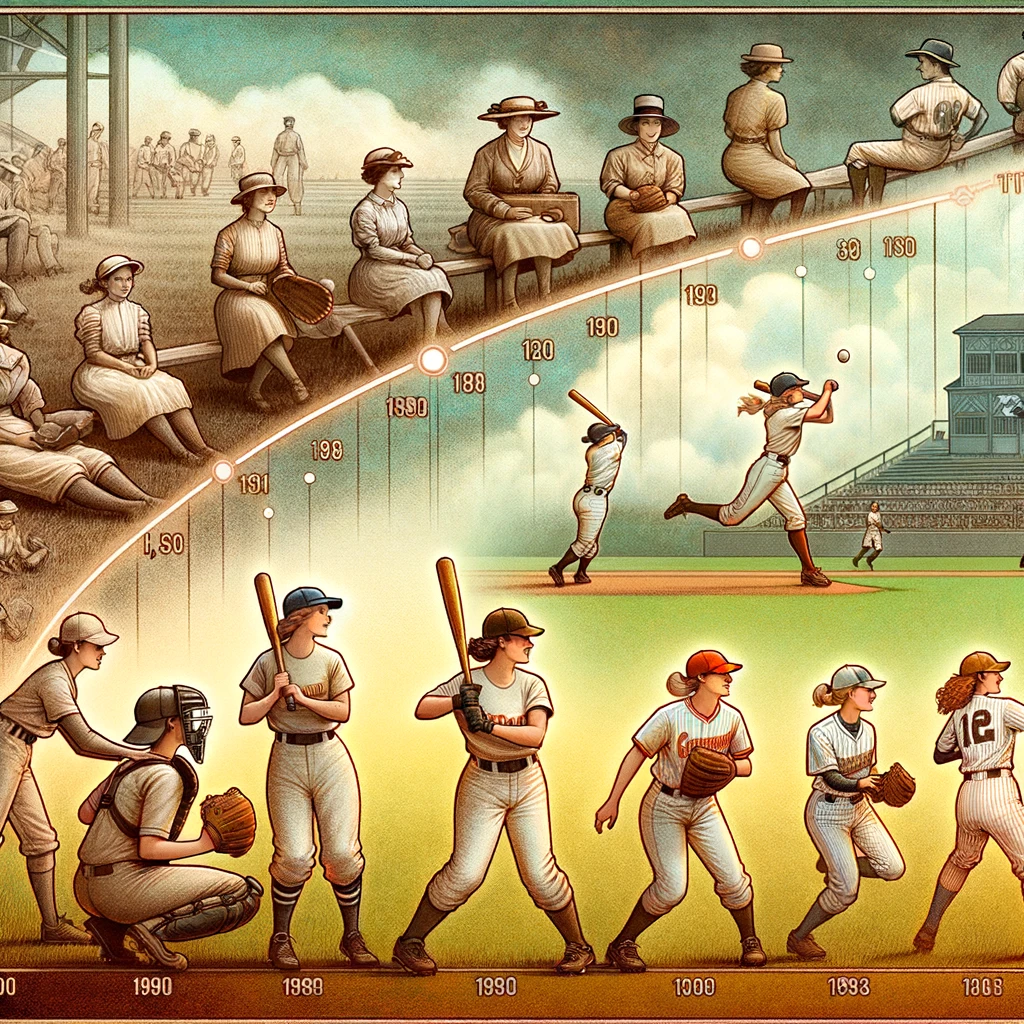
Baseball, often dubbed America’s pastime, has a rich and complex history that intertwines with the country’s cultural and social evolution. While the sport is predominantly associated with men, women have played a significant, albeit often overlooked, role in the development of baseball, especially at the collegiate level. This article aims to provide a comprehensive overview of the evolution of women’s college baseball, highlighting the pivotal moments, challenges, and triumphs that have shaped its history.
Early Beginnings and Societal Challenges (19th Century – Early 20th Century)
The journey of women in baseball dates back to the late 19th century, a period marked by strict societal norms regarding gender roles. Women were expected to engage in activities that were deemed ‘ladylike,’ and sports, particularly baseball, were not among them. Despite these constraints, women began forming their own baseball teams as early as the 1860s. These early women’s teams often faced ridicule and were seen more as novelties than legitimate athletes.
The turn of the 20th century saw the emergence of women’s teams at colleges, although these were few and far between. Colleges that did have women’s baseball teams faced considerable societal pushback, with critics arguing that such activities were unladylike and detrimental to women’s health. Despite these challenges, these early teams laid the groundwork for the future of women’s baseball in academia.
The Bloomer Girls Era (Late 19th Century – Early 20th Century)
An integral part of early women’s baseball history is the era of the Bloomer Girls, teams that toured the United States playing against local town, semi-pro, and occasionally men’s college teams. Named after the bloomer costume they wore, which was a type of early women’s sportswear, these teams included both female and male players (the latter often disguised as women). The Bloomer Girls era, which lasted from the 1890s to the 1930s, was significant as it showcased women’s abilities in baseball to a wider audience, challenging gender stereotypes in sports.
The Impact of World War II (1940s)
World War II was a turning point for women’s baseball. With many men off fighting, women’s sports, including baseball, gained newfound attention and respect. This period saw the formation of the All-American Girls Professional Baseball League (AAGPBL), famously depicted in the film “A League of Their Own.” Although the AAGPBL was not directly linked to colleges, its popularity had a spillover effect on women’s sports at the collegiate level, leading to increased interest and participation in women’s baseball.
Post-War Developments and Challenges (1950s – 1970s)
The post-war era saw a regression in women’s baseball, both professionally and collegiately. The dissolution of the AAGPBL in 1954, combined with the resurgence of men’s professional sports, led to a decline in interest and support for women’s baseball. Colleges were slow to adopt women’s baseball teams, and those that existed struggled with inadequate funding, lack of coaching, and minimal recognition.
Title IX and the Resurgence of Women’s College Baseball (1972 Onwards)
A pivotal moment in the history of women’s college sports, including baseball, was the passage of Title IX in 1972. This federal law prohibited sex-based discrimination in any educational program or activity receiving federal financial assistance. Title IX led to a significant increase in women’s sports programs at the collegiate level, providing more opportunities for women to participate in baseball.
Despite this progress, women’s baseball faced competition from the rise of softball, which became the dominant women’s bat-and-ball sport in colleges. Softball, perceived as more ‘suitable’ for women, overshadowed baseball, leading to a decline in women’s baseball programs. However, dedicated players and advocates continued to push for the growth of women’s baseball, leading to the formation of organizations like the International Women’s Baseball Center and Women’s Baseball For All.
The Modern Era and Continuing Challenges (Late 20th Century – Present)
In recent decades, there has been a renewed interest in women’s college baseball, although challenges persist. These include limited funding, fewer scholarships compared to men’s programs, and a general lack of visibility. Despite these hurdles, women’s college baseball has made significant strides, with more colleges starting teams and increased media attention.
Organizations like USA Baseball have also played a pivotal role in promoting women’s baseball at all levels, including collegiate. The introduction of women’s baseball in international competitions, such as the Women’s Baseball World Cup, has further raised the profile of the sport.
Conclusion
The history of women’s college baseball is a testament to the resilience and determination of female athletes who have fought for their place in a sport long dominated by men. From the early days of societal resistance to the challenges and triumphs of the modern era, women’s college baseball has evolved significantly. As we look to the future, it is imperative to continue supporting and promoting women’s baseball at the collegiate level, ensuring that female athletes receive the recognition and opportunities they deserve.
The story of women’s college baseball is not just about a sport; it’s about breaking barriers, challenging norms, and redefining what is possible for women in athletics. As we continue to write new chapters in this ongoing story, it’s important to remember and celebrate the journey that has brought us to this point.
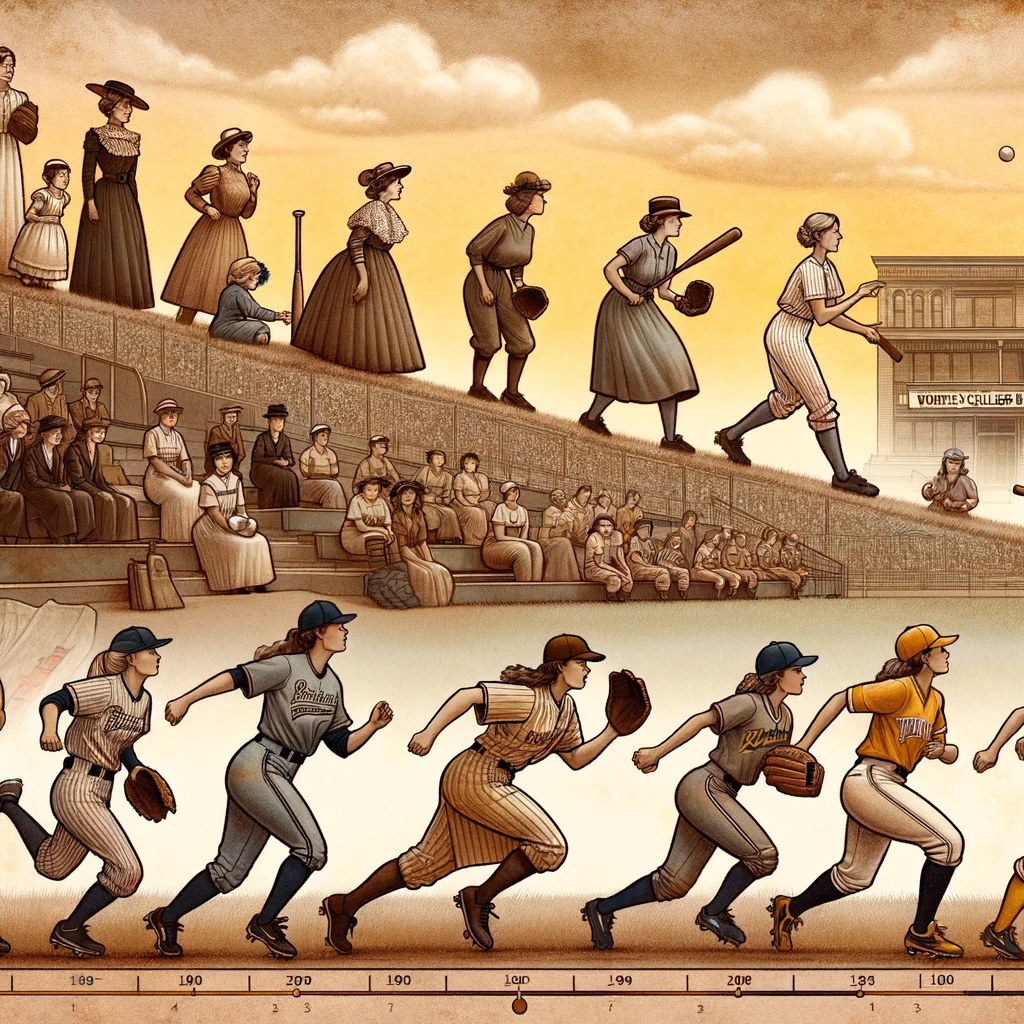
The Early Pioneers
In the early 20th century, several women’s teams at colleges began to emerge, despite societal challenges. For instance, Vassar College, known for its progressive approach to women’s education, formed one of the earliest women’s baseball teams. These teams often played against local women’s teams and occasionally against other colleges, although such matches were rare due to the limited number of women’s teams.
The Bloomer Girls: Teams and Notable Players
During the late 19th and early 20th centuries, several Bloomer Girls teams gained prominence. Teams like the Boston Bloomer Girls and the Philadelphia Bobbies toured the country, playing in exhibition games. Notable players from this era include Alta Weiss, a remarkable pitcher who played for the Vermilion Independents and later formed her own team, the Weiss All-Stars. Another significant figure was Lizzie Arlington, who is often credited as the first woman to sign a contract to play professional baseball with men.
World War II Era: The All-American Girls Professional Baseball League
The AAGPBL, formed during World War II, was a crucial development for women in baseball. While it was a professional league and not directly associated with colleges, its influence on women’s sports in academia cannot be understated. Players like Dorothy Kamenshek, a first baseman known for her exceptional skill, and pitcher Jean Faut, considered one of the best players in the league, became role models for young women aspiring to play baseball.
Post-War Era: The Struggle for Recognition
In the decades following World War II, women’s baseball at the collegiate level struggled to gain traction. However, some colleges continued to support women’s teams, albeit on a smaller scale. During this era, women’s participation in baseball often occurred in intramural leagues rather than formal collegiate teams due to the lack of institutional support.
Title IX and Its Impact
The implementation of Title IX in 1972 was a game-changer for women’s sports in colleges. This legislation led to an increase in women’s athletic programs, although its initial impact on baseball was overshadowed by the growth of softball. Nevertheless, Title IX laid the foundation for future growth in women’s college baseball.
Modern Era: Notable Teams and Players
In recent years, a few colleges have started to recognize and support women’s baseball. Teams like the University of California, San Diego, and the University of Virginia have made strides in promoting women’s baseball. Notable modern players include Ila Borders, who became the first woman to receive a college baseball scholarship and the first to win a college baseball game in 1994. Another significant figure is Ghazaleh Sailors, who played for the University of Maine-Presque Isle and broke barriers as one of the few women to play college baseball in recent times.
Future Prospects and Ongoing Challenges
Despite these advancements, women’s college baseball continues to face challenges, including limited funding and media coverage. Advocacy groups and organizations are crucial in promoting and supporting the growth of women’s baseball at the collegiate level. The future of women’s college baseball relies on sustained efforts to increase visibility, provide adequate funding, and ensure equal opportunities for female athletes.
Conclusion
The history of women’s college baseball is a rich tapestry woven with the efforts and achievements of countless teams and players. From the early pioneers at Vassar College to modern trailblazers like Ila Borders, each era has contributed to the sport’s evolution. The challenges faced and overcome by these women have not only advanced the sport but also paved the way for future generations of female athletes. As we continue to advocate for and celebrate women’s baseball, it is crucial to remember the perseverance and resilience that have characterized its history.
Women’s college baseball, much like women’s sports in general, reflects a broader narrative of progress and empowerment. The story of this sport is ongoing, with each new team and player adding to its rich history. It is a narrative that speaks to the heart of equality and the endless potential of human endeavor.
Frequently Asked Questions
1. How did the involvement of women in college baseball start?
The involvement of women in college baseball began in the late 19th and early 20th centuries, during a period when colleges and universities were expanding their athletic programs. Initially, women’s participation in baseball was informal and largely recreational, taking place on college campuses where female students organized their own teams. These early games were often not sanctioned by collegiate athletic associations, as baseball was considered a male-dominated sport. However, women’s interest in baseball grew alongside the women’s suffrage movement, which advocated for greater gender equality across all facets of society. The burgeoning interest in women’s sports led to the establishment of more organized teams and competitions, progressively gaining visibility despite societal resistance.
2. What were some of the challenges women faced in playing college baseball?
Women faced numerous challenges when it came to participating in college baseball, many of which were rooted in societal norms and gender biases. The prevailing belief was that sports, especially those like baseball which required physical strength and stamina, were unsuitable for women. As a result, women often lacked institutional support, facing limited access to facilities, equipment, and funding. Moreover, there was a lack of representation and advocacy within collegiate athletic organizations, which prioritized male sports. Female athletes also confronted skepticism and discrimination from both within and outside their institutions, often being dismissed or ridiculed. Despite these hurdles, many women persevered to pave the way for future generations, advocating for equal opportunities in sports.
3. Can you highlight any pivotal moments in the evolution of women’s college baseball?
One pivotal moment in the evolution of women’s college baseball was the implementation of Title IX in 1972. This landmark federal civil rights law prohibited sex-based discrimination in any school or other education program that receives federal funding. Title IX significantly impacted collegiate sports, mandating equal opportunities for men and women, which led to an increase in women’s teams and funding across colleges, including baseball. Although Title IX is often associated with the growth of women’s softball, it opened the gates for more inclusive discussions around women’s participation in traditionally male sports like baseball. Another key moment was the formation of official college women’s baseball teams and the organization of women’s collegiate leagues, which provided structured competition and greater visibility for women’s baseball.
4. How have perceptions of women in baseball changed over the years?
Perceptions of women in baseball have evolved significantly over the years. Initially, the notion of women playing baseball was met with resistance and skepticism, often seen as a challenge to traditional gender roles. However, as societal views on gender equality progressed, so did the acceptance and support of women in sports. Coverage of female athletes and their achievements, along with advocacy from women’s rights groups, helped shift public perception, showcasing the legitimacy and capability of women in baseball. Furthermore, the success of women’s baseball leagues and the dedication of female athletes have demonstrated that women can compete at high levels within the sport. While challenges still exist, today there is a growing recognition of the importance of including diverse voices and talents within baseball.
5. What does the future hold for women’s college baseball?
The future of women’s college baseball looks promising as continued efforts to promote gender equality in sports persist. Increasing interest and participation among young women in baseball suggest a growing momentum toward more widespread acceptance and support for women’s teams at the college level. Educational institutions are becoming more proactive in developing and promoting women’s sports programs, driven by both legal mandates and social change. Additionally, as representation in media and professional leagues increases, more role models emerge, inspiring young athletes to pursue baseball. With ongoing advocacy and support from organizations dedicated to gender equity in sports, women’s college baseball is poised to expand and thrive, offering equal opportunities for athletic and personal growth to all students. However, continued vigilance and commitment to equality are crucial to ensuring sustained progress in overcoming any residual barriers or biases.