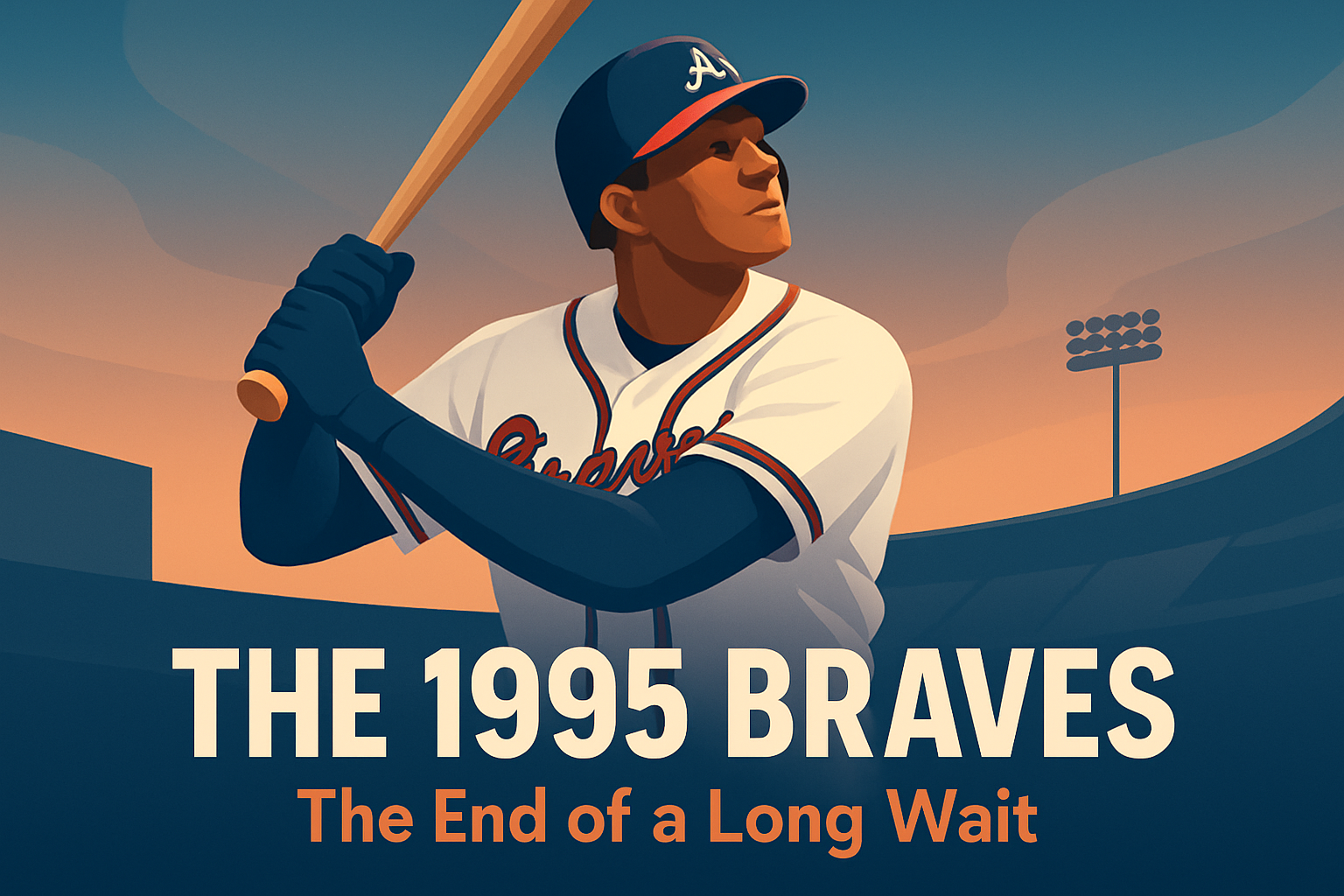
Introduction to the 1995 Braves
In the realm of Major League Baseball (MLB), storied franchises often embark on journeys filled with moments of triumph and adversity. Such was the journey of the Atlanta Braves leading up to 1995. Born originally as the Boston Red Stockings in 1871, the franchise relocated to Atlanta in 1966 and began its pursuit of a World Series title, which had eluded them for nearly four decades. The significance of the 1995 Atlanta Braves lies not only in their ultimate victory but in the culmination of years of perseverance, strategic planning, and the assembly of a talented roster. For the fans, it was more than just a championship; it was the cherry on top of years of dedication and loyalty. This victory mattered as it represented hope, redemption, and the realization of dreams, both for the team and its supporters.
The story of the 1995 Braves is a testament to resilience and ambition. This comprehensive exploration delves into the key components that defined their success, examining player contributions, strategic decisions, and the broader impact of their victory. Fully understanding the Braves’ 1995 triumph offers insights into how preparation, teamwork, and a bit of serendipity can culminate in achieving coveted goals.
Building the Team: A Perfect Assembly
The success of the 1995 Atlanta Braves hinged, in large part, on the exceptional roster they assembled. The team’s management, led by General Manager John Schuerholz, masterfully combined seasoned veterans with rising stars to create a balanced squad capable of conquering the league. Key players included the likes of Greg Maddux, Tom Glavine, John Smoltz, and Chipper Jones, each of whom brought their unique skill sets to the field.
- Greg Maddux: Known for his pitching prowess and control, Maddux was integral to the Braves’ success. His ability to outthink batters set him apart, leading to multiple Cy Young Awards.
- Tom Glavine: Another ace pitcher, Glavine was celebrated for his consistent and dependable performances on the mound, playing a critical role in the playoffs.
- John Smoltz: As a dynamic pitcher and later a reliable closer, Smoltz’s versatility made him an indispensable asset.
- Chipper Jones: A rising star at the time, Jones contributed both offensively and defensively, becoming a cornerstone of the Braves’ infield.
Each player’s contribution was carefully orchestrated by manager Bobby Cox, whose leadership style fostered an environment of respect and collaboration. Cox’s ability to manage a diverse group of players effectively facilitated the team’s chemistry, which was evident in their performance throughout the season.
Strategic Mastery: The Blueprint for Victory
Strategic planning was at the core of the Braves’ 1995 triumph. With a focus on strong pitching and solid defense, the Braves adopted a strategy that capitalized on their strengths. A key aspect of their strategy was the rotation of their three decorated pitchers—Maddux, Glavine, and Smoltz—allowing them to maintain dominance in a league that relied heavily on offense.
The Braves’ strategic acumen was exemplified in how they handled postseason play. By rotating their leading pitchers and conserving their energy for crucial games, they ensured their performance remained high under pressure. The pivotal World Series against the Cleveland Indians showcased the effectiveness of this strategy; the team relied on disciplined pitching and timely hitting to outmaneuver their opponents.
The management’s commitment to this strategic blueprint demonstrated the importance of aligning tactical decisions with team strengths, offering a lesson in effective resource management. This approach set a precedent for future teams aiming for similar success.
The 1995 Season: A Breakthrough Year
The 1995 MLB season was unique, primarily due to its shortened format following the players’ strike in 1994. Despite these challenges, the Braves adapted quickly and demonstrated resilience. The season was marked by an assertive start, bolstered by consistent performances from the team’s star players and emerging talents.
Crucial to their season’s success was the Atlanta Braves’ ability to maintain focus and momentum. With aggressive play and a determined mindset, the team finished with a record of 90 wins and 54 losses, winning the National League East division with authority. Their postseason journey was equally impressive, as they deftly navigated through formidable opponents, including the Colorado Rockies, Cincinnati Reds, and ultimately, the Cleveland Indians in the World Series.
This breakthrough year was more than just a numerical success; it embodied the culmination of years of strategic planning and the realization of the potential within the team’s roster.
World Series Triumph: Culmination of a Journey
The 1995 World Series was the grand stage for the Braves’ moment of glory. Facing off against the Cleveland Indians, one of the most potent offensive teams at the time, the Braves were challenged to showcase their disciplined pitching and steadfast defense. The series culminated in Game 6 at Atlanta-Fulton County Stadium, where the Braves clinched the title with a 1-0 victory, powered by Tom Glavine’s remarkable pitching performance and David Justice’s timely home run.
This triumph was not only a victory on the scorecard but a historic moment etched into the hearts of Braves fans. The win ended a 38-year drought and provided an emotional apex for a franchise that had come close in previous years, notably in 1991 and 1992. The elation shared by fans and players alike was a testament to the dedication and perseverance that characterized their journey.
Lasting Impact and Legacy
The impact of the 1995 Braves’ victory extends beyond the annexation of a World Series title. It set a benchmark for excellence, serving as the blueprint for future teams aspiring for success in the MLB. The Braves’ emphasis on developing a strong pitching lineup, complemented by potent offense, proved a winning formula that many franchises have since sought to replicate.
The legacy of the 1995 Braves continues to be celebrated by the Atlanta community and baseball enthusiasts worldwide. Several players from the championship team, including Greg Maddux, Tom Glavine, and John Smoltz, were later inducted into the Baseball Hall of Fame, underscoring the significant contributions they made not only to the Braves but to the sport of baseball as a whole.
| Player | Position | Contribution |
|---|---|---|
| Greg Maddux | Pitcher | Multiple Cy Young Awards, dominant performances |
| Tom Glavine | Pitcher | Key World Series Game 6 victory |
| John Smoltz | Pitcher | Versatility as a starter and closer |
| Chipper Jones | Third Base | Key offensive contributions |
Conclusion: Celebrating a Milestone
In retrospect, the Atlanta Braves’ 1995 victory stands as a beacon of achievement in Major League Baseball history. It symbolizes more than a championship; it represents the power of perseverance, strategic execution, and the importance of unity in pursuit of a common goal. The story of the 1995 Braves serves as inspiration to not only sports teams but to any organization striving to overcome obstacles and achieve greatness.
The key takeaways from the Braves’ journey illuminate the critical aspects of teamwork, strategic vision, and the invaluable role of adaptability in navigating unforeseen challenges. For fans and aspiring teams, the story of the 1995 Braves is a reminder that success is attainable with the right mix of talent, leadership, and unwavering dedication.
As we celebrate the enduring legacy of the 1995 Braves, let this triumph encourage current and future generations to pursue their dreams with the same tenacity and ambition. For those impassioned by their story, the next step is to delve deeper into the rich history of the Braves and draw inspiration from their remarkable ascent to glory.
Frequently Asked Questions
1. Why was the 1995 World Series win so significant for the Atlanta Braves?
The 1995 World Series win was hugely significant for the Atlanta Braves as it marked the end of a prolonged championship drought. Prior to this victory, the Braves had relocated from Milwaukee to Atlanta in 1966 and, despite numerous playoff appearances and having one of the strongest teams of the early ’90s, they were unable to secure a title. The win in 1995 was their first World Series victory since 1957, back when they were the Milwaukee Braves. It not only broke the long-standing jinx but also validated the team’s status during the 1990s as one of the league’s dynamos. A combination of strategic management, talented players, and adept coaching culminated in this triumphant moment, establishing the Braves’ legacy and rewarding the loyalty of a dedicated fan base that had waited nearly four decades for this championship moment.
2. Who were the key players on the 1995 Braves and how did they contribute to the team’s success?
The success of the 1995 Braves can be attributed to a roster filled with incredible talent. Key players included future Hall of Famers such as pitchers Greg Maddux, Tom Glavine, and John Smoltz. These pitchers dominated the mound, consistently delivering stellar performances throughout the season and playoffs. Greg Maddux, known for his incredible command and mastery over the strike zone, was pivotal during the regular season, earning his fourth consecutive Cy Young Award that year. Tom Glavine, who was named the MVP of the World Series, particularly shone in Game 6 by pitching eight innings of one-hit baseball to seal the championship. Besides the acclaimed pitching staff, the team also boasted a powerful lineup featuring Chipper Jones, who was a standout rookie that year, veteran catcher Javy López, and the power-hitting outfielder David Justice, who famously hit the decisive home run in Game 6 of the World Series. Together, these players created a perfect blend of defensive skill and offensive firepower that proved unbeatable.
3. What role did the manager Bobby Cox play in leading the Braves to the 1995 championship?
Bobby Cox, the manager of the Braves in 1995, played an integral role in guiding the team to their World Series victory. Known for his calm demeanor and outstanding leadership, Cox was instrumental in building a culture of success and stability within the team. He managed to harness the talent and potential of his players, creating a cohesive unit with each member playing to their strengths. Cox’s strategic decisions, including his management of the pitching rotation and his ability to motivate players, were pivotal during both the regular season and the pressure-packed playoff games. A seasoned manager with a deep understanding of the game, Cox was adept at making adjustments and often outmaneuvered his opponents with smart tactical choices. His leadership not only helped the team capture the 1995 World Series but also transformed the Braves into a consistent playoff presence throughout the 1990s, cementing his reputation as one of baseball’s great managers.
4. What was the impact of the 1995 World Series victory on the Braves franchise and its fan base?
The impact of the 1995 World Series victory on the Braves franchise and its fan base was profound and long-lasting. For the franchise, it was a validation of years of rebuilding and a testament to their commitment to excellence and strategic planning. This victory elevated the status of the team and bolstered its reputation as an elite organization within Major League Baseball. It also sparked a renewed enthusiasm and pride in the Atlanta fan base. The triumph brought a wave of excitement and joy to the Braves’ supporters, who had steadfastly supported the team through ups and downs over the years. It solidified a deep emotional connection between the city of Atlanta and the Braves, creating a legacy of winning that hoped to inspire new generations of fans. This victory also heightened community pride, invigorated local support, and marked the beginning of a golden era for the franchise, with increased attendance at games and a resurgence of interest in baseball across the region.
5. How did the 1995 Braves season compare to their previous attempts to win the World Series in earlier years?
The 1995 Braves season was a culmination of several years of consistent excellence and competitive play, particularly following near misses in the earlier part of the decade. The early ’90s had seen the Braves come excruciatingly close yet repeatedly fall short of the ultimate prize. In 1991, the Braves reached the World Series but were defeated in a thrilling series by the Minnesota Twins. Then in 1992, they returned to face the Toronto Blue Jays, only to be defeated once again. The pattern of near success created a narrative of unfulfilled promise around the team, amplifying the pressure and expectations each subsequent year. However, by 1995, lessons had been learned from past shortcomings. Strengthened by their experiences in tight, high-stakes games, the Braves brought a sharper edge, steadier resolve, and more seasoned, unflappable performances throughout the 1995 season. With a brilliant blend of extraordinary pitching and timely hitting, the 1995 Braves were able to go the distance and finally rise above the hurdles that had tripped them in previous attempts, achieving the coveted World Series championship that eluded them in the earlier years.