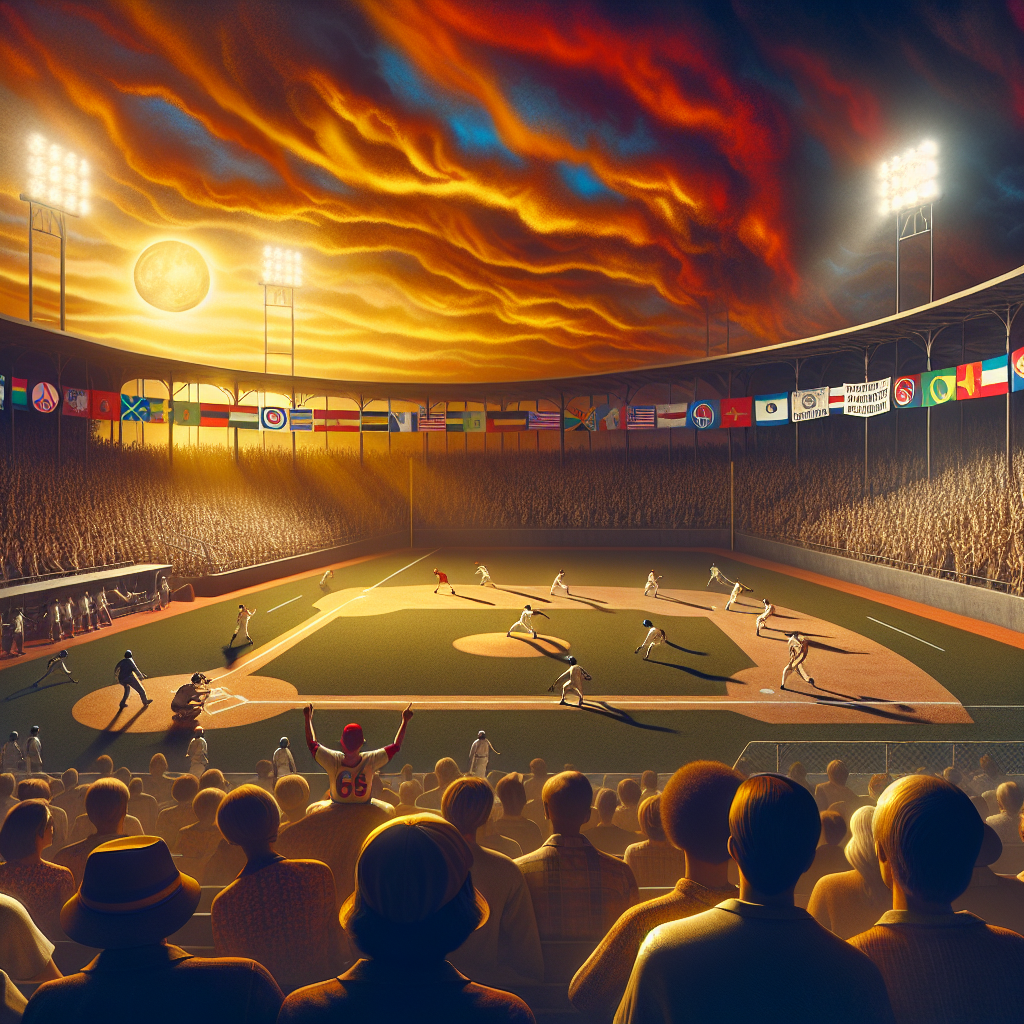
The 1960s was a period of profound change and upheaval in the United States. As the decade unfolded, America found itself caught in the throes of political, social, and cultural revolutions that redefined the very fabric of society. Simultaneously, Major League Baseball (MLB) retained its place as America’s beloved pastime but also became a mirror reflecting the larger societal changes. From the civil rights movement to the Vietnam War, the world was shifting dramatically, and baseball was not immune to these changes. Throughout the 1960s, baseball served not only as a source of entertainment but also as a platform for progress and a reflection of the times. Understanding baseball’s role during this tumultuous era can provide a more nuanced perspective on how sports interact with and influence societal dynamics.
In the early 1960s, the United States was on the cusp of major civil rights advancements. The integration of baseball had commenced with Jackie Robinson in the late 1940s, but the process was far from complete. By the 1960s, baseball had become a battleground for civil rights, parallel to the larger societal fight for equality. African American players faced significant challenges, including racial discrimination and substantial pay disparities compared to their white counterparts. However, players like Roberto Clemente and Willie Mays not only excelled on the field but also became vocal advocates for equality, paving the way for future generations. Their resilience and talent showcased how baseball could reinforce broader efforts towards equality, serving as a microcosm of the American struggle for civil rights.
Baseball’s Expanding Influence on Pop Culture
The 1960s also saw baseball permeate deeper into American pop culture. The sport’s influence went beyond the diamond, entering the realms of music, literature, and film. It became a symbol of Americana, blending tradition with burgeoning counterculture. Bob Dylan’s era-defining music often alluded to America’s pastimes and traditions, including baseball, subtly reflecting the changing times. Similarly, baseball featured prominently in literature, with authors like Bernard Malamud using the sport as a metaphor for larger American ideals and tensions in works such as “The Natural”. As cinema also began to explore more complex social narratives, films like “Bang the Drum Slowly” used baseball to discuss themes of friendship, loss, and societal issues. Through these artistic expressions, baseball’s narrative power amplified, allowing it to communicate broader cultural stories and truths.
Baseball’s expanding influence in pop culture exemplified its flexibility as a medium of storytelling and social reflection. Moreover, it created a bridge between generations, uniting those who had grown up with the sport’s traditional image with the younger, more radical generation seeking change. This adaptability helped preserve baseball’s mythos as a central piece of American identity, even during a time of intense societal division.
The Fall Classic: A Platform for Social Change
The World Series, baseball’s pinnacle event, became a stage for social change during the 1960s. Each year, as millions tuned in to watch the games, the stories of on-field success were paralleled by off-field narratives of social progress. The 1968 World Series is particularly noteworthy as it spotlighted larger societal issues. The Tigers and Cardinals series occurred against the backdrop of significant racial turmoil following the assassination of Martin Luther King Jr. Detroit, still recovering from the riots of 1967, looked to its team for solace and unity. African American players like Lou Brock and Bob Gibson were crucial to the Cardinals’ success, demonstrating that integration not only benefited teams but also resonated with broader societal integration efforts. The competitive spirit of the series and the personal stories of the players offered a temporary respite from societal chaos while simultaneously echoing the ongoing struggle for equality and justice.
Through the lens of the World Series, fans could witness a sport that was slowly embracing change, gradually reflecting the diverse America that was emerging from the strife of the 1960s. It was baseball’s World Series that often bore the weight of hope, longing, and the struggle for unity and equality, encapsulating its role as a beacon of both nostalgia and progress.
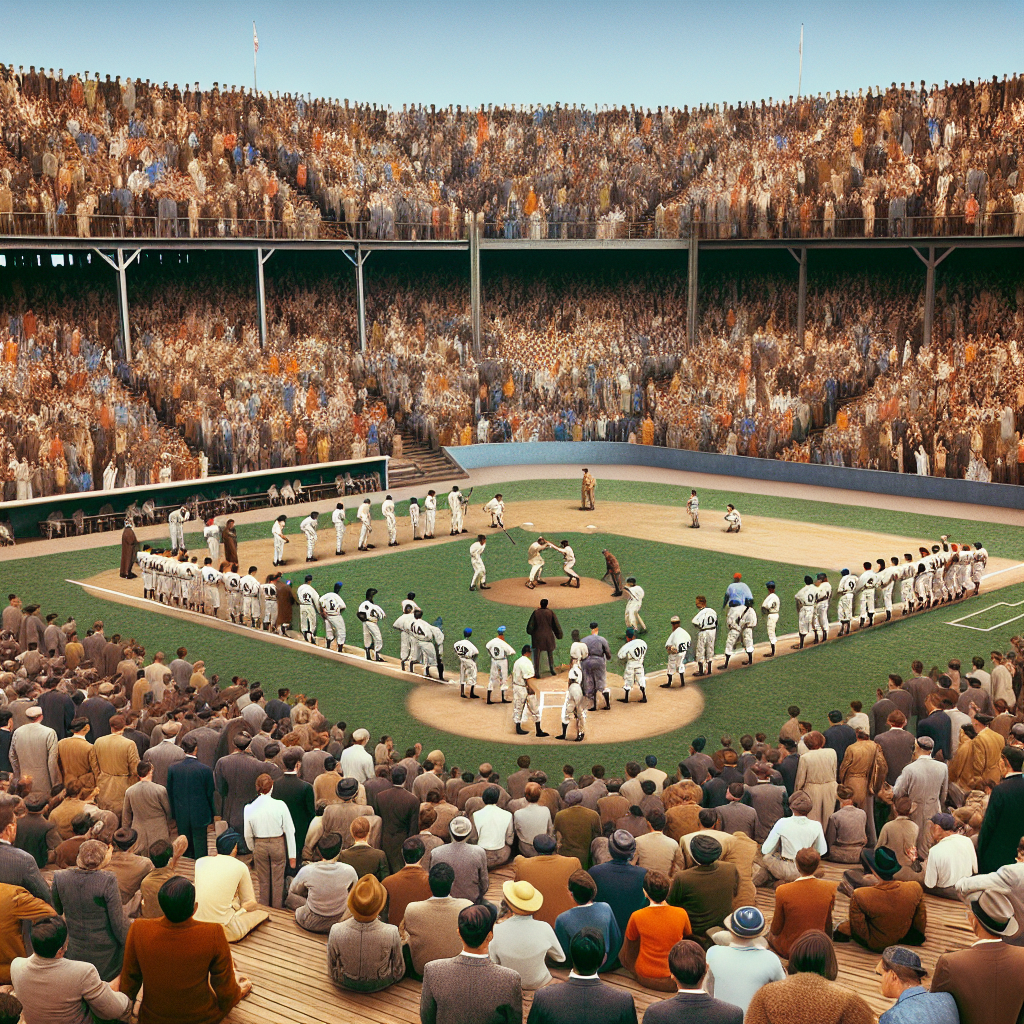
Challenges and Changes: The Integration of Latino Players
The 1960s also marked significant advancements for Latino players in Major League Baseball. While African American players were battling for civil rights, Latino players were facing their own struggles with language barriers, cultural differences, and racial discrimination. Players like Roberto Clemente not only excelled on the field but also became champions for Latino representation in sports. Clemente, in particular, used his platform to speak out against the injustices faced by his community, highlighting issues like stereotyping and media bias. His impact went beyond his on-field achievements, as Clemente became a hero figure in the Latino community, pushing for dignity and respect in sports and beyond. The increasing presence and success of Latino players in the 1960s began a transformation within baseball that mirrored the broader demographic shifts occurring across the United States.
Despite numerous challenges, these players brought new styles and flair to the game, expanding baseball’s cultural tapestry and prompting a gradual shift towards greater inclusivity. This era heralded the beginning of baseball’s transformation into a globally representative sport, as it continued to grapple with and embrace the cultural mosaic that defined the changing American landscape.
The Vietnam War and Baseball
The Vietnam War was perhaps one of the most divisive events of the 1960s, impacting nearly every aspect of American life, and baseball was not exempt from this influence. As the war intensified, so did the public’s divide on its justification and conduct. Baseball players themselves were not mere bystanders but actively participated in the discourse, with some like Ted Williams using their wartime service from earlier conflicts as a testament to patriotic duty, while others questioned the ethics and necessity of the Vietnam engagement. Stadiums sometimes became venues of protest, where anti-war sentiments were palpable amongst the crowds. Meanwhile, young men of draft age, including baseball players, faced the reality of conscription, bringing the war home even more personally than before.
The war had an indirect influence on the players and the communities who followed them, shaping public perception and discourse around patriotism, service, and the role of sports within society. This era forced baseball to re-evaluate its position within American life, as the sport’s pastoral image contrasted sharply with the tumultuous reality of global conflict.
Emergence of Free Agency and Its Societal Impacts
The concept of free agency started to gain traction towards the latter part of the 1960s, fundamentally altering the landscape of professional baseball. Curt Flood, an African American player, became central to this movement, challenging the existing Reserve Clause system that bound players indefinitely to teams. In 1969, Flood refused a trade, ultimately filing a lawsuit against Major League Baseball. His stance was rooted in principles of individual rights and economic freedom, mirroring the broader societal shifts towards autonomy and civil liberties. Although Flood’s case initially failed, it laid the groundwork for the eventual establishment of free agency, revolutionizing player mobility and contracts.
Flood’s battle off the field was emblematic of the changing attitudes towards labor rights and individual freedoms in America. By challenging the status quo, he catalyzed developments that echoed wider movements for workplace rights and personal liberties. The emergence of free agency in baseball not only transformed the business side of the sport but also demonstrated the ability of sports to influence and be influenced by societal change.
Conclusion: Baseball as a Reflection of Society
By the end of the 1960s, baseball had not only survived but thrived, navigating through one of the most transformative periods in modern American history. The sport’s capacity to adapt and reflect societal dynamics was evident as it mirrored the very struggles, triumphs, and changes taking place across the country. Baseball served as a microcosm of America, where issues of civil rights, cultural inclusion, individual freedoms, and patriotism were played out for all to see. Its players became both icons and agents of change, illustrating the power of sports as a vehicle for societal reflection and progress.
While the 1960s came to a close, the lasting impacts on baseball were undeniable. The era set the stage for future advancements and challenges, ensuring that baseball maintained its influential role within American society. Thus, the 1960s not only defined a decade of change for the nation but also marked a pivotal chapter in baseball’s ongoing narrative, highlighting the sport’s inextricable link with the larger cultural and social currents that shape human experience.