The 1951 Giants baseball team has etched its name in the annals of Major League Baseball (MLB) history for one of the most miraculous comebacks and dramatic endings in the sport’s storied chronicles. This was the year when “The Shot Heard ‘Round the World” turned into a legendary phrase and Bobby Thomson, the man behind that iconic home run, became a household name for baseball enthusiasts. Against the odds, the New York Giants mounted a thrilling pursuit of the National League pennant, eschewing despair and embracing hope with daring feats and tenacity. Their journey from the depths of the standings to compelling armchair scholars and fans alike with their style and heart-stopping moments epitomized the spirit of baseball. This article delves into that defining year, exploring not just the climactic ending but the path that led to it, focusing on strategy, key players, rivalries, and the indelible legacy the Giants of 1951 left. To appreciate “The Shot Heard ‘Round the World” is to understand its context, its dramatic build-up, and the characters that brought such an unforgettable spectacle to life.
In the world of sports, certain moments transcend the boundaries of the game itself, capturing the imagination of the public like never before. The Giants’ epic narrative in 1951 caught fire in this manner, reflecting American culture and optimism amidst the backdrop of post-war societal shifts. The pennant race between the Giants and their fierce adversaries, the Brooklyn Dodgers, wasn’t just another chapter in the annals of baseball but a compelling tale of resilience, rivalries, and triumph that resonated throughout the nation and the world. It was much more intoxicating due to the innate unpredictability of baseball—a life-affirming sentiment underscored by the thrills of the sport and the ultimate shot that reverberated globally.
In this examination of the events of 1951, we shall peel back the layers of intensity and determination that defined the Giants, understand the events leading to the crescendo, appreciate the aftermath of triumph over the adversary, and analyze how that singular game on October 3, 1951, continues to inspire today. Join us as we journey through a pivotal moment in history that, beyond the epic nature of a deciding baseball game, made Bobby Thomson and his teammates living legends forever.
The Long Season: Building to the Climax
The Giants’ journey during the 1951 MLB season was nothing short of remarkable. As that year commenced, expectations hovered modestly. The New York Giants began their campaign with an inconsistent spring, seemingly playing second fiddle to their fortress rivals, the formidable Brooklyn Dodgers. In the first half of the season, the Dodgers appeared virtually invincible, opening a 13.5 game lead over the Giants by mid-August. Yet, it was during these daunting moments that an epochal momentum shift defined the Giants’ season trajectory. Perhaps one of the major moments that began to tip the balance was when manager, Leo Durocher, managed to galvanize his players, instilling in them a renewed confidence and belief in their collective capabilities.
The Giants embarked on one of the most notable winning streaks in MLB history. Roster maneuvers like the promotion of young pitcher Don Liddle and the masterful use of reserve players highlighted strategic awareness. Meanwhile, Monte Irvin’s prodigious hitting, Alvin Dark’s deft leadership as captain, and Willie Mays’ precocious talents played crucial roles in the staggeringly successful surge. They went on an awe-inspiring tear, compiling a 37-7 record down the stretch, erasing the Dodgers’ imposing advantage by the season’s conclusion. The crescendo of their late-season surge was a testament to their resilience, competitiveness, and tactical nous—characteristics they would need in abundance for the challenge ahead.
In tandem, the Dodgers faced their own challenges under the weight of expectation and unforeseen injuries. Their slump into uncertainty contrasted sharply with the Giants’ potent run, meaning the concluding games of the season became high stakes, particularly as fan interest skyrocketed in anticipation of a climactic showdown. This dramatic shift in the standings set the stage for one of baseball’s most extraordinary playoff rounds with the National League pennant hanging in the balance. Following the conclusion of the regular season, the Giants and Dodgers were deadlocked, requiring a best-of-three tiebreaker series to settle the score. The magic and madness of baseball could not have had a better prelude to an unforgettable finish.
Tiebreaker Series: Intensity and Drama
The Giants and Dodgers entered the best-of-three playoff series brimming with anticipation. The playoff series got underway with palpable excitement as the sporting world focused its collective gaze on these two heavyweights. Each team boasted their own heroes and narratives, further amplifying the intensity of the matchups. The Dodger bats, including those of Jackie Robinson, Duke Snider, and Roy Campanella, showcased their prowess in the initial game, overpowering the Giants for a 3-1 victory. They appeared poised to capitalize on their early success, further motivated to extinguish the Giants’ dream.
However, undeterred by the initial setback, the Giants exhibited remarkable persistence in the second game. Thompson, a pivotal figure throughout, drew significant notice when he switched positions, playing first base due to an injury sustained by regular first baseman Whitey Lockman. In that encounter, a clutch performance by Larry Jansen’s exceptional pitching kept the Giants’ hopes alive. Hank Thompson’s homers and Sal Maglie’s gritty performance enabled New York to secure a convincing 10-0 win to force a decisive game three—a winner-takes-all showdown whose outcome would resonate indefinitely.
The stakes for game three at the Polo Grounds in New York were infinitely higher as the baseball world awaited the outcome with bated breath. By the time Game 3 arrived on October 3, 1951, the tension between the two sides was palpable. Hall of Famer Don Newcombe was ready to pitch for the Dodgers while Sal Maglie shouldered the burden of ensuring the Giants’ destiny lay in their own hands, both destined to grace the annals of baseball lore. What transpired next wasn’t simply a baseball game; it was an unfolding drama that personified resolution, despair, and jubilation in equal measure.
The Shot Heard ‘Round the World
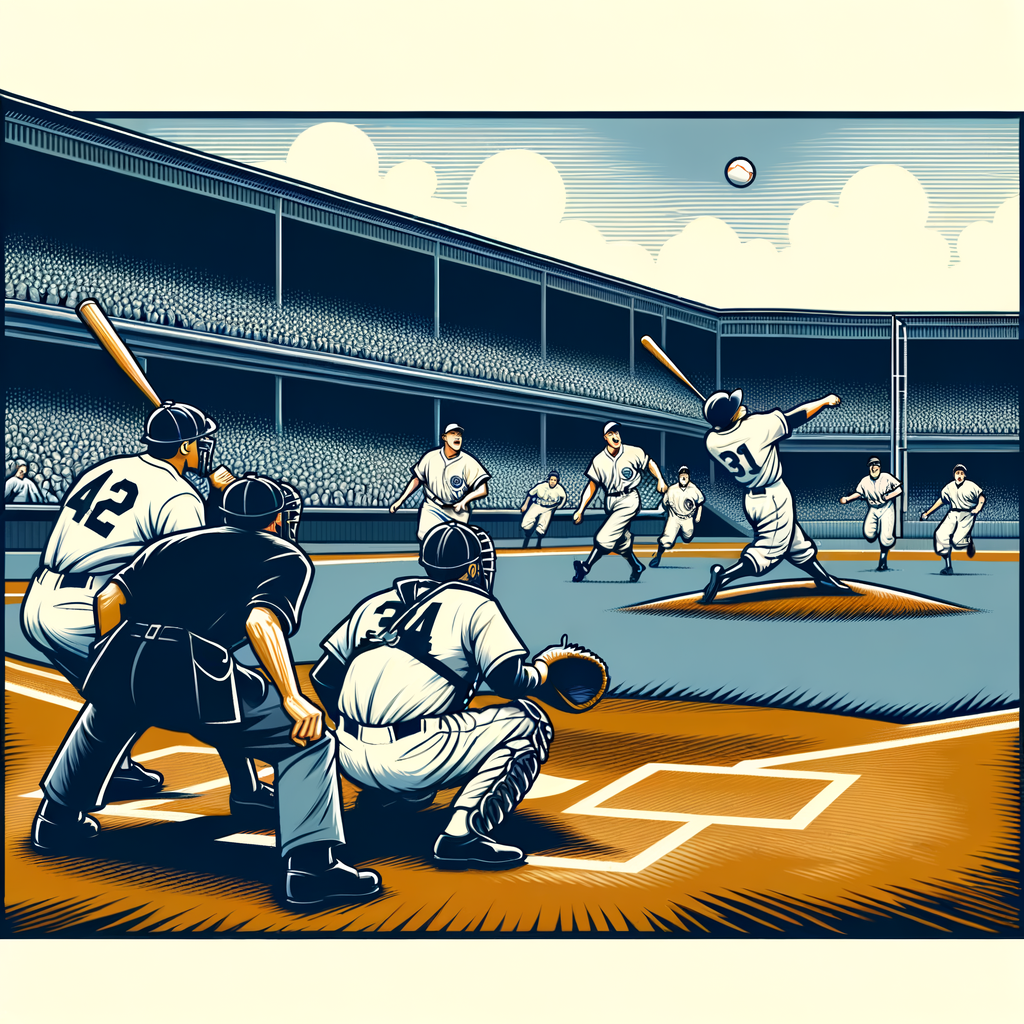
On that sunlit autumn afternoon, October 3, 1951, the Polo Grounds bore witness to an encounter steeped in history and wrought with tension. For much of the game, the Dodgers maintained a determined lead. A crucial moment arrived in the bottom of the ninth inning with two runners on base and the Giants facing a 4-2 deficit. All appeared lost until Bobby Thomson dug into the batter’s box under the immense weight of anticipation from the onlookers and millions listening intently via radio.
On a 0-1 pitch delivered by Dodger hurler Ralph Branca, Thomson swung mightily, propelling the baseball high and deep into left field—and just like that, dreams materialized in the magical form of a pennant-winning home run. “The Shot Heard ‘Round the World” didn’t merely sail over the outfield fences; it soared into immortality. Ernie Harwell’s spine-tingling narration on radio broadcasts captured the moment’s essence, allowing everyone to feel the joyous energy, heart-stopping disbelief, and proud triumph radiating from the Polo Grounds. It wasn’t merely a scored home run—it symbolized a statement of audacious courage, a victory for the underdogs, a moment of pride framing baseball’s legacy.
This singular, significant swing not only secured the win in an enthralling 5-4 outcome for the Giants but transformed Bobby Thomson into an eternal figure in sports lore. At that time, the radio commentary and devastated expressions from the Dodgers’ camp, further emphasized the moment. It was tantamount to a tale of unfathomable heroics, bringing the entire nation to a collective standstill, listening, reveling, and revelating in that unique beauty woven into the fabric of American life.
Legacy and Conclusion
The repercussions of “The Shot Heard ‘Round the World” transcended the boundaries of sports, and the aftershock reverberated across continents. It was more than an expression of competitive spirit; it signaled victory in challenges, a metaphorical beacon of possibility. Even for those not bound by geography or allegiance, the shot embodied a feeling unique to the American psyche, reminiscent of revolutionary sentiment and perseverance. It was a story of hope captured in an instant which meant that, even in the face of adversity, triumph is a pitch or swing away. The 1951 Giants crafted an impactful narrative of consistency and brilliance throughout the season.
Adherents of baseball remember the event with fondness and reverence for its high drama and profound humanity. Reflecting on the talents of Bobby Thomson, the managerial genius of Leo Durocher, and the team’s collective resilience echoes, the resilient season captured the imagination of current enthusiasts and enriched the sport’s legacy. The 1951 Giants’ miraculous rise from challenging circumstances encapsulated the exuberance and unpredictability of sports, lending credence to why baseball continues to be revered and cherished across generations.
Ultimately, the Giants and the 1951 National League playoffs are enshrined in baseball’s cultural heritage, serving as the quintessential example of why sports endure in our lives and memories. The narrative of overcoming formidable odds, writing a story of triumph, and merging personal prowess with collective willpower remains etched in the baseball tapestry for posterity. Bobby Thomson’s shot, immortalized in literature and reflection, ensures that “The Shot Heard ‘Round the World” resonates vibrantly, perpetuating the joy, drama, and undying belief it inspired. The 1951 Giants forged a legacy not just played for accolades but ingrained in identity and shared cultural experience, reverberating with new generations in aspiring to replicate their glory.
Frequently Asked Questions
1. What is “The Shot Heard ‘Round the World”?
“The Shot Heard ‘Round the World” refers to one of the most famous moments in baseball history—a walk-off home run hit by Bobby Thomson of the New York Giants on October 3, 1951. This historic event took place during the National League playoff game against their arch-rivals, the Brooklyn Dodgers, and remains one of the most dramatic endings in Major League Baseball history.
This homer came in the bottom of the ninth inning of the third and decisive playoff game, bringing the Giants back from a 4-1 deficit to win the pennant by a score of 5-4. The phrase “The Shot Heard ‘Round the World” eloquently captures the monumental impact of the hit, as news of the thrilling win rapidly spread not just across the United States, but resonated internationally given the dramatic nature of the victory and the rivalry between the two teams. Thomson’s home run came at a time when radio broadcasts were the norm and television was still gathering steam— reports and replays of Thomson’s swing became a sports broadcasting phenomenon.
2. Why was the 1951 Giants’ season so significant?
The 1951 Giants season is considered one of the most stunning comebacks in baseball history. Starting the season sluggishly, the Giants found themselves trailing by a significant 13 ½ games behind the Brooklyn Dodgers as late as mid-August. However, rather than succumbing to what seemed like insurmountable odds, the Giants displayed an indomitable spirit, compiling an improbable run that ultimately saw them win 37 of their last 44 games, catching the Dodgers to force a best-of-three playoff series to decide the National League pennant.
The season’s crescendo to a climax—highlighted by Bobby Thomson’s legendary home run—made their story one of perseverance, excitement, and pure baseball drama. Their resurgence and the thrilling finish to the season captivated baseball fans and solidified the 1951 Giants as a storied team in the baseball annals.
3. Who was Bobby Thomson, and why is he important in baseball history?
Bobby Thomson, born in Glasgow, Scotland, and raised in Staten Island, New York, was a right-handed outfielder for the New York Giants. Before 1951, he was a talented player known for his consistent hitting and solid play in the outfield. However, it was his home run during the deciding game of the 1951 National League playoffs that catapulted him to legendary status.
The significance of Thomson’s home run lies in its timing, drama, and the historical rivalry between the Giants and Dodgers. Nicknamed “The Flying Scot,” Thomson rocketed into baseball immortality with the swing of his bat. His homer didn’t just clinch the pennant for the Giants; it also left a lasting imprint on the cultural fabric of baseball, representing the unpredictable, electrifying nature of the game. After his playing career, Thomson embraced his place in history, often revisiting and recounting that iconic 1951 season and its finale with fans and at baseball events around the country.
4. How did the playoff system work during the 1951 season?
The 1951 season was still in an era long before the wild card format or divisional play to which modern baseball fans are accustomed. During that time, the National League (as well as the American League) consisted of eight teams. The team with the best regular-season record at the end of the 154-game season would earn the right to advance to the World Series.
In 1951, both the Giants and Dodgers concluded their regular season with identical records, forcing a three-game playoff series to determine the league champion. The Giants and Dodgers split the first two games, setting the stage for the unforgettable third game at the Polo Grounds in New York City, where Bobby Thomson would seal his magnificent play with the “Shot Heard ‘Round the World.”
5. What was the broader impact of “The Shot Heard ‘Round the World” on baseball and popular culture?
“The Shot Heard ‘Round the World” transcended sport, becoming an iconic symbol of American culture and reflecting the high drama inherent in baseball. The play encapsulated a narrative of rivalry, suspense, and the improbable, galvanizing a nation and leaving an enduring legacy that enhanced the allure of baseball as America’s pastime. Economically, it also gave rise to broadcast innovations, as live radio coverage, television replays, and long-circulating audio bites turned the event into an early example of modern sports media magnification.
Fans savoring that moment as children passed down tales of that playoff game to younger generations, ensuring its place in the pantheon of great sports moments. In film, literature, and beyond, the 1951 Giants, Bobby Thomson, and his historic home run became revered symbols of triumph against odds and the unpredictable thrill that makes baseball such a beloved sport.