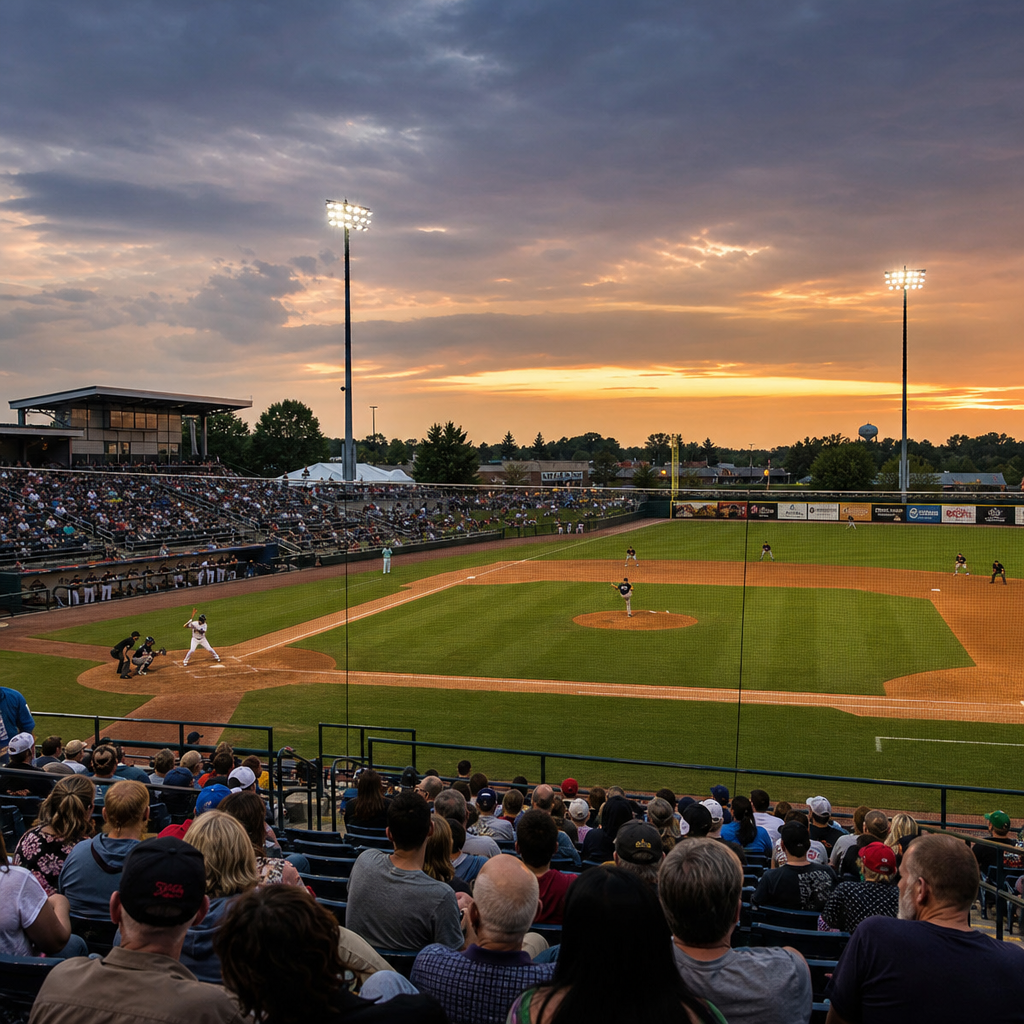
Minor league baseball thrives where ambition meets intimacy, and that is exactly why small towns embrace it so fiercely. In the broadest sense, minor league baseball refers to the professional development system below Major League Baseball, made up of affiliated clubs and independent teams that train prospects, entertain local fans, and anchor civic identity. A sub-pillar hub on miscellaneous topics within minor leagues and college baseball has to do more than summarize standings or list team names. It should explain the ecosystem: how player development works, why communities invest in ballparks, what makes the fan experience distinct, and how college baseball intersects with scouting, drafting, and regional loyalty. After years of covering and attending games from rookie complexes to college summer leagues, I have seen the same pattern repeat. People arrive for an affordable night out, then return because the experience feels personal in a way top-tier professional sports often cannot. That blend of access, aspiration, and local ownership is the real lure of minor league baseball.
For readers exploring minor leagues and college baseball, this hub matters because many of the most important stories sit outside the obvious headlines. The miscellaneous category includes the business of small-market franchises, promotions that keep gates strong, roster churn, historic stadiums, travel demands, MLB affiliation changes, player housing, and the role of college programs as talent pipelines. It also includes fan questions that deserve direct answers: Is the quality of play good? Why do teams change names? How do college wood-bat leagues fit into player development? Why do some towns support teams for generations while others lose them? These questions matter because minor league baseball is not simply a lower level of the majors. It is a different product with different economics, different community expectations, and a different emotional payoff. Understanding that difference helps fans follow prospects more intelligently, appreciate college baseball’s contribution, and see why a Friday night game in a town of 40,000 can feel as meaningful as a major league event in a city of millions.
The Structure Behind the Romance
The charm of minor league baseball is real, but the structure behind it is what sustains the sport. Affiliated minor league clubs operate within MLB’s player development system, which includes levels such as Triple-A, Double-A, High-A, and Single-A. Each level generally represents a different stage of development. Triple-A is closest to the majors, where organizations stash depth and refine nearly ready players. Double-A is often the separator level, where advanced prospects face better command, sharper breaking balls, and more disciplined hitters. High-A and Single-A emphasize foundational growth, including swing decisions, pitch design, defensive versatility, and professional routines. Independent leagues sit outside formal MLB affiliation, yet they remain significant because they provide jobs, comeback opportunities, and a proving ground for overlooked players.
College baseball fits into this structure more directly than casual fans realize. NCAA programs, junior colleges, NAIA schools, and summer wood-bat leagues all feed the talent pipeline. Scouts often evaluate not only physical tools but also how players adapt across environments. A hitter who succeeds with metal bats in a major college conference still has to demonstrate bat speed, plate discipline, and wood-bat translation. Summer leagues such as the Cape Cod Baseball League have long carried weight because they help evaluators compare college players with wood bats in concentrated competition. In practical terms, a fan following this hub should understand that minor league baseball and college baseball are not separate worlds. They are linked stages in the same developmental arc, and that connection explains why draft coverage, prospect rankings, and local recruiting stories matter so much to small-town fans.
Why Small Towns Buy In So Completely
Small towns support minor league baseball because the team becomes a civic institution rather than just an entertainment option. In many markets, the ballpark is one of the few places where local government, schools, small businesses, and families gather regularly in the same space. That gives teams unusual cultural value. A club can host a game, a school fundraiser, a holiday event, and a charity walk in the same venue within one month. I have watched downtown districts fill up before first pitch because restaurants know game nights drive traffic. That local economic halo is one reason municipalities continue to partner with ownership groups on stadium upgrades, infrastructure, and promotional planning.
Affordability is another major factor. Minor league baseball usually offers lower ticket prices, cheaper parking, and more approachable concessions than major league sports. For a family, that difference is not trivial. It determines whether attending games becomes a routine habit or a once-a-year splurge. Yet price alone does not explain loyalty. The deeper reason is access. Fans can sit close enough to hear infield chatter, get autographs without elaborate logistics, and watch future major leaguers at a stage when development is still visible. In college baseball, the same intimacy exists. Local supporters follow recruits, know assistant coaches, and can track players from conference play to summer ball to the draft. That proximity creates emotional investment, which is harder to build in larger, more commercial sports settings.
What Fans Actually Get From the Experience
The fan experience in minor league baseball is intentionally broad. Teams are not selling only the game on the field; they are selling an evening that works for diehard baseball people and casual visitors at the same time. Promotions, mascots, themed jerseys, postgame fireworks, and between-inning entertainment are not distractions from the product. They are core parts of the business model. In smaller markets, front offices have to attract families, local sponsors, youth teams, retirees, and tourists. A team that relies only on baseball quality will struggle at the gate, especially in markets with competing summer activities.
That does not mean the baseball is secondary. The opposite is true for many fans. Prospect-focused followers come for measurable development: a shortstop improving his first step, a pitcher adding sweep to a slider, a catcher refining game calling. Casual attendees may not describe those details, but they can still sense the urgency. Players are competing for promotions, organizational favor, and career survival. The stakes are professional even when the atmosphere feels relaxed. College baseball adds another layer because rivalry, school identity, and postseason formats such as regionals and super regionals can produce exceptionally intense games. For many communities, that blend of serious competition and welcoming presentation is exactly the point.
| Feature | Minor League Baseball | College Baseball | Why It Matters to Fans |
|---|---|---|---|
| Primary purpose | Professional player development and local entertainment | School competition and draft preparation | Explains differences in roster stability and team identity |
| Roster continuity | Frequent promotions, demotions, rehab assignments | More seasonal continuity, though transfers affect depth | Shapes how fans build connections with players |
| Atmosphere | Family-focused, promotional, community-centered | Campus-driven, rivalry-heavy, tradition-based | Helps fans choose the experience they prefer |
| Talent evaluation | Prospect progression against pro competition | Draft stock, wood-bat translation, conference strength | Adds context to scouting and future MLB projections |
| Economic model | Tickets, sponsorships, concessions, affiliations | Athletic department funding, ticket sales, donors, media | Shows why facilities and market behavior differ |
The Business Realities Behind Every Charming Ballpark
Minor league baseball survives on margins that require disciplined operations. Revenue comes from tickets, premium seating, sponsorship packages, naming rights, concessions, merchandise, parking, and special events. For affiliated clubs, MLB supplies players and coaches, but local ownership typically manages the ballpark business. That means weather, attendance variability, and sponsorship renewals can materially affect stability. The Professional Development License system reshaped those relationships by formalizing standards around facilities, travel, and player working conditions. Those standards improved some areas, especially clubhouses and training spaces, but they also increased pressure on municipalities and ownership groups to fund upgrades.
College baseball has parallel pressures. Programs in the SEC, ACC, Big 12, and other well-resourced conferences can draw major crowds and invest heavily in player development technology, while smaller schools may operate with tighter budgets and less national visibility. Named tools such as TrackMan, Rapsodo, Blast Motion, and high-speed video systems are now common in serious development settings. Their presence matters because modern baseball decisions increasingly rely on measurable data: spin rate, vertical approach angle, exit velocity, chase rate, and bat speed. Fans do not need to become analysts to appreciate this shift, but understanding it explains why some organizations and programs consistently produce better outcomes. Development is not accidental. It is built through infrastructure, coaching alignment, and a clear process.
Player Development, Human Realities, and Constant Movement
The dream attached to minor league baseball can obscure how demanding the life really is. Players deal with bus travel, uncertain promotions, injuries, shared housing, and short evaluation windows. Even with recent improvements in pay and housing support, the profession remains unstable for many athletes. I have spoken with players who changed levels three times in one summer and had to recalibrate to new coaches, opponents, and routines almost immediately. That instability is part of why fans who follow the minors closely often become more empathetic. The player on the field is not just chasing the major leagues; he is trying to hold onto a career under relentless scrutiny.
College baseball carries its own pressures. Scholarship limitations, transfer portal movement, name, image, and likeness opportunities, and draft decisions all shape roster building. A standout sophomore may choose between returning for development, transferring for exposure, or signing professionally if draft leverage aligns. Coaches now recruit high school players, junior college transfers, and portal additions simultaneously. For fans, this means rosters can change faster than they did a decade ago. It also means local attachment increasingly depends on following programs, systems, and coaching identities rather than assuming a roster will stay intact for multiple years. The best way to enjoy this world is to embrace movement as part of the story rather than a disruption to it.
The Cultural Value of Names, Traditions, and Local Identity
One of the most distinctive features of minor league baseball is branding. Team names, alternate identities, logos, and theme nights can seem quirky on the surface, but they are usually rooted in local history or regional symbolism. When done well, branding turns a club into a shorthand for place. Fans are not just wearing a cap; they are advertising civic identity. Teams that reference local industries, folklore, food traditions, or historical events often build stronger merchandise sales because the brand feels owned by the community. This is also why rebrands can trigger strong reactions. In small markets, the team identity belongs emotionally to residents, not just the front office.
College baseball traditions work similarly, though through school rituals rather than mascots alone. Fight songs, student sections, stadium chants, alumni weekends, and rivalry series create continuity across generations. That continuity is especially powerful in towns where the college program is the highest-profile sports property around. The practical lesson for anyone using this hub is simple: never dismiss the miscellaneous details. Promotions, logos, stadium food, student rituals, and local sponsorships are not side notes. They are often the very mechanisms that transform a baseball team into a durable community asset.
How to Follow the Subtopic With More Insight
If you want to get more from minor leagues and college baseball, follow them at three levels at once. First, watch the field with purpose. Track development indicators such as command, defensive consistency, plate discipline, and role changes. Second, follow the organization. Read prospect reports, coaching updates, affiliate news, conference standings, and facility investments. Third, pay attention to the town or campus around the team. Attendance trends, sponsor activity, alumni engagement, and stadium improvements often reveal where a program or franchise is heading before the standings do. This hub exists to connect those layers, because understanding the surrounding context makes every game more meaningful.
The enduring appeal of minor league baseball is not nostalgia alone. It is the rare combination of professional ambition and local belonging. Small towns and college communities get to witness talent in progress, participate in traditions that feel personal, and support institutions that strengthen regional identity. That is why minor league baseball continues to matter even as the sports landscape grows more national, digital, and expensive. Use this hub to explore the miscellaneous stories that hold the whole subtopic together, then follow a local team, visit a ballpark, or watch a college series with sharper eyes. The dreams are big league, but the connection is built close to home.
Frequently Asked Questions
What makes minor league baseball so appealing in small towns?
Minor league baseball fits naturally into small-town life because it offers something bigger professional sports often cannot: closeness. Fans are not just watching a game from a distance; they are participating in a community ritual. In many small towns, the ballpark becomes a shared gathering place where families, longtime residents, and newcomers all meet on equal footing. Tickets are affordable, parking is manageable, and the overall experience feels welcoming rather than overwhelming. That accessibility helps turn a night at the park into a regular tradition instead of a rare luxury.
There is also an emotional draw that comes from the blend of ambition and intimacy. Minor league teams are filled with players chasing major league dreams, so every game carries a sense of possibility. Fans know they may be seeing a future star before the rest of the country knows the name. At the same time, the setting remains personal. Children can get autographs, fans can recognize players around town, and local businesses can sponsor promotions that feel genuinely rooted in the place. For small towns, that combination of aspiration, affordability, and community identity is powerful. The team does not just entertain the town; it becomes part of how the town sees itself.
How does minor league baseball support local identity and civic pride?
Minor league baseball often becomes a public symbol of a town’s character. Team names, logos, mascots, and in-stadium traditions frequently reflect local history, industries, landmarks, or regional humor. That branding is more than marketing. It gives residents a way to celebrate where they live in a form that is visible, repeatable, and easy to rally around. When a town sees its culture represented on uniforms, signage, and community events, the team starts to feel like an extension of local identity rather than just a business operating nearby.
The civic value deepens because these clubs usually operate as active community partners. Minor league teams regularly host school nights, charity drives, youth camps, civic ceremonies, and themed events that reinforce a sense of belonging. In many places, the ballpark becomes a venue not only for baseball but for fireworks, job fairs, holiday events, and public celebrations. That repeated presence helps the club earn trust and recognition across generations. A championship run can energize a town, but even ordinary seasons can create pride simply by giving residents a visible institution to support together. In small towns especially, where civic symbols matter and shared experiences carry weight, a minor league team can become one of the clearest expressions of local spirit.
What is the difference between affiliated minor league teams and independent baseball teams?
Affiliated minor league teams are connected to Major League Baseball organizations through the player development system. Their main role is to help develop prospects under the direction of a parent club. That means the major league organization usually controls player assignments, promotions, and many baseball operations decisions. Fans of affiliated teams often follow them with an extra layer of excitement because they are watching players move up a structured ladder toward the majors. If a highly regarded prospect comes through town, the local ballpark briefly becomes a front-row seat to the future of the sport.
Independent teams, by contrast, operate outside the official MLB farm system. They are still professional clubs, but they manage their own rosters and function without direct affiliation to a major league parent organization. These teams can include overlooked veterans, late bloomers, former prospects seeking another chance, and players building résumés in hopes of being signed by affiliated organizations. For fans, independent baseball often offers a slightly different appeal. The stakes remain real, the talent is competitive, and the connection to the town can feel especially strong because the club’s identity is not tied to a distant major league franchise. Both models matter in the broader baseball landscape. Affiliated teams emphasize player development within a formal pathway, while independent clubs often highlight resilience, opportunity, and local entertainment with a distinctive community-first identity.
Why do minor league ballparks and game-day experiences feel so different from Major League Baseball?
Minor league ballparks are intentionally designed to be more intimate, interactive, and family-friendly than the massive scale often associated with Major League Baseball. The seating bowl is closer to the action, sightlines feel personal, and there is a sense that every fan is part of the event rather than simply one face in a crowd. Promotions are a major part of that atmosphere. Between-inning contests, themed nights, mascot antics, giveaways, fireworks, and local food partnerships are all central to the experience. The goal is not just to present a game but to create a full evening of entertainment that appeals to serious baseball followers and casual attendees alike.
That difference also comes from the role these teams play in their markets. Major league clubs can rely heavily on brand power, television reach, and star recognition. Minor league teams usually have to win audiences through creativity, personality, and local relevance. As a result, the atmosphere can feel looser, more playful, and more connected to the surrounding community. Fans might hear local music, see local sponsors prominently featured, and participate in traditions unique to that town. The baseball still matters, especially for those tracking player development, but the event is built to be inclusive. That is a major reason minor league baseball has such staying power in small towns: it turns the sport into a communal experience without sacrificing the authenticity of the game itself.
How does minor league baseball influence the economy and everyday life of a small town?
Even when a team is not a massive economic engine in the way a major league franchise might be, minor league baseball can have a meaningful and visible impact on a small town’s economy. Game nights bring foot traffic to restaurants, bars, hotels, and nearby retail businesses. Seasonal jobs at the stadium create employment opportunities, and partnerships with local vendors keep more spending within the community. The ballpark can also attract visitors from neighboring towns and regions, introducing new customers to local businesses that might otherwise be overlooked. Over time, that regular activity can help support downtown development, reinforce tourism efforts, and give civic leaders a valuable asset around which to build events and promotion.
Just as important is the effect on everyday life. A minor league team gives the calendar structure. Opening Day, rivalry games, summer homestands, and special promotions become recurring social markers that residents look forward to. Families plan outings around them, youth players attend camps and clinics, and community groups use games as gathering opportunities. In that sense, the team contributes to social infrastructure as much as economic activity. It helps shape how people spend time, connect with neighbors, and experience the town in public. For small communities, that kind of consistent shared rhythm matters. Minor league baseball does not simply fill dates on a schedule; it helps create a local culture that feels active, connected, and proud of its own traditions.