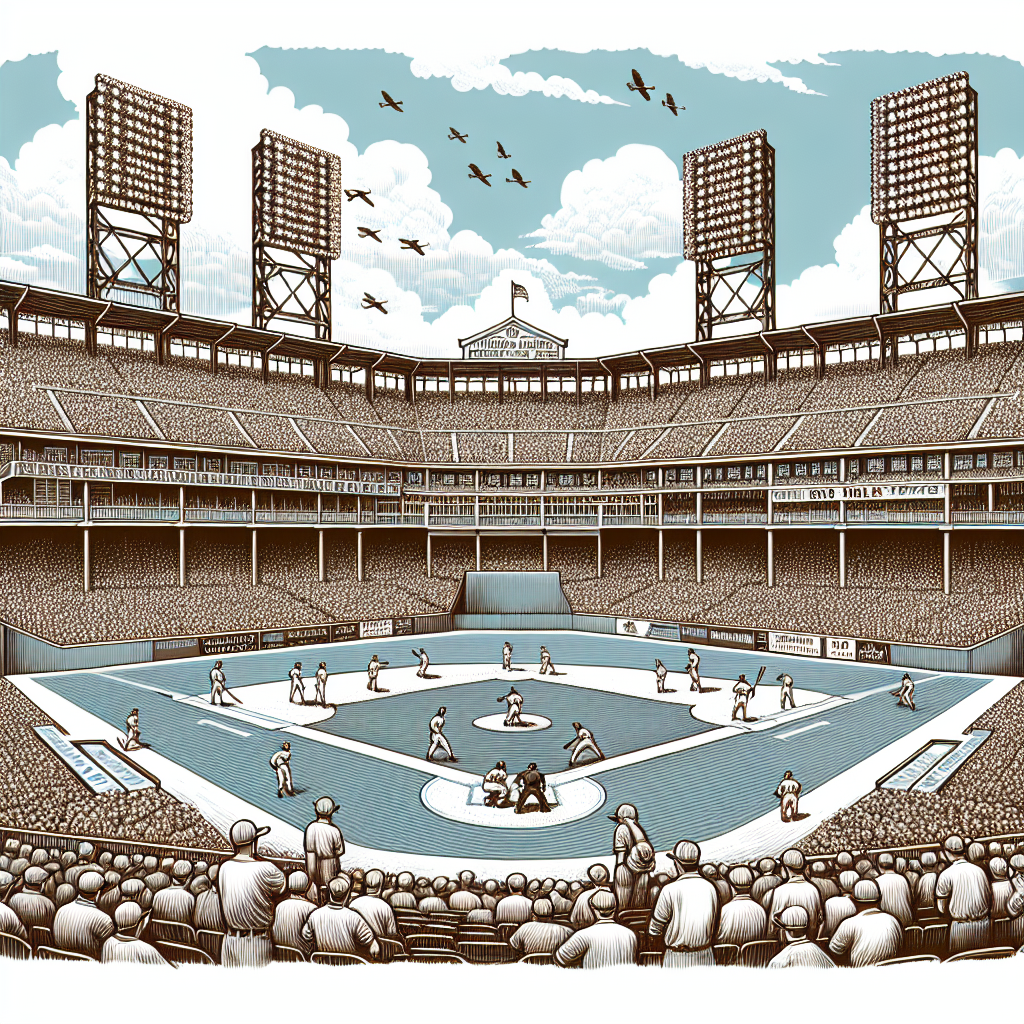
Shibe Park stands as a beacon in the annals of baseball history, a physical embodiment of the sport’s evolution over the years. Nestled in the heart of Philadelphia, this storied ballpark served as the venerable home of the Philadelphia Athletics, an iconic team in Major League Baseball (MLB). Beyond its role as host to many a thrilling game, Shibe Park is lauded for its architectural mastery and its role in pioneering modern baseball stadiums. Opened in April 1909, Shibe Park broke new ground by being one of the first constructed entirely out of steel and concrete, heralding an era where wooden ballparks would become relics of the past.
The visionaries behind Shibe Park were Benjamin Shibe and Connie Mack. Benjamin Shibe, an astute businessman and part-owner of the Athletics, dreamt of creating a state-of-the-art ballpark. Connie Mack, the famed manager and eventual president of the Athletics, lent his keen insights into what would best serve the team’s and fans’ needs. Their collaboration resulted in a magnificent structure with a maximum seating capacity of approximately 23,000 – a figure that would expand over the following decades.
The park was not only remarkable for its physicality but also for its innovations. For the first time, baseball enthusiasts could witness games under the glow of electric lighting, an invention adding a new dimension to America’s pastime. Even the diamond’s playing surface was ahead of its time, immaculately maintained to ensure the best conditions for play. Shibe Park thus stood as a testament to progress, creativity, and the undying love for baseball that gripped its founders and its city.
The Birth of Shibe Park
Constructed in the early part of the 20th century, Shibe Park emerged at a time when baseball itself was undergoing pivotal changes. The advent of the American League, the Athletics’ home league, marked a period of expansion and increased competition. The wooden ballparks of yore were becoming obsolete, with durability and safety becoming central concerns. It was against this backdrop that Shibe Park was envisioned and brought to life.
The park was designed by the prominent architectural firm of William Steele & Sons, known for their expertise in large-scale industrial and commercial buildings. The decision to use steel and concrete was revolutionary. These materials rendered Shibe Park not just structurally superior but also more fire-resistant than its wooden predecessors. This was a significant development in an era where fires often ravaged ballparks, abruptly halting games and sometimes causing tragic losses.
Additionally, the aesthetics of Shibe Park were designed to impress. The stadium featured arched windows, unique and intricate brickwork, and other ornate details that gave it a sense of grandeur. Costing approximately $315,000 – a considerable sum at the time – Shibe Park symbolized the Athletics’ and their owners’ commitment to providing fans with an unparalleled viewing experience. From the moment the gates opened, Shibe Park became a cultural and social hub, drawing not just local fans but baseball aficionados from across the nation.
Significant Events and Milestones
Throughout its 61-year history, Shibe Park played host to numerous significant events and milestones that have shaped baseball. One of the most memorable was the Major League Baseball All-Star Game in 1943. This game was not just a showcase of talent but a beacon of hope and entertainment during the troubled times of World War II. Fans filled the stadium, reveling in the chance to witness the best players from both leagues compete in a dazzling display of skill and sportsmanship.
Shibe Park also witnessed one of the most remarkable feats in baseball – hitting for the cycle. Legendary players such as Jimmie Foxx graced its field. Foxx, a cornerstone of the Athletics’ lineup, was known for his prodigious power and prowess at the plate. His numerous home runs at Shibe are etched into the memories of those who were fortunate enough to witness them. Additionally, Shibe Park was the setting for several World Series games, adding another layer to its rich legacy.
Moreover, Shibe Park saw innovations in broadcasting. Here, the first presidential pitch broadcast over the radio took place when President Franklin D. Roosevelt delivered a ceremonial first pitch via radio waves. This blend of sports and emerging technology captivated listeners and forever changed how fans interacted with the game. From milestone home runs to thrilling pennant races, Shibe Park provided a stage upon which baseball’s greatest stories were told.
Technological Innovation
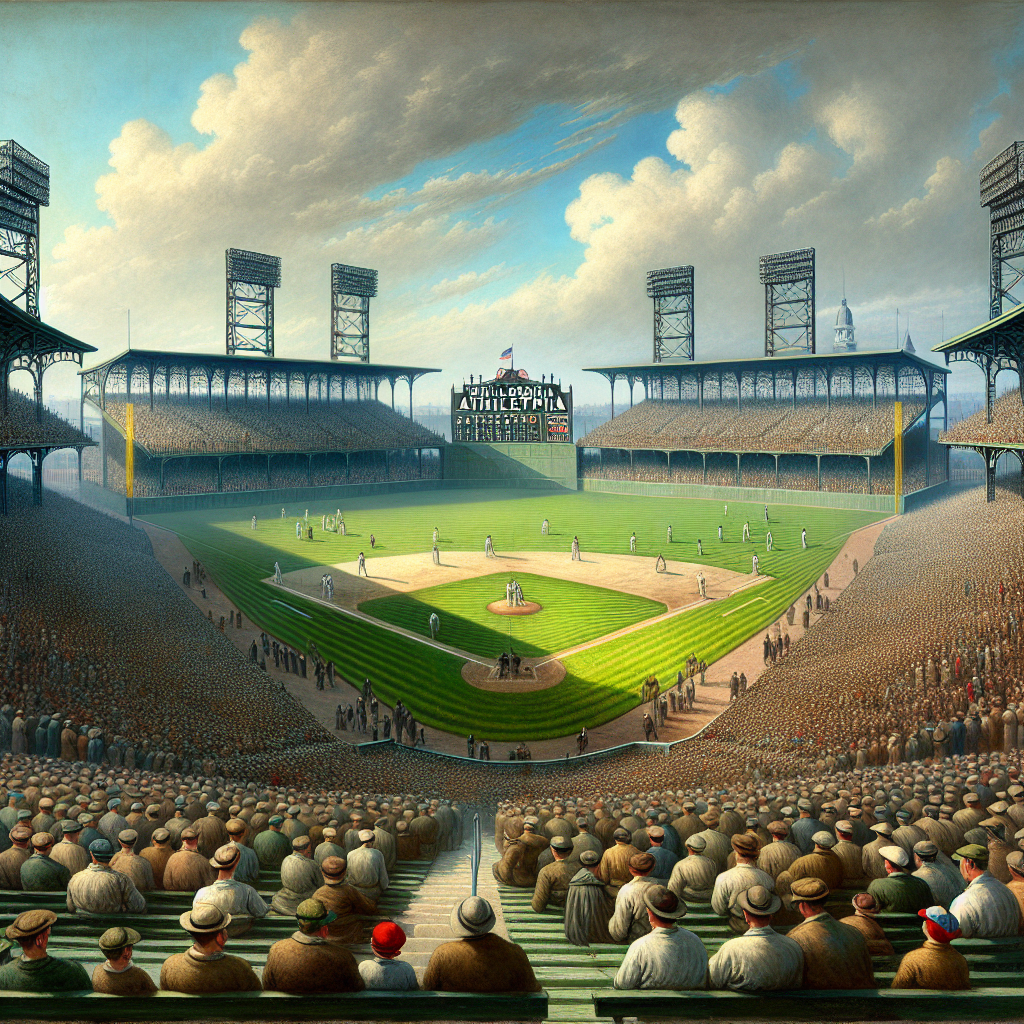
While Shibe Park’s beauty and storied history are notable, its commitment to technological advancement solidifies its legend. One of the most groundbreaking changes Shibe Park brought to baseball was the introduction of night games. Initially, baseball games were only played during the day, making it difficult for many working fans to attend. Recognizing this issue, the installation of floodlights in 1939 marked a seismic shift in how the game was experienced.
The floodlights allowed games to be played after sundown, drastically increasing attendance and enabling more fans to partake in the excitement of live baseball. The first night game at Shibe Park, played on May 16, 1939, was an instant hit, solidifying night baseball as a staple in the major leagues. This innovation not only extended the hours during which baseball could be enjoyed but also sparked other ballparks to adopt similar technology, forever changing the scheduling and marketing of the sport.
Another intriguing technological element Shibe Park introduced was the use of electronic scoreboards. While rudimentary by today’s standards, these early scoreboards represented a significant leap in providing real-time updates to the audience. Such advancements enhanced the overall fan experience, ensuring that even those seated far from the infield could follow the game’s progress with ease.
Shibe Park’s Architectural Influence
Shibe Park’s architectural blueprint set the stage for modern stadiums, influencing how future ballparks were conceived and constructed. As the first stadium built with a full steel-and-concrete design, it showcased a model of durability and aesthetic appeal that many other franchises would soon emulate. Its influence can be seen in subsequent temples of baseball such as the original Yankee Stadium, which borrowed several design concepts from Shibe’s ornate and functional approach.
Perhaps one of the most enduring legacies of Shibe Park is its advocacy for spectator comfort and enjoyment. Previous ballparks often prioritized capacity over experience, but Shibe Park shifted this paradigm. Its wide concourses, comfortable seating arrangements, and accessible amenities underscored a new era where fan experience was taken into account in the design process. The rise of multipurpose stadiums in the mid-20th century owes much to the standards established by Shibe Park.
Moreover, the architectural style of Shibe Park, incorporating elements of the Georgian and Colonial Revival styles, brought a sense of class and elegance to the sporting arena. This elegant design heightened the sense of occasion and ceremony associated with attending a baseball game, making it an endeavor that was as much about the experience as it was about the game itself. As such, Shibe Park’s influence continues to be felt in how modern arenas are built to balance functionality with fan engagement.
The Decline and Final Days of Shibe Park
Despite its many innovations and storied history, Shibe Park was not immune to the forces of change. As the mid-20th century ushered in new trends and demands, the ballpark, later renamed Connie Mack Stadium in honor of the legendary manager, began to show its age. The increase in automobile ownership and the sprawling nature of urban development made access to the park more difficult for many fans. Additionally, the demand for larger and more multifunctional stadiums became increasingly clear.
By the 1960s, newer stadiums with greater capacities and modern amenities began to emerge, rendering many aspects of Shibe Park outdated. The stadium’s location in the inner city, once a bustling and favorable spot, found itself competing with suburban ballparks that offered ample parking and easier access. The park’s aging infrastructure couldn’t keep up with the evolving expectations of fans and players alike.
The decline of the Athletics’ fortunes further compounded Shibe Park’s woes. After the team moved to Kansas City in 1955, the stadium was left with the Philadelphia Phillies as its main tenant. Although the Phillies remained, the sense of identity tied to the Athletics and the historical moments they crafted began to fade. Eventually, by the end of the 1970 season, the Phillies too bid farewell to Shibe Park, marking the end of an era. In 1976, the once-grand ballpark saw its final days, closing a chapter in baseball history with its demolition. However, its legacy and influence on the sport cannot be understated, remaining etched in the hearts and minds of baseball enthusiasts.
Conclusion
Shibe Park’s history is a tapestry woven with threads of innovation, triumph, and eventual decline. It’s more than just a physical location; it stands as a monument to the evolving nature of baseball and its intricate relationship with American society. From its groundbreaking construction to hosting memorable milestones and integrating technology that transformed the sport, Shibe Park was a pioneer in numerous aspects.
The visionaries behind its creation, Benjamin Shibe and Connie Mack, left an indelible mark on the game. Their ambition to create a modern, durable, and aesthetically pleasing ballpark culminated in a model that many would follow. Shibe Park’s introduction of night games and electronic scoreboards set new standards in fan engagement and accessibility. Its architectural influence can still be seen in the design of contemporary stadiums that prioritize both functionality and spectator experience.
While the eventual decline and demolition of Shibe Park marked the end of an era, the lessons and innovations it introduced have had a lasting impact on baseball. The history held within its walls, from thrilling World Series games to significant technological advancements, continues to inspire and inform the construction of new ballparks. As such, Shibe Park remains one of the crown jewels of baseball history, symbolizing the spirit of innovation and the timeless allure of America’s pastime.
Frequently Asked Questions
1. What was the significance of Shibe Park in baseball history?
Shibe Park holds a special place in baseball history as the home of the Philadelphia Athletics from 1909 until they moved to Kansas City in 1954. It was one of the first steel-and-concrete stadiums in Major League Baseball (MLB), marking a shift from wooden bleachers to a more permanent and grand structure. This pioneering design not only enhanced the spectator experience but also set a precedent for future stadium constructions. Its creation represented a paradigm shift at the time, capturing the spirit of modernity and progress. Shibe Park witnessed numerous historic games, legendary players, and unforgettable moments, making it an integral chapter of baseball’s rich narrative.
2. What architectural innovations did Shibe Park introduce?
Shibe Park was more than just a baseball venue; it was an architectural marvel of its time. Opening in April 1909, it was one of the first baseball parks built with steel and concrete, materials that provided a firmer, lasting structure compared to the predominantly wooden bleachers used previously. Its grand design included a spacious double-deck grandstand and a dome-like cupola that made it stand out architecturally. The stadium’s structure offered unobstructed views, enhancing the experience for fans. This innovative construction paved the way for the future of stadium architecture, influencing many subsequent ballparks in terms of planning, materials used, and design ethos.
3. How did Shibe Park impact the local community in Philadelphia?
Shibe Park was more than a sports venue; it was a community hub in Philadelphia. Located in a densely populated neighborhood, it attracted locals and visitors alike, becoming a center of city life during game days. It boosted local commerce, with businesses around the stadium thriving on the increased foot traffic. The park also fostered a strong sense of community pride and unity, providing a common ground where people from diverse backgrounds could come together to support their team. The stadium’s presence fortified Philadelphia’s identity as a vibrant sports city, contributing to the city’s economic and cultural tapestry.
4. What memorable events took place at Shibe Park?
Shibe Park was the backdrop for many memorable events in baseball history. It hosted the 1911, 1913, and 1929 World Series, where the Philadelphia Athletics shone brightly, solidifying their place in baseball’s storied past. The park also saw some legendary players such as Jimmie Foxx and Lefty Grove, whose performances electrified audiences. Moreover, Joe DiMaggio’s 56-game hitting streak came to an end at this very park, an event etched in the annals of baseball lore. The park wasn’t just a baseball venue; it also hosted boxing matches and football games, underscoring its versatility and significance in American sports culture. Its history is peppered with moments that captivated audiences and contributed to the mythos of baseball.
5. What led to the decline and eventual closure of Shibe Park?
The decline of Shibe Park was a result of several factors, most notably the increasing age of the facility which led to maintenance challenges and an inability to compete with newer stadiums offering more modern amenities. As suburban ballparks emerged with larger parking facilities and easy access, Shibe Park’s urban location became a disadvantage. Transport and parking issues made it less accessible for fans as car culture took over in the 1950s. Additionally, when the Athletics moved to Kansas City in 1954, Shibe Park lost its primary tenant, leading to diminished utilization. These factors combined contributed to its eventual closure in 1970. Despite its physical absence today, the legacy of Shibe Park endures as a pioneering icon in the development of baseball stadiums.