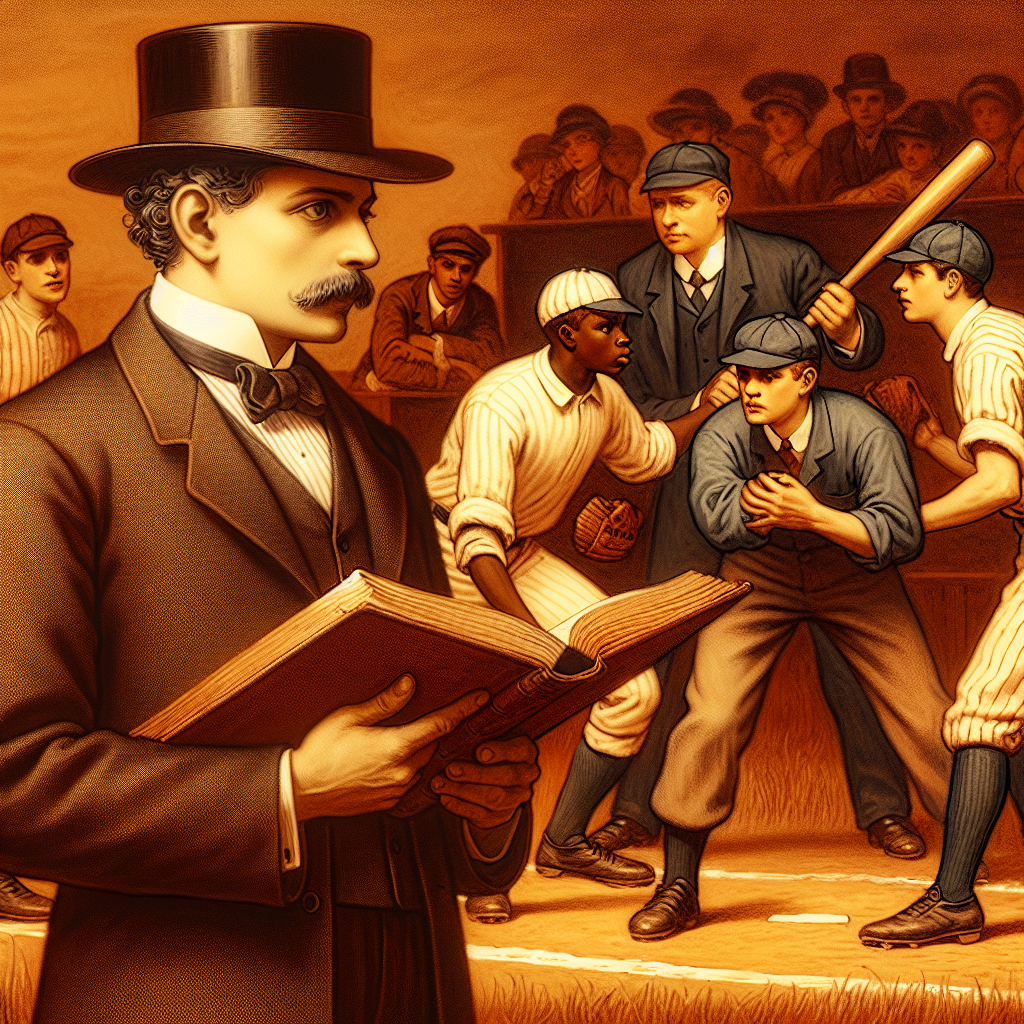
Baseball, often hailed as America’s pastime, holds a rich and expansive history that dates back centuries. Yet, a crucial aspect often underrated in the early development of the sport is the role of umpires. These arbiters of the game not only maintained the rules but significantly influenced the growth, integrity, and public perception of baseball. From the dusty diamonds of the 1800s, where spectators filled the stands armed with pocket change to throw at umpires, to the methodical professionalism we see in today’s game, the evolution of the umpire’s role mirrors the development of baseball itself. This journey, marked by trials, tribulations, and triumphs, unveils how umpires were vital to shaping early baseball, ensuring its place in the annals of sports history. Early on, the rules of baseball were ambiguous, with each team often interpreting them in a manner that best suited their strategies. It wasn’t until figures of authority, the umpires, stepped in that a standardized set of rules began to form. Their evolving role provided the foundation for a consistent and fair game, aptly balancing the scales between competitive fervor and sportsmanship. However, the path to respect and acceptance for umpires wasn’t a smooth one. The early days saw them facing significant adversities, from limited training and resources to public disdain and hostility. Despite these challenges, their unwavering commitment and evolving presence helped pave the way for a structured yet thrilling game of baseball. This article delves deep into the journey of umpires, exploring how their persistence and adaptability laid the groundwork for the baseball we cherish today.
The Formation of Baseball Rules:
In the nascent stages of baseball, the game was a hodgepodge of various local customs, with each town or city boasting its own set of rules. This lack of uniformity often led to heated disputes, overshadowing the sport’s burgeoning appeal. Enter the umpires, figures whose primary purpose was to mediate and ensure the game’s fairness and integrity. The Knickerbocker Base Ball Club of New York is often credited with creating one of the earliest sets of codified rules in 1845. However, these rules were just the beginning. As baseball’s popularity swelled, so did the need for a more complex and comprehensive rulebook. Umpires were instrumental in this development, not just in enforcing these rules but also in providing valuable feedback that continually refined them. Early umpires had the daunting task of balancing their authoritative role with a sportsmanlike approach. They were often chosen from among the spectators and were rarely trained, relying more on personal judgment than standardized guidelines. Yet, their presence was crucial. Their interpretations and decisions directly influenced gameplay and slowly shaped a unified understanding of the game. The establishment of the National League in 1876 marked a significant milestone in this journey. For the first time, there was an organized structure with a clear set of regulations that all teams adhered to, guided by umpires. This period saw the advent of more formal training for umpires, though it was still rudimentary by today’s standards. Despite the limitations, the foundations laid during this time were instrumental in transforming baseball from chaotic skirmishes into structured, professional matches.
Evolving Standards and Practices:
As baseball moved toward the late 19th and early 20th centuries, the role of umpires continued to evolve. With the establishment of professional leagues such as the American League in 1901, umpires began to gain recognition as indispensable facets of the sport. One of the most notable changes was the increase in the number of umpires per game. Initially, having just one umpire was the norm, but this solo act often led to contentious calls and heated disputes. By the turn of the century, it became common to have two, and eventually four umpires, covering bases and the outfield. This transition not only improved the accuracy of calls but also enhanced the game’s overall quality and fairness. Training programs also took a more structured form. Umpires underwent rigorous instruction in mechanics, positioning, and rule interpretation. This professionalization was crucial, as the margin for error in professional and high-stakes games grew smaller. Moreover, the public and players began to see umpires as more than just mediators; they were now guardians of the game’s integrity. The adoption of new technologies, such as the introduction of electric scoreboards and later, radio broadcasts, also impacted the umpire’s role. These advancements increased transparency and accountability, as their decisions were subject to broader public scrutiny. This era underscored the importance of precision, reinforcing the notion that umpires were essential, authoritative figures in the sport.
Challenges and Controversies:
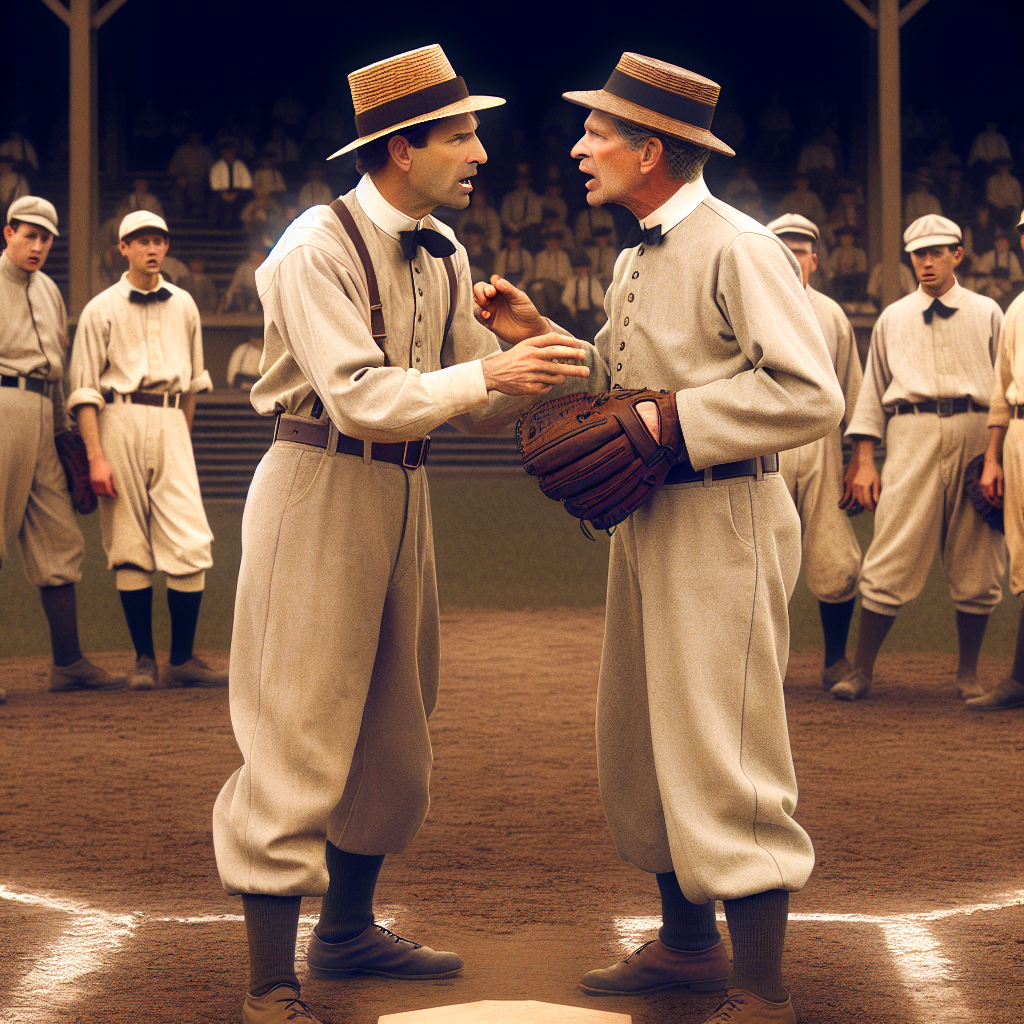
The road to professional respect for early baseball umpires was fraught with challenges and controversies. Public perception, for one, was a significant hurdle. In the late 19th and early 20th centuries, umpires often faced severe backlash from fans, players, and even team managers. Spectators would carry bags of rotten fruit or pocket change, ready to pelt an umpire following an unfavorable call. Bias accusations also plagued the early days. It was not uncommon for teams to claim that umpires were partial against them, leading to calls for greater transparency and accountability. Incidents of bribery and corruption, though relatively rare, were sufficient to tarnish the profession’s reputation. These controversies prompted the need for stricter regulations and monitoring to maintain the game’s integrity. Physical threats and assaults on umpires were not rare. In 1887, umpire Dick Higham was expelled from the National League for colluding with gamblers. Such incidents underscored the precarious position umpires often found themselves in, balancing the integrity of the sport with their personal safety. Despite these adversities, early umpires exhibited immense resilience and dedication. Their perseverance through hostile environments, combined with increasingly stringent rules and oversight, helped mitigate many of these challenges. Over time, their unwavering commitment played a key role in shaping public perception, fostering respect, and legitimizing their crucial role in baseball.
The Impact on Modern Baseball:
The legacy of early baseball umpires reverberates through the modern game in profound ways. Today’s umpires benefit from the pioneering efforts of their predecessors who laid the groundwork for the strict standards and practices observed today. The journey from rudimentary rule enforcement to a profession governed by precision and accuracy illustrates the immense growth within the role. Modern umpires undergo extensive training, including attending umpire schools where they learn the intricate details of the current rulebook, positioning, game management, and even conflict resolution. The strive for perfection manifests through regular evaluations, performance reviews, and updated training methods to keep up with the ever-evolving nature of the sport. The introduction of instant replay reviews and advanced technology has bolstered the accuracy of calls and reduced human error. Early umpires’ experiences and evolving practices have directly influenced the incorporation of technology, fostering a culture of accuracy and fairness. Additionally, the umpire’s role has expanded beyond the diamond. Today’s umpires are seen as ambassadors of the sport, engaging in community outreach, mentoring young umpires, and contributing to baseball education programs. This holistic approach highlights how integral umpires are not just to the gameplay but to the broader baseball community. The respect and recognition modern umpires command are testaments to the enduring impact of those who navigated the tumultuous waters of early baseball.
Conclusion:
The evolution of umpires in early baseball is a compelling narrative of perseverance, adaptation, and influence. From their rudimentary beginnings amidst ambiguity and hostility to their pivotal role in shaping modern baseball, umpires have indelibly impacted the sport. Their journey underscores the relentless pursuit of fairness, accuracy, and integrity that baseball embodies. Early umpires were more than just rule enforcers. They were the custodians of the game’s spirit, navigating through challenges and controversies to ensure the sport’s integrity. Their efforts laid the framework for the structured, professional, and globally revered game we witness today. Understanding the role of umpires in early baseball offers a unique perspective on the sport’s development and the intricate balance between maintaining tradition and embracing evolution. Their influence permeates through every aspect of the game, reminding us that the integrity and fairness we often take for granted were hard-earned. As baseball continues to evolve, the legacy of early umpires serves as a beacon of commitment and resilience, inspiring future generations to uphold the principles that define this beloved sport. Their story is a testament to the essential role umpires have played—and continue to play—in shaping the baseball diamond, ensuring every pitch, swing, and call honors the game’s storied legacy.
Frequently Asked Questions
1. What role did umpires play in the early development of baseball?
In the infancy of baseball, umpires were crucial to the establishment and implementation of the rules, often serving as the backbone of the sport’s framework. In the late 1800s, when the game was less organized than it is today, the presence of an umpire was essential to ensure that games were played fairly according to the agreed-upon rules. Umpires were not just enforcers; they were also central figures who mediated disputes on the field, influencing how the game was perceived by spectators and players alike. Their decisions and interpretations of the rules could significantly sway the outcome of a game, which in turn shaped fan reactions and the broader public’s trust in baseball as a legitimate sport. Despite sometimes facing hostility from spectators, who were known to express their displeasure by throwing coins, these early umpires laid down the fundamental standards that contributed to the sport’s integrity and evolution.
2. How did the role of umpires evolve over time in baseball history?
As baseball transitioned from informal, local competitions to a more organized, professional sport, the responsibilities of umpires expanded and evolved dramatically. Initially, umpires were solitary figures who ruled from behind home plate, but as the game grew, it became clear that additional eyes were needed to maintain fairness. By the early 20th century, baseball had introduced multiple umpires on the field to oversee different perspectives and areas of play. This evolution not only improved accuracy but also lent more legitimacy and professionalism to the sport. Furthermore, the establishment of official leagues prompted the need for standardized training and certification processes for umpires, which helped create a consistent set of expectations and rules enforcement across games. This professionalization of umpiring ultimately reinforced baseball’s credibility and contributed to its widespread appeal.
3. What challenges did early umpires face, and how did they overcome them?
Early umpires faced a host of challenges that stemmed mainly from the lack of consistent rulebooks and formalized training. They often had to rely on personal judgment and on-the-spot decision-making without the backup of an authoritative system of regulations. One of the toughest challenges was dealing with intense crowd interactions and dissent from players, which emerged from decisions that spectators or teams perceived as bias or errors. To overcome these challenges, umpires developed thick skins and cultivated assertive personalities that commanded respect on the field. Over time, as baseball organizations grew stronger, they began to support umpires by enforcing standards of conduct for players and crowds alike. This support helped mitigate negative spirits and conflicts, allowing umpires to perform their duties with more confidence and authority.
4. How did public perception of umpires affect baseball during its early years?
Public perception of umpires during baseball’s formative years played a significant role in the sport’s overall reputation and acceptance. Initially, umpires were often seen with skepticism and hostility, stemming from an aged stereotype of being partial or responsible for unfavorable outcomes. This perception was not helped by the vocal and often raucous crowds that judged umpires harshly. However, as the professionalism of the role increased alongside the development of baseball’s infrastructure, public perception began to change. Umpires started earning respect for their impartiality and adherence to fairness – a shift that coincided with the general public’s growing admiration for the sport. This gradual shift in perception helped solidify baseball’s status as a fair and thrilling competitive sport, securing its place in the cultural fabric of America.
5. What impact did umpires have on the rules and integrity of the game?
Umpires have been instrumental in shaping the rules and ensuring the integrity of baseball throughout its history. By enforcing the rules consistently, umpires maintained the competitive balance that is fundamental to the sport’s integrity. They were among the first to identify ambiguities or deficiencies in the rulebooks, advocating for clarifications and amendments that would enhance fair play. The role that umpires played in spotting illegal practices, such as cheating or unsportsmanlike conduct, helped preserve the sanctity of the sport. Their vigilance and commitment to upholding the rules facilitated a robust regulatory framework that has withstood the test of time. This enduring commitment has helped establish baseball as a sport revered for its commitment to fair competition and integrity.