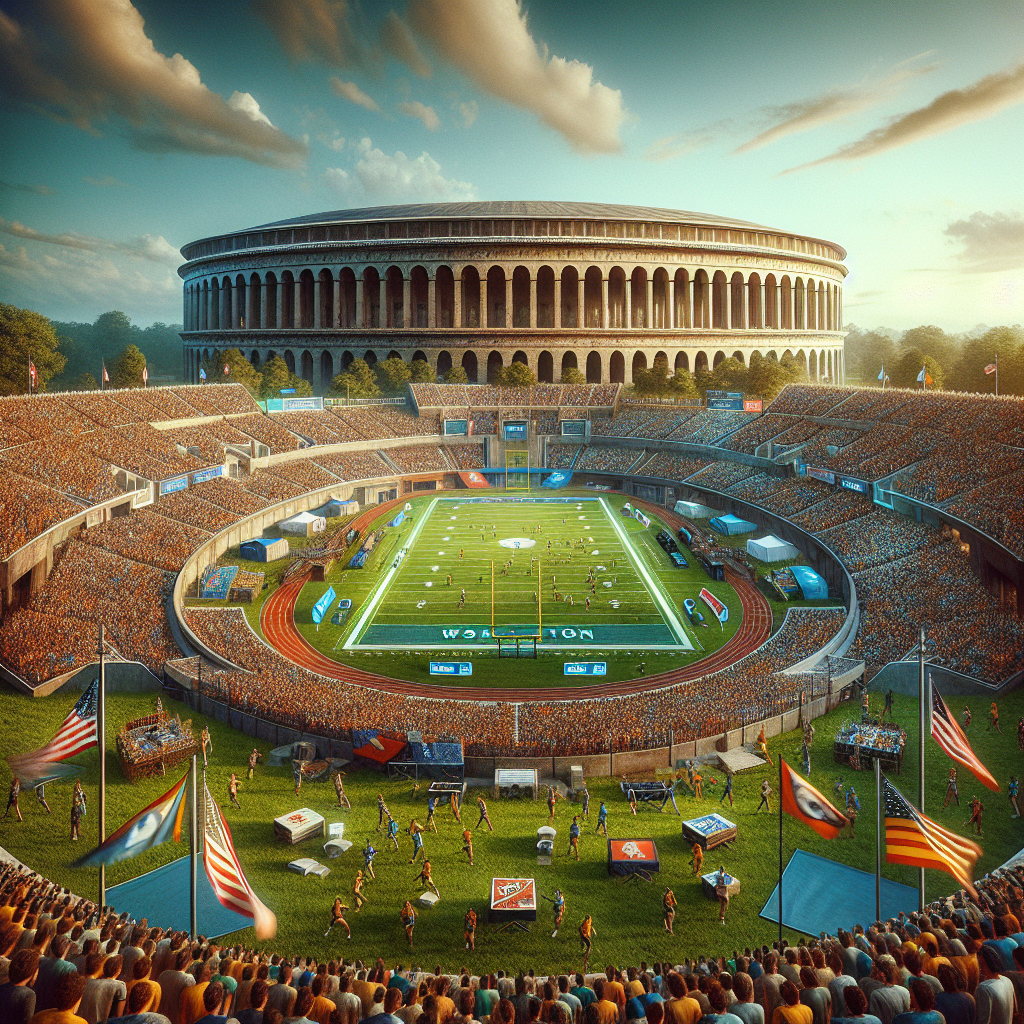
In the heart of Washington, D.C., lies a hallowed ground for sports enthusiasts—Robert F. Kennedy Memorial Stadium, commonly referred to as RFK Stadium. With its rich history and iconic status, RFK Stadium has been a pivotal venue for numerous sports and entertainment events over the decades. The stadium, which first opened its doors in 1961, has witnessed memorable moments in baseball, football, soccer, and music concerts, cementing its place in the annals of American sports history. In this comprehensive exploration, we delve into the multifaceted legacy of RFK Stadium, reflecting on its journey from a groundbreaking sports arena to a revered historic site.
Designed by architect George Dahl, RFK Stadium was initially named the D.C. Stadium. It was among the first multi-purpose stadiums in the country, conceived to host both baseball and football games. This unique feature set the stage for an array of events, making the stadium a bustling center of activity for locals and visitors alike. Over the years, the stadium underwent several renovations and modernizations to keep up with the changing times and the needs of the teams and fans it served.
As the home field for Major League Baseball’s Washington Senators, the National Football League’s Washington Redskins, and Major League Soccer’s D.C. United, RFK Stadium played a crucial role in the sports culture of the nation’s capital. Beyond sports, it also hosted numerous concerts, political rallies, and other significant events, further solidifying its reputation as a vital hub of community and entertainment.
In this article, we will take a detailed look at the stadium’s origins, its architectural marvels, the legendary games and events that took place within its walls, and its eventual decline and current status as a symbol of Washington’s diverse and dynamic history. Join us on this nostalgic journey through RFK Stadium, Washington’s iconic multi-sport historic site.
The Early Years: 1960s to 1970s
RFK Stadium’s early years were marked by the excitement and promise of a new era in Washington’s sports history. In 1961, the Washington Senators, a Major League Baseball team, christened the stadium with their first game. Although the Senators would eventually relocate to Texas as the Rangers in 1972, their tenure at RFK laid the foundation for the stadium’s storied legacy. The Senators’ games drew fans from across the region, creating a vibrant and energetic atmosphere that defined the stadium’s early years.
Concurrently, the Washington Redskins of the National Football League moved into RFK Stadium in 1961, sharing the space with the Senators. The stadium’s design, with its circular layout and adaptable seating, allowed it to seamlessly transition between baseball and football configurations. This flexibility made it a model for future multi-purpose stadiums across the country. The Redskins’ presence helped cement the stadium’s status as a central venue for the city’s sports culture.
Throughout the 1960s and 1970s, RFK Stadium was the site of numerous historic moments. One such moment was the 1962 All-Star Game, where baseball legends converged for a memorable display of talent. Additionally, the stadium hosted the first major U.S. rock festival in 1967—the Monterey International Pop Festival—which featured performances by iconic bands like The Rolling Stones and The Beach Boys. These events showcased the stadium’s versatility and its ability to bring together diverse audiences for a variety of occasions.
As the 1970s progressed, RFK Stadium continued to be a focal point for sports and entertainment in the nation’s capital. However, the departure of the Washington Senators and the changing dynamics of professional sports leagues began to signal the end of an era. Despite these challenges, the stadium’s legacy was firmly established, and it remained a beloved venue for fans and players alike.
The Golden Era: 1980s and 1990s
The 1980s and 1990s are fondly remembered as RFK Stadium’s golden era. During this period, the stadium was a bustling hub of activity, hosting some of the most memorable sports moments in Washington’s history. The Washington Redskins, in particular, experienced a period of unprecedented success, drawing massive crowds and bringing home several championships.
Joe Gibbs, the legendary head coach of the Washington Redskins, led the team to three Super Bowl victories during his tenure. RFK Stadium became synonymous with the team’s success, and the thunderous cheers of the “Hogs”—a nickname for the team’s offensive line—echoed through its stands. The stadium’s intimate design, with seats that felt almost on top of the field, created an electrifying atmosphere that made it one of the most intimidating venues for opposing teams.
In addition to football, RFK Stadium embraced soccer with the establishment of D.C. United in Major League Soccer (MLS) in 1996. The team’s arrival brought a new dimension to the stadium’s sports offerings, as passionate soccer fans filled the stands for each match. D.C. United quickly became one of the most successful teams in MLS, winning multiple championships and further enhancing the stadium’s reputation as a premier sports venue.
Beyond sports, RFK Stadium continued to host a wide array of concerts and events. The stadium was a favored venue for major musical acts, with legendary performers like the Rolling Stones, U2, and Bruce Springsteen gracing its stage. Social and political events also took place at RFK, including rallies and speeches that drew large crowds and highlighted the stadium’s role as a gathering place for the community.

Decline and Renovation: 2000s to Early 2010s
As the 21st century dawned, RFK Stadium faced new challenges that would ultimately lead to its decline. The rise of newer, state-of-the-art stadiums across the country began to make the aging RFK feel outdated. Teams and fans started to demand more modern amenities and improved facilities, putting pressure on the stadium to keep up with the times.
The Washington Redskins relocated to FedExField in 1997, marking the end of an era for RFK Stadium. While the departure of the Redskins was a significant blow, the stadium continued to serve as the home of D.C. United and various other sporting and entertainment events. In an effort to rejuvenate the stadium, several renovation projects were undertaken throughout the 2000s and early 2010s. These included upgrades to seating, lighting, and field conditions, as well as the installation of modern amenities to enhance the fan experience.
Despite these efforts, the stadium’s age and structural limitations presented ongoing challenges. The shifting landscape of professional sports, with teams moving to newer venues with greater financial incentives, further compounded the difficulties facing RFK Stadium. Nevertheless, the stadium remained a beloved and iconic site, with fans continuing to flock to its stands to support their favorite teams and enjoy the unique atmosphere it provided.
During this period, RFK Stadium also hosted a variety of international soccer matches, further solidifying its status as a premier venue for the sport. These events included World Cup qualifiers, CONCACAF Gold Cup matches, and friendly games featuring top international teams. The stadium’s ability to attract such high-profile events demonstrated its continued relevance and appeal, even as it faced the challenges of modernization and competition from newer venues.
The Final Years and Decommissioning: Late 2010s to Present
As the 2010s progressed, the reality of RFK Stadium’s aging infrastructure and the financial pressures of maintaining the venue became increasingly apparent. In 2017, D.C. United bid farewell to RFK Stadium, moving to their new home at Audi Field. This marked the end of professional sports at RFK and signaled the beginning of the stadium’s final chapter.
The departure of D.C. United left a void in the stadium’s calendar, and RFK began to host fewer events. The financial and logistical challenges of maintaining the aging structure led officials to consider its future. In 2019, the decision was made to decommission RFK Stadium, with plans to demolish the iconic venue in the coming years. This marked the end of an era for Washington, D.C., and for the countless fans who had made memories within its walls.
Despite its decommissioning, RFK Stadium’s legacy remains firmly entrenched in the hearts of sports fans and the history of the city. Efforts have been made to preserve the memory of the stadium and honor its contributions to Washington’s sports and entertainment landscape. The RFK Stadium Legacy Project, for example, has been established to commemorate the stadium’s impact and ensure that future generations remember its significance.
As plans for the site’s future are developed, there is hope that a new multi-purpose venue or community space will rise in its place, continuing the legacy of RFK Stadium as a central hub for sports, entertainment, and community engagement in the nation’s capital. The stadium’s storied past and the many iconic moments it hosted will undoubtedly continue to inspire and resonate with fans for years to come.
Conclusion
RFK Stadium’s journey from a cutting-edge sports venue to a cherished historic site reflects the evolving nature of American sports and entertainment. For over five decades, the stadium played host to a myriad of unforgettable events, leaving an indelible mark on the city of Washington, D.C., and its residents. As we look back on the stadium’s storied past, we are reminded of the unique role it played in the lives of countless fans and the rich memories it created.
From the exhilarating games of the Washington Senators and Redskins to the electrifying matches of D.C. United, RFK Stadium has been a stage for countless moments of triumph, heartache, and celebration. Its versatile design allowed it to welcome fans from diverse backgrounds and interests, making it a true community gathering place. The stadium’s contributions to music, politics, and culture also showcased its broader significance beyond the realm of sports.
As RFK Stadium faces the final stages of its existence, it is important to remember and honor its legacy. The stories and memories associated with the stadium will continue to be shared by those who experienced its magic firsthand. The legacy projects and commemorative efforts serve as a testament to the enduring impact of RFK Stadium on Washington, D.C., and the sports world.
While the stadium may no longer stand as a physical structure, its spirit and the moments it fostered will live on in the hearts and minds of fans. RFK Stadium’s place in history is secure, and its contributions to the cultural fabric of Washington, D.C., will be remembered and celebrated for generations to come.