
The annals of baseball history are laden with names that signify groundbreaking talent, iconic moments, and unforgettable legacies. Among the many who have graced the diamond, Red Faber stands out uniquely not just for his prowess but as the last legal practitioner of the spitball—a now-outlawed pitch that once dominated the sport. Let’s delve into the storied career of Red Faber, a legend who not only mastered the spitball but also exemplified the spirit of baseball during his era.
Introduction to Red Faber
Red Faber was born Urban Clarence Faber on September 6, 1888, in Cascade, Iowa. From the rolling fields of Iowa, he would embark on a journey that would see him etch his name into the chronicles of baseball history. Faber was an ingeniously talented pitcher, and his career spanned two decades, predominantly with the Chicago White Sox. Throughout his illustrious career, he amassed an impressive array of accolades, establishing himself as one of the sport’s greats.
Faber’s signature weapon was the spitball—a pitch that caused many batters to flounder with its erratic movement. The spitball was legal when Faber first started his career, and he quickly perfected the art. His mastery of this pitch helped him accumulate 254 career victories, making him one of the most successful pitchers of his time. Notably, after the spitball was outlawed in 1920, Faber was among the 17 pitchers allowed to continue using it, cementing his status as the last legal practitioner of the spitball.
Faber’s career, however, was more than just about his signature pitch. His contributions to the Chicago White Sox were invaluable, and his performances in key games demonstrated a tenacity and skill level that few could match. Over the years, his remarkable consistency, resilience in the face of adversity, and an unwavering commitment to his team and craft made him a beloved figure in the world of baseball.
The Early Years
Red Faber’s journey in baseball began in the minor leagues, where his talent quickly caught the attention of major league scouts. Signed by the Chicago White Sox in 1914, Faber made an immediate impact with his innovative pitching style. His deep understanding of baseball mechanics and ability to adapt saw him leverage his inherent talent to excel in the major leagues.
His early years were marked by a series of standout performances that established him as a force to be reckoned with. Even as a young player, Faber exhibited a level of calm and composure rare for his age. This maturity was evident in his control on the mound and his ability to deliver under pressure. He wasn’t just pitching; he was outsmarting batters, making every game an engaging battle of wits.
During these formative years, Faber developed a repertoire that included a variety of pitches, each carefully honed to keep the opposition guessing. His ability to combine speed with deceptive maneuvers made him a formidable opponent for any batter. More importantly, his skill with the spitball stood out, a pitch that would become synonymous with his name.
Though the spitball was a key part of his arsenal, Faber’s success was equally a result of his broader understanding of the game. He studied his opponents meticulously, understanding their strengths and weaknesses, which allowed him to tailor his approach for each game uniquely. This strategic mindset was a hallmark of his early years and set the stage for the stellar career that followed.
World Series Heroics and Glory
Red Faber’s contributions to the Chicago White Sox peaked during the 1917 World Series, a time when his excellence was on full display. The White Sox, led by many greats of the time, faced off against the New York Giants in a series that demanded nothing short of brilliance from its players. Faber, ever the consummate professional, delivered just that.
His performance in the World Series was exceptional. Faber pitched in four of the six games, managing to secure three victories for the White Sox. His remarkable stamina and consistent excellence underlined his importance to the team and led them to victory. This triumph was largely attributed to Faber’s precise and overwhelming pitches that left the Giants scrambling for responses. These World Series heroics firmly rooted him in the annals of baseball as a clutch player who could deliver when it mattered most.
The 1917 World Series win was not just a testament to Faber’s skill but also his relentless spirit and resilience. Despite battling injuries and facing the rigors of back-to-back games, Faber’s determination never wavered. His performance throughout the series was a clinic in mastery and control, demonstrating to the world why he was considered one of the best pitchers of his era. Many contemporaries and historians argue that without Faber’s contributions, the White Sox might not have secured their championship that year.
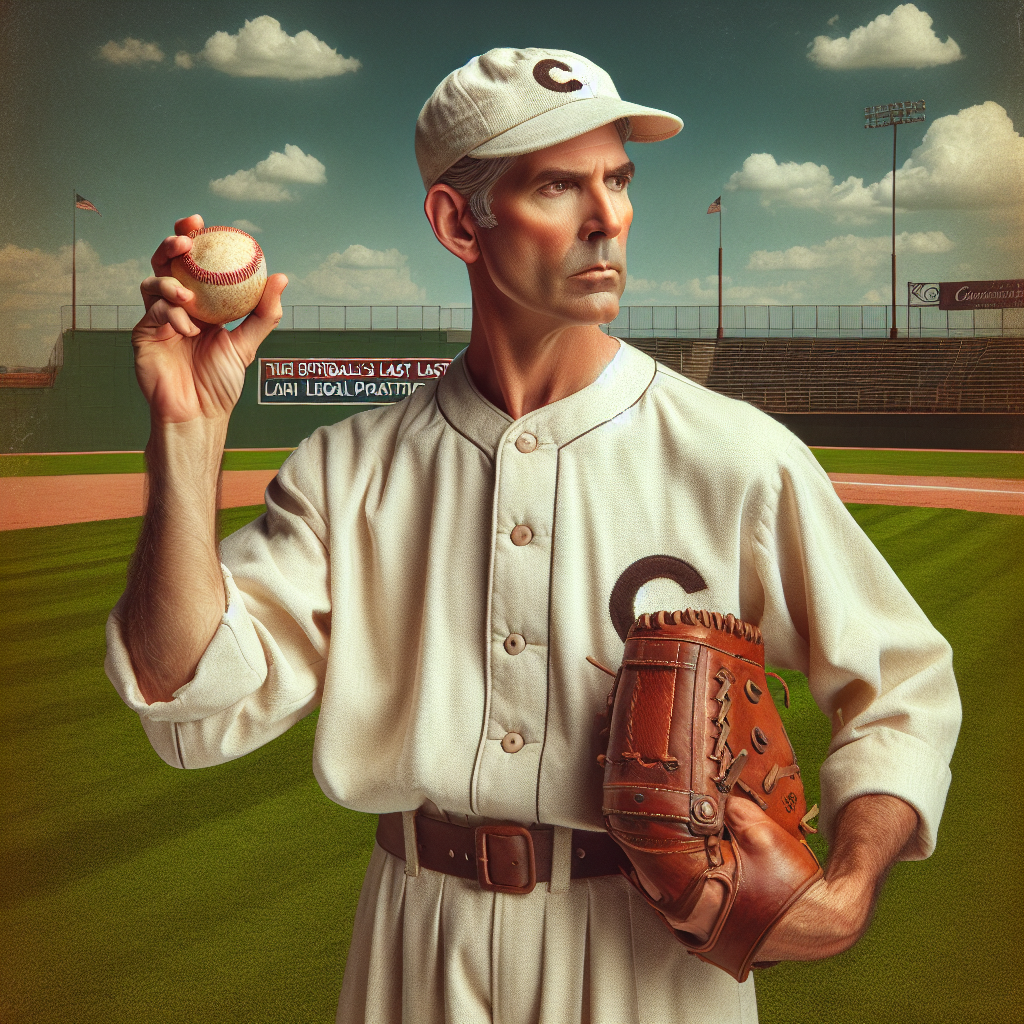
The Changing Rules and Red’s Legacy
The spitball era in baseball was tumultuous and controversial. By 1920, concerns about the safety and fairness of the pitch led to its ban. However, recognizing the pitch’s established nature and the pivotal roles of certain players, MLB grandfathered in 17 spitball pitchers, allowing them to continue using the pitch legally for the remainder of their careers. Red Faber was one among this distinguished group, underscoring his significance to the game.
Faber’s adherence to the spitball and its legal protection was a double-edged sword. While it allowed him to continue wielding his most effective weapon, it also placed him under immense scrutiny. As others transitioned to new pitching forms, Faber remained steadfast, providing a nostalgic link to baseball’s past while remaining competitive in its evolving landscape.
His dedication to the spitball illustrated his ability to adapt and thrive despite shifting regulations. He remained dominant on the mound well into the late 1920s, showing that the integration of skill, strategy, and adaptability could transcend the changing rules of the sport. More importantly, it left a lasting legacy, bridging the past and future of baseball pitching tactics.
Challenges and Triumphs Off the Field
Behind Red Faber’s on-field antics lay a man beset with personal challenges and triumphs accrued off the field. Health issues plagued him intermittently, but his perseverance remained unyielding. Faber suffered from the Spanish flu in 1918, a pandemic that ravaged countless lives worldwide. This illness kept him out of the infamous Black Sox scandal of 1919, where several team members were accused of fixing the World Series. Though this absence was due to unfortunate circumstances, it safeguarded his place in baseball’s narrative as one of integrity and honor.
Despite these challenges, Faber’s spirit was indomitable. He bounced back fiercely, ensuring his legacy remained untarnished by the scandal that rocked his team. His resilience became a powerful part of his image, endearing him even more to fans and fellow players alike. Faber’s journey is a testament to fighting through adversity—a trait that became a defining aspect of his illustrious career.
Red Faber’s life off the field wasn’t solely shadowed by challenges. His post-baseball years, marked by community involvement and unwavering support for the sport, reflected his love for the game and its culture. Continued camaraderies with fellow players and fans underscored his lifelong commitment to baseball, ensuring his legacy extended far beyond his playing days.
The Final Years and Reflecting on a Stellar Career
As Faber’s career drew to a close towards the end of the 1920s, his impact on the game became more evident. His statistics were formidable: 254 wins, a 3.15 ERA, and 20 shutouts. These numbers speak volumes about his consistency and dominance over a 20-year career. More significantly, they tell the story of a player who combined talent with an unyielding work ethic.
Faber retired in 1933, but his reputation continued to grow post-retirement. Recognition of his contributions to baseball culminated in his induction into the Baseball Hall of Fame in 1964. This honor was a fitting capstone to a stellar career, acknowledging not just his numbers, but the indelible mark he left on the sport and its history.
Upon reflection, Faber’s career offers invaluable lessons about resilience, innovation, and adaptation. He bridged eras in baseball, adapting to changes without losing the essence of what made him great. For contemporary players and fans, his journey underscores the importance of dedication and the impact one player can have on the sport’s legacy.
Conclusion: A Legacy Unparalleled
Red Faber’s story is one of perseverance, excellence, and lasting impact. As the last legal practitioner of the spitball, he stands as a living testament to an era that defined early baseball. His innovative approach, legendary performances, and resilience amidst challenges offer a rich tapestry of lessons and inspirations.
From his early days in Iowa to his Hall of Fame induction, Faber’s legacy is a testament to his talent and unbreakable spirit. His story transcends generations, offering both a historical account and a vivid reminder of the sport’s enduring appeal. Elements of his journey, whether his pinpoint control of the spitball or his unyielding spirit in the face of adversity, continue to inspire countless aspiring players worldwide.
In a modern era of baseball characterized by rapid changes and technological advancements, Faber’s legacy anchors us to a time where skill, strategy, and heart defined greatness. His narrative enriches the history of baseball, ensuring that his name will forever be remembered in the pantheon of the sport’s greatest icons.
Frequently Asked Questions
1. Who was Red Faber in the context of baseball history?
Urban “Red” Faber was an outstanding Major League Baseball pitcher who played for the Chicago White Sox from 1914 to 1933. Beyond his impressive skills on the mound, Faber is celebrated for being the last legal practitioner of the spitball. In 1920, Major League Baseball banned the spitball—a pitch that involves altering the ball’s surface with saliva or other substances to affect its trajectory during flight. However, Faber was one of the 17 pitchers who were allowed to continue using it as they had established their careers relying heavily on this pitch. Faber’s legacy in baseball history is a fascinating blend of skill, adaptability, and resilience, marking him as a unique figure during a transitional phase in the sport.
2. What was the significance of the spitball, and why was it eventually banned?
The spitball was a revolutionary pitch that gave pitchers a significant advantage by causing the ball to dip, dive, or swerve unexpectedly as it approached the plate. This unpredictable movement made it particularly difficult for batters to hit, adding a strategic layer to baseball’s pitching art. However, concerns about fairness and the influence of external substances on the game led to its ban in 1920. The spitball’s prohibition was part of a broader movement to standardize baseball rules and preserve the integrity of the sport. By allowing a select group of pitchers like Red Faber to continue its use, baseball sought a balance between honoring established careers and ensuring fairness in the game.
3. How did Red Faber’s career evolve during his time with the White Sox?
Red Faber’s career with the Chicago White Sox spanned nearly two decades, a significant tenure marked by consistent performance and adaptability. Faber’s skills were showcased as he helped lead the team to a World Series championship in 1917. Despite suffering from health issues such as arm injuries and influenza, Faber consistently demonstrated resilience by adapting his playstyle to outweigh these challenges. This adaptability was never more evident than in how he adjusted to the rules change after the spitball ban. Faber proved his prowess by maintaining an outstanding level of play despite the evolving nature of the game, earning him a well-deserved place in the Hall of Fame in 1964.
4. What impact did Red Faber have on the game of baseball and its players?
Red Faber’s impact on baseball extended beyond his statistics and achievements. His career served as a reminder of the importance of resilience and versatility in sports. Faber exemplified how players could adapt to rule changes while still maintaining their competitive edge. By mastering the spitball legally and transitioning without it, Faber set an example for players navigating similar shifts in regulations or facing personal challenges. His illustrious career highlighted the balance between upholding tradition and embracing change, providing a roadmap for future generations of players.
5. What is Red Faber’s legacy in the context of Major League Baseball history?
Red Faber’s legacy in Major League Baseball is cemented by his unique status as the last legal practitioner of the spitball and his lengthy, vibrant career with the Chicago White Sox. Faber’s induction into the Baseball Hall of Fame in 1964 stands as a testament to the enduring impact of his skill and determination. By blending historical tradition with personal adaptability, Faber bridges the era of spitball dominance and the standardized rules of modern baseball. His story inspires admiration for his ability to overcome adversity and thrive through substantial changes in the sport, making him an iconic figure in baseball history. To this day, Red Faber is remembered not only for his sporting excellence but also for his embodiment of the ever-evolving spirit of baseball.