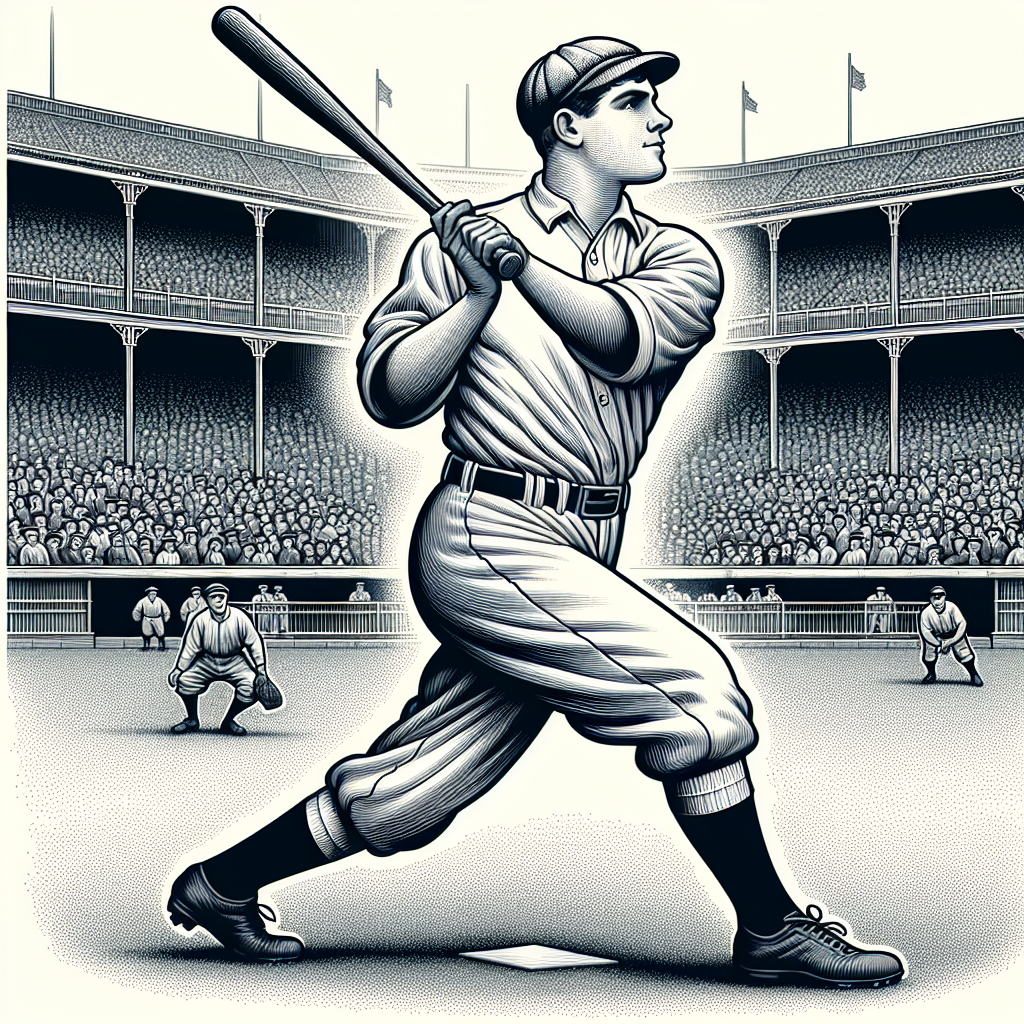
Harry Heilmann, often referred to as “Slug” due to his prodigious hitting prowess, stands as one of baseball’s most remarkable players from the 1920s. A dominant right-handed hitter known for his precision at the plate, Heilmann left an indelible mark on the game during a decade renowned for its baseball legends. Born on August 3, 1894, in San Francisco, Heilmann grew up during an era when baseball was solidifying its status as America’s pastime. Over the course of his illustrious career, he became celebrated not just for his impressive batting averages but for the consistency and reliability he exhibited year after year.
In the 1920s, baseball was woven into the fabric of American culture, and Heilmann’s performances attracted avid fans who admired his approach and dedication to the sport. His batting style, characterized by a powerful yet controlled swing, made him a favorite among spectators and an asset to his team. Heilmann played the majority of his career with the Detroit Tigers, where he not only showcased his batting capabilities but also displayed leadership and sportsmanship.
Heilmann’s background is a testament to his dedication and natural talent. Despite facing various challenges throughout his early life, he demonstrated a remarkable ability to adapt and excel in professional baseball. His commitment to honing his skills and his unyielding work ethic made him stand out among his peers. Heilmann’s achievements during the 1920s brought him into the spotlight, where he rivaled other legendary hitters of the era.
This article delves deeper into the life and career of Harry Heilmann, examining his roots, his rise to prominence in the 1920s, and his enduring legacy in baseball history. By understanding the journey and impact of players like Heilmann, we gain a greater appreciation for the rich history of the sport and the figures who have immortalized themselves within it.
Early Life and Career Beginnings
Harry Edwin Heilmann’s journey to stardom began in the bustling city of San Francisco, where he was born into a family with ambitions yet limited resources. His early exposure to sports came naturally, given the athletic milieu of the period. Initially, Heilmann demonstrated a predilection for various sports, which was evident in his high school years when he played both baseball and basketball. However, it was baseball that would eventually capture his heart and define his future.
Heilmann’s skillset was evident from a young age, but it wasn’t until he joined semi-professional teams that his talent began to attract attention. His big break came when he was signed by the Detroit Tigers in 1914, marking the start of his professional career. This initial phase was a learning curve for Heilmann, as he had to adapt to the higher levels of competition and the demanding nature of the professional leagues.
Despite the challenges, Heilmann’s determination saw him through. He spent significant time honing his skills, particularly focusing on his batting. His rookie seasons were marked by steady improvement, setting the stage for the explosive performance he would later exhibit in the 1920s. His batting style, which emphasized precision and power, began to take shape during these formative years.
Throughout his early career, Heilmann’s work ethic and natural talent did not go unnoticed. Coaches and fellow players alike recognized his potential, and he was often seen practicing relentlessly, perfecting his swing and other aspects of his game. This period was crucial in shaping Heilmann into the player who would dominate the batting charts in the decade to come.
Peak Performance in the 1920s
The 1920s were truly the golden years for Harry Heilmann. It was in this decade that he established himself as one of the most formidable hitters in Major League Baseball. Heilmann’s batting averages during these years were consistently stellar, a testament to his skill and perseverance. His ability to maintain such high standards of performance over a sustained period is what set him apart from many of his contemporaries.
One of the highlights of Heilmann’s career came in 1923 when he achieved a phenomenal batting average of .403, an extraordinary feat in any era. This performance not only underscored his exceptional talent but also placed him in an elite group of players who have managed to hit over .400 in a season. It was achievements like this that earned Heilmann the nickname “Slug,” indicative of his powerful and reliable presence at the plate.
Heilmann’s success was not confined to a single season. Throughout the 1920s, he was consistently among the league leaders in batting average. His approach at the plate was methodical and effective; he combined a sharp eye for the ball with a powerful contact swing that sent balls flying into outfield gaps and over the fences. His consistency earned him widespread respect and admiration from fans, players, and baseball analysts.
In addition to his stellar individual statistics, Heilmann was a valuable team player. His contributions were instrumental in the Detroit Tigers’ competitive campaigns during the 1920s. His presence in the lineup gave the team a reliable offensive cornerstone, around which the rest of the roster could be built. This period solidified Heilmann’s status as one of the premier hitters in baseball history.
Technique and Style
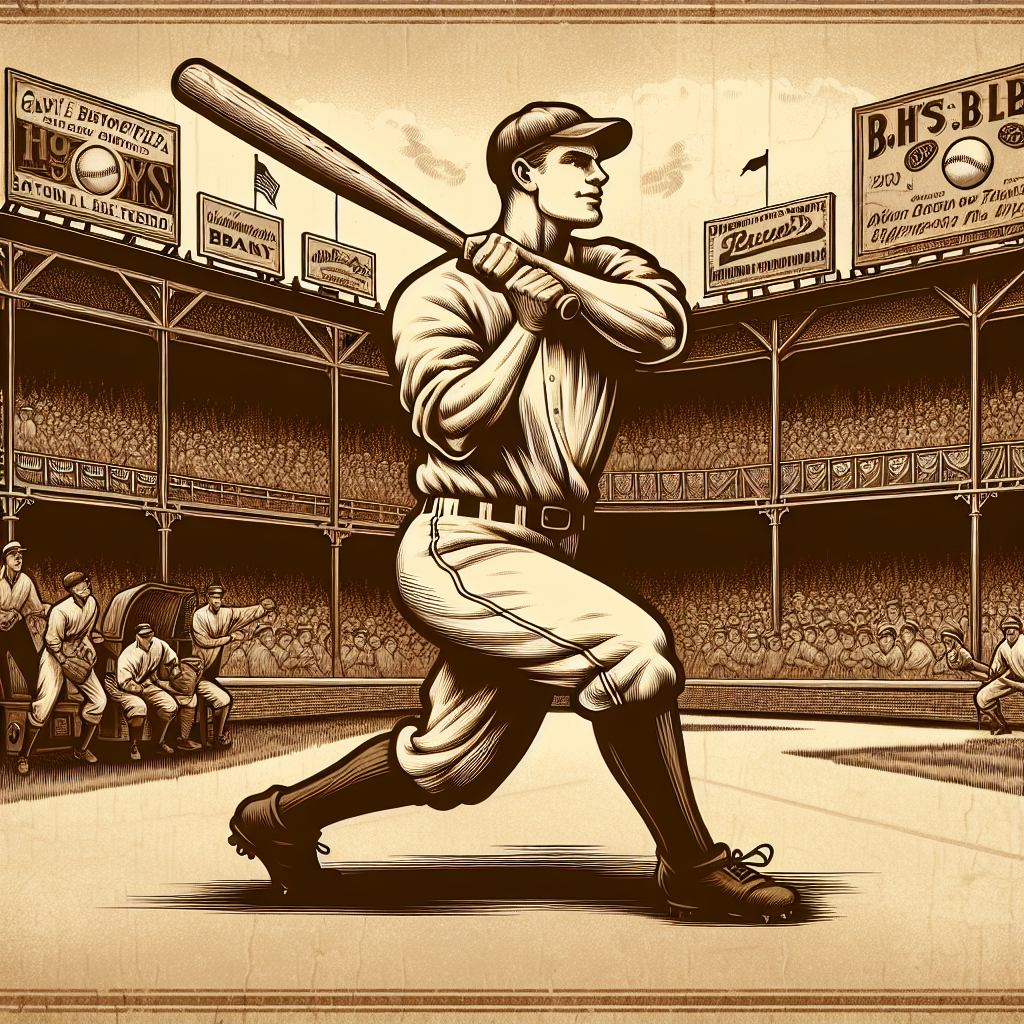
Harry Heilmann’s batting technique was a subject of great intrigue and admiration. Standing at 6 feet tall and weighing around 200 pounds, Heilmann utilized his physicality to his advantage, creating a blend of power and precision in his batting. His approach to hitting was studied and deliberate; he was known for spending countless hours perfecting his swing and understanding pitchers’ tendencies.
Heilmann’s stance at the plate was poised and balanced. Unlike many power hitters who relied predominantly on brute strength, Heilmann’s technique was more about timing and precision. He had a keen eye for the ball, which allowed him to make consistent contact. This combination of power and accuracy made him a nightmare for opposing pitchers.
A key aspect of Heilmann’s success was his ability to hit all types of pitches. Whether facing fastballs, curveballs, or changeups, Heilmann had an uncanny ability to adjust his swing and make solid contact. This adaptability was a significant factor in his high batting averages and frequent multi-hit games. It also meant that pitchers had a hard time finding effective strategies against him.
Moreover, Heilmann’s dedication to practice and continuous improvement was evident in how he played. He wasn’t just a natural talent; his achievements were also a result of rigorous training and a deep understanding of the game. Heilmann’s meticulous approach to batting influenced many budding players of his time, setting a standard for future generations.
Impact and Legacy
Harry Heilmann’s impact on baseball extends far beyond his impressive statistics. His career left a lasting legacy that continues to be celebrated by baseball historians and enthusiasts. Heilmann was not just a player with exceptional numbers; he was a symbol of dedication, consistency, and excellence.
One of the most notable aspects of Heilmann’s legacy is the respect he garnered from his peers. Fellow players often spoke highly of his sportsmanship, work ethic, and the competitive spirit he brought to the game. His approach to baseball served as an inspiration to many young players who looked up to him as a role model.
Heilmann’s contributions to the Detroit Tigers also cannot be overstated. His presence in the lineup was a key factor in the team’s competitive standing during the 1920s. His leadership on and off the field helped to shape the team’s culture and performance. Even after retiring as a player, Heilmann continued to be involved in baseball, taking on roles such as a broadcaster, where his insights and passion for the game continued to influence and entertain fans.
Heilmann’s induction into the Baseball Hall of Fame in 1952 further cemented his status as one of the game’s greats. This recognition was a fitting tribute to a career characterized by excellence and consistency. Heilmann’s story remains a significant chapter in the history of baseball, illustrating the heights that can be achieved through talent, hard work, and determination.
Beyond the 1920s
While the 1920s were undoubtedly the pinnacle of Harry Heilmann’s career, his influence extended well beyond that decade. Even during the later years of his playing career and into his retirement, Heilmann remained a beloved figure in the baseball community. His post-playing career included significant contributions to the sport through his work as a broadcaster and mentor to younger players.
As a broadcaster, Heilmann brought his extensive knowledge and love for the game to a new generation of fans. His insightful commentary and engaging personality made him a popular figure on the airwaves, further endearing him to baseball audiences. His deep understanding of the game, combined with his ability to articulate his thoughts clearly, made his broadcasts both informative and entertaining.
Heilmann’s experiences and perspectives provided listeners with a unique window into the intricacies of baseball. He was able to analyze plays, offer strategic insights, and share anecdotes from his playing days, all of which enriched the fan experience. His voice became synonymous with baseball for many listeners, adding to his already significant legacy.
Even after leaving the broadcasting booth, Heilmann’s influence on the game remained. He continued to be involved in various capacities, offering guidance and support to young players. His passion for baseball and his desire to see the sport thrive was evident in all his endeavors. Harry Heilmann’s contributions to baseball were not confined to his playing days; his ongoing involvement helped to shape the sport well into the mid-20th century.
Conclusion
Harry Heilmann’s career is emblematic of the heights that can be reached through a combination of natural talent, hard work, and an unwavering passion for the game. From his early days in San Francisco to becoming a key figure in one of baseball’s most vibrant eras, Heilmann’s journey is a testament to his dedication and skill. His impressive batting averages, particularly in the 1920s, reflect a player who not only mastered the art of hitting but also consistently performed at a high level.
Heilmann’s legacy is multifaceted. On the field, he was a dominant force, a player whose presence could change the outcome of a game. Off the field, he was a respected colleague, a mentor, and later a broadcaster who continued to contribute to the sport he loved. Heilmann’s influence extended beyond his statistics; he embodied the spirit of baseball, inspiring future generations with his commitment and passion.
As we look back on the history of baseball, Harry Heilmann’s story stands out as one of excellence and perseverance. His career serves as a reminder of what can be achieved with dedication and a love for the game. The impact he made during the 1920s and beyond has left an enduring legacy that continues to be celebrated.
In remembering legends like Heilmann, we not only honor their achievements but also gain a deeper appreciation for the rich tapestry of baseball history. Heilmann’s journey through the world of baseball, marked by extraordinary skill and a heartfelt commitment to the sport, ensures that his name will be remembered among the greats of the game.
Frequently Asked Questions
1. Who was Harry Heilmann and why was he called “Slug”?
Harry Heilmann, affectionately known as “Slug,” was one of the most influential baseball figures of the 1920s. This nickname was a testament to his incredible power and consistency as a hitter. Playing primarily for the Detroit Tigers, Heilmann demonstrated an unmatched ability to make significant contact with the baseball, which, coupled with his power, earned him this moniker. Born August 3, 1894, in San Francisco, Heilmann’s career spanned over 17 years, in which he recorded a remarkable batting average of .342. The 1920s, a golden era of baseball, was marked by Heilmann’s emphatic presence at the plate, earning his place among legends. His finesse, vision, and unwavering determination distinguished him from many of his peers, leaving baseball fans in awe at his skillset. During this decade, baseball was cementing itself as America’s beloved pastime, and players like Heilmann played pivotal roles in captivating audiences with their athletic prowess.
2. What were some of Harry Heilmann’s most notable achievements during the 1920s?
Throughout the 1920s, Harry Heilmann’s batting achievements solidified his spot in baseball history. Most notably, he won the American League batting title four times in a span of seven years (1921, 1923, 1925, and 1927). What makes his accomplishment truly stand out is the fact that he alternated these titles with legendary hitter Babe Ruth, which speaks volumes about his competitive calibre during baseball’s most prolific era. His highest batting average was an astonishing .403 in 1923, a milestone that showcased his precision hitting at a time when the sport saw an explosion in the offensive play thanks to lively baseballs and booming home run figures. Heilmann amassed over 2,000 hits and 1,500 RBIs throughout his career. His legacy became etched further when he was inducted into the Baseball Hall of Fame in 1952, consolidating his contribution and brilliance on the field. Such accomplishments reflect not just on his skill but on a relentless work ethic that inspired his teammates and captivated fans.
3. How did Heilmann’s playing style contribute to his success in the 1920s?
Heilmann’s playing style was a seamless blend of power and precision, setting him apart in an era predominantly defined by towering home runs and brisk batting. Simply put, his hitting was marked by meticulous attention to detail and a disciplined approach to every pitch. Standing at 6 feet 1 inch and weighing in at around 195 pounds, Heilmann wasn’t the most physically intimidating player, but his batting technique was his extraordinary asset. He mastered the art of making clean, effective contacts, which allowed him to maintain high batting averages, showcased by his exceptional hand-eye coordination and strategic approach to every at-bat. Equally adept at finding gaps and driving the ball with force, he leveraged different stadium dimensions and pitcher tendencies to his advantage, thus maximizing his output consistently. This approach not only won games but made him a linchpin within his team, enabling his sustained excellence throughout the decade.
4. In what ways did the baseball scene of the 1920s enhance Heilmann’s career?
The 1920s were a vibrant period in baseball, reverberating with the excitement of legendary talents and a renewed public interest post-World War I. The decade, often referred to as the Golden Age of Sports, saw significant transformations in the game that included widespread adoption of the lively ball and changes in playing strategy. For Heilmann, this era presented an optimal backdrop to showcase his talent. The strategic shift from a closely-controlled ball game to one favoring robust offense and higher scoring translated into increased opportunities for hitters like him to shine. Moreover, the advancing media coverage and the unfolding narrative of baseball as America’s favorite pastime amplified player prominence, bringing Heilmann deserved recognition across the nation. The dynamic rivalries and thrilling matches of this time also stoked nationwide interest, further accentuating the performances of standout players. Thus, the cultural and inherent evolution of baseball during the 1920s seamlessly intertwined with and propelled Heilmann’s career to greater heights, winning him a lasting legacy among baseball aficionados.
5. How is Heilmann’s legacy remembered in baseball today?
Harry Heilmann’s legacy endures as a testament to both his exceptional talent and the transformative era in which he played. Recognized as one of the finest right-handed hitters in the history of baseball, his profound impact is commemorated within the hallowed halls of baseball tradition. His induction into the National Baseball Hall of Fame in 1952 stands as a pinnacle acknowledgment of his outstanding contributions to the sport. Today, he is celebrated not merely for his impressive stats but for the exemplary manner in which he played, characterized by integrity, passion, and sheer dedication to his craft. Radio broadcasts in Detroit, where he later became a vibrant sports voice, ensured that his stories and exploits would resonate with future generations. Moreover, discussions around historical player rankings and exceptional hitters often feature Heilmann as a reference point for excellence, solidifying his name as a perpetual benchmark for batting brilliance. His indelible mark reminds us that while baseball continues to evolve, the foundational artistry and discipline of players like Heilmann remain timeless.