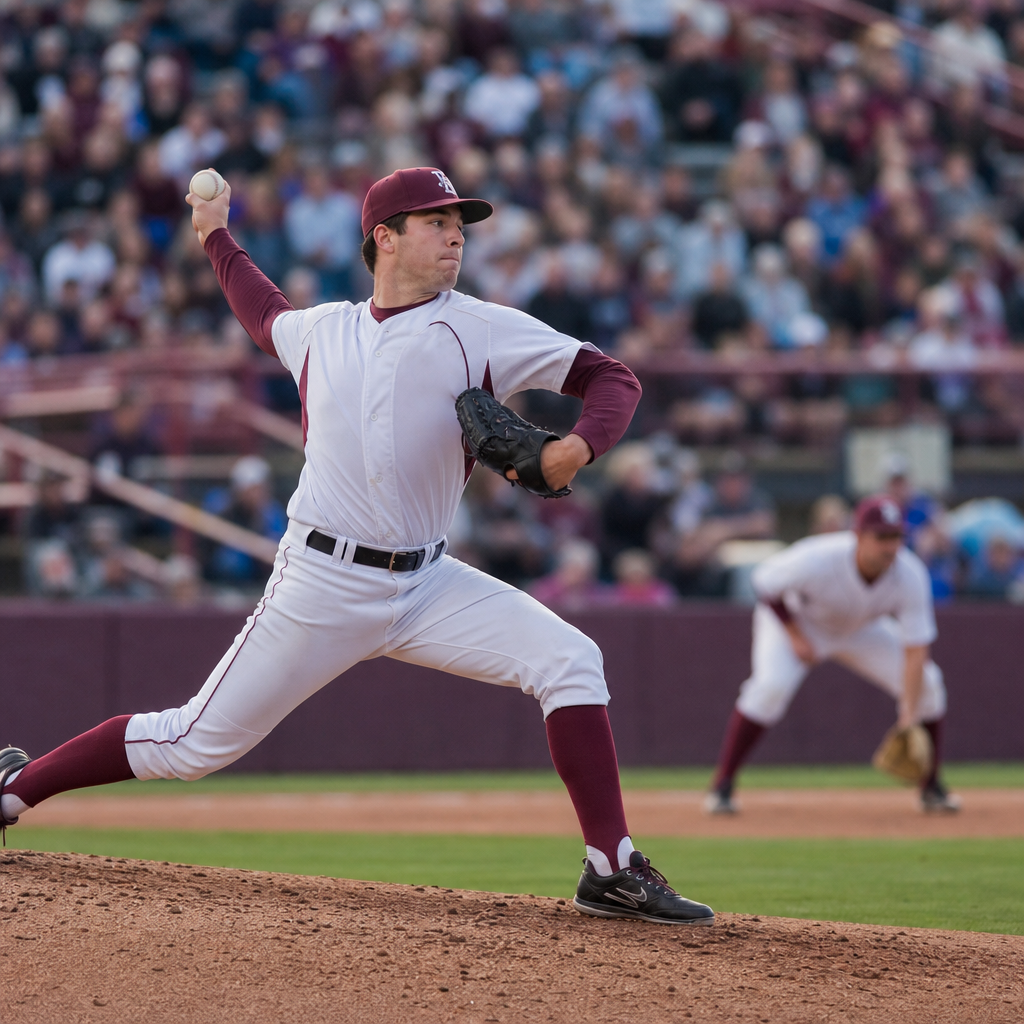
College baseball has always been more than a spring sport; it is a proving ground where coaching philosophy, recruiting networks, facilities, player development, and postseason pressure combine to shape future professionals. When people ask which college programs have a legacy of excellence, they are usually asking a broader question: which schools consistently turn talent into wins, conference titles, College World Series appearances, and long careers in the game? In my experience covering amateur baseball and studying program-building trends, the answer is never based on one hot season. A true legacy is measured across decades, across coaching staffs, and across eras of scholarship limits, transfer rules, and changing draft dynamics.
That is why this hub article matters within the Minor Leagues and College Baseball landscape. Fans, recruits, parents, and bettors often search for quick rankings, but the better approach is to understand the ingredients behind sustained success. In college baseball, “legacy of excellence” means repeated postseason relevance, strong player development, recognizable baseball culture, and an ability to adapt. Some programs dominate through national titles. Others build reputations through elite pitching labs, relentless regional recruiting, or annual NCAA Tournament consistency. This guide covers the major forces that define top programs, highlights schools that have set the standard, and frames the miscellaneous issues that connect every deeper article in this subtopic, from recruiting to NIL to the transfer portal to the MLB draft.
What defines a college baseball powerhouse
A college baseball powerhouse is a program that wins at a high level over time while maintaining a clear identity. The clearest markers are NCAA Tournament frequency, super regional appearances, Omaha trips, conference championships, player development results, and professional draft output. Facilities matter, but they are not enough on their own. I have seen wealthy programs underperform because they lacked roster balance or continuity, while resourceful staffs at traditional powers kept winning because their systems were repeatable and their culture was established.
Top programs usually excel in five areas. First, they recruit impact players and projectable depth, not just star high school names. Second, they develop pitchers with modern biomechanics, pitch design, workload management, and individualized plans. Third, they defend at a high level and control the strike zone, two traits that travel well in postseason play. Fourth, they manage roster churn created by the MLB draft and transfer movement. Fifth, they sustain fan support and donor investment, which helps fund travel, nutrition, technology, and coaching salaries.
Conference context also matters. The SEC, ACC, Big 12, Pac-12 legacy programs, and selected mid-majors all compete under different pressures. A school that survives a brutal weekend schedule in the SEC may look battle-tested by June, while a strong mid-major may need to dominate its league and win critical nonconference games to host regionals. Excellence is not one-size-fits-all, but the standards are still visible.
Programs that built enduring national reputations
Several schools consistently appear in any serious discussion of college baseball excellence. LSU stands near the top because it pairs national championships, elite recruiting, passionate support, and a major-league development pipeline. Alex Box Stadium remains one of the sport’s signature environments, and LSU’s ability to attract premium arms and middle-of-the-order hitters has made it a perennial title threat. Texas has long represented tradition, scale, and broad recruiting reach, with Omaha history that few schools can match. Even when standards fluctuate, the brand remains powerful because the baseline expectation is national relevance.
Southern California still carries historic weight because of its unmatched championship legacy, even if modern consistency has not mirrored its earlier dominance. Arizona State, Stanford, and Cal State Fullerton built reputations through player development, West Coast recruiting, and disciplined baseball. Stanford, in particular, has shown how elite academics and elite baseball can coexist, producing polished players who fit professional systems well. Fullerton’s legacy demonstrates that toughness, fundamentals, and pitching depth can keep a program nationally respected even amid resource disparities.
In the modern era, Vanderbilt, Florida, Arkansas, and Virginia have become central examples of sustainable excellence. Vanderbilt turned a private-school model into a national powerhouse through premium facilities, analytical development, and selective recruiting. Florida combined SEC talent, strong coaching structure, and consistent postseason performance. Arkansas built one of the sport’s best home-field advantages and developed a recognizable blend of power, intensity, and pitching depth. Virginia under Brian O’Connor created one of the clearest player-development identities in the country, emphasizing execution, maturity, and roster construction that translates in June.
How coaching, culture, and player development sustain success
Coaching is the most durable competitive advantage in college baseball. Great coaches do more than manage games; they build processes that survive roster turnover. A strong staff evaluates not only tools but fit. They know whether a high-spin fastball will play with a certain release shape, whether a hitter can handle velocity at the top of the zone, and whether a freshman can absorb failure without losing confidence. These details separate programs that stack talent from programs that convert talent into wins.
I have seen the strongest staffs create development plans that are specific from the moment a player arrives. Pitchers are assessed through TrackMan, Rapsodo, high-speed video, and force-plate data. Hitters are analyzed for bat path efficiency, swing decisions, chase rate, contact quality, and batted-ball profile. Strength coaches coordinate with trainers and baseball staff to align workloads and reduce avoidable soft-tissue injuries. The best programs turn these tools into clear communication rather than data overload.
Culture is equally important. In established programs, veteran players teach standards before coaches need to intervene. Bullpen roles are understood. Early work is expected. Defensive communication is automatic. Losing a Friday night game does not fracture the weekend because the team has practiced emotional consistency. That culture becomes visible in super regionals and Omaha, where talent is relatively equal and execution under pressure becomes decisive.
| Program trait | Why it matters | Real-world effect |
|---|---|---|
| Stable coaching staff | Creates continuity in recruiting and development | Players improve year to year instead of being reset by system changes |
| Pitching infrastructure | Supports velocity gains, command, and recovery | More quality weekend starters and reliable late-inning options |
| Offensive identity | Shapes recruiting and lineup construction | Teams know whether they win through power, pressure, or on-base skill |
| Strong home environment | Adds energy and hosting advantage | Better chances to win regionals and super regionals on campus |
| Alumni and donor network | Funds facilities, staffing, and operations | Long-term competitive stability in a changing college sports market |
Why facilities, recruiting geography, and conference strength matter
Facilities are not a shortcut, but they are a force multiplier. Modern player-development centers allow year-round work on pitching mechanics, recovery, hitting, nutrition, and video review. Schools such as Vanderbilt, LSU, Florida, and Texas have invested heavily in these areas, giving recruits a visible pathway to improve. Indoor cages, advanced bullpens, dedicated sports science support, and quality training rooms matter because development is cumulative. Over a three-year college career, small daily advantages become major performance gains.
Recruiting geography remains one of the most underrated factors in program legacy. Schools in talent-rich states like California, Texas, Florida, Georgia, and Louisiana often have natural access to deep high school and travel-ball networks. That does not guarantee success, but it increases opportunity. Louisiana State can recruit nationally while also protecting nearby talent. Texas schools can build entire classes within driving distance. West Coast powers historically benefited from dense baseball communities and favorable weather, though national recruiting and the transfer portal have changed the balance.
Conference strength shapes perception and preparation. The SEC’s weekly grind can harden teams for postseason play because every weekend feels like a regional. The ACC offers deep competition with strong offensive and pitching profiles. The Big 12, despite periodic realignment changes, continues to produce disciplined clubs. Mid-major powers such as East Carolina, Coastal Carolina, UC Irvine, and Dallas Baptist show that excellence is not limited to the biggest conferences, but they often need cleaner resumes and more dominant regular seasons to secure hosting opportunities.
The changing landscape: transfer portal, NIL, and the MLB draft
No modern discussion of college baseball excellence is complete without the transfer portal, NIL opportunities, and the draft. These forces have reshaped roster management. Established programs once built mainly through high school recruiting and internal development. Now they also patch weaknesses with experienced transfers, especially bullpen arms, catchers, and middle-of-the-diamond defenders. Smart portal use can accelerate contention, but overreliance can damage continuity and block younger players from developing.
NIL has introduced both opportunity and imbalance. Baseball scholarships are still limited compared with roster size, so NIL support can help a school retain draft-eligible sophomores and juniors or attract transfers seeking a stronger financial package. The biggest baseball brands and wealthiest donor bases usually hold an advantage, yet NIL is not simply a bidding war. Players also evaluate coaching fit, development history, playing time, and draft preparation. A pitcher with pro aspirations may choose a staff known for velocity development and pitch design over a slightly richer offer elsewhere.
The MLB draft remains the central pressure point. Elite programs lose premium talent regularly, which means sustainable excellence depends on replacement planning. Coaches must recruit around signability risk, know when to lean on junior college players, and anticipate which underclassmen might leave after a breakout season. Programs with a strong development reputation often handle this best because recruits trust that even if they are not stars as freshmen, they will improve and eventually be seen by pro scouts.
How fans and recruits should evaluate a program beyond trophies
Trophies matter, but they should not be the only lens. For fans trying to understand the college baseball landscape, the smarter questions are practical. Does the program consistently produce quality pitching? Does it defend and run the bases well? Does it host often? Does it send players to pro ball? Does it keep winning through coaching changes or draft losses? Those answers reveal more than a single championship banner.
For recruits, fit matters even more. A top-25 brand is not automatically the best choice if development plans are vague or the path to playing time is unrealistic. Pitchers should ask how the staff manages innings, recovery, arm care, and arsenal changes. Hitters should ask how swing decisions are taught, what data is shared, and how game planning changes by opponent. Position players should evaluate defensive instruction, not just batting cages and locker rooms. The strongest programs can explain these processes clearly because they live them every day.
This hub also connects the miscellaneous pieces that shape the full picture of Minor Leagues and College Baseball: scholarship structure, recruiting calendars, summer wood-bat leagues, regional hosting rules, RPI debates, player development technology, coaching trees, and the college-to-pro transition. Each topic affects why certain schools stay elite while others fade after a brief rise.
What a true legacy of excellence looks like now
A true college baseball legacy is not frozen in the past. It is active, adaptable, and visible in present-day standards. Programs with lasting excellence honor their history while updating how they train, recruit, and communicate. They embrace data without abandoning feel. They pursue star prospects but also value depth, toughness, and baseball intelligence. They understand that winning in March, surviving conference play in May, and advancing in June require slightly different roster strengths.
The clearest takeaway is simple: the best college baseball programs combine tradition with systems. LSU, Texas, Vanderbilt, Florida, Arkansas, Virginia, Stanford, USC, Arizona State, Cal State Fullerton, and several rising challengers matter because they established identities that players, coaches, and fans can recognize immediately. Their paths are not identical, but the common threads are stable leadership, developmental clarity, recruiting reach, and the ability to withstand change.
As you explore the wider Minor Leagues and College Baseball hub, use this article as a map. Compare programs by more than headlines. Look at postseason consistency, draft output, facilities, conference context, and player growth. That approach will help you understand not only who has won, but why they keep winning. If you are building your knowledge of college baseball, start with the programs that created the standard, then follow the connected topics that explain how excellence is built and sustained.
Frequently Asked Questions
What defines a college baseball program as having a true legacy of excellence?
A true legacy of excellence in college baseball goes far beyond a few winning seasons or a single national championship run. The programs most often mentioned in this conversation have built success across decades, not just cycles. They consistently recruit high-level talent, develop players once they arrive on campus, compete for conference titles, earn regular NCAA tournament bids, and perform on the sport’s biggest stage in Omaha. Just as important, they sustain that standard even as coaches, rosters, and the broader landscape of college athletics evolve.
In practical terms, legacy programs usually share several traits. They have strong coaching continuity or a coaching tree that preserves the program’s identity. They invest in facilities, sports performance, analytics, and player support. They also create a culture where expectations are clear: winning matters, postseason baseball is the goal, and player development is non-negotiable. That combination tends to produce not only victories and trophies, but also draft picks, major leaguers, and alumni who remain influential in the game.
What separates these programs from short-term contenders is consistency under pressure. Elite college baseball schools are expected to win series in tough conferences, handle ranked opponents, and navigate the emotional and physical demands of tournament play. When a program repeatedly proves it can do that over many years, it earns the reputation of being more than talented. It becomes a standard-bearer for excellence.
Which factors help certain college baseball programs stay elite year after year?
The foundation usually starts with coaching, because great programs are rarely accidental. Elite coaches establish a recognizable philosophy, whether that means aggressive recruiting, elite pitching development, defensive discipline, or a relentless competitive culture. They also hire strong assistants, build recruiting relationships, and adapt to changes in the sport. In today’s game, that includes everything from data-driven development plans to roster management and transfer portal strategy. Programs that stay elite do not simply repeat what worked in the past; they modernize without losing their core identity.
Recruiting networks are another major factor. The best programs evaluate talent nationally while also protecting key regional pipelines. They identify not only polished players, but also athletes with projectable upside who can improve significantly in a college environment. Once those players arrive, the development piece becomes critical. Programs with a legacy of excellence often turn good recruits into better professionals through structured instruction, strength and conditioning, mental preparation, and role clarity. That is often where the gap widens between a famous logo and a truly elite baseball operation.
Facilities, fan support, and administrative commitment matter as well. High-end ballparks, training spaces, and recovery resources can enhance daily development and help attract recruits. A passionate fan base creates a real home-field advantage and reinforces the importance of the program on campus. Finally, institutional support is essential. Schools that consistently contend usually have administrators willing to invest in coaching staffs, recruiting budgets, travel, and long-term program infrastructure. Sustained excellence is almost always the result of aligned leadership, not just a talented roster.
Why are College World Series appearances and postseason success so important when evaluating top programs?
Postseason success matters because it tests every part of a program at once. A team can pile up regular-season wins with talent and momentum, but tournament baseball demands adaptability, depth, emotional control, and the ability to respond when the stakes are highest. The NCAA tournament format places enormous pressure on pitching management, lineup decisions, defense, and mental toughness. Programs that consistently reach super regionals and the College World Series have shown they can win in those conditions, which is a powerful marker of true program strength.
That said, postseason performance should be viewed as part of a larger picture rather than the only measure. Baseball is a sport with high variance, and even excellent teams can be upset in a regional. What makes the sport’s blue-blood programs stand out is not merely one trip to Omaha, but repeated appearances over time. When a school returns to the College World Series across different eras and with different rosters, it suggests the program is built on durable systems rather than a single exceptional team.
There is also a historical and cultural dimension. Omaha has become the proving ground for college baseball identity. Programs that make deep postseason runs build credibility with recruits, confidence with alumni, and visibility across the sport. Those appearances become part of the program’s story, shaping expectations for future teams. In that sense, postseason success is not only an outcome. It is also a driver of future excellence, reinforcing the cycle that keeps top programs at the top.
How do elite college baseball programs prepare players for professional careers?
The best college baseball programs prepare players for pro ball by treating development as a complete process rather than a collection of drills. That begins with skill refinement: pitchers improve command, velocity management, pitch design, and sequencing, while position players work on swing efficiency, plate discipline, defensive versatility, and situational awareness. But top programs also teach players how to prepare every day, how to make adjustments over a long season, and how to respond when performance dips. Those habits often matter just as much as raw tools once a player enters professional baseball.
Player development at elite schools is usually highly individualized. Coaches and support staffs identify what a player does well, where he needs to improve, and how to build a plan around his body type, role, and long-term projection. Strength and conditioning, nutrition, video review, biomechanics, and mental skills training all play a role. In many top programs, players are introduced to the language and expectations of professional baseball before they ever sign a contract. That helps shorten the transition from campus to the minor leagues.
Another important piece is competition level. Players in legacy programs often face premium conference opponents, postseason pressure, and teammates who are also pro prospects. That environment raises standards. It forces players to compete for innings, at-bats, and lineup spots while learning how to perform in meaningful games. Scouts notice that. So do player development departments in professional organizations. When a college program regularly produces players who are fundamentally sound, mentally prepared, and physically advanced, its reputation as a pipeline to the pros becomes well earned.
Are traditional powerhouses still the best choice for every college baseball recruit?
Not necessarily, and that is an important point in any serious discussion about college baseball excellence. Traditional powerhouses offer major advantages: elite competition, top-tier facilities, national visibility, and a culture built around postseason expectations. For many players, that environment is exactly what they want. It can accelerate development, increase exposure to scouts, and provide the experience of competing in packed ballparks and high-stakes games. If a player is ready to compete immediately or is motivated by demanding internal competition, a legacy program can be an outstanding fit.
At the same time, the best choice depends on the individual player’s goals, timeline, and developmental needs. Some recruits benefit more from a program where they can play early, refine their skills without being rushed, and grow into a starring role. Others may need a coaching staff with a particularly strong track record in developing their position or pitching profile. In some cases, a rising program with modern resources and a clear plan can be a better fit than a famous school with a crowded depth chart. Prestige matters, but fit matters more than many people realize.
That is why evaluating top college baseball programs should include more than brand recognition. Recruits and families should ask practical questions: How does this staff develop players? What is the path to playing time? How strong is the competition in practice? How many players improve here, not just how many arrive talented? The programs with the deepest legacy of excellence tend to have impressive histories, but they also offer clarity, structure, and proven development. For the right player, that combination can be transformational. For another player, a different path may lead to better long-term results.