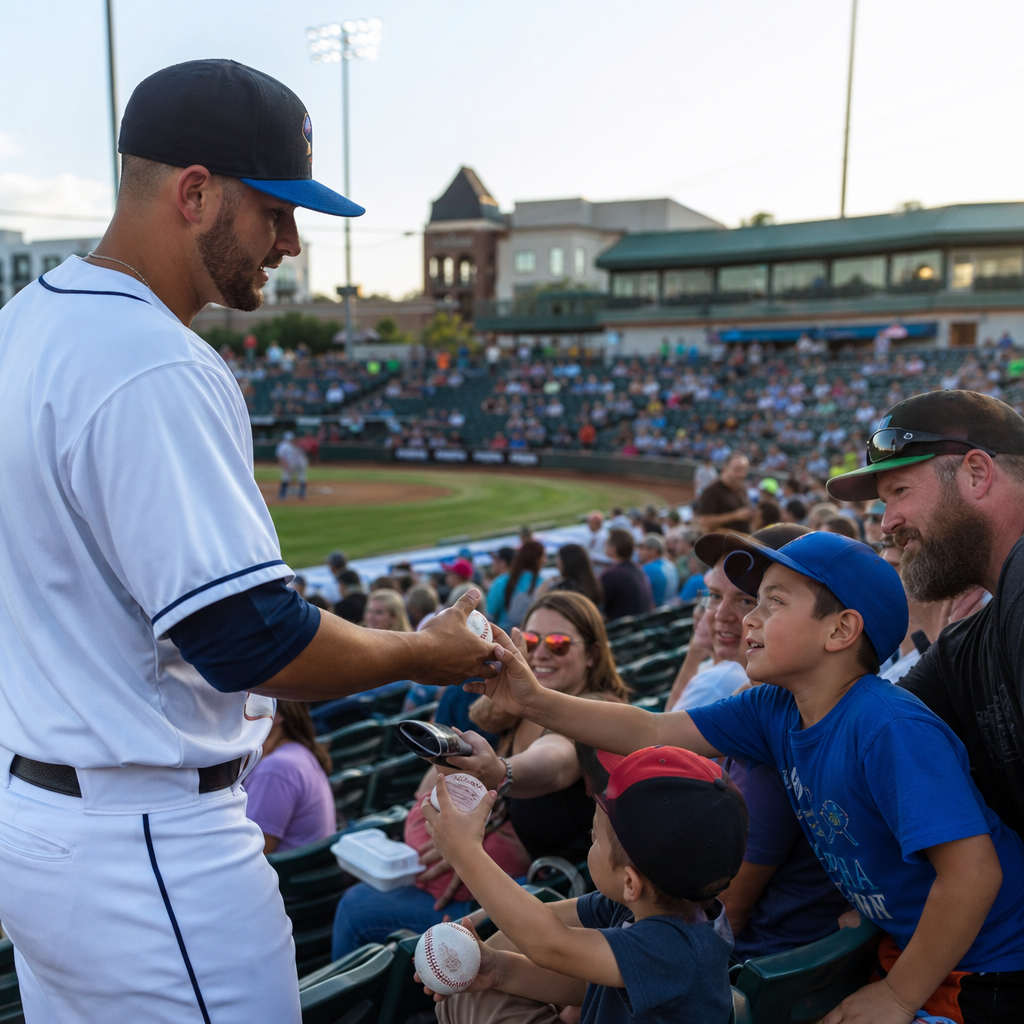
Minor league sports do far more than develop prospects; they give cities and towns a shared place to gather, celebrate, and identify with something local. In the broad landscape of Minor Leagues and College Baseball, the miscellaneous stories often explain the deepest value: how a ballpark, team brand, internship program, or summer event becomes part of community life. When people ask how minor leagues connect communities, the answer is straightforward. They create repeated, affordable, public experiences that bring together families, students, businesses, schools, charities, and local governments around a common civic ritual. That connection matters because community ties are not built by headlines alone. They are built by regular nights out, familiar staff, youth clinics, fundraising events, and local traditions that people can actually attend.
In practice, the phrase minor leagues includes affiliated baseball, independent leagues, collegiate summer leagues, developmental circuits, and the surrounding ecosystem of front offices, host families, boosters, and campus partnerships. College baseball intersects with this world through shared facilities, player pipelines, coaching networks, and fan overlap. I have seen this firsthand in markets where a university crowd fills a stadium in spring, then returns in summer for a wood-bat team or minor league promotion. The result is not just entertainment. It is social infrastructure. These teams serve as a bridge between generations, neighborhoods, and institutions that may otherwise have little reason to spend time together in one place.
As a hub topic, miscellaneous community connections deserve a wide lens. The most useful questions are practical ones: what do teams contribute beyond wins and losses, why do local sponsors invest, how do game-day traditions shape identity, what role do internships and youth programs play, and where do these models succeed or struggle? This article answers those questions in plain terms while connecting the dots across the broader Minor Leagues and College Baseball conversation. If you are building a content cluster, this page should anchor related articles on team branding, stadium economics, host family systems, community outreach, fan experience, and local business partnerships.
Why Minor League Teams Matter to Local Identity
Minor league clubs matter because they turn abstract civic pride into something visible and repeatable. A major league franchise can symbolize a region, but a minor league or college summer team often represents a specific town. The scale is smaller, which makes the relationship more personal. Fans regularly see front-office staff at grocery stores, youth coaches at clinics, and players signing autographs on the concourse. That visibility creates familiarity, and familiarity builds trust. In many markets, the team logo appears on school spirit nights, restaurant windows, chamber of commerce materials, and charity race shirts. It becomes shorthand for place.
Branding plays a large role here. Distinctive minor league names and mascots are not random gimmicks; they are community storytelling tools. Teams frequently draw from local industries, geography, food traditions, or folklore. When that branding works, residents feel seen. A maritime town may lean into fishing heritage, while a manufacturing city may celebrate its industrial past. College baseball programs do something similar through regional rivalries and campus traditions. The strongest brands tell locals, “this team belongs here,” and that sense of fit is one reason attendance can stay resilient even when rosters change constantly.
There is also an important emotional function. Communities experience turnover, economic pressure, and political division. A local ballpark offers a low-stakes common ground. People who disagree on almost everything else can still sit in the same section, watch a game, and talk about a prospect, a mascot race, or the postgame fireworks. That may sound modest, but civic cohesion is usually built through modest, recurring contact. Sports do not solve structural problems on their own, yet they create an environment where social bonds are easier to maintain, especially in places lacking many other large public gathering spaces.
Affordable Entertainment Creates Repeated Community Contact
The most practical reason minor leagues connect communities is cost. Compared with major professional sports, ticket prices, parking, concessions, and merchandise are usually far more accessible. Affordability changes behavior. Families come more than once. Youth teams can attend in groups. Churches, schools, and nonprofits can organize outings without excluding as many people. Repetition matters because a single event creates a memory, while recurring attendance creates a habit. Community is built through habits.
Teams that understand this treat affordability as strategy, not charity. They use family packs, weekday discounts, school reading rewards, military pricing, and community nights to fill the calendar with entry points for different audiences. College baseball often follows the same principle. Many college games are low-cost or free, making them a practical option for families who want a live sports experience without major expense. In smaller markets, that affordability keeps the stadium active across spring and summer, extending the social life of the venue.
From an operations perspective, affordable does not mean simple. The strongest clubs segment offers carefully. A Tuesday education day serves schools, a Thursday happy hour reaches young professionals, and a Saturday fireworks package attracts families. Teams track redemption rates in platforms such as Tickets.com, AudienceView, or Fevo to see which offers lead to repeat attendance. I have watched clubs improve retention not by lowering every price, but by aligning promotions with specific community groups and making the purchase process easy on mobile. Convenience is part of affordability because friction discourages attendance just as surely as price does.
How Teams Support Local Economies Beyond the Gate
Minor league and college baseball teams create economic activity that extends beyond ticket sales. Fans buy meals before games, stop for drinks after, pay for parking, and shop in nearby districts. Teams hire seasonal workers, contract with local vendors, and purchase printing, signage, security, landscaping, cleaning, and food supplies. While economists correctly caution against exaggerated stadium claims, the local impact in small and midsize markets is real when the venue is integrated into a broader district. A stadium that sits dark except on game night contributes less than one programmed for concerts, festivals, school events, and community rentals.
Local businesses invest because these teams provide targeted exposure. A regional bank, hospital, car dealership, insurance agency, or grocery chain can sponsor a giveaway, inning break, or hospitality area and reach nearby customers in person. That is different from broad digital advertising. The environment is place-based and emotionally positive. Sponsorship also helps businesses signal community commitment. When a local employer funds a youth baseball clinic or a teacher recognition night, the benefit is not only impressions. It is reputation.
There are tradeoffs. Not every market can sustain a team, and public financing deserves scrutiny. Stadium projects work best when planners are realistic about attendance, transportation, mixed-use development, and year-round programming. The most successful examples pair baseball with civic planning instead of assuming baseball alone will transform a district. Durham Bulls Athletic Park is often cited because the venue became part of downtown redevelopment, not an isolated fix. Similar lessons apply to college venues that host tournaments, camps, and non-baseball events to maximize public value.
Youth Development, Education, and the Next Generation of Fans
One of the clearest ways minor leagues connect communities is through youth programs. Teams run clinics, reading challenges, STEM days, school assemblies, and little league partnerships that make the club relevant long before a child buys a ticket independently. These programs create future fans, but they also provide practical support to schools and families. A reading initiative tied to free tickets can motivate participation because it links learning with a tangible reward. An on-field clinic can introduce children to coaches, players, and college athletes they would otherwise never meet.
Education partnerships work especially well when they are specific. Generic “school outreach” is easy to announce and hard to measure. Better programs define the audience, the action, and the outcome: third graders complete a reading log, science classes attend a daytime game with a stadium operations lesson, or high school students shadow athletic trainers and grounds crews. Those experiences show students that baseball careers extend beyond playing. Front office sales, video analysis, strength coaching, event management, broadcasting, and turf management all become visible pathways.
College baseball strengthens this pipeline. University athletic departments often share expertise, facilities, or volunteers with local youth organizations. Summer collegiate leagues then extend that connection by placing players in host communities, where they appear at camps and civic events. I have seen young players return from a clinic talking not just about home runs, but about nutrition, arm care, and school choices because a college athlete or team trainer took ten extra minutes to explain the details. That kind of interaction is small in scale and powerful in effect.
Events, Traditions, and the Rituals That Build Belonging
Community connection depends on rituals, and minor league sports excel at creating them. Theme nights, mascot appearances, postgame fireworks, heritage celebrations, school choirs singing the anthem, and local food festivals make the ballpark feel familiar even to people who are not dedicated fans. The baseball game is the anchor, but the event calendar broadens the audience. A family may first attend for Star Wars Night, a cultural heritage event, or a dog-friendly promotion, then return because the environment feels welcoming and routine.
These rituals become stronger when they reflect actual local culture rather than imported templates. Copa-style identity nights, hometown food features, partnerships with tribal communities, Juneteenth programming, faith and family events, and alumni weekends all work best when local leaders help shape them. Authenticity is operational, not cosmetic. It requires consultation, appropriate representation, and continuity from one year to the next. Fans can tell when a promotion is merely decorative.
| Community connection tool | How teams use it | Why it works locally |
|---|---|---|
| School nights | Discounted group tickets, choir performances, reading rewards | Brings families, teachers, and students together in one setting |
| Heritage celebrations | Local music, food, storytelling, special jerseys | Recognizes groups that shape the region’s identity |
| Youth clinics | Player instruction, autograph sessions, skill stations | Creates direct relationships between children and team personnel |
| Business partnerships | Sponsorships, coupon tie-ins, employee outings | Keeps spending and visibility within the local economy |
| Charity events | Fundraisers, auctions, awareness nights | Turns the stadium into a platform for civic support |
When teams repeat successful events consistently, they become part of the annual rhythm of a town. People plan birthdays around them. Alumni come home for them. Local media previews them. That consistency is a major reason minor leagues continue to matter even when players, affiliations, and standings change. The tradition lives at the community level.
The Human Network Behind the Game: Staff, Volunteers, and Host Families
Fans usually see players and mascots, but community connection is maintained by a much wider network. Seasonal employees greet guests, interns manage promotions, volunteers support nonprofit nights, and host families house collegiate summer players in many markets. These relationships are intensely local. A host family may stay in touch with a player for years. An intern who starts in ticket operations may later work in college athletics or professional sports. A retiree volunteering at guest services may become one of the most recognizable faces in the venue. The organization becomes a social node as much as a sports business.
Host family systems are especially important in summer collegiate baseball and some developmental settings. They reduce housing costs, but their deeper value is cultural exchange. Players learn local routines, and families learn what a baseball season demands physically and emotionally. This arrangement can be challenging, and teams need clear screening, expectations, and support. When managed well, however, it is one of the most direct forms of community integration in sports.
Professional standards matter here. The best organizations use customer service training, safeguarding policies for youth engagement, and structured volunteer management rather than improvising everything on game day. That professionalism builds trust with schools, sponsors, and parents. It also makes internal linking across a content hub valuable: readers interested in internships, host families, or front-office careers are often exploring the same core question of how baseball embeds itself in community life.
Digital Community, Media Reach, and the Limits of Connection
Community now extends beyond the stadium. Teams connect audiences through email newsletters, short-form video, local podcasts, text alerts, and social platforms that highlight players, promotions, and neighborhood partners. Digital channels help casual fans stay attached between games and allow teams to spotlight sponsors, charities, and local stories. For college baseball, streaming has expanded reach significantly. Families, alumni, and recruits can follow programs from anywhere, while local coverage on social media gives smaller schools and summer teams a much wider profile than they had a decade ago.
Still, digital engagement does not replace in-person community. It amplifies it. A viral mascot clip may boost awareness, but belonging usually comes from attendance, volunteering, and repeated face-to-face interaction. Teams should treat digital media as a bridge to physical participation: buy tickets, join a clinic, donate to a food drive, attend a rivalry game, or support a fundraiser. Metrics like open rates, click-through rates, watch time, and attributed sales are useful, but the ultimate test is whether online attention turns into local action.
There are limits to what teams can do. Winning helps, but it is not the foundation of community value. Constant relocation threats, weak ownership, poor facility access, or superficial outreach can break trust quickly. Communities also change, and teams must adjust to new demographics, work patterns, and expectations around inclusion and accessibility. The clubs that last are the ones that listen carefully, program intentionally, and treat the community as a partner rather than an audience.
Minor leagues connect communities by making local life more interactive, affordable, and visible. They strengthen identity, support nearby businesses, create youth opportunities, and give civic groups a shared stage. Their impact is greatest when baseball is paired with thoughtful operations: authentic branding, practical pricing, year-round programming, strong partnerships, and professional community outreach. College baseball, summer leagues, and affiliated or independent clubs all contribute to this ecosystem in different ways, but the underlying benefit is the same. They turn spectators into participants in local culture.
For a miscellaneous hub within Minor Leagues and College Baseball, that is the central takeaway. The most important stories are not always about rankings, draft status, or affiliation changes. They are about how teams fit into everyday life. If you are building this content cluster, use this page as the foundation for deeper articles on stadium experience, sponsorship models, youth development, internships, host families, and team branding. Start with your own local club or college program, attend a game, and observe how many community connections are happening around the field at once.
Frequently Asked Questions
How do minor league teams help connect communities in ways bigger than sports?
Minor league teams connect communities by creating a reliable, affordable place where people from different neighborhoods, backgrounds, and age groups can gather around a shared local experience. Unlike major professional sports, which can feel distant or expensive, minor league baseball and other minor league events are usually woven directly into everyday civic life. The ballpark becomes more than a venue for games; it becomes a meeting place for families, schools, local businesses, youth teams, nonprofit groups, and longtime residents who want to feel part of something familiar and local. That repeated interaction matters. A town does not build identity through one big event alone. It builds identity through regular traditions, recognizable faces, and shared rituals that happen week after week and season after season.
What makes this especially powerful is accessibility. Ticket prices are generally within reach for families, the atmosphere is relaxed, and the connection between team and town is often much more personal than in larger sports markets. Fans may know front-office staff, see local sponsors they recognize, or attend theme nights that reflect the culture of the region. Over time, these experiences strengthen civic pride. Residents begin to say “our team,” not because they expect a championship every year, but because the organization feels rooted in local life. In that sense, minor leagues act as community infrastructure. They offer a public space where memory, belonging, and local identity can grow together.
Why are minor league games often considered important gathering places for families and neighborhoods?
Minor league games are important gathering places because they provide one of the few remaining public experiences that feel both communal and approachable. In many communities, especially smaller cities and towns, there are limited venues where grandparents, parents, children, students, and neighbors can all comfortably spend time together. A minor league ballpark fills that role exceptionally well. It offers entertainment, routine, and a social setting without requiring a major financial commitment. Families can attend multiple games each season, children can interact with mascots and on-field promotions, and neighbors can turn attendance into a local tradition rather than a one-time splurge.
That regularity is what helps neighborhoods feel connected. When the same people return throughout the summer, they do more than watch baseball. They recognize one another, support youth groups during special nights, celebrate holidays through team events, and build relationships in a low-pressure environment. These small interactions can have a lasting effect on how people relate to their town and to each other. For many residents, the ballpark becomes one of the few places where civic life feels visible and active. It is where local culture is performed in real time, whether through school choir performances, community fundraisers, church outings, military recognitions, or postgame fireworks that bring everyone onto the same field of experience.
What role do team branding, promotions, and local traditions play in building community identity?
Team branding and promotions play a major role because they turn a sports organization into a symbol of place. A minor league team name, logo, alternate identity, or promotional theme often reflects local history, industries, foods, landmarks, or inside jokes that residents instantly understand. That kind of branding is not just a marketing tactic. It is a form of storytelling. When a team embraces what makes a town distinctive, it gives people a public way to celebrate where they live. Residents see their community represented on hats, jerseys, social media, and event calendars, and that visibility can strengthen pride in the local area.
Promotions and traditions make that identity feel active rather than static. Theme nights tied to regional culture, school pride, charitable causes, or seasonal celebrations give people repeated reasons to participate. A team might host educator appreciation nights, local heritage events, small-business spotlights, or summer festivals that bring in fans who may not even think of themselves as regular sports followers. These promotions widen the definition of who belongs in the ballpark. They signal that the team is not only for die-hard fans; it is for the whole community. Over time, certain events become annual traditions that residents anticipate and talk about, which helps create continuity across generations. That is how a club becomes part of civic memory rather than just part of the entertainment calendar.
How do minor league organizations support local economies, schools, and career development?
Minor league organizations support communities economically and socially by acting as local employers, business partners, and practical training grounds. On the economic side, teams create direct jobs in operations, concessions, ticketing, groundskeeping, marketing, media, and event management. They also generate business for nearby restaurants, hotels, retailers, and service providers, particularly on game days and during special events. Local sponsorships further deepen the connection, because area businesses do not just advertise in the ballpark; they become visible participants in a shared community institution. The team and the local economy reinforce each other.
Just as important is the developmental side. Many minor league and summer collegiate organizations provide internships, seasonal employment, volunteer opportunities, and partnerships with schools or universities. These programs give students and early-career workers hands-on experience in sports management, communications, hospitality, sales, broadcasting, and community relations. For smaller markets, that can be especially valuable. Not every student can move immediately to a major city for experience, but a local team can offer real-world responsibility close to home. In addition, teams often work with schools through reading programs, educational appearances, fundraising nights, and youth clinics. Those efforts extend the club’s influence beyond entertainment and into long-term community investment. When people ask how minor leagues connect communities, this is a key part of the answer: they create pathways for participation, employment, learning, and local advancement.
Why do the “miscellaneous” stories around minor league and college baseball often reveal the deepest community impact?
The biggest community meaning is often found in the smaller stories because community connection rarely depends on wins and losses alone. It is easy to focus on player development, standings, or future major leaguers, but the deeper value usually appears in the overlooked details: a summer intern who discovers a career path, a host family that forms a lasting bond with a player, a child who attends a first game and returns every year, or a community event that transforms the ballpark into a civic gathering space. These moments may seem miscellaneous from a purely sports perspective, yet they are often the clearest evidence of why minor leagues matter locally.
In the broader world of minor leagues and college baseball, these stories show how teams become embedded in daily life. A charity auction, a school visit, a local rebrand, or a summer fireworks night can shape how residents remember their town and their relationships within it. Those experiences give people a sense of continuity and ownership. They also make sports feel human-sized. Fans are not only consuming a product; they are participating in a living local tradition. That is why the most meaningful impact of minor league sports is so often found beyond the box score. The true bridge between communities is built through repeated public experiences, familiar rituals, and the many small moments that make a town feel connected to itself.