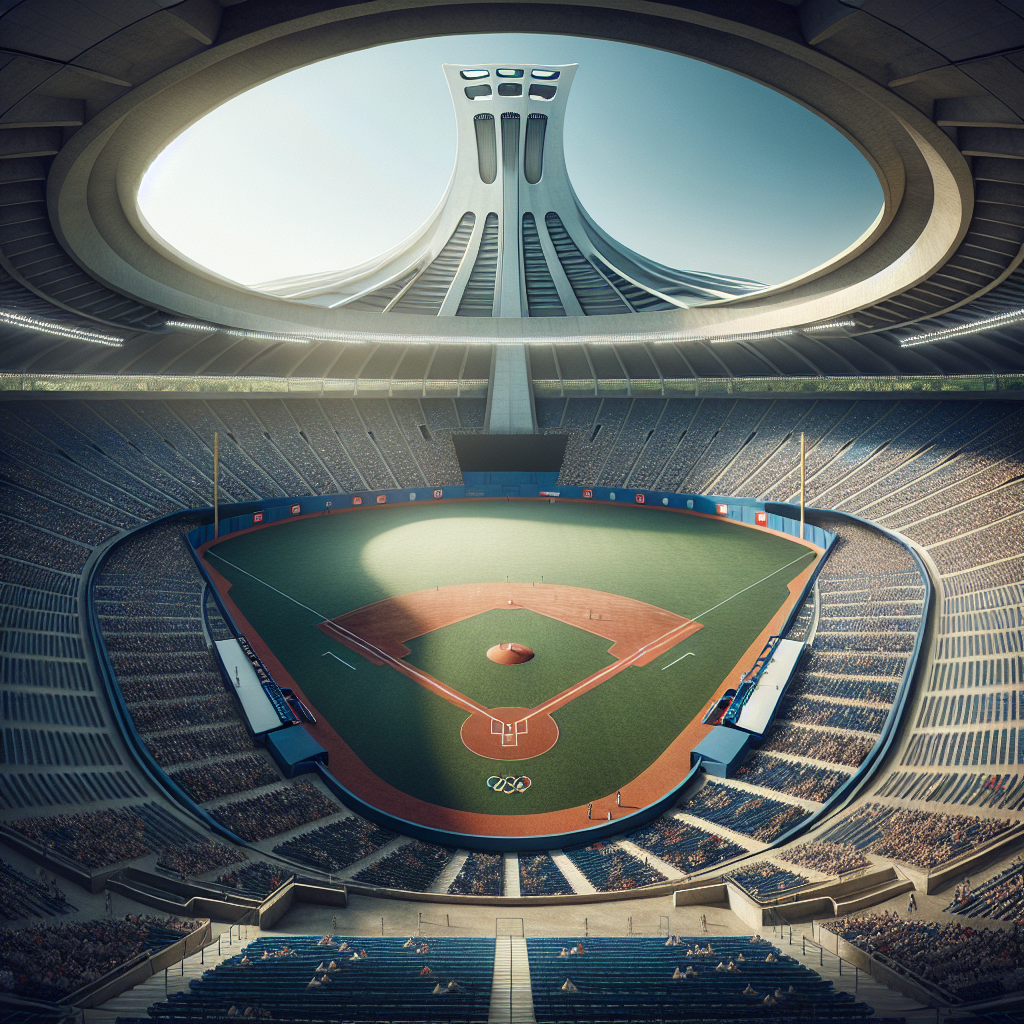
Olympic Stadium, located in Montreal, Quebec, Canada, is one of the most iconic and unique sporting venues in the history of baseball. Initially designed for the 1976 Summer Olympics, the stadium became the home for Major League Baseball’s Montreal Expos from 1977 until the team’s relocation in 2004. Its distinctive, futuristic design, punctuated by the prominent Montreal Tower looming over its structure, sets it apart from more traditional ballparks. However, Olympic Stadium’s history is marked by a complex blend of innovation, controversy, and the relentless ambition of a city that sought to establish itself as a global sports powerhouse.
The creation of Olympic Stadium was influenced heavily by Montreal’s desire to stand out as a modern, forward-thinking city on the world stage. This ambition was catalyzed by the international spotlight of hosting the 1976 Olympics. The stadium was designed by French architect Roger Taillibert, who envisioned a retractable roof and a one-of-a-kind design that would become a symbol of Montreal’s dynamic spirit. Despite the grand vision, the project encountered numerous challenges, leading to both financial strain and public scrutiny.
This article delves into the architectural marvel that is Olympic Stadium, exploring its construction, the pivotal moments in Expos baseball history that unfolded within its walls, and the nuanced legacy it leaves behind. Through this journey, we’ll uncover how a futuristic ambition translated into a real-world roller coaster, reflecting both the triumphs and trials faced by a city and its sporting community.
Architectural Vision and Construction Challenges
The conception of Olympic Stadium was nothing short of ambitious. Roger Taillibert’s design incorporated avant-garde elements intended to catapult Montreal into the future of stadium architecture. The most notable feature of the stadium was its retractable roof, a vision well ahead of its time. The roof, supported by the world’s tallest inclined tower, was to open and close using a sophisticated system of cables and motors.
However, the practicality of this futuristic vision quickly encountered numerous challenges. Construction began in 1973, but delays and cost overruns plagued the project. The weather, which could be harsh in Montreal, further complicated the construction process. As the 1976 Olympics approached, it became clear that the stadium would not be fully completed in time. Despite these setbacks, the Olympic Games proceeded, but with a significant amount of improvisation and unfinished amenities.
Even after the Olympics, work continued on the stadium but the retractable roof proved particularly troublesome. It was not until 1987 that the roof system was finally installed, and even then, it failed to operate reliably. The combination of innovative design and practical malfunction created a paradox that would define the stadium in the public eye: a marvel to behold, but a challenge to maintain and utilize effectively.
The Home of the Montreal Expos
In 1977, Olympic Stadium became the home field for the Montreal Expos, the first Major League Baseball team based outside the United States. The Expos brought major league excitement to Montreal, and the stadium quickly became a place where fans gathered to watch their team compete at the highest level.
The Expos, affectionately known as “Nos Amours” (Our Loves), provided many thrilling moments at Olympic Stadium. The stadium saw renowned players like Gary Carter, Andre Dawson, and Tim Raines. One of the peak moments for the Expos came in 1981, when they made it to the National League Championship Series. Though they ultimately fell to the Los Angeles Dodgers, that season remains a treasured memory for Expos fans.
However, the practical issues with Olympic Stadium began to influence the team and the fan experience. The retractable roof and subpar conditions occasionally led to cancelled games or disrupted schedules. Furthermore, the expansive, cavernous nature of the stadium, which seated 59,240 people, often felt empty, detracting from the intimate, energetic atmosphere typical of baseball games.
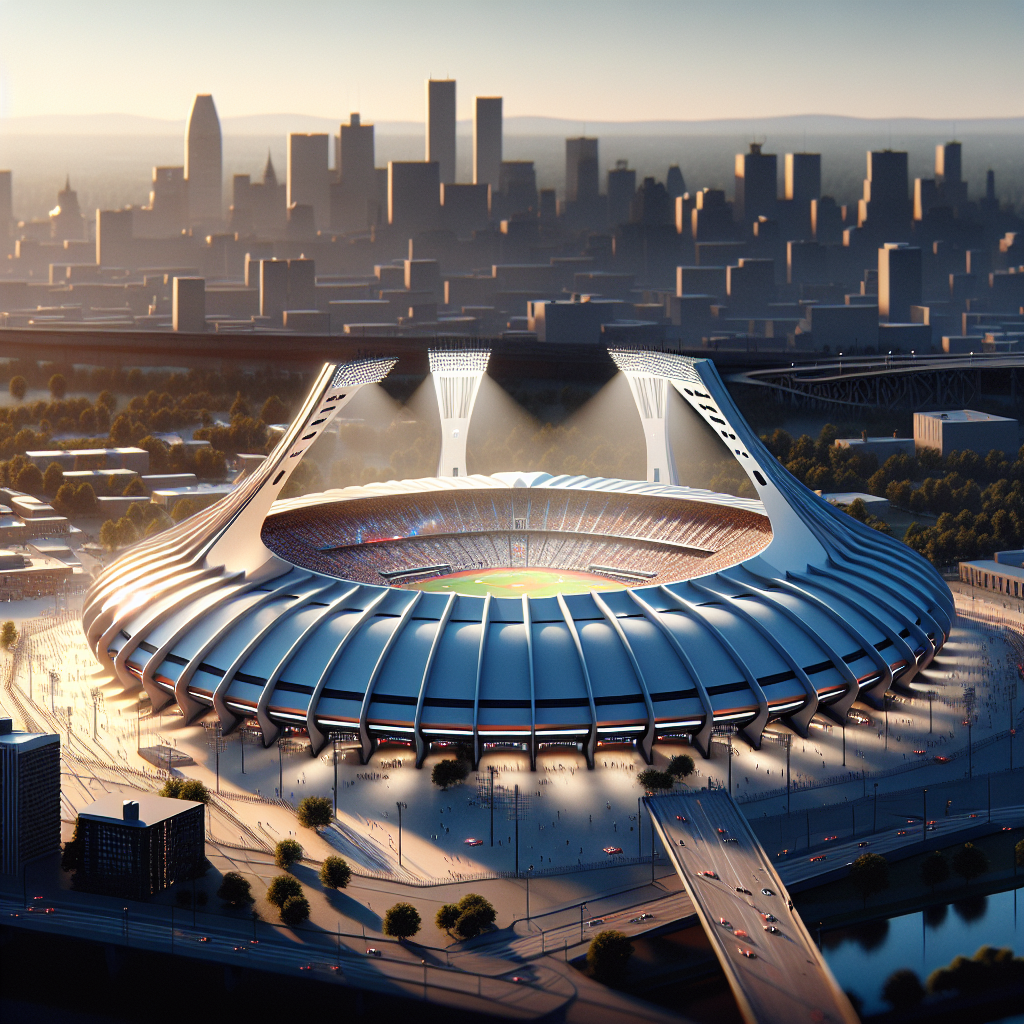
Challenges and Controversies
Olympic Stadium’s challenges extended beyond its architecture. Financial issues, attendance problems, and controversies often painted a complex picture of the Expos’ time at the stadium. Despite its grand design, the stadium was notorious for its high maintenance costs. The construction left Montreal with significant debt, which took years to pay off.
The lack of consistent attendance further complicated the financial situation. While the Expos had loyal followers, they struggled to attract large crowds. Factors contributing to low attendance included competing entertainment options, poor weather conditions, and the stadium’s somewhat inconvenient location.
Controversial ownership decisions and labor disputes also plagued the Expos. The 1994 MLB strike dealt a particularly harsh blow to the team, truncating what was shaping up to be a promising season. These compounded issues eventually led to the decision to relocate the team, and in 2004, the Expos played their last game in Montreal before becoming the Washington Nationals.
Legacy and Impact
Despite the challenges, Olympic Stadium remains an iconic symbol of Montreal’s sports culture and architectural ambition. Its unique design continues to attract attention and curiosity from around the world. The stadium has hosted a variety of events beyond baseball, including soccer matches, concerts, and even the annual Grey Cup in Canadian football.
For many Montrealers, the stadium represents a blend of memories, both good and bittersweet. The ephemeral joy of watching the city’s beloved Expos play Major League Baseball in their home stadium is juxtaposed against the frustration over the structure’s practical failures and financial burdens. However, the impact of the stadium on Montreal’s identity is undeniable.
More than just a sports venue, Olympic Stadium stands as a testament to Montreal’s vision, resilience, and dream of positioning itself as a globally recognized city. The stadium’s architectural daring has influenced stadium design globally, paving the way for other ambitious projects that followed.
Modern-Day Use and Future Prospects
Today, Olympic Stadium is no longer used for Major League Baseball but remains a vital part of Montreal’s sporting and cultural landscape. The stadium continues to host events that draw large crowds, such as concerts, trade shows, and international sports events.
Plans for the future of Olympic Stadium remain a topic of lively discussion. Proposals have included the renovation of the existing structure to improve its functionality and aesthetics. Some suggestions have focused on enhancing the stadium’s role as a multi-purpose venue, thereby ensuring its relevance for years to come.
While the future is uncertain, one thing is clear: Olympic Stadium’s legacy as a symbol of Montreal’s ambitious spirit endures. It is a testament to the city’s ability to dream big and persevere through the challenges that come with such grand visions.
Conclusion
Olympic Stadium in Montreal remains an iconic representation of both the city’s boundless aspirations and the tangible challenges of innovation. From its inception as a futuristic vision for the 1976 Olympics, through its decades as the cherished yet troubled home of the Montreal Expos, to its contemporary status as a multifaceted venue, the stadium encapsulates a multifarious narrative.
While the stadium’s practical struggles cannot be ignored, its significance in the landscape of baseball and broader sports culture is profound. The Expos’ tenure at Olympic Stadium provided priceless moments of community and excitement, weaving the team deeply into the fabric of Montreal’s identity. At the same time, the architectural daring of the stadium itself has influenced designs far beyond the city’s limits.
In retrospect, Olympic Stadium stands as a monument to Montreal’s courage to dream big, with all the triumphs, trials, and tribulations that come with such audacious endeavors. As the stadium continues to serve as a venue that brings people together, its story of futuristic ambition and resilient spirit remains an inspiring chapter in the larger narrative of baseball history and urban development.